







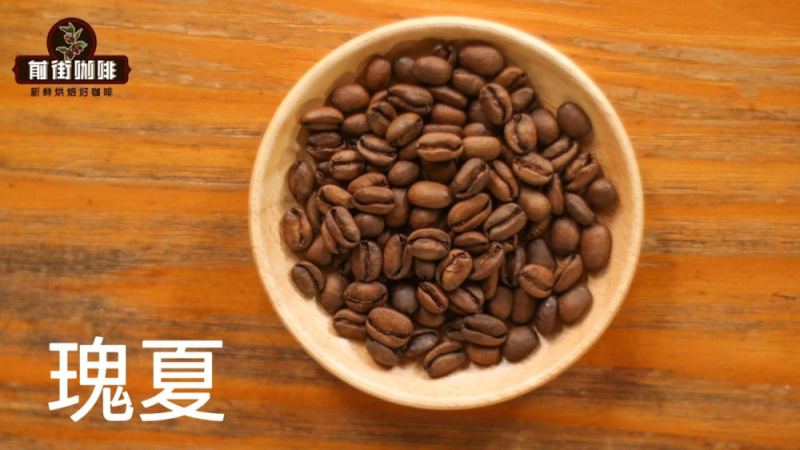
How do Panama Geisha and Gesha Village lots differ?
Geisha coffee from Panama's Hacienda La Esmeralda and Ethiopia's Gesha Village are often confused, but they come from different places and grading systems. La Esmeralda divides lots into Red, Green and Blue Label. Gesha Village, in Ethiopia's Bench Maji region, uses Auction, Gold Label RARITIES, Red Label GROWERS RESERVE, Green Label SINGLE-TERROIR and Chaka grades.
Gesha Village was co-founded by Adam Overton and Rachel Samuel, with guidance from Willem Boot, after wild Geisha plants were found in the Gori Gesha forest and seeds were replanted there. Cupping and pour-over comparisons of La Esmeralda's Natural Green Label against Gesha Village's Green Label show differences in dry aroma, wet aroma, mouthfeel and aftertaste, which is why geisha coffee lots are judged separately.
Geisha coffee has always been a focal point in the specialty coffee world, and the relationship and differences between Panama's Hacienda La Esmeralda and Ethiopia's Gesha Village often leave enthusiasts confused. Front Street Coffee recently acquired both Hacienda La Esmeralda's Natural Green Label and Gesha Village's Green Label, conducting a flavor comparison through both cupping and pour-over methods. This article will trace the naming origins of Geisha and Gesha, analyze the differences between Hacienda La Esmeralda's Red Label, Green Label, and Blue Label, as well as Gesha Village's Auction, Gold Label, Red Label, Green Label, and Chaka grades, and fully present the specific performances of the two Green Label Geishas in dry aroma, wet aroma, mouthfeel, and aftertaste, helping readers understand each one's tonal direction.
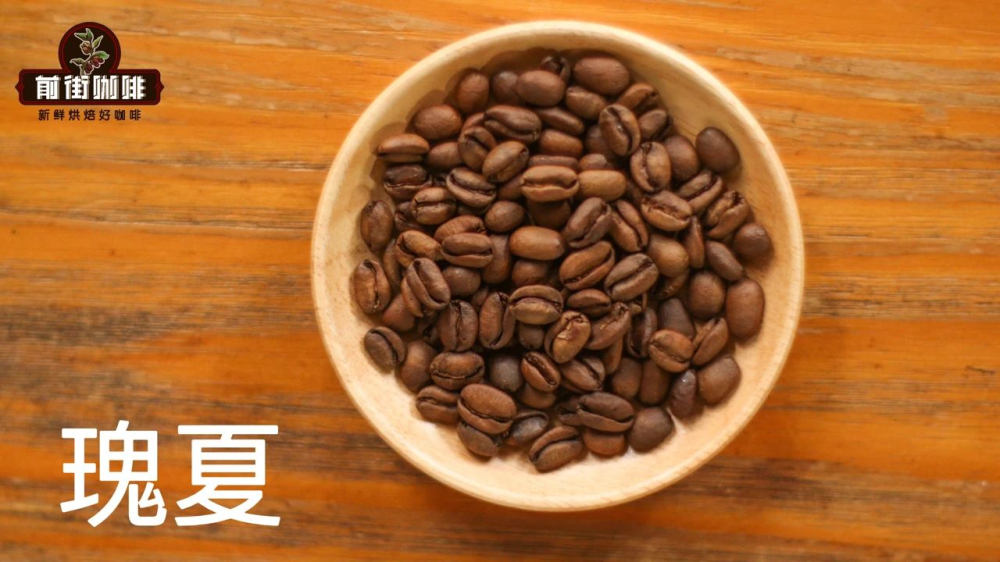
Front Street believes that when it comes to Geisha coffee, most people first think of the one produced by Panama's Hacienda La Esmeralda, whose flavor distinctiveness is indeed quite outstanding. However, the protagonist Front Street wants to share today is not Panama Geisha, but Geisha coffee from the birthplace of the Geisha variety — Gesha Village. Gesha Village is located in the Bench Maji region of Ethiopia, the birthplace of coffee, and was co-founded by Adam Overton and his wife Rachel Samuel. Under the guidance of Willem Boot, owner of Finca La Mula, they found wild Geisha plants in the Gori Gesha forest, then selected wild Geisha seeds collected from that forest and brought them back to Gesha Village for planting.
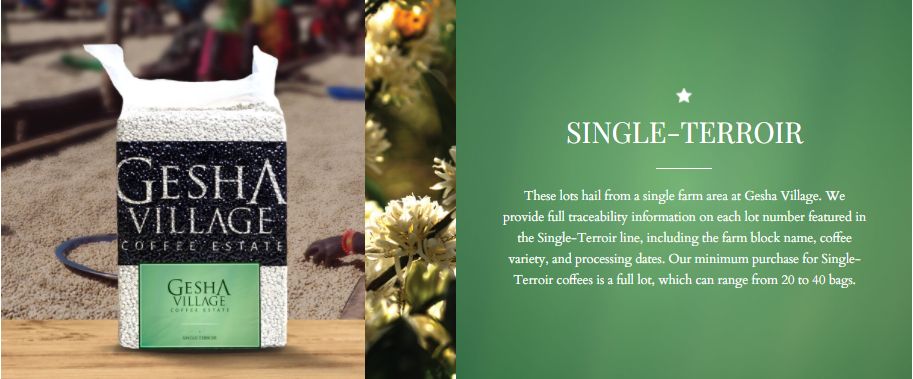
Like Panama Geisha, Gesha Village also has a rigorous grading system for its coffee. Panama's Hacienda La Esmeralda mainly divides its coffee into Red Label, Green Label, and Blue Label, while Gesha Village's grading is more detailed than Hacienda La Esmeralda's. Front Street has learned that Gesha Village's Geisha is typically divided into Auction lots, Gold Label RARITIES, Red Label GROWERS RESERVE, Green Label SINGLE-TERROIR, and Chaka CHAKA lots.
Over the past month or two, Front Street has successively acquired Hacienda La Esmeralda's Natural Green Label and Gesha Village's Green Label Geisha. Many friends might ask: which one's Geisha tastes better? Gesha Village or Hacienda La Esmeralda? Front Street is equally curious about the differences between these two beans this year, so we plan to conduct a flavor comparison of the two Green Label Geishas from the dimensions of cupping and pour-over.
First, Front Street cupped the Green Label Geisha from Gesha Village's Bangi plot. This lot is of the Gori Gesha variety planted within Gesha Village and uses natural processing.
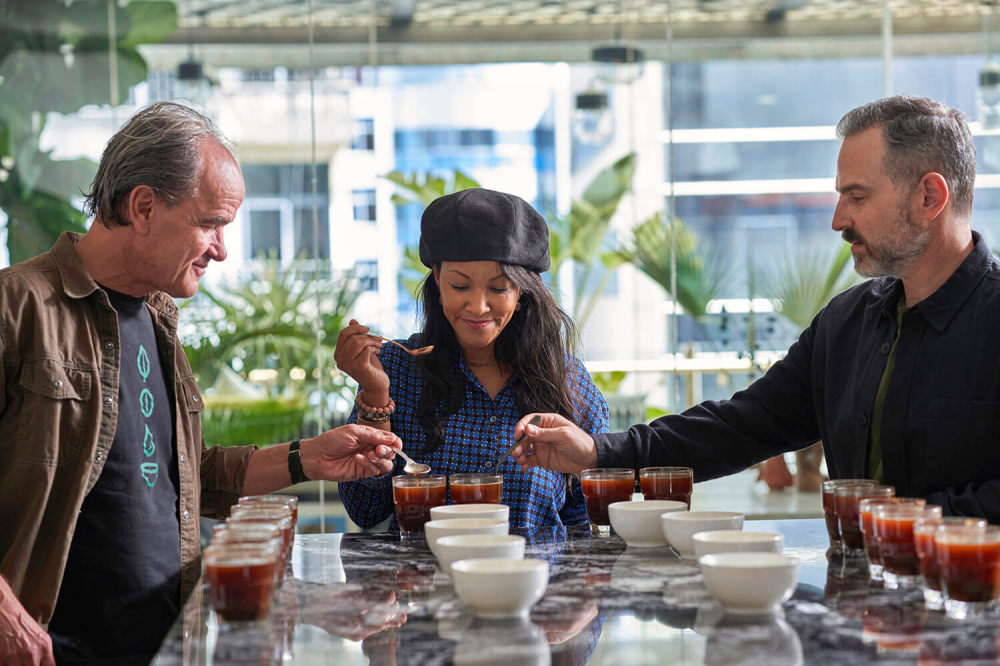
Front Street's standard cupping procedure is: first grind the Gesha Village Natural Green Label into powder, take 11.3 grams of powder, with water temperature at about 94 degrees. After grinding, smell the dry aroma first — Front Street Coffee (FrontStreet Coffee) found that this Green Label Gori Gesha's dry aroma carries a clear berry note. After pouring water, start timing for four minutes; at this point, sense the wet aroma, which presents a ripe fruit tonality. Once four minutes are up, break the crust by stirring the cupping spoon in three circles in the same direction, gently pushing the floating grounds, and Front Street noticed the wet aroma becoming more intense. Then use the cupping spoon to skim off all the floating grounds and enter the tasting stage.
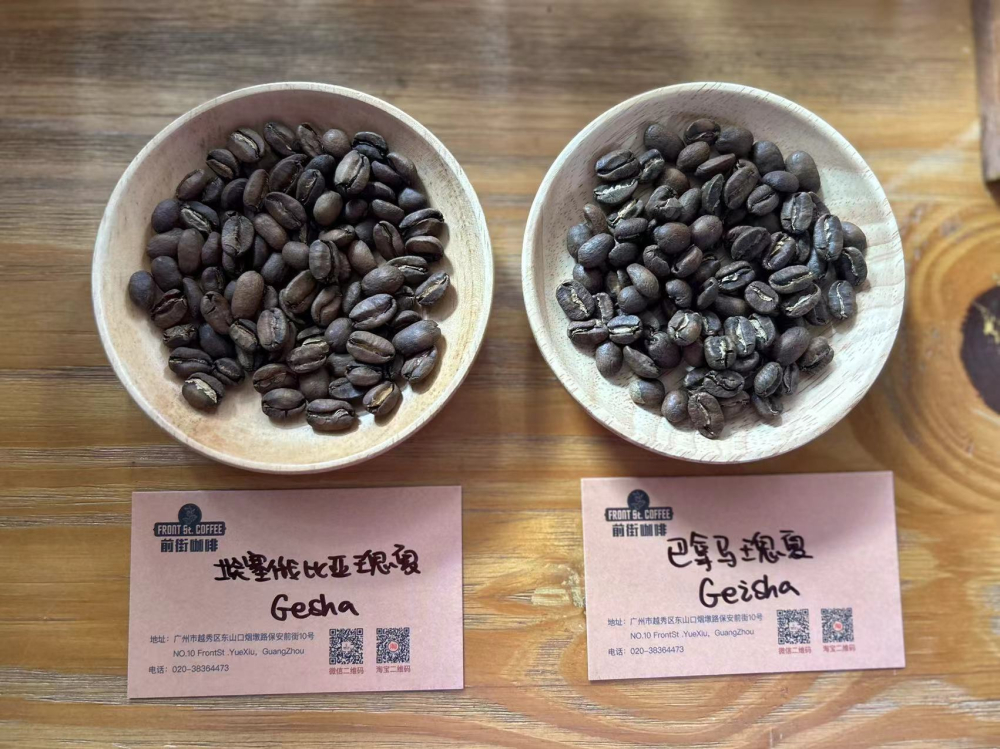
Although Gesha Village's Green Label does not have a cupping score threshold like the Red Label and Gold Label, this Green Label comes from a single plot of Gesha Village Estate and is a single-variety lot. Green Label lots provide complete traceability information for each batch number, covering the farm plot name, coffee variety, and processing date. Therefore, the quality of this Green Label is equally well guaranteed, and the specific flavors will be compared together with Hacienda La Esmeralda later in this article.
Next, Front Street cupped Hacienda La Esmeralda's Green Label Geisha, with the same steps as above. Hacienda La Esmeralda's Geisha carries a very intense floral aroma in both dry and wet aroma, with the wet aroma stage smelling even more prominent. Afterward, Front Street used a three-stage pour method to brew both Green Labels. Before brewing, the roast level of both Green Labels still needs to be confirmed.
The Gesha Village Green Label Geisha that Front Street offers is all naturally processed. Natural processing generally involves first removing floating impurities, then placing the cherries on African-style raised beds, spread in thin layers and covered with plastic sheeting for drying; during the drying period on the beds, another round of sorting is done to remove insect-damaged and underripe beans, with a total drying time of about 18 to 30 days. Front Street believes that naturally processed coffee has prominent sweetness and soft acidity, presenting a complex fruity tonality in flavor, so the roast level for Gesha Village Geisha was ultimately set at a medium-light level to highlight the unique Geisha floral aroma and fruity sweetness brought by natural processing.
When roasting Panama Green Label Geisha, Front Street usually uses a light roast to highlight Hacienda La Esmeralda's Geisha flavor. When brewing this coffee, Front Street also pays close attention to parameters, generally using a water temperature of 90 degrees, a single-serving dose of 15 grams, and a coffee-to-water ratio of 1:15. Front Street's commonly used method is staged pouring: first bloom with 30 grams of water, then pour in a slow circular stream up to 125 grams to complete the first stage, wait for the water level to drop until the coffee bed is exposed, then continue pouring until 225 grams, stop, and remove the dripper.
Entering the tasting stage, Front Street believes Hacienda La Esmeralda's Green Label Geisha has very high cleanliness, a smooth mouthfeel, and a moderate aftertaste; the natural processing gives this bean an intense jasmine floral aroma, and when cooled it approaches a honey-like mouthfeel. The Gesha Village Green Label, on the other hand, carries a slight acidity, similar to Kenyan berry acidity, with a full and rich mouthfeel, a honey-sweet aftertaste, and a touch of fermented wine aroma.
Therefore, Front Street believes that compared with Gesha Village Geisha, Panama Geisha is closer to the general public's existing impression of Geisha coffee; but Gesha Village's Geisha is equally impressive in quality, with flavors leaning more toward stone fruits and higher sweetness, while Panama Geisha presents more of the refined tonalities such as floral aroma and tea-like notes. In addition, Gesha Village in Ethiopia is at a higher altitude than Panama's Geisha-growing regions, which is more conducive to the accumulation of coffee compounds.
The above content is compiled by CoffeeHunters, a coffee news website.


