







Search Results for: Pour-over coffee tasting
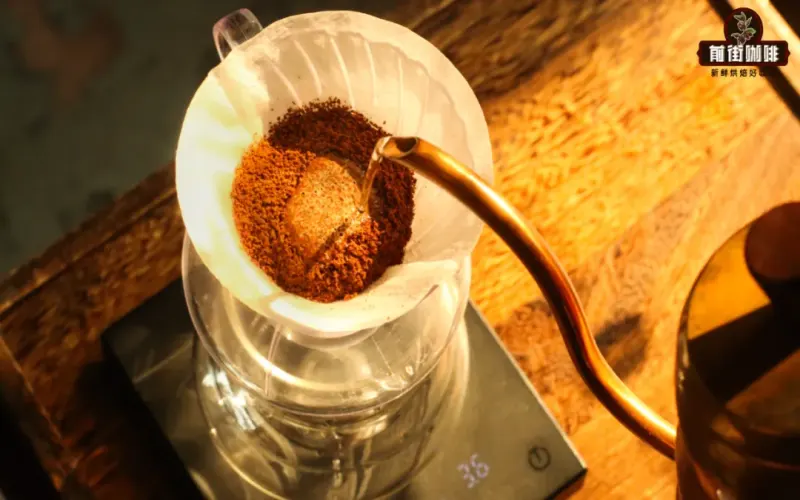
An Analysis of Flavor Differences Between Hot and Iced Pour-Over Coffee: A Professional Tasting Comparison from Temperature to Brewing Parameters
When buying coffee beans at a coffee shop or a Front Street location, many coffee enthusiasts ask the same question: for single-origin pour-over coffee, is it better hot or iced? Why is the flavor of hot pour-over coffee often more intense and prominent than iced pour-over? This article will start from the effects of coffee temperature on taste bud perception and aroma volatilization, deeply analyze why hot drinks make it easier to taste flavor, and at the same time explain the special adjustments in brewing parameters for iced pour-over—how operations such as reducing the amount of water, increasing the ratio of grounds to ice, and grinding finer affect the final flavor performance. The article also takes Front Street Ethiopia Huakui as an example, separately presenting a comparison of tasting results between hot brewing and iced brewing, to help readers fully understand the respective flavor characteristics and suitable scenarios of the two brewing methods. [more…]
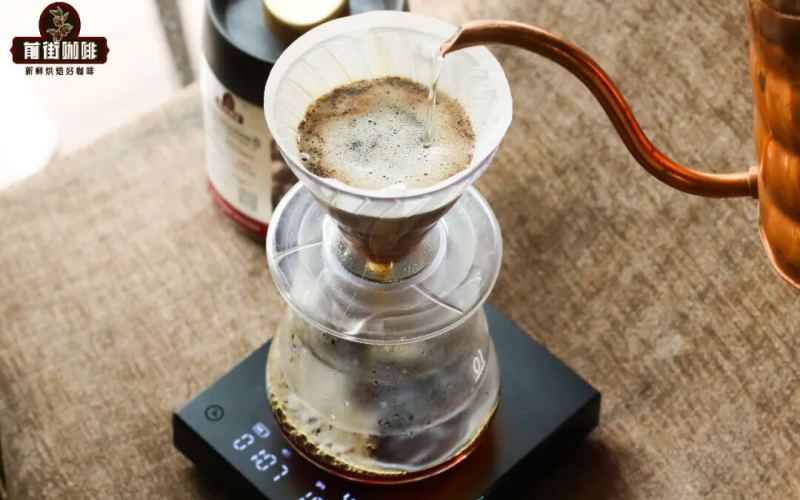
Pour-Over Coffee Tasting | Why Not Add Ice Directly to Hot Pour-Over Coffee? How to Adjust Brewing Parameters for Iced Pour-Over?
Many friends, when ordering pour-over coffee in a café, will prioritize the hot brew method, because as everyone knows, if we want to experience a relatively complete flavor profile in pour-over coffee, then hot brewing is absolutely the best choice. But when the weather is too hot, we always find it hard to [more…]
Analyzing the Flavor Differences Between Espresso and Pour-Over Coffee: How Dose and Strength Affect Black Coffee Taste
Many coffee enthusiasts notice that the same beans taste stronger and more pronounced when brewed as an Americano on an espresso machine than when made with a pour-over. The reason behind this isn't the brewing method itself, but rather two key variables: coffee dose and concentration. Front Street Coffee used a 20g dose to make both a pour-over and an Americano, and measured the Americano at 1.95% concentration versus 1.54% for the pour-over—a significant difference. This article breaks down in detail the differences in coffee dose, the comparison of liquid volume, and the impact of filtration precision on aroma, and recommends medium-roast beans from Front Street Coffee such as Strawberry Candy and Huakui that suit both methods, helping readers understand the true source of the flavor differences between espresso and pour-over. [more…]
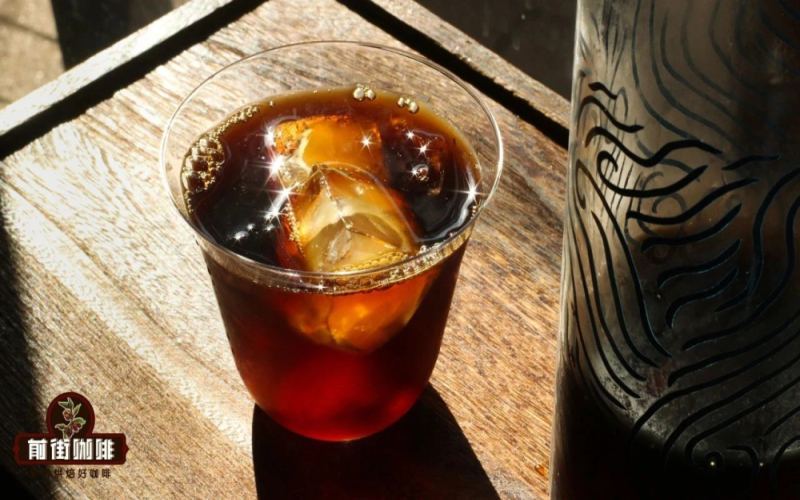
Why Do the Same Beans Taste So Different? A Deep Dive into the Extraction Differences Between Cold Brew and Pour-Over Coffee
Many coffee enthusiasts at Front Street stores order both a cold brew and an iced pour-over made from the same beans, yet are often surprised by the huge gap in flavor between the two after drinking them. Why does the same coffee bean produce such an obvious difference in the resulting cup? This article will systematically sort out the core differences in brewing principles between cold brew and pour-over from multiple dimensions such as extraction water temperature, extraction method, and concentration differences, and combine a comparative experiment conducted by Front Street using Huakui 8.0 to help you understand the taste expressions brought by low-temperature slow extraction and high-temperature fast extraction, as well as the scientific logic behind these differences. [more…]
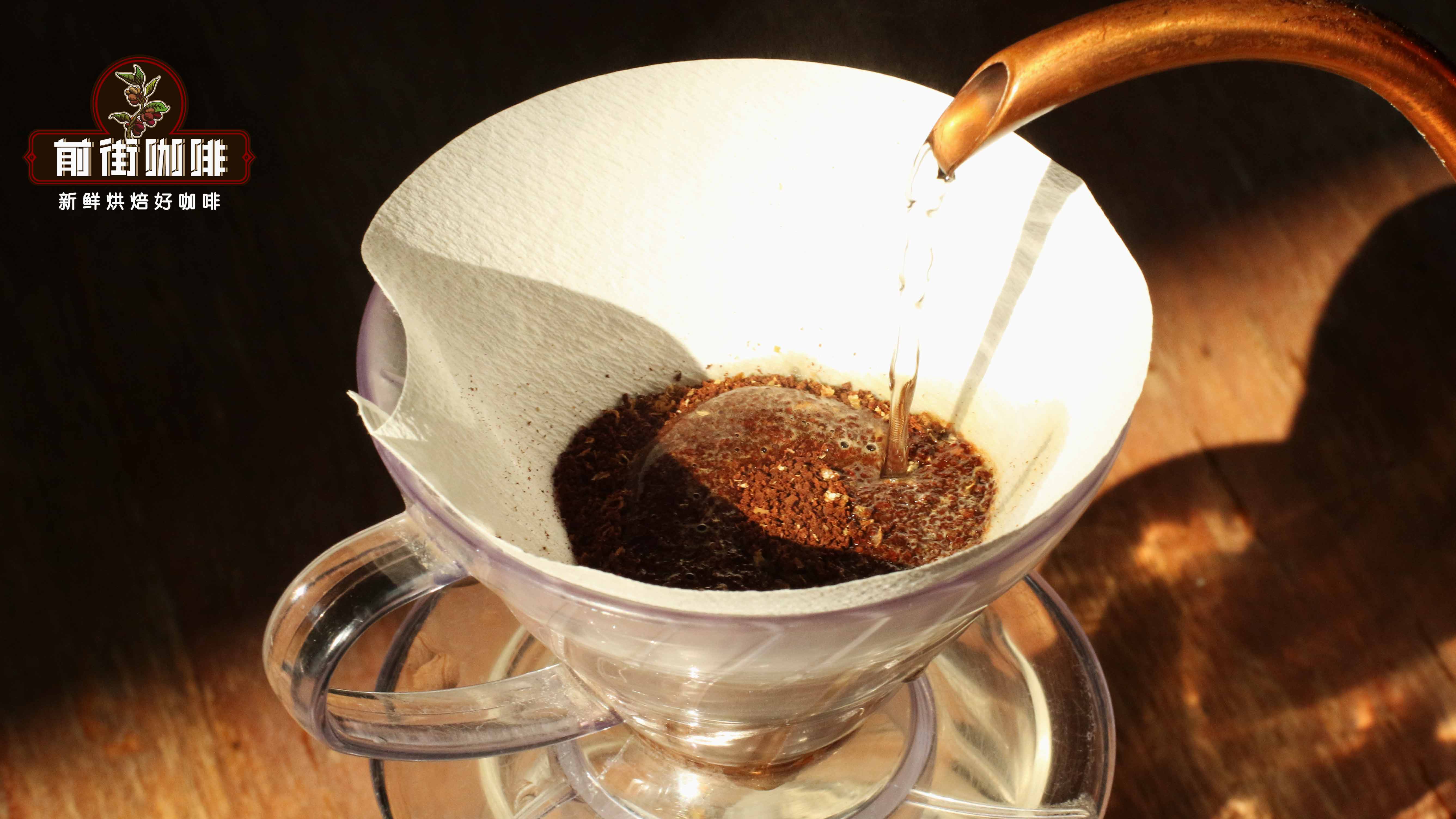
The Hot vs. Cold Pour-Over Coffee Debate: Why Choose Hot Brewing to Taste the Bean's True Flavor? The Principles of Japanese-Style Iced Pour-Over and Bean Selection Tips
Pour-over coffee, with its efficiency and convenience, has become a signature offering at many cafés. Brewed from the same bag of beans, hot and iced pour-over deliver completely different experiences. Drawing on everyday inquiries at Front Street stores, this article breaks down the differences between hot pour-over and Japanese-style iced pour-over in terms of grind size, water temperature, coffee-to-water ratio, and other parameters, explaining why hot pour-over has the edge when pursuing complete flavor, while also acknowledging the strengths of iced pour-over in cleanliness and refreshing crispness. At the end, it organizes pour-over bean recommendations from Front Street suited to different taste preferences—including Xizhua, Huakui, Strawberry Candy, as well as PWN Golden Mandheling, Queen's Estate, and Bird of Paradise—to help enthusiasts choose according to their needs. [more…]
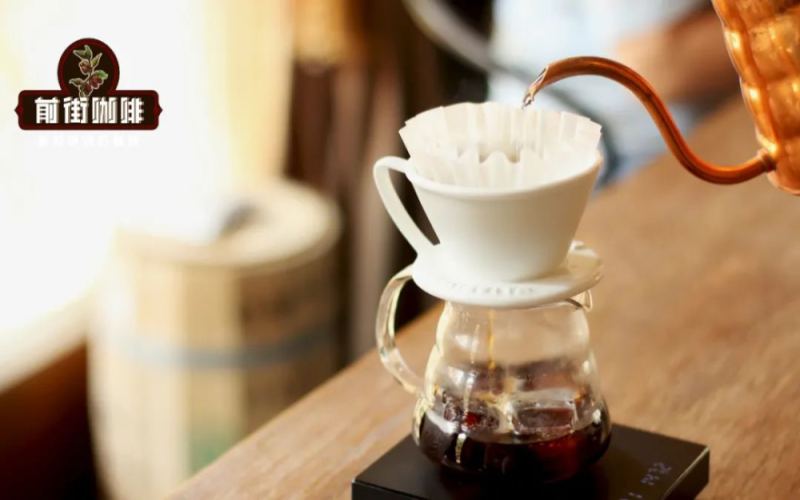
Why Does Iced Pour-Over Coffee Taste Weaker? A Comparative Analysis of Hot and Cold Extraction with Four Different Coffee Bean Styles
Both are pour-over coffees, but just how big is the difference in taste between the hot version and the iced version? Many coffee enthusiasts have noticed that certain beans, when brewed hot, are full of aroma and layered with complexity, yet once turned into iced pour-over, they become as bland as water. To get to the bottom of this, Front Street Coffee selected four coffee beans with distinctly different profiles and brewed each as both hot pour-over and iced pour-over, comparing them one by one across three dimensions: aroma, flavor, and mouthfeel. This article not only presents the detailed comparison results, but also starts from the principles of extraction to explain why iced pour-over tends to lose flavor, and offers advice on selecting coffee beans suitable for making iced pour-over. [more…]

Same Beans, Different Taste? An In-Depth Analysis of the Extraction Differences and Flavor Comparison Between Cold Brew Coffee and Iced Pour-Over
Many coffee enthusiasts have wondered: why do cold brew and iced pour-over made from the same coffee bean taste so different? Front Street Coffee once conducted a comparative experiment with Huakui 8.0, and the results were surprising. This article will systematically analyze the core differences between cold brew coffee and pour-over coffee from the perspectives of extraction water temperature, extraction method, and concentration changes, explaining why low-temperature slow extraction brings a rounder acidity, a fuller body, and a unique fermented aroma, while high-temperature fast extraction retains richer aromatic layers. If you also want to understand the essential difference between these two brewing methods, read on. [more…]

The Hot vs. Cold Debate in Pour-Over Coffee: Why Hot Brewing Reveals a More Complete Flavor Layering
In the world of pour-over coffee, the choice between hot and cold drinks often sparks discussion. Many baristas recommend hot pour-over, not because iced pour-over doesn't taste good, but because hot brewing delivers a more complete flavor experience. Drawing on the practices at Front Street Coffee, this article analyzes the principles by which iced pour-over, through cooling with ice, leads to dilution of concentration and reduced extraction efficiency, and uses comparative experiments to demonstrate the actual gap between hot and iced brewing in aroma and flavor. At the same time, the article also explores the possibility of adjusting parameters to enhance the flavor of iced pour-over and the risks involved, helping coffee enthusiasts understand the characteristics of different brewing methods so they can make choices better suited to their own needs. [more…]

Pour-over Coffee Brewing Extraction Time | Pour-over Coffee Steps, Ratios, and Pouring Techniques
For more specialty coffee knowledge, please follow our WeChat official account: Front Street Coffee (FrontStreet Coffee). Pour-over coffee has become deeply loved by enthusiasts with the development of the third wave of specialty coffee. Many enthusiasts enjoy brewing pour-over coffee at home. Is pour-over coffee difficult? Actually, to [more…]
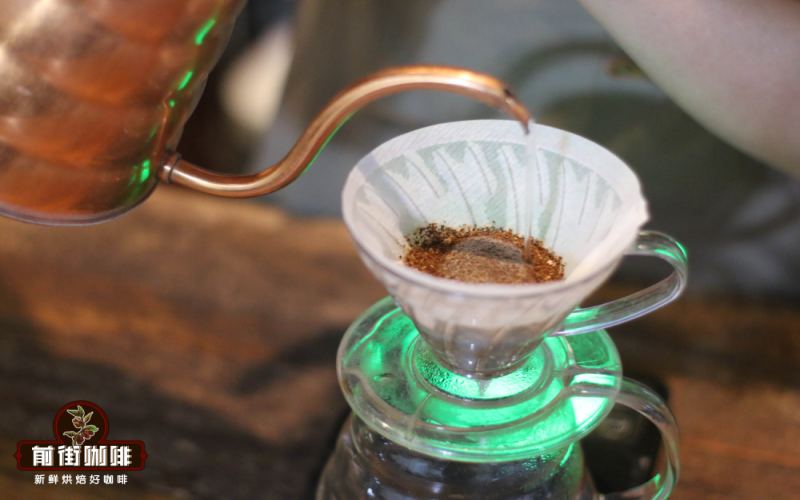
Intro to Pour-Over Coffee | How Can Coffee Beginners Make Specialty Pour-Over Coffee at Home? What Coffee Equipment Is Needed to Make Pour-Over Black Coffee?
Why is pour-over coffee so fascinating? What is the key to a good cup of pour-over coffee? In the following article, FrontStreet Coffee will introduce the basics of pour-over coffee, so you can brew great coffee at home too! What is pour-over coffee? Pour-over coffee, as the name suggests, [more…]
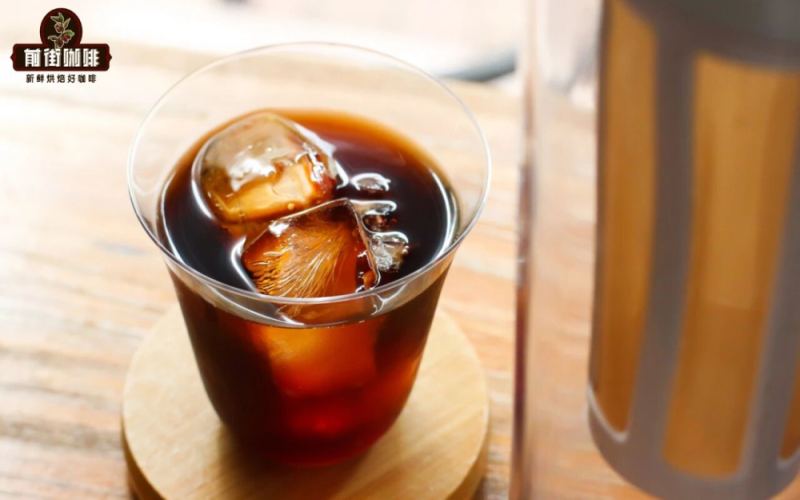
Why are the flavor differences between pour-over and cold brew so striking? Will the acidity of Kenyan beans stand out in cold brew?
Pour-over and cold brew are two common ways to enjoy single-origin coffee in daily life, but the same coffee beans extracted using different methods can present wildly different flavor profiles. This article takes Front Street Coffee's Kenya Little Tomato as an example, preparing both pour-over and cold brew for a comparative tasting. It analyzes the root causes of the differences from three dimensions—extraction method, coffee-to-water ratio, and water temperature—and explains why the distinctive fermented aroma and smooth mouthfeel of cold brew cannot be replaced by pour-over. It also recommends floral and fruity beans suitable for both methods, such as Front Street Coffee Strawberry Candy, Front Street Coffee Mozart, and Front Street Coffee Sidra, helping enthusiasts understand the two extraction logics more clearly. [more…]
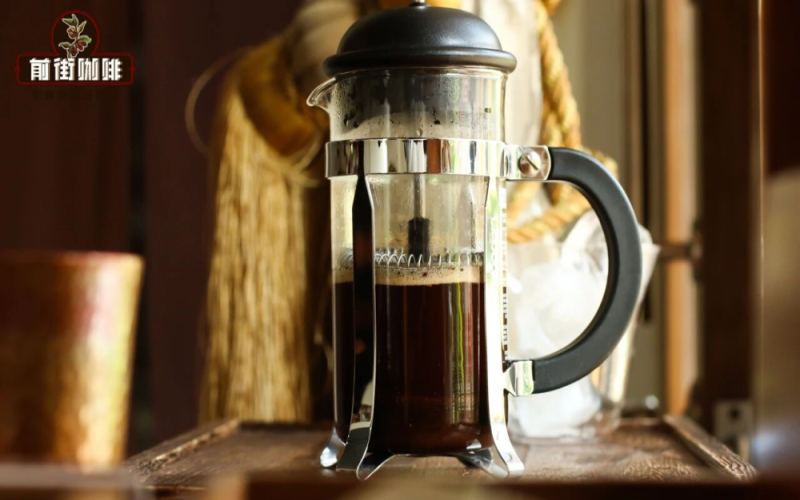
French Press vs. Pour-Over Coffee: Which Is Right for You? A Look at Grind Size, Brew Time, and Flavor Differences
The French press and pour-over are two common methods of brewing black coffee, and their most fundamental difference lies in the extraction principle: the French press relies on immersion, while pour-over relies on drip filtration. This difference directly affects the grind size of the coffee grounds, the water temperature setting, the immersion or brewing time, and the final taste performance in the cup. The French press is simple to operate, highly forgiving, and produces a full-bodied, balanced cup; pour-over, on the other hand, offers distinct layers, strong playability, and allows precise control of each stage of flavor. From the perspective of Front Street, this article systematically compares the key operating points, parameter settings, and suitable scenarios of the two, and includes a list of equipment needed for pour-over and coffee bean purchasing suggestions, to help you find the cup that suits you best. [more…]
The Extraction Differences Between French Press and Pour-Over Coffee: A Comprehensive Comparison from Grind Size to Flavor and Mouthfeel
The French press and pour-over coffee are two completely different extraction methods: the former relies on immersion, while the latter depends on drip filtration. From the perspective of Front Street, this article systematically sorts out the operating principles, taste characteristics, parameter control, and suitable scenarios of the two. The French press is easy to operate and stable in extraction, with a balanced and full-bodied flavor; pour-over, on the other hand, has distinct layers and high playability, and can precisely showcase the personality of the coffee beans. The article also introduces in detail the equipment needed for pour-over, suggestions for matching grind size and water temperature, as well as several coffee beans recommended by Front Street that suit different taste preferences, helping coffee enthusiasts find the brewing method that best suits them. [more…]
Hand Brew vs. Cold Brew: How Extraction Temperature Affects Flavor and Bean Selection
Why do the flavors of the same coffee beans differ so dramatically when brewed as pour-over versus cold brew? From the perspective of Front Street, this article systematically sorts out the core differences between high-temperature pour-over and low-temperature cold brew in terms of extraction principles, flavor expression, and suitable bean types. The article covers a comparative tasting of three methods—hot pour-over, iced pour-over, and cold brew—analyzes the effect of water temperature on the dissolution sequence of acids, sweetness, bitterness, and other substances in coffee, and provides recommendations for coffee beans suited to both brewing methods, including specific Front Street products such as Guodingding, Huahudie, Strawberry Candy, and Huakui, helping coffee enthusiasts easily make their ideal cup at home. [more…]
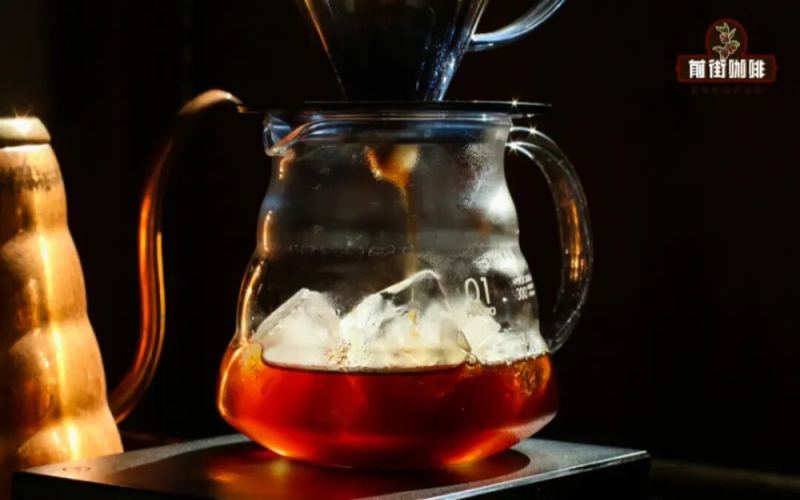
Secrets to Making Iced Pour-Over Coffee: A Comprehensive Guide to Water Temperature, Coffee-to-Ice Ratio, Grind Size, and Pouring Techniques
On a hot summer day, a glass of iced pour-over coffee brings a refreshing treat. But many people end up with an iced pour-over that tastes weak and lacks aroma. So how exactly do you make an iced pour-over with full, rich flavor? This article lays out four key techniques—from the coffee-to-water-to-ice ratio and grind size adjustments to pouring technique and ice selection—to help you avoid common pitfalls. Drawing on everyday brewing experience, Front Street Coffee offers specific parameter recommendations and a universal formula, so whether you're a beginner or an advanced enthusiast, you'll find a practical reference plan that makes iced pour-over more than just hot pour-over with ice added. [more…]

Front Street Coffee Complete Knowledge Collection: A Coffee Learning Guide and Practical Manual from Beginner to Advanced
The Front Street official account has insisted on daily updates for many years, accumulating a massive amount of educational content covering every area of coffee. From the origins of coffee beans to the birth of a finished cup of coffee, from basic terminology to advanced brewing techniques, the articles have touched on virtually every question a coffee lover might encounter. This article reorganizes that content along a learning path, dividing it into sections such as must-reads for beginners, tasting methods, brewing techniques, advanced improvement, and Front Street's random musings on industry topics, making it easy for readers to quickly locate the knowledge they need based on their own stage, and also convenient for systematically filling in gaps. Whether you are a novice just getting into coffee or an advanced player hoping to hone your skills, you can find corresponding content here. [more…]
What Are the Flavor Differences Between Cold Brew and Pour-Over? Cold Extraction Has Higher Caffeine—Front Street Coffee Teaches You How to Choose Beans
Why do the same coffee beans taste so completely different when made as cold brew versus pour-over? The key lies in the extraction temperature. Pour-over uses hot water to quickly release the coffee's rich aromas and layers, while cold brew relies on a long, low-temperature steep, delivering a sweet, crisp, and refreshing taste—though with slightly less fullness of flavor. Low-temperature extraction also reduces bitter compounds, but it also results in a higher caffeine content. Using Front Street Coffee's light-roast washed Yirgacheffe Geddid as an example, we compare hot pour-over, cold brew, and iced pour-over to analyze why the flavors differ, and offer coffee bean recommendations suitable for home cold brew and pour-over. [more…]

Can Pour-Over Coffee Be Drunk with Milk? Parameters, Ratios, and Steps for Making Milk Coffee with High-Concentration Pour-Over
Will you get beaten up for adding sugar and milk to pour-over coffee? Behind this internet meme, there's actually a reflection of many people's stereotypes about how coffee should be drunk. This article uses this topic as a starting point to explain that coffee is essentially an everyday beverage, and how you drink it is entirely up to personal preference. It then aims to make milk coffee, sharing how to adjust the coffee-to-water ratio, grind size, and water temperature to extract a more concentrated pour-over coffee using Front Street PWN Golden Mandheling, and then mix it with milk in proportion to ultimately get a smooth, flavorful milk coffee. The article includes complete parameters, brewing steps, and tasting descriptions, making it a useful reference for coffee lovers who want to try making pour-over milk coffee at home. [more…]
Black Coffee Category | Is there a big difference in flavor and mouthfeel between pour-over coffee and espresso? Which tastes better, pour-over or Americano?
Nowadays, pour-over coffee and espresso are the two most mainstream brewing methods, so coffee beans on the consumer market are almost entirely developed around these two uses. Pour-over and espresso have different extraction principles: pour-over coffee is a normal-pressure drip extraction, a bit like brewing tea, with a relatively refreshing taste; while espresso is brewed under in [more…]
The Hot vs. Iced Pour-Over Coffee Dilemma: From Coffee-to-Water Ratio and Water Temperature to Grind Size, Exploring the Real Reasons Behind Flavor Differences
Should pour-over coffee be enjoyed hot or iced? Many coffee lovers hesitate when making this choice. Front Street Coffee has always recommended: if you want to experience a fuller flavor profile, it's best to choose hot pour-over. This article uses a comparative experiment, using the same coffee beans and brewing method, changing only the coffee-to-water ratio and grind size, to intuitively demonstrate the differences between hot pour-over and iced pour-over in extraction yield, flavor layering, and mouthfeel. The article lists the specific parameters for hot pour-over and iced pour-over in detail, analyzes the impact of water volume and grind size on extraction, and explains why iced pour-over requires parameter adjustments, why coffee shops charge extra for iced pour-over, and why you should drink it hot if you want to enjoy the flavor. [more…]