








Golden Mandheling: How to Brew High-Concentration Pour-Over for Milk
Yes, pour-over coffee can be drunk with milk. Nothing about the brewing method requires it to be served black, and adding milk or sugar is a matter of personal preference, not a rule. To make it work well, brew a higher-concentration pour-over by tightening the coffee-to-water ratio, then mix it with milk in proportion so the coffee flavor still comes through.
The approach uses Front Street PWN Golden Mandheling, adjusting grind size and water temperature to raise extraction strength before the milk goes in. The article gives complete parameters, brewing steps, and tasting notes. It suits any coffee enthusiast who wants to try pour-over milk coffee at home without a coffee machine or moka pot.
Will you get beaten up for adding sugar and milk to pour-over coffee? Behind this internet meme, it actually reflects many people's stereotypes about how coffee should be consumed. This article uses this topic as an entry point to explain that coffee is essentially an everyday beverage, and how you drink it is entirely up to personal preference. It then aims to make milk coffee, sharing how to adjust the coffee-to-water ratio, grind size, and water temperature to extract a higher-concentration pour-over using Front Street PWN Golden Mandheling, then mix it with milk in proportion to ultimately get a smooth, flavorful milk coffee. The article includes complete parameters, brewing steps, and tasting descriptions, suitable for coffee enthusiasts who want to try pour-over milk coffee at home.
"Boss, give me a pour-over, with sugar and milk!"
Friends who spend a lot of time online have probably come across this joke about pour-over coffee. Because the imagery is so vivid, customers occasionally ask Front Street: "Will you really get beaten up for adding sugar and milk to pour-over?"

The reason this meme spread is that many people feel that drinking pour-over is about carefully appreciating the coffee's own flavors. Once you add granulated sugar or milk, the coffee's flavors get interfered with, and you can't taste the full picture, so some people conclude that pour-over should be drunk with nothing added. But in reality, whether you add sugar or milk to pour-over, you won't get beaten up — you can rest assured on that! The reasoning isn't complicated either, because — hitting people is illegal...
Just kidding. The real reason is that coffee is, at the end of the day, just an everyday drink. Whether it's an espresso made by a machine or a pour-over brewed by drip method, it's just a cup of coffee. How you want to drink it and what you want to get out of it depends entirely on each person's own preferences. There's no rule or standard saying pour-over must serve flavor. After all, the original reason it came about was simply to make a clean cup of coffee without sediment.
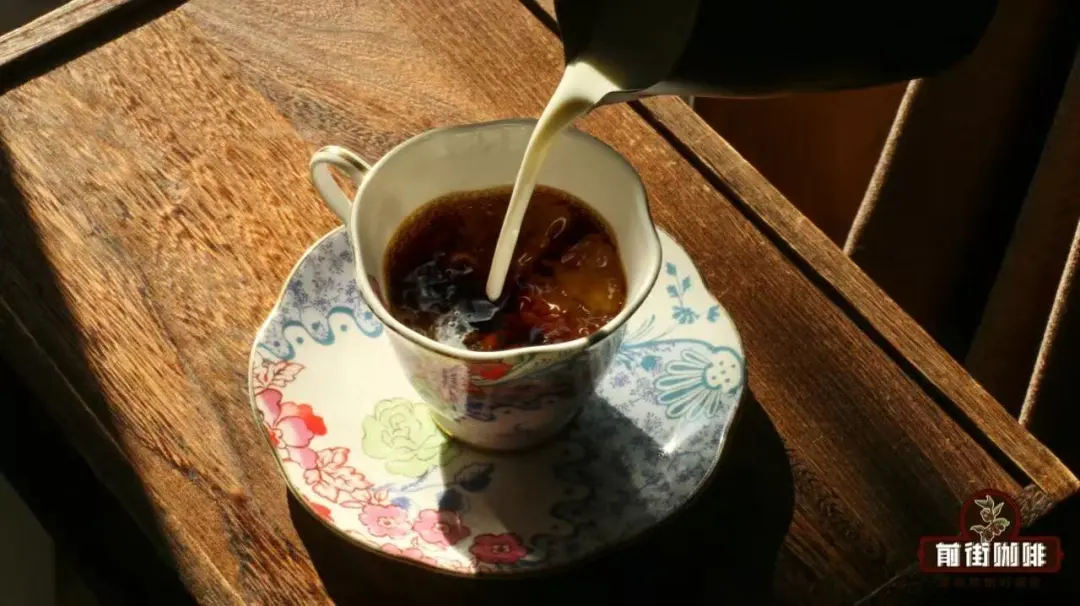
So adding sugar or milk to pour-over is perfectly fine! Moreover, as long as the amounts are appropriate, milk and sugar can actually enhance the coffee's mouthfeel and taste — they can neutralize the coffee's bitterness while making the entry sensation smoother.
Even better, with proper execution, we can make a cup of coffee that's different from the usual but equally delicious. As mentioned in Front Street's previous content, if you don't have a coffee machine, moka pot, or other equipment at home that can make high-concentration coffee, you can also use a specific method to brew a pot of higher-concentration pour-over, then use it as a base and pour in milk, ultimately getting a milk coffee with excellent mouthfeel and taste. Here Front Street uses Front Street PWN Golden Mandheling from the bean list as an example. Front Street PWN Golden Mandheling is a dark-roasted coffee bean of very high quality. The brewed coffee presents flavors of chocolate, spices, caramel, nuts, and pine, with a clean, full-bodied mouthfeel, and a strong, lasting sweet aftertaste. It's very suitable for pour-over, espresso, or making milk coffee.
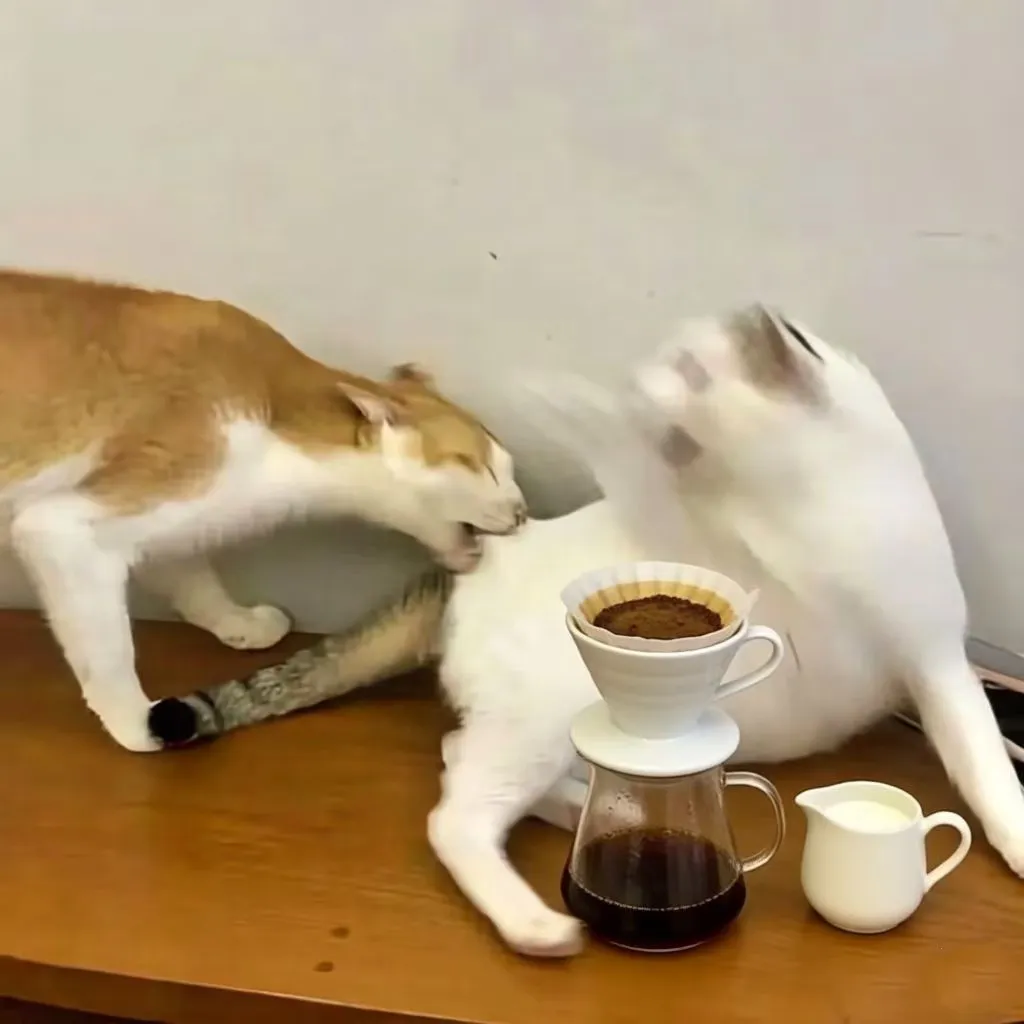
As mentioned earlier, to make a delicious milk coffee with it, the first step is to brew a relatively high-concentration pour-over using a special method. Below are the parameters Front Street uses, for your reference: 20g coffee grounds, coffee-to-water ratio 1:8, grind size of 80% passing through a No. 20 sieve, water temperature 90°C, extraction time controlled at 2 minutes, paired with a Kono dripper. As you can see, the grind size and water temperature are finer and higher than what Front Street normally uses when brewing dark-roasted coffee. This is done to increase coffee concentration — since the coffee-to-water ratio is increased, these adjustments are needed to achieve full extraction.
The brewing method is still the familiar multi-pour approach! First, bloom with water at twice the coffee's weight for 30 seconds; after blooming, divide the remaining 120ml of hot water evenly into 3 pours of 40ml each, using a slow stream in a circular motion.
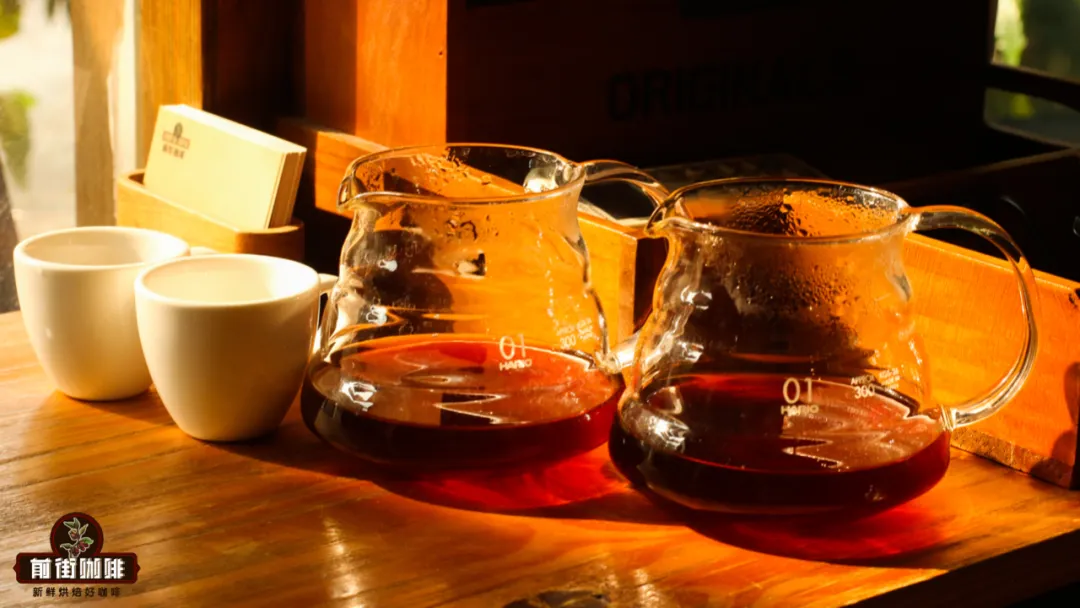
The Front Street PWN Golden Mandheling brewed this way will be higher in concentration than usual, and its taste and mouthfeel won't be easily diluted. At this point, you can add milk at 1.5 times the liquid weight — that is, 180ml of milk — and mix. A milk coffee with excellent mouthfeel and taste is then complete!
On the first sip, you feel the silky mouthfeel brought by the milk — not thin at all, very smooth to drink; in terms of taste, it's very balanced. The milk's sweetness neutralizes the coffee's bitterness without completely covering up the coffee flavor, so besides the milky aroma, you can still taste a clear yet gentle coffee flavor; as for the flavor profile, no need for Front Street to say more — it's milk chocolate, caramel, and hazelnut notes, quite excellent. This shows that even with milk added, pour-over coffee can be very delicious. So there's no need to limit yourself to a certain framework. As Front Street often says, coffee is ultimately just coffee — drink it however you like. What suits you is the best, just follow your own preferences~
- END -
The above content is compiled by CoffeeHunters, a coffee news website.


