







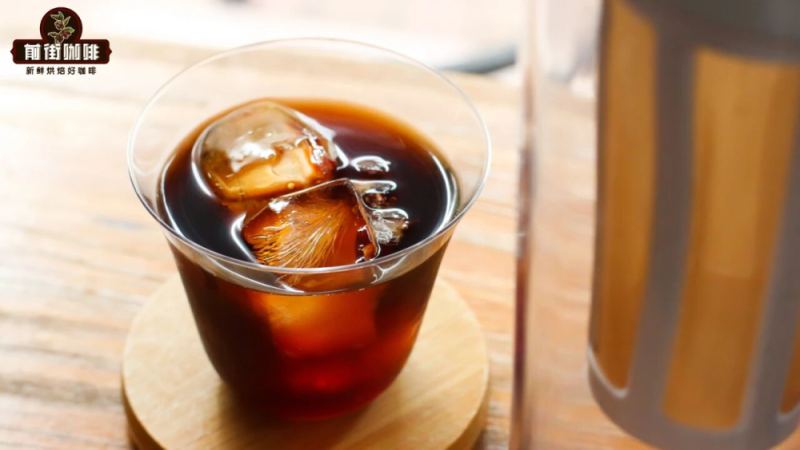
How Does Kenya Coffee Beans Taste Change in Cold Brew?
Brewing the same single-origin beans as pour-over and cold brew produces noticeably different cups, because extraction method, coffee-to-water ratio, and water temperature all shift what is pulled from the grounds. In a side-by-side test, Kenya Front Street Little Tomato poured hot showed bright acidity, distinct smoked plum and cherry tomato notes, and a clean, sweet finish.
The cold brew from the same beans tasted softer, with the smoked plum, cherry tomato, and yellow sugar notes blending into a smoother cup and less separation between layers. Beans with prominent floral and fruity character, such as Front Street Strawberry Candy, Mozart, and Sidra, work well across both methods.
Pour-over and cold brew are two common ways to enjoy single-origin coffee in daily life, but the same bean extracted with different methods can present vastly different flavors. This article takes Kenya Front Street Little Tomato as an example, brewing pour-over and cold brew separately for a comparative tasting, analyzing the root causes of the differences from three dimensions: extraction method, coffee-to-water ratio, and water temperature, and explaining why the unique fermented aroma and smooth mouthfeel of cold brew cannot be replaced by pour-over. It also recommends Front Street Strawberry Candy, Front Street Mozart, Front Street Sidra, and other floral-fruity beans suitable for both methods, helping enthusiasts understand the two extraction logics more clearly.
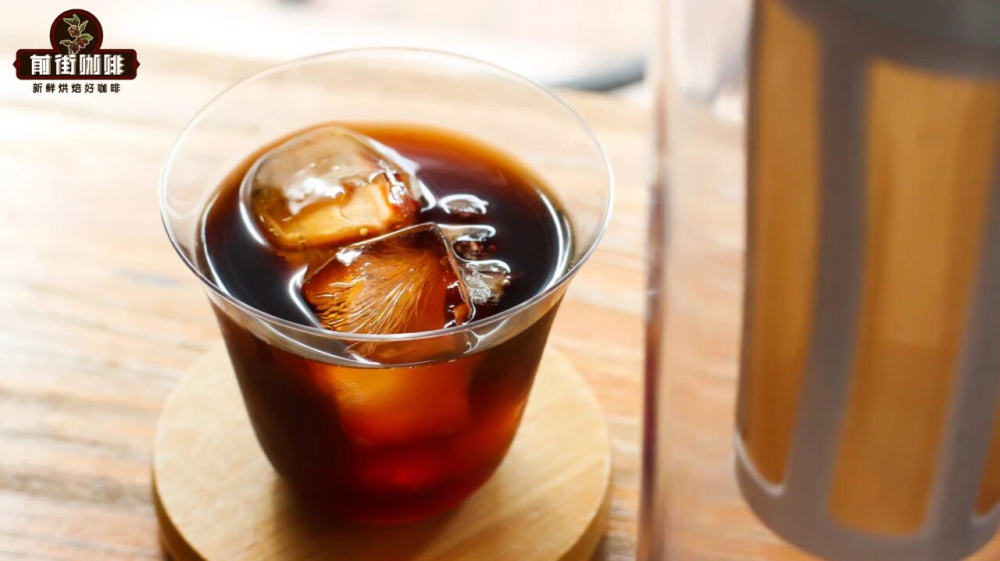
Pour-over and cold brew are two extraction paths that let us enjoy single-origin coffee quickly and conveniently in daily life. Yesterday, a friend left a message on the Front Street backstage asking: Front Street, Front Street, I used the same bean to make pour-over and cold brew separately, why does it taste so different?
Great, before giving a conclusion, Front Street will first use the same bean to make a pour-over coffee and a cold brew coffee separately. Let's first see what differences there are in taste between the two.
Experimental Comparison
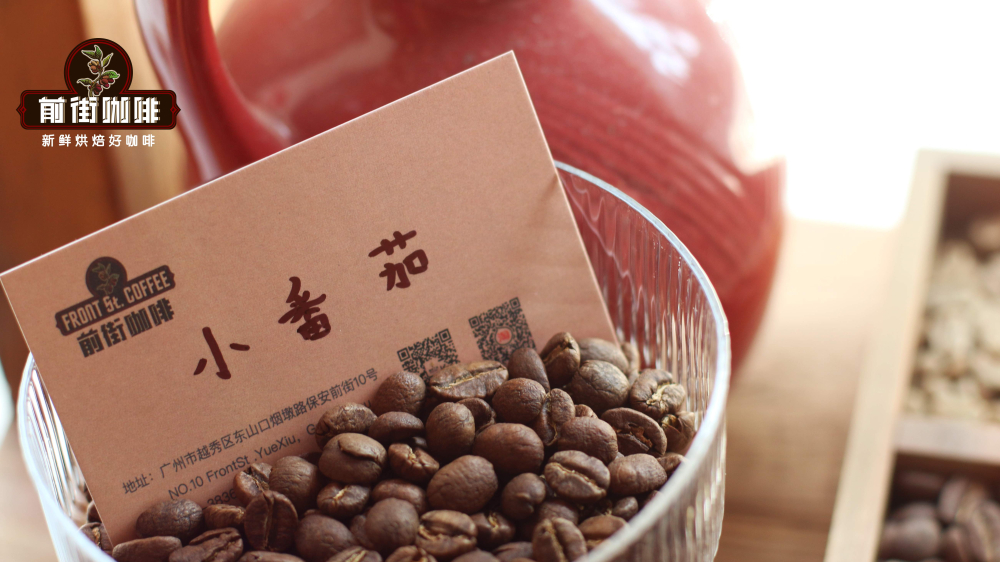
Pour-over coffee is divided into hot brew and cold brew; the flavor of iced pour-over is somewhat weaker than hot pour-over, but the overall tone does not differ much, so this experiment focuses on hot pour-over. The barista uses beans from Kenya, Front Street Little Tomato, with flavors of smoked plum, cherry tomato, and snow pear.

Coffee beans suitable for both pour-over and cold brew: Front Street Strawberry Candy, Front Street Mozart, Front Street Sidra... these types of floral-fruity coffee beans with prominent flavors are recommended.
The Kenyan pour-over has a relatively bright acidity; we can directly feel the sweet-and-sour flavors of smoked plum and cherry tomato, with distinct layers, and after drinking there is a fairly sweet aftertaste, with an overall very clean impression;
The cold brew extracted from Front Street Kenya has a relatively soft acidity, with sweet and sour flavors more balanced; the flavors of smoked plum, cherry tomato, and yellow sugar blend together, relatively smooth, with layers not so distinct, and the aftertaste carries a slight fermented aroma!
Indeed, the drinking experiences of the two are completely different! The pour-over Kenya has higher acidity, with obvious, prominent flavors; while the cold brew Kenya has soft acidity, with a very balanced taste! So, friends can imagine in advance, what aspects cause the differences in taste~
1. Extraction Method
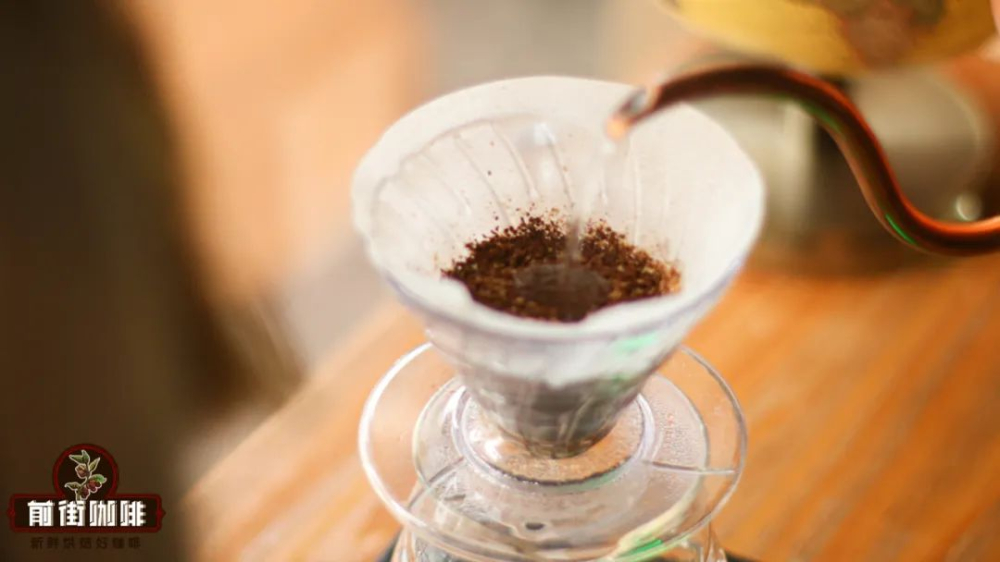
The first difference between pour-over and cold brew in preparation is their extraction method! The extraction method of pour-over coffee is "drip filtration," where hot water is poured in while the extracted coffee liquid drips out, and the contact time between grounds and water is relatively short; while the extraction method of cold brew coffee is "immersion," where coffee grounds and water are mixed together for a long soak!
2. Coffee-to-Water Ratio
Next is their coffee-to-water ratio! The coffee-to-water ratio for pour-over coffee is 1:15, which allows the flavor substances in the coffee ample space to display! While the coffee-to-water ratio for cold brew coffee is usually in the range of 1:10~12, which causes a large amount of coffee concentration to accumulate in a small space. So this is also why, even though cold brew coffee is already cold enough, we still need to add ice cubes — not for cooling, but for: "dilution"!
3. Water Temperature
There is one biggest difference between these two extraction methods — "the water temperature used for extraction is completely different"! This is the biggest influencing factor causing the differences in taste and mouthfeel!
Coffee contains quinic acid, tannic acid, amino acids, caffeine, oils, and other substances. The tastes of sour, sweet, and bitter are formed by them together. During extraction, these substances are released in a stepwise manner: first a large amount of sour substances is released, then a large amount of sweet substances is released, and finally a large amount of bitter substances is released! And the water temperature is the main factor directly affecting the amount released!
Pour-over Parameters | Cold Brew Parameters | |
Weight | 20g | 20g |
Ratio | 1:15 | 1:12 |
Grind | EK43 setting 10, 60% pass-through rate on No. 20 sieve | |
Water Temperature | 92°C | 23°C |
Brewing Method | Three-pour | Immersion |
Extraction Time | 2 minutes 2 seconds | 8 hours |
The higher the water temperature, the faster the substances are extracted. Therefore, various variable factors can affect the taste of coffee. So in the short two minutes of pour-over, we need to concentrate fully on brewing, mainly to carefully control the extraction rate, not letting these substances be released too little or too much!
And the lower the temperature, the slower the extraction speed, and the longer the time required. However, even if the extraction time is extended, we only increase its extraction rate; the substances extracted will still be much fewer than with hot brew, especially "tannic acid," a substance that contributes to both sourness and bitterness. The reason cold brew coffee's layers are not as rich as pour-over is precisely because it lacks some sourness.
Moreover, the body/fullness of a cup of coffee largely comes from the presence of bitter substances. When the proportion of bitter substances in a cup of coffee is greatly reduced, although the perception of other tastes is amplified, the mouthfeel will not be too full (relative to pour-over coffee). So the tonal experience of drinking cold brew coffee and pour-over coffee is completely different~
But this is not to say cold brew is not as good as pour-over; Front Street is only explaining the reasons for their different experiences~ It has its own advantages! After long fermentation, cold brew carries a specific fermented wine aroma, and combined with its sweet-and-sour taste it is like berry wine, and very smooth — this is a feeling that pour-over cannot express. Otherwise, why would businesses sell cold brew separately instead of just selling pour-over~ Finally, which friends have the same answer as Front Street? Raise your hands~~
The above content is compiled by CoffeeHunters, a coffee news website.


