







Does an american coffee machine really make stronger coffee?
An Americano made on an espresso machine with an american coffee machine setup tastes bolder than the same beans brewed as pour-over, but the extraction method is not the main reason. Dose and concentration drive the gap. Front Street Coffee brewed 20g doses both ways and measured Americano concentration at 1.95% versus 1.54% for pour-over.
Filtration precision also plays a role in coffee aroma. An espresso basket lets fine particles and oils through, while filter paper holds them back, adding solidity but not a dramatic scent difference. Pour-over typically uses 15g, espresso baskets require at least 18g, so the extra grounds raise the strength regardless of brew style.
Many coffee enthusiasts notice that when the same beans are used to make an Americano on an espresso machine, the flavor is always more intense and pronounced than with pour-over. The reason behind this is not the extraction method itself, but rather two major variables at play: coffee dose and concentration. Front Street Coffee used a 20g dose to make pour-over and Americano separately, and measured an Americano concentration of 1.95% versus 1.54% for pour-over—a striking difference. This article breaks down in detail the differences in dose, the comparison of liquid volume, and the impact of filtration precision on aroma, and recommends Front Street Strawberry Candy, Huakui, and other medium-roast beans suitable for both methods, helping readers understand the true source of the flavor differences between espresso and pour-over.
Recently, a customer chatting with Front Street while buying beans mentioned a phenomenon: with the same coffee beans, an Americano extracted on an espresso machine always tastes richer and more pronounced than the pour-over version. So he wondered whether espresso machines simply make better coffee, since the aroma is stronger.
It is true that coffee made with an espresso machine is more intense in aroma and flavor than pour-over. But the aroma gap between the two is not as dramatic as everyone imagines—or rather, the difference caused by the extraction method itself is actually limited, because the core difference in extraction methods lies only in the filtration stage.
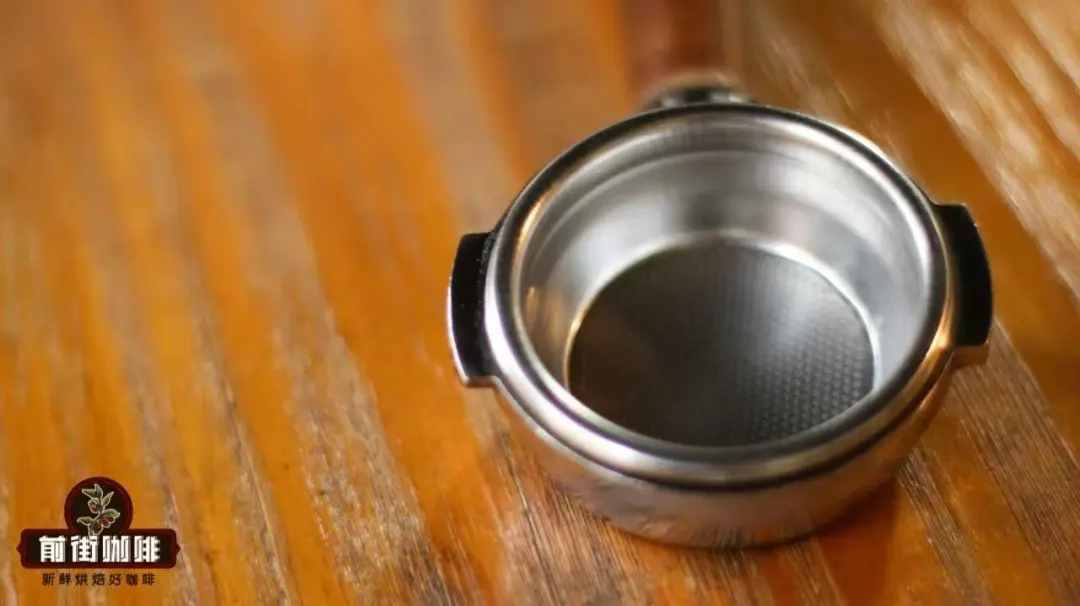
The filtration precision of an espresso machine’s portafilter basket is inferior to that of pour-over filter paper, so some very fine particles and coffee oils can pass through the basket into the cup. As Front Street often says, these substances do enhance coffee aroma, but only to a limited extent.
The reason that friend perceived such a huge difference is not rooted in the extraction method, but in two key factors. The first is coffee dose. A single serving of pour-over coffee usually uses 15g of grounds, while espresso often starts at 18g. This is because espresso baskets have a minimum dose limit; today’s common double baskets require at least 18g, so the minimum espresso dose starts at 18g.
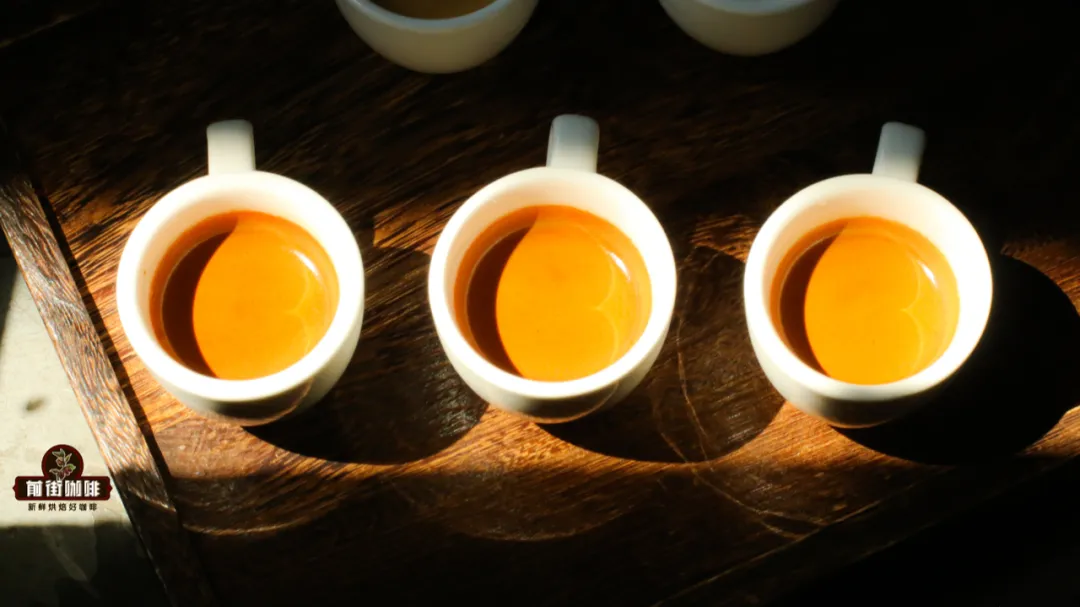
Take Front Street as an example: the pour-over dose is 15g, while the espresso dose is 20g. Assuming the same extraction yield, a 5g difference in dose changes the total amount of coffee substances extracted, thereby affecting flavor and concentration. Simply put, 20g of grounds will inevitably extract more soluble matter than 15g, so espresso coffee naturally tastes richer.
But if the dose is the same—both 20g—and the extraction yield is also the same, will the two taste identical? Most likely not, because the second reason is concentration.
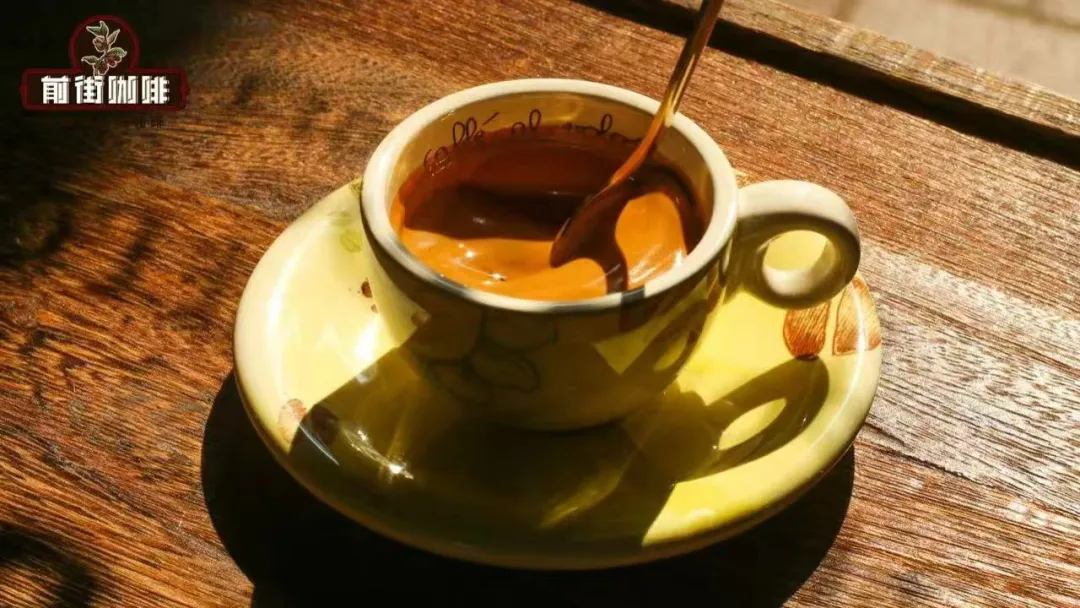
Since Americano is the main object people compare with pour-over, Front Street used Americano and pour-over for comparison. Espresso machines use pressurized extraction, while pour-over is atmospheric-pressure drip filtration. To accommodate both methods, medium-roast beans are the most suitable choice. Recommended are distinctive single-origin beans such as Front Street Strawberry Candy, Front Street Huakui, Front Street Granja Geisha, Front Street Blackberry, and Front Street Queen’s Estate. Here, Front Street sun-dried Huakui is used to make one pour-over and one Americano, both with 20g of beans, and then concentration and flavor are measured separately.
In terms of concentration, the Americano is 1.95% and the pour-over is 1.54%—a clear difference. The same applies to flavor: although both cups have flavor characteristics of berries, citrus, florals, and oolong tea, the Americano has a higher concentration and simply tastes stronger than the pour-over. So the question is: if dose and extraction yield are the same, why is the Americano more concentrated?
It is simple: because the amount of water used differs during preparation. For pour-over, Front Street uses a coffee-to-water ratio of 1:15—20g of grounds with 300ml of hot water, finally yielding about 270ml of coffee. For Americano, Front Street first extracts 40ml of espresso at a 1:2 coffee-to-liquid ratio, then adds 160ml of hot water at a 1:4 ratio, for a total liquid volume of about 200ml.
Looking only at the final liquid volume, the pour-over has 70ml more than the Americano. It is precisely this 70ml difference in liquid volume that causes the difference in concentration and flavor between the two. The Americano has less liquid and a higher concentration, so it tastes richer.
If the Americano’s liquid volume were also increased to 270ml, then under comparable extraction yield, its flavor would be close to the pour-over, because the concentration would also be similar. Although there would still be differences, as Front Street says, the difference lies only in filtration—the Americano is a little more aromatic than the pour-over due to more oils and fine particles, but only a little. If the pour-over filter paper were replaced with lower-precision flannel or non-woven fabric, the aroma would also become similar.
So everyone can understand that espresso coffee usually tastes richer than pour-over, mainly as a result of differences in dose and concentration.
The above content is compiled by CoffeeHunters, a coffee news website.


