







Search Results for: Pacas Variety
Analysis of the Pacamara Coffee Variety in El Salvador: From Its Hybrid Origins of Pacas and Maragogipe to Its Flavor Expression in Guatemala
Pacamara is a precious variety bred by El Salvador's coffee research institute by crossing Pacas with Maragogipe, combining the dual advantages of the sturdy, stress-resistant Pacas and the giant-bean Maragogipe. Since the 19th century, the Pacas family has been deeply involved in the coffee industry, passing down through five generations and witnessing this variety's long journey from its cultivation in 1958 to its gradual promotion only in the late 1980s. This article will guide you through the story of Pacamara's discovery and cultivation, analyzing its flavor characteristics—the interweaving of a creamy mouthfeel, elegant acidity, and chocolate butterscotch sweetness—as well as its botanical features, including a medium-sized tree, large leaves, and elongated oval beans, providing coffee enthusiasts with a comprehensive reference for understanding this variety. [more…]

Tracing the Origin and Analyzing the Flavor of Pacas Coffee Beans: From the El Salvador Bourbon Variety to Honduras Sherry
Pacas is a natural Bourbon mutation originating from El Salvador, later introduced to Honduras where it became an important local cultivar. This article systematically reviews the origin and discovery history of the Pacas variety, introduces the geographical conditions, cultivation history, six major producing regions, and main varieties of Honduran coffee, and provides a detailed review of Front Street Coffee's Honduras Sherry coffee beans—a specialty coffee that blends the Pacas variety and undergoes whiskey sherry cask fermentation, covering its roasting curve and the flavor performance under three brewing methods: V60, KONO, and Japanese iced pour-over. [more…]
A Complete Guide to the Pacamara Coffee Variety: From Its Breeding History in El Salvador to the Brewed Flavor of Front Street Coffee's Guatemala Beans
Pacamara is hailed by many coffee enthusiasts as the "T-Rex" of the bean world. Bred from a cross between Pacas and Maragogype, it boasts an intensely complex flavor profile that combines the juicy character of citrus and red berries with a creamy sweetness and full body. This article begins with the coffee-growing origins of the Pacas family, tracing the discovery of the Pacas variety and how El Salvador's ISIC spent roughly three decades developing Pacamara. It then uses Front Street Coffee's Guatemala Little Blueberry Estate as an example to share information about this bean along with the Hario V60 brewing parameters and techniques commonly used by Front Street Coffee, helping you gain a more complete understanding of this variety's origins and its performance in the cup. [more…]
Flavor Analysis and Full Overview of Region and Variety of Guatemala Cadelas Estate Wine-Process Natural Pacas Coffee
Guatemala, as a representative producing country of high-altitude specialty coffee in Central America, has seven distinctive coffee-producing regions. This article focuses on the Candelas estate in the Jutiapa department, offering an in-depth interpretation of its winey natural-process Pacas variety coffee—from the dried fruit and nut aromas of the green beans, to the orange-like sweet acidity and white grape juice on the palate, and then to the milk chocolate and spice finish in the mid-to-late section. It also systematically reviews the origins and breeding value of the Pacas variety, as well as the overall terroir advantages of Guatemalan coffee. Front Street Coffee presents a complete flavor record of this unique winey natural batch, providing professional tasting reference for coffee enthusiasts. [more…]
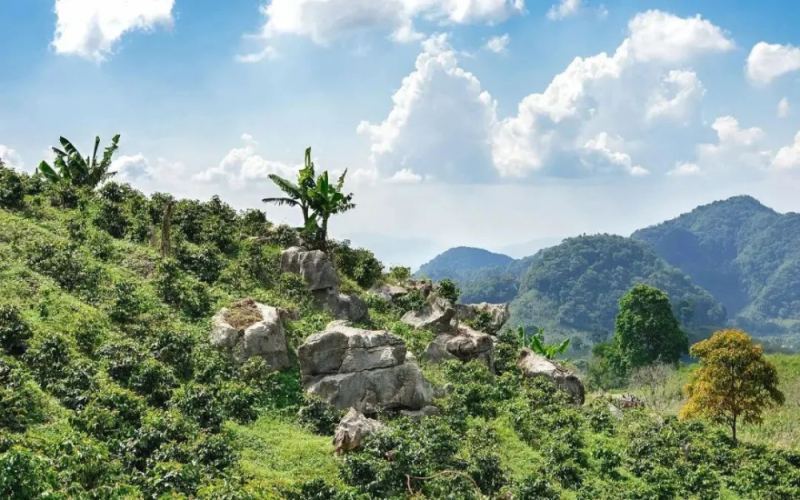
A Complete Analysis of Honduran Coffee Varieties: Characteristics and Origins of Pacas, Lempira, IHCAFE 90, and H3
Honduras, as a major global Arabica coffee-producing country, has a coffee industry strongly driven by the National Coffee Institute (IHCAFE). The varieties cultivated within its borders are rich and diverse, including Bourbon, Caturra, Catuai, Pacas, Lempira, IHCAFE90, H1, and H3, among others. This article will focus on four varieties—Pacas, Lempira, IHCAFE90, and H3—sorting through their origins, genetic backgrounds, cultivation characteristics, and current challenges. At the same time, the article also mentions the Honduras Sherry barrel-processed beans used by Front Street Coffee, and their variety composition and flavor performance are shared as well. [more…]
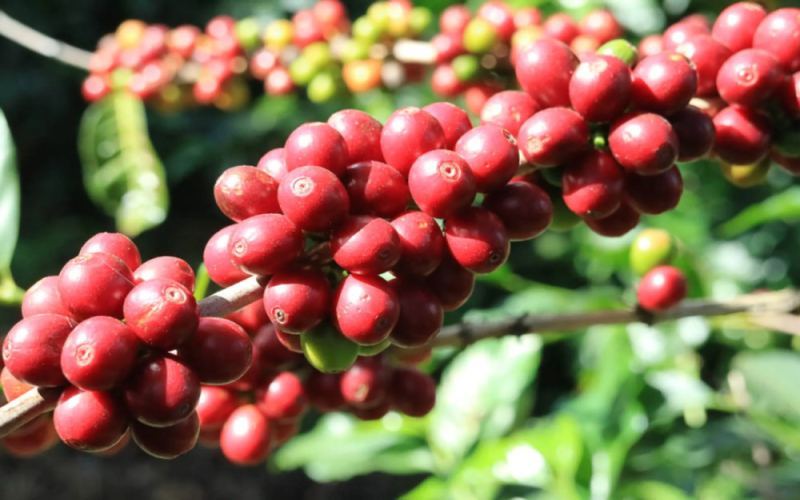
Exploring Sidra and Pacas: The Origins, Characteristics, and Current Cultivation Status of Two Distinctive Coffee Varieties
In the world of specialty coffee, beyond common varieties like Bourbon, Typica, and Caturra, some rare bean varieties are gradually coming into the public eye. Sidra and Pacas are two representatives that have attracted much attention. Sidra originated in Ecuador and rose to fame after winning the World Coffee Championship, and now performs brilliantly in Colombia's Huila region; Pacas is a natural mutation of Bourbon and is widely grown in El Salvador and Honduras. This article will introduce in detail the origins, genetic characteristics, growing conditions, and flavor profiles of these two varieties, and bring a brewing experience of the Sidra coffee beans from Colombia's Finca La Divisa obtained by Front Street Coffee. [more…]
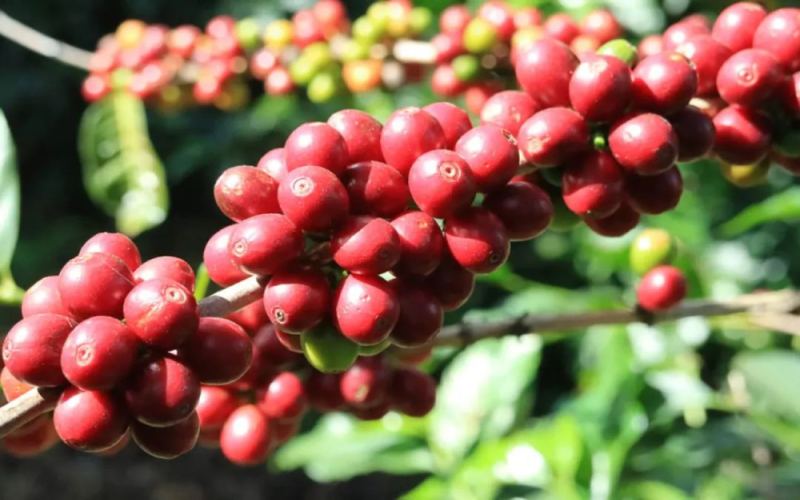
The Four Major Bourbon Coffee Derivatives: A Detailed Guide to Caturra, Villa Sarchi, Pacas, and Bourbon Mayaguez
Bourbon is a coffee variety of exceptional cultural and genetic value within Arabica, known for its high-altitude cultivation and outstanding cup quality, but its low yield and susceptibility to major diseases have led to its gradual replacement in Latin America by derivatives such as Caturra, Catuai, and Mundo Novo. Nevertheless, Bourbon is still cultivated in Brazil, Guatemala, El Salvador, and elsewhere, and many Bourbon-line varieties circulate on the market. This article will introduce, one by one, the origins, botanical characteristics, growing regions, and flavor profiles of four derivative varieties—Caturra, Villa Sarchi, Pacas, and Bourbon Mayaguez—and share Front Street Coffee's corresponding bean recommendations and brewing suggestions. [more…]
A Complete Analysis of Bourbon Coffee Varieties: From Historical Spread to the Flavors of Red, Yellow, Pink, Pointed Bourbon, and Pacas Mutants
Bourbon coffee is one of the oldest varieties in the Arabica family, originating from Réunion Island and enjoying equal fame with Typica. Its cherries ripen to a bright red, and when grown at high altitudes it offers elegant aromas, bright acidity, and often a vinous character. Over centuries, Bourbon spread from the Indian Ocean to Brazil, Central and South America, and Africa, giving rise to numerous variants such as Yellow Bourbon, Pink Bourbon, Pointed Bourbon, and Pacas. This article traces the historical spread of Bourbon, explains the origins, cultivation status, and flavor characteristics of each variant, and retains relevant recommendations from Front Street Coffee, offering a comprehensive look at this classic coffee species. [more…]
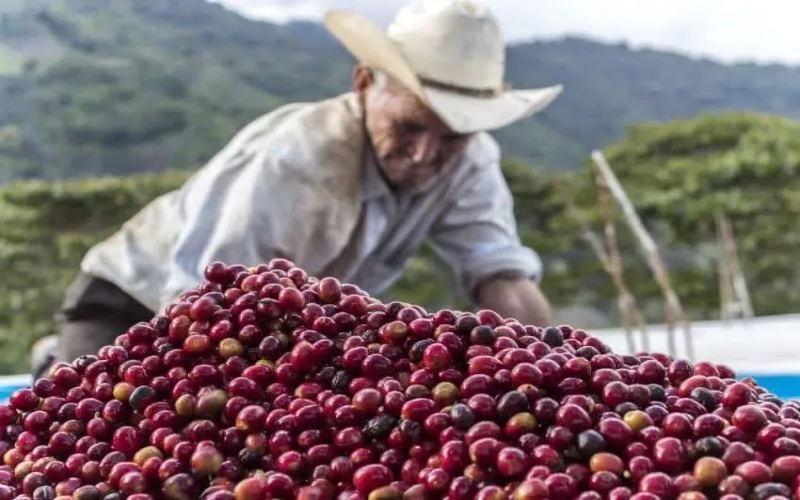
Flavor Analysis of Honduras San Vicente Mill Pacas Coffee Beans and V60 Brewing Parameters Guide
The Copán region of Honduras is renowned for its chocolate-toned profile blended with honey-caramel sweetness, and the San Vicente processing plant is a frequent winner at the Cup of Excellence. The Pacas coffee beans cupped by Front Street Coffee this time come from smallholder Edgardo Tinoco near the San Vicente processing plant; after washed processing, they present a rich layering of black cherry, dark chocolate cake, almond and caramel. This article will sort through information on the Honduran growing region, the background of the San Vicente processing plant, the characteristics of the Pacas variety and the washed processing flow, and share Front Street's roasting records, cupping reports and V60 staged pouring insights, helping coffee lovers fully understand this bean's flavor thread and brewing key points from origin to cup. [more…]
A Complete Analysis of El Salvador's Coffee Regions: The Flavor Codes of the Pacas and Pacamara Varieties
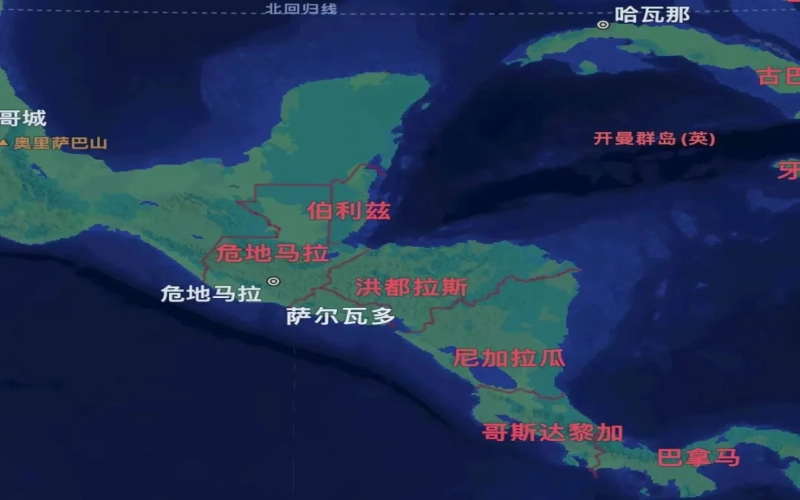
Although El Salvador is one of the smallest countries in Central America by land area and its coffee production is less than that of its neighbors, its volcanic soil, Pacific sea breezes, and high-altitude mountains give rise to specialty coffees with diverse flavors. This article will guide you through El Salvador's geographical and climatic conditions, the distribution of its main coffee-producing regions, and the origins and characteristics of two highly representative varieties—Pacas and Pacamara. Whether you are a coffee enthusiast just getting started or a seasoned connoisseur looking for your next bag of beans, you will gain practical knowledge about this producing region. [more…]
A Complete Guide to El Salvador's Coffee Regions: Bourbon, Pacas, and Pacamara Flavors and Pour-Over Parameters
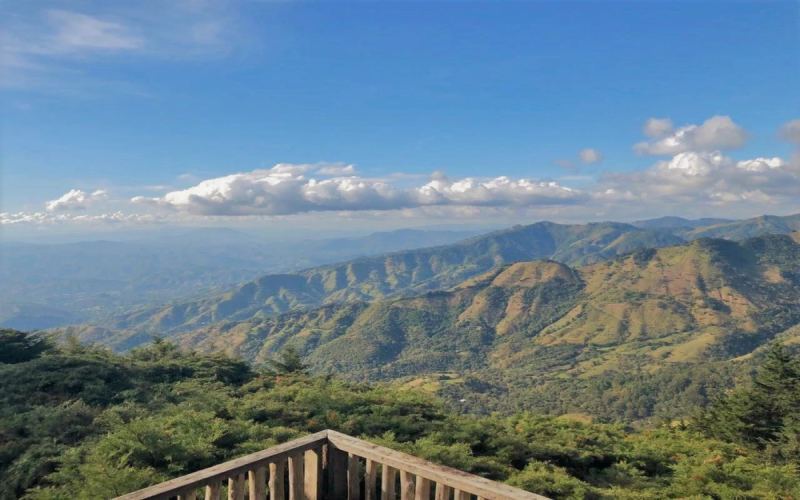
Although El Salvador is the smallest country in Central America by area, it has nine major coffee-producing regions and a rich diversity of variety resources. From its introduction in the 18th century to the present day, the coffee industry has weathered the shift away from indigo, the impact of civil war, and the onslaught of leaf rust, and is now known in the specialty coffee world for Bourbon, Pacas, and the hybrid variety Pacamara. This article will guide you through the historical development, main producing regions, and varietal characteristics of Salvadoran coffee, and, using Pacamara as an example, share Front Street Coffee's pour-over extraction parameters and flavor experience—ideal for coffee enthusiasts who want to gain a deeper understanding of the unique charm of this Central American producing country. [more…]
The Complete Guide to the Bourbon Coffee Family: Detailed Explanation of Red Bourbon, Yellow Bourbon, Pink Bourbon, and the Rare Pointed Bourbon Variety
Bourbon coffee is a classic, long-standing variety within the Arabica species, equally renowned as Typica, and has given rise to multiple branches such as Red Bourbon, Yellow Bourbon, and Pink Bourbon. This article systematically reviews the origin, spread, variety characteristics, and flavor profiles of Bourbon coffee, covering the rich sweetness of Red Bourbon, the bright high acidity of Yellow Bourbon, the rare pink cherries of Pink Bourbon, and the nearly extinct Pointed Bourbon. It also introduces natural mutations such as Pacas and mentions Front Street Coffee's everyday bean recommendations, providing coffee enthusiasts with comprehensive variety knowledge. [more…]
Pacamara: How a Salvadoran Hybrid Became a Strong Rival to Geisha, and How It Differs from Sidra and Java
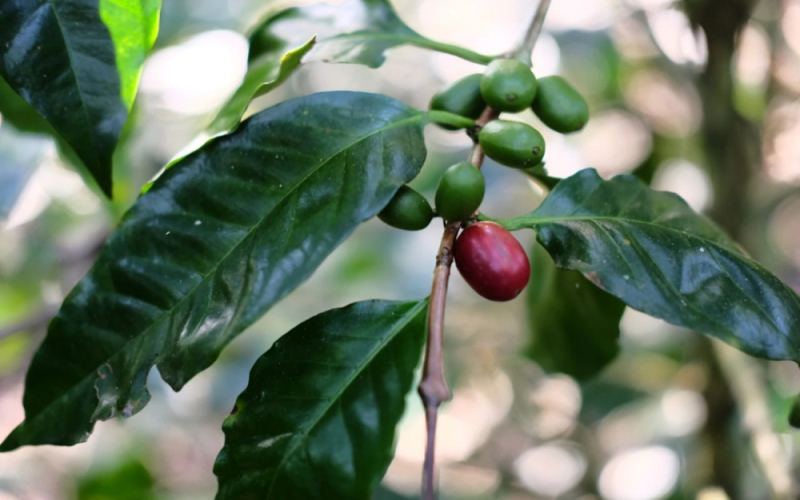
Pacamara is a hybrid variety born in El Salvador in 1958, created by combining two major varieties: Pacas and Maragogype. Although it boasts exceptionally large beans akin to elephant beans, it languished for half a century due to low yield and processing difficulties, until 2007 when it swept the Cup of Excellence double championship and defeated Geisha, earning the title of "Geisha's rival." This article reviews its complex lineage, tumultuous journey, and flavor advantages, and explores whether it surpasses Sidra and Java. Front Street Coffee takes you deep into this legendary variety. [more…]
A Complete Guide to Bourbon Coffee Beans: From Red, Yellow, and Pink to Pointed Bourbon—Varietal Characteristics, Spread History, and Price Reference
Bourbon coffee beans are one of the oldest varieties of the Arabica species, originating from Réunion Island (formerly known as Bourbon Island) and arising as a mutation of Typica. After centuries of spread and natural mutation, the Bourbon family has given rise to numerous varieties of different colors and forms, including Red Bourbon, Yellow Bourbon, Pink Bourbon, and Pointed Bourbon. This article will systematically review the origin and spread of Bourbon coffee, explain in detail the discovery process, flavor characteristics, and current cultivation status of each variety, and introduce the taste performance and brewing suggestions of the Bourbon series products under Front Street Coffee, helping coffee enthusiasts gain a comprehensive understanding of this classic variety. [more…]
Pacamara Coffee Full Analysis: Hybrid Lineage, Maragogype Genes, and the Road to Cup of Excellence Glory
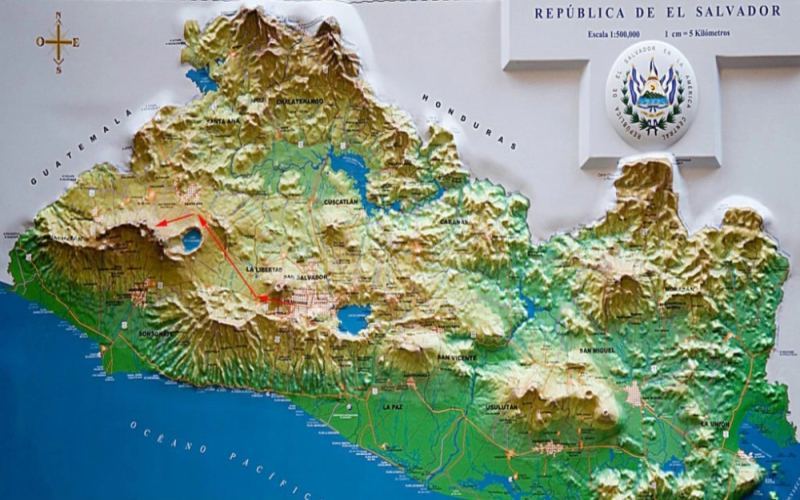
Pacamara is a hybrid variety born in 1958 at the Salvadoran Coffee Research Institute, created by crossing the Bourbon variant Pacas with the Typica variant Maragogipe (Elephant Bean). It inherited the large-bean genes of the Elephant Bean, but because its beans were too large, green bean processing became difficult and yields were low, leaving it dormant for nearly half a century. It was not until 2007 that Pacamara won dual championships at the Cup of Excellence in Guatemala and Honduras, and swept the top three places in El Salvador, defeating many Geisha coffees in one stroke, and has since been hailed as the "Geisha rival." This article will guide you through Pacamara's complex lineage, processing challenges, and how it rose to the specialty coffee stage with its rich and varied flavors. [more…]
Salvadoran Coffee Bean Origin Characteristics and Flavor Analysis: The Specialty Path from Bourbon and Pacas to Pacamara
Although El Salvador is the smallest country in Central America, it has nine major coffee-producing regions and a rich history of cultivation. From the introduction of coffee in the 18th century, to becoming a major exporter in the 20th century, and then suffering severe blows from civil war and leaf rust, Salvadoran coffee has experienced dramatic ups and downs. Today, Bourbon and Pacas remain the main varieties, while Pacamara has become a regular in the COE with its large beans and excellent flavor. Front Street Coffee takes you through the producing regions, varieties, and flavor characteristics of Salvadoran coffee, and shares brewing suggestions and tasting notes for Pacamara coffee beans. [more…]
Bourbon Coffee Beans: Relationship with Arabica, Flavor Characteristics, and Major Global Producing Regions
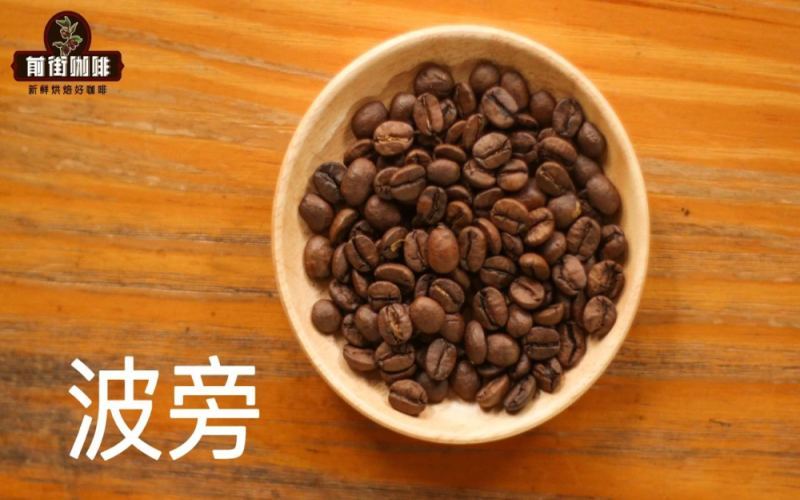
Bourbon coffee is one of the oldest varieties within the Arabica species. It is as renowned as Typica, yet it has broader leaves and higher yields. It originated in Yemen, takes its name from Réunion Island, and produces short, round, dense fruit with prominent sweetness, bright acidity, and flavors reminiscent of cocoa and brown sugar. From the Cerrado region of Brazil to Central America, and from Red Bourbon and Yellow Bourbon to the rare Pink Bourbon and Pointed Bourbon, this variety occupies an important place in the global specialty coffee landscape. Among Front Street Coffee's everyday drinking beans is a Red Bourbon from Brazil. This article will systematically sort through Bourbon coffee's varietal origins, spread, flavor profile, and main producing regions, giving you a comprehensive understanding of this classic bean in the Arabica family. [more…]
A Complete Guide to Honduran Coffee: Six Major Regions, Grading System, Bean Characteristics, and Front Street Coffee's Top Picks
Honduras is the largest coffee-producing country in Central America and a major global exporter of washed Arabica beans. Coffee here is known for its exotic spice-like aromas, rich nutty and chocolatey finish, and balanced complexity. Since its introduction in the late 18th century, Honduran coffee has gone through a tortuous journey from lagging behind to rising, and today it has six major regions including Copán and Opalaca, as well as a strict grading system based on altitude and defect rate. This article will give you a comprehensive understanding of Honduras coffee's geographical conditions, development history, regional distribution, processing methods, and main varieties, and introduce specialty coffee beans selected by Front Street Coffee, such as Sweet Orange Estate, Mocha Estate Sherry, and Lychee Orchid. [more…]
A Complete Analysis of Salvadoran Coffee Bean Origins: From Historical Changes to the Flavor of Bourbon and Pacamara Varieties
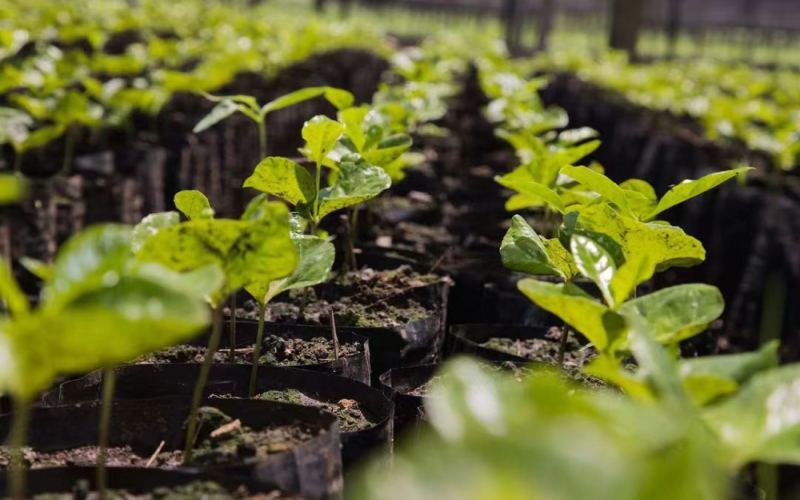
Although El Salvador is a small country, it occupies an important position on the coffee map of Central America. Here, there is both the delicate acidity and sweet balance nurtured by volcanic fertile soil, as well as a tumultuous history of dye substitution, land reform, and the ravages of leaf rust. Front Street Coffee has long been deeply involved in estates across multiple producing regions in El Salvador, accumulating a large number of flavor samples through roasting and cupping. This article begins with the coffee story of El Salvador, sorting out its growing conditions, the characteristics of nine major producing regions, and the main varieties (Typica, Bourbon, Pacas, Pacamara), and includes Front Street's roasting and brewing approach for the Santa Ana Chocolate Lover, taking you through a comprehensive understanding of the coffee charm of this "Volcano Country." [more…]
The Historical Context, Main Varieties, and Flavor Analysis of Pacamara in El Salvador's Coffee Regions
As the smallest country in Central America, El Salvador nonetheless boasts a rich diversity of coffee-producing regions and impressive specialty coffee performance. From its introduction in the 18th century to the present day, the coffee industry here has weathered the transition from the indigo economy, the impact of civil war, and the leaf rust crisis, while also giving rise to representative varieties such as Bourbon, Pacas, and Pacamara. Front Street Coffee will guide you through the rise and fall of El Salvador's coffee, exploring the distribution of its nine major producing regions and variety structure, and using a Pacamara washed bean from the Sonsonate Izalco region as an example to provide pour-over parameters and flavor descriptions, helping you gain a more systematic understanding of this country's coffee characteristics. [more…]