








What Makes Pacas Coffee Beans Distinct in a Blend?
Pacas is a natural Bourbon mutation first identified in El Salvador and later planted widely in Honduras, where it became an important cultivar. In Front Street's Honduras Sherry beans, Pacas is part of the blend and brings floral notes, bright acidity, and soft fruit. Whiskey sherry barrel fermentation then adds a full wine aroma that shows most clearly while the coffee is hot.
Honduras has around 280,000 hectares of plantation coffee beans, mostly on small farms under 3.5 hectares that together produce about 60 percent of national output. Coffee arrived from El Salvador, and the industry grew quickly after Brazilian frosts in 1975 cut global supply. Brewed in a V60, KONO, or Japanese iced pour-over, Sherry keeps its wine aroma even as it cools to room temperature.
Pacas is a natural Bourbon mutation originating from El Salvador that later spread to Honduras and became an important local cultivar. This article systematically reviews Pacas's varietal origins and discovery history, introduces Honduras's coffee geography, cultivation history, six major regions, and principal varieties, and provides a detailed tasting of Front Street Coffee's Honduras Sherry coffee beans—a distinctive coffee blending the Pacas variety and fermented in whiskey sherry barrels, covering its roasting curve and flavor performance under three brewing methods: V60, KONO, and Japanese-style iced pour-over.
Pacas belongs to the Bourbon family as a natural hybrid offspring, originally from El Salvador and later introduced to Honduras. Among the whiskey barrel-processed Sherry coffee beans produced by Front Street Coffee, the Pacas variety is blended in, presenting floral notes and bright acidity, with a soft fruity acidity and a very full wine aroma detectable during cupping. After Sherry is brewed, the whiskey aroma is especially prominent, most vivid at higher temperatures, and as it cools to room temperature the acidity becomes more active, yet the wine aroma does not dissipate—undoubtedly bringing Sherry a richer sense of layering, with intertwined acidity and aroma, mellow and captivating.
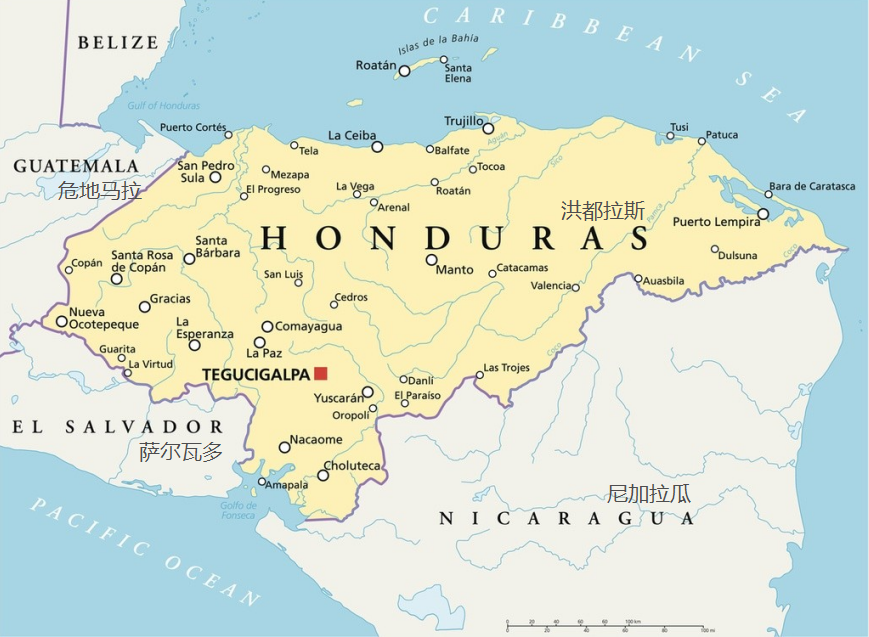
Honduras is located in northern Central America, facing the Caribbean Sea to the north, bordering the Pacific's Gulf of Fonseca to the south, adjacent to Nicaragua and El Salvador to the southeast, and neighboring Guatemala to the west, with terrain dominated by mountains and plateaus. The country has a tropical climate with suitable temperatures and abundant rainfall, highly suited to the growth needs of coffee trees.
In terms of coffee production, Honduras's natural conditions are no inferior to neighboring producing countries such as Guatemala and Nicaragua. Honduras's national coffee planting area reaches 280,000 hectares, dominated by small farms, with most coffee plantations less than 3.5 hectares, and these small farms contribute 60% of the nation's total coffee output.
Coffee Cultivation History
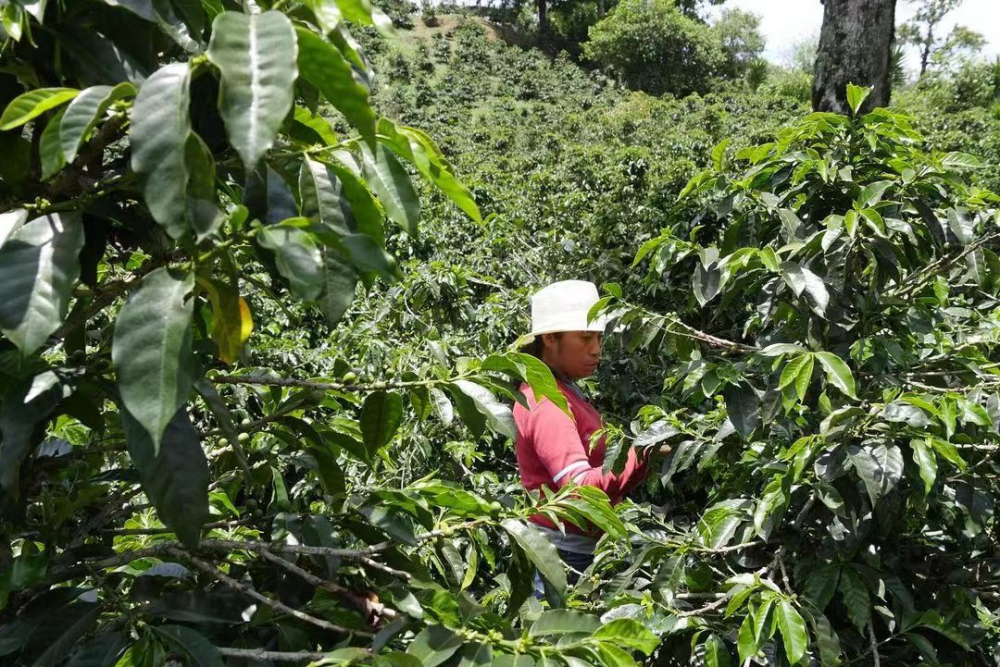
Honduras's coffee was initially introduced from El Salvador. The early coffee industry was lukewarm until 1975, when Brazil suffered severe frost and coffee production plummeted sharply; Honduras seized this opportunity to rise rapidly, with production surging from 500,000 bags to 1.8 million bags, all snapped up by the market. Since then, Honduras's coffee production truly got on track. Today the country ranks second in Central America for coffee exports (after Guatemala), mainly sold to the United States and Germany. Six Major Coffee Regions
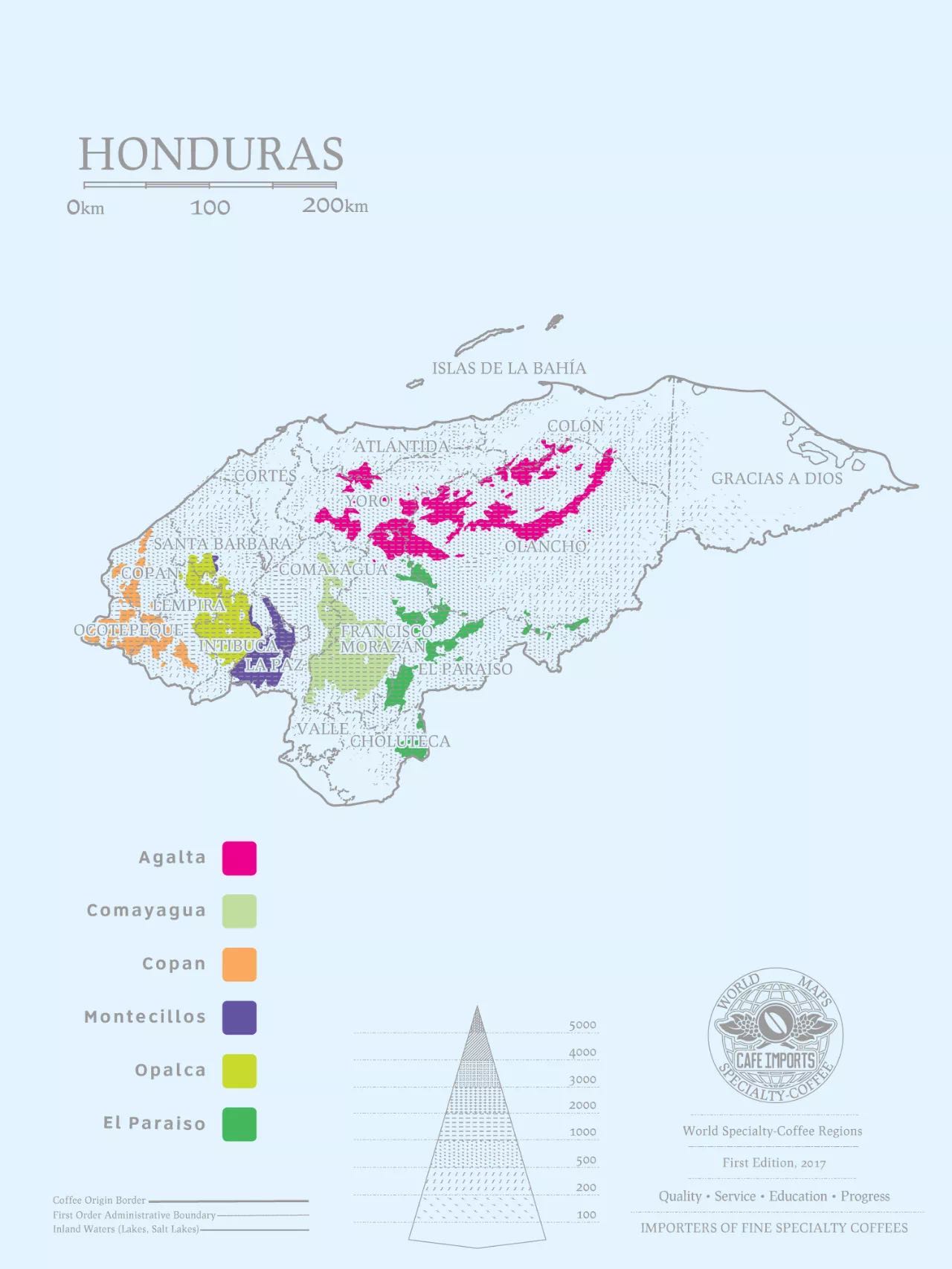
Honduran coffee can be divided into six major regions, concentrated in the west and south: Copan, Opalaca, Montecillos, Comayagua, Agalta Tropical, and El Paraiso, with an average planting elevation above 1,100 meters.
Coffee Varieties
The vast majority of coffee grown in Honduras is Arabica, with main varieties including Bourbon, Caturra, Catuai, Typica, and derived varieties such as Pacas.
Bourbon Mutation: Pacas
Pacas is a natural mutation of Bourbon, similar to Brazil's Caturra and Costa Rica's Villa Sarchi. Like other widely planted Bourbon mutations, Pacas formed through a single-gene mutation, a trait that gives it a key advantage: plants can be planted at higher density, thereby increasing yield per unit area. Pacas is a natural hybrid of Bourbon and Caturra, featuring bright floral characteristics and a mellow mouthfeel.
How long has the Pacas family grown coffee?
Pacamara was bred and promoted by the Pacas family, a family with deep ties to coffee, engaged in coffee cultivation since the 19th century. The first in the family to start growing coffee was Jose Rosa Pacas, who purchased land in El Salvador's Apaneca Lamatepec mountain range and planted Bourbon coffee trees, thus beginning the family's coffee business. Currently the Pacas family has passed to its fifth generation, still continuing operations and expanding business.
Pacas was first discovered in 1949 in El Salvador's Santa Ana region by the Pacas family. Fernando Alberto Pacas Figuero noticed some plants with distinctive morphology at the family estate Finca San Rafael, then began collecting seeds and conducting selection, and later established about 3/4 hectare of Pacas "pioneer nursery."
In 1956, Francisco de Sola and Fernando's son Fernando Alberto Pacas Trujillo, with the assistance of University of Florida professor William Cogwill, began research on Pacas. They compared San Ramon's Bourbon with an "unknown" new variety that exhibited completely different characteristics, with plant morphology also different from Bourbon—shorter internode spacing and larger fruiting zone area. Ultimately, they officially named the variety "Pacas."
【FrontStreet Coffee Honduras · Sherry Coffee Beans】 Region: Marcala Estate: Moca Estate Elevation: 1500-1700m Varieties: Caturra, Catuai, Pacas Processing: Fine washed whiskey sherry barrel fermentation
【FrontStreet Coffee Roasting Display】
Bean charging temperature: 190℃, turning point: 1'42", 97.5℃, yellowing point: 5'25", 151.8℃, first crack: 9'07", 184.2℃, development after first crack 2'10, discharged at 195℃.
【Different Brewing Methods】 1. Hario V60
This bean showed a distinct vanilla cream aroma during cupping. FrontStreet Coffee chose the Hario V60 for brewing to highlight its sweetness. The V60 dripper has a faster flow rate, enabling the extracted coffee to have clear layers and prominent aroma.
Parameters: Water temperature 90℃, powder-to-water ratio 1:15, medium-fine grind (BG 5R: 80% passing through China standard No. 20 sieve), use about twice the powder weight in water (30g) to wet the bed for blooming, end blooming when the bed goes from wet to dry, about 30 seconds, pour in a small stream at the center to 125g for a stage, when the water level drops and is about to expose the bed continue pouring to 225g to finish, remove the dripper when the water level drops and is about to expose the bed. (Timing starts at blooming) Extraction time is 1 minute 40 seconds.
Flavor: Viscous mouthfeel, with berry acidity, vanilla and dark chocolate flavors, wine aroma finish and sugarcane sweet aftertaste, with overall distinct flavor layers.
2. KONO
The Sherry bean overall performs fairly balanced with prominent sweetness, so FrontStreet Coffee chose the KONO dripper for brewing. The KONO dripper's ribs are shorter; after the filter paper absorbs water it clings tightly to the wall, thus limiting exhaust space, obstructing air flow, prolonging the water absorption time of coffee particles, and slowing the flow rate. The coffee grounds are in a soaking state, making the extracted coffee more balanced.
Parameters: Water temperature 90℃, powder-to-water ratio 1:15, medium-fine grind (80% passing through No. 20 standard sieve), use about twice the powder weight in water (30g) to wet the bed for blooming, end blooming when the bed goes from wet to dry, about 30 seconds, pour in a small stream at the center to 125g for a stage, when the water level drops and is about to expose the bed continue pouring to 225g to finish, remove the dripper when the water level drops and is about to expose the bed. (Timing starts at blooming) Extraction time is 1 minute 58 seconds.
Flavor: Soft citrus acidity and purple fruit flavors on entry, toffee and vanilla sweetness mid-palate, wine aroma and chocolate flavors in the finish.
3. Japanese-Style Iced Pour-Over
So-called Japanese-style iced pour-over simply means adding ice cubes to the server, brewing with hot water, and the coffee liquid drips onto the ice and cools rapidly, achieving an iced effect. FrontStreet Coffee uses V60 for brewing.
Parameters: Water temperature 90℃, powder-to-water ratio 1:10 (ratio of hot water to powder), medium-fine grind (80% passing through No. 20 standard sieve), add 100g ice cubes in the server. Powder amount 15g, use about twice the powder weight in water (30g) to wet the bed for blooming, end blooming when the bed goes from wet to dry, about 30 seconds, pour in a small stream at the center to 100g for a stage, when the water level drops and is about to expose the bed continue pouring to 150g to finish, remove the dripper when the water in the dripper is fully drained. (Timing starts at blooming) Extraction time is 1 minute 41 seconds.
Flavor: Fermented aroma and tropical fruit aromas on the nose, citrus, vanilla, and nut flavors on entry, oolong tea finish.
The above content is compiled by CoffeeHunters, a coffee news website.


