







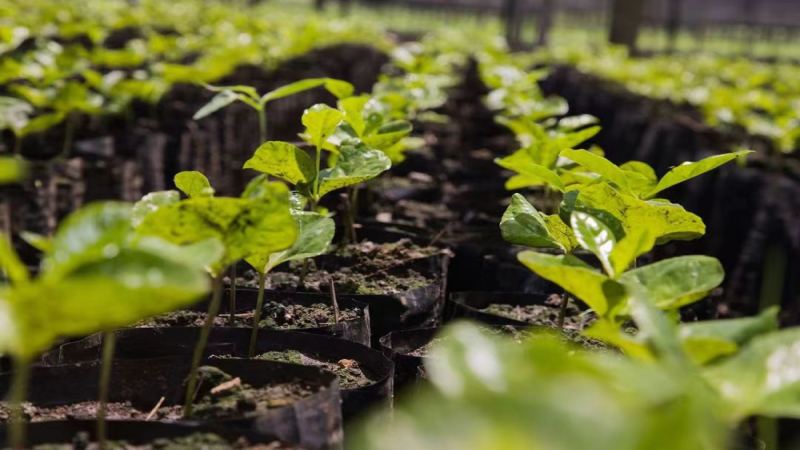
Although El Salvador is a small country, it occupies an important position on the coffee map of Central America. Here, there is both the delicate acidity and sweet balance nurtured by volcanic fertile soil, and a turbulent history of dye replacement, land reform, and the ravages of leaf rust. Front Street Coffee has long been deeply involved in multiple producing regions and estates in El Salvador, accumulating a large number of flavor samples through roasting and cupping. This article begins with El Salvador's coffee story, sorts out its growing conditions, the characteristics of its nine major producing regions, and its main varieties (Typica, Bourbon, Pacas, Pacamara), and also includes Front Street's roasting and brewing approach for Santa Ana Chocolate Lover, taking you through a comprehensive understanding of the coffee charm of this "Land of Volcanoes."
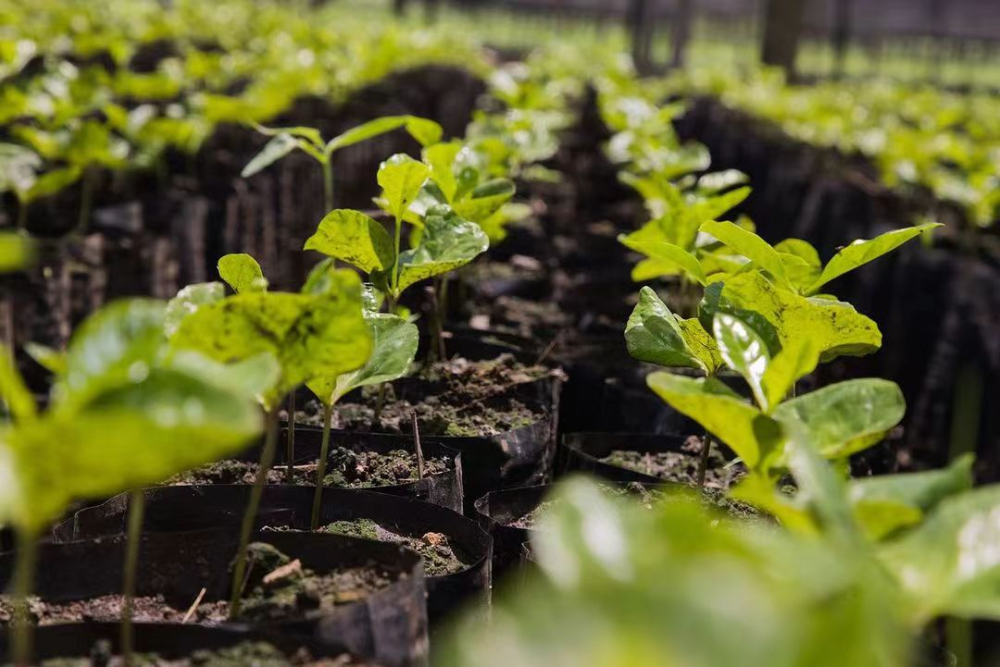
Front Street Coffee has been searching for coffee beans among various producing regions and estates in El Salvador. Through repeated roasting, cupping, and pour-over comparisons, it has summarized the overall characteristics of Salvadoran coffee: delicate and gentle acidity, prominent sweetness, and a balanced mouthfeel. Friends who follow Front Street's official account or often visit the Guangzhou store should have already seen many Salvadoran beans shared by Front Street. This time, Front Street has compiled Salvadoran coffees from different origins in one collection to share with everyone.
El Salvador's Coffee Story
As early as the mid-18th century, coffee cultivation had already appeared in El Salvador.
By the 19th century, the advent of chemical dyes forced El Salvador to abandon the indigo plant, the cash crop it had originally relied on, and instead develop coffee, which also became the starting point of the country's coffee industry.
In the past, the land used for growing indigo was held by a small number of large estate families, while coffee cultivation required finding other land. These families joined forces with the government to push legislation forcing poor farmers off their land and incorporating those areas into new coffee plantations. At the time, there was no compensation at all, and the poor could only obtain seasonal labor opportunities.
By 1930, coffee already accounted for more than ninety percent of El Salvador's total exports. Even after experiencing two world wars and global economic depression, El Salvador still remained among the top coffee producers. It was not until after the end of the civil war in the 1980s that land reform reversed the old policies and broke the large estate system. Although land was redistributed to growers, the government still retained control, stipulating that no farmer could own more than 245 hectares of land. This reform is still in effect today, and currently more than ninety percent of the country's coffee production comes from small farmers with less than 20 hectares of land.
However, between 1997 and 2001, Salvadoran coffee prices fell sharply. According to ICO data, the country's production decreased by more than 34% during those years.
In addition to long-term political and price factors, leaf rust broke out in El Salvador in 2013, causing production in the 2014 harvest season to plummet by nearly 60%. The reason was that at the time only 3% of the coffee trees planted in El Salvador were rust-resistant varieties, while the rest were mostly Bourbon and Pacas, which have weaker disease resistance.
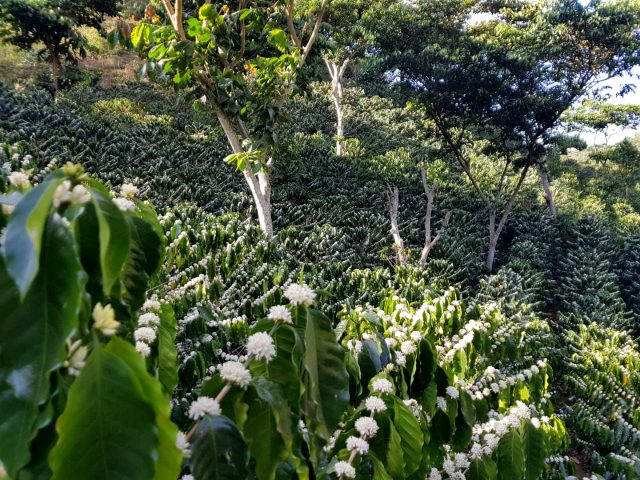
After 2014, although various private and government aid projects increased annual production by 7.5%, there is still a large gap from the past scale of 2.4 million bags.
In 2016, El Salvador's Ministry of Agriculture launched a new plan to distribute 20 million rust-resistant plants to small farmers in order to further revitalize the coffee industry.
At the end of 2017, the Salvadoran government signed a political agreement proposing to invest US$100 million over the next eight years to renovate 70,000 hectares of land planted with rust-resistant varieties. But the report pointed out: "The main problem is that most seedlings are uncertified, and before the plants reach productive age, there are no funds for the necessary maintenance." At the same time, World Coffee Research established its Central American headquarters in El Salvador, has already carried out multiple research projects, and operates a 7-hectare research farm near Santa Ana.
El Salvador Coffee Bean Growing Conditions
Geographically, El Salvador is sandwiched between Honduras and Guatemala, borders the Pacific Ocean to the south, and is mainly mountainous and plateau terrain. The country is known as the "Land of Volcanoes." The volcanic zones are rich in minerals, and the soil is high-quality and fertile, very suitable for coffee tree growth. Most Salvadoran coffee farms use shade cultivation, and the harvest season is from November to April of the following year.
At present, El Salvador has a total of 23,000 coffee growers, of whom nearly 90% own farms smaller than 17 hectares. The planted area of small and medium-sized farmers accounts for 80% of the country's total production. In addition, about 15,000 small farmers have formed 119 cooperatives, providing economic and social support for member families.
Salvadoran coffee cultivation is mainly dominated by small farmers. Farmer classifications are as follows: Small producer, small producer, area less than 7.0 hect; Medium producer, medium producer, area between 7.0-70hect; Large producer, large producer, area greater than 70hect. Note: 1 hect hectare = 10,000 square meters = 15 mu
El Salvador Coffee Bean Producing Regions
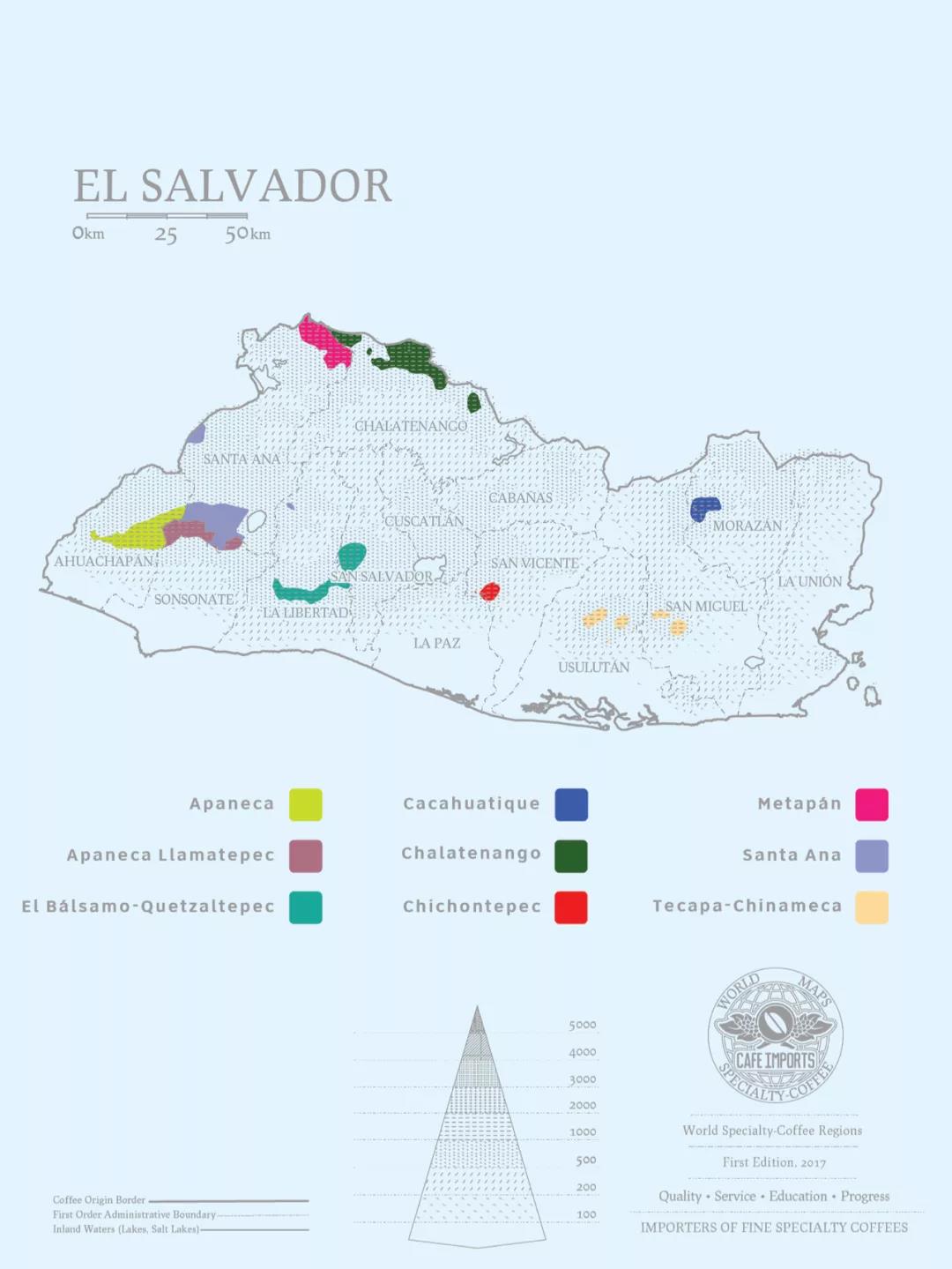
El Salvador has nine major coffee producing regions, as follows:
Apaneca is located in western El Salvador Coffee flavor: with excellent aroma
Apaneca Llamatepec is located in the mountainous area of western El Salvador Coffee flavor: the coffee has flavors of peach, cream, and chocolate, with slight citrus acidity and a delicate mouthfeel
El Salvador Lemus Estate Region: Apaneca-Ilamatepec mountain range Estate: Finca Lemus Bella Vista Altitude: 1,250 meters Variety: Bourbon, Catuai Processing method: black honey processing Grade: SHB Flavor: citrus, berries, grape, cocoa, balanced
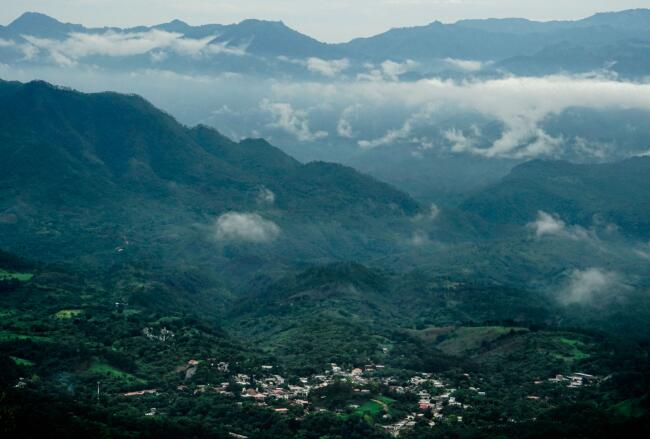
El Balsamo-Quetzaltepec is located in the mountainous area of southwestern El Salvador Coffee flavor: with creamy flavor, excellent body, and smooth mouthfeel
Cacahuatique is located between San Miguel Department and Morazan Department Coffee flavor: with delicate fruity flavor and almond aroma
Chalatenango is located in northern El Salvador Coffee flavor: soft slight acidity, obvious sweetness, nutty chocolate, dense mouthfeel
Chichontepec is located in central El Salvador Coffee flavor: with chocolate sweetness and orange aroma
Metapan is located in northern El Salvador Coffee flavor: floral flavor, with chocolate, citrus, and a special sour caramel sweetness neutralizing it, obvious fruity flavor
Santa Ana is located in western El Salvador Coffee flavor: aromatic flavor with slight soft acidity, good balance, smooth creamy chocolate flavor
El Salvador Santa Ana Chocolate Lover Region: Santa Ana Estate: El Guayabo Altitude: 1450m Variety: Bourbon Processing method: 50% washed + 50% honey processing Grade: SHB Flavor: cocoa, caramel, cream, soft fruit acidity, berry finish
Tecapa-Chinameca is located in the area between San Miguel city, the Lempa River, and the Grande River Coffee flavor: the coffee has a rich mouthfeel, with chocolate and the sweetness of ripe fruits such as cantaloupe, apple, and grape
El Salvador Coffee Varieties
The main coffee varieties grown in El Salvador are Typica, Bourbon, Pacas, and Pacamara.
Typica is the oldest native variety from Ethiopia. Typica has bronze-colored tips, oval or slender-pointed beans, and elegant flavor, but it is relatively weak, has poor disease resistance, and low yield. High-quality coffee beans such as Jamaica Blue Mountain, Sumatra Mandheling, and Hawaii Kona all belong to Typica.
Bourbon is a variant after Typica was early transplanted to Yemen, and the bean shape changed from slender-pointed to round. In 1715, France transplanted the round beans of Yemen Mocha to Bourbon Island off the east coast of Africa (renamed Reunion Island after the French Revolution), and only afterward did it get the name Bourbon. Bourbon round beans were introduced to Brazil and Central and South America in 1727. In 1732, Britain transplanted Yemen Mocha to Saint Helena Island (the place where Napoleon was later imprisoned), which was also Bourbon round beans. Bourbon has repeatedly achieved excellent results in American specialty coffee cupping.
Pacas is a Bourbon variant discovered in El Salvador. In 1935, Salvadoran coffee farmer Pacas selected the high-yielding San Ramon bourbon variety and moved it to his farm for planting. In 1956, a friend discovered that the Bourbon on his farm produced more fruit than the same kind of coffee trees, so he invited a professor from the University of Florida to come and identify it. It was confirmed that a genetic mutation had occurred in Bourbon, and the new variety was named "Pacas" after the farm's evaluation name. Because of its high yield and good quality, Pacas is quite popular in Central America.
Pacamara was first bred by researchers in El Salvador in 1958, perfectly inheriting the advantages of its parent plants (Pacas and Maragogipe). It has both the excellent mouthfeel of the Pacas variety, and the raw beans also inherit the large size of Maragogipe, with bean size at least 70%-80% as large as Maragogipe, 100% above screen 17, and 90% above screen 18. The average bean length is 1.03 cm (ordinary beans are about 0.8-0.85 cm), the average bean width is 0.71 cm (ordinary beans are about 0.6-0.65 cm), and the thickness reaches 0.37 cm, with a plump and round bean shape. The biggest feature of this variety is its lively and tricky acidity, sometimes with a biscuit aroma, sometimes with fruity notes, and excellent body and oily mouthfeel. Pacamara is best when produced in El Salvador and Guatemala.
How Front Street Roasts Salvadoran Coffee Beans
Taking the Santa Ana Chocolate Lover coffee bean as an example, in order to highlight El Salvador's soft acidity without losing a balanced mouthfeel, Front Street determined a light-medium roast approach.
How Front Street Brews Salvadoran Coffee Beans
Still taking the Santa Ana Chocolate Lover coffee bean as an example, Front Street uses a higher water temperature and a faster-flow V60 dripper for brewing. The higher water temperature is to extract the soft acidity of the Salvadoran coffee bean itself, but in order to avoid over-extraction caused by high temperature, a faster-flow dripper such as the V60 is used. The V60 dripper has a 60-degree cone shape. The conical angle allows the coffee grounds to be concentrated, and when pouring, it also allows the water flow to automatically gather toward the center of the dripper, ensuring sufficient contact time between water and coffee grounds, thereby extracting a suitable coffee liquid. In addition, the ribs on the inner wall of the V60 dripper extend in a clockwise spiral from the bottom to the top, allowing enough gap between the filter paper and the dripper, making the water flow more fluid. Combined with the large hole at the bottom, the flow rate is relatively faster than many drippers.
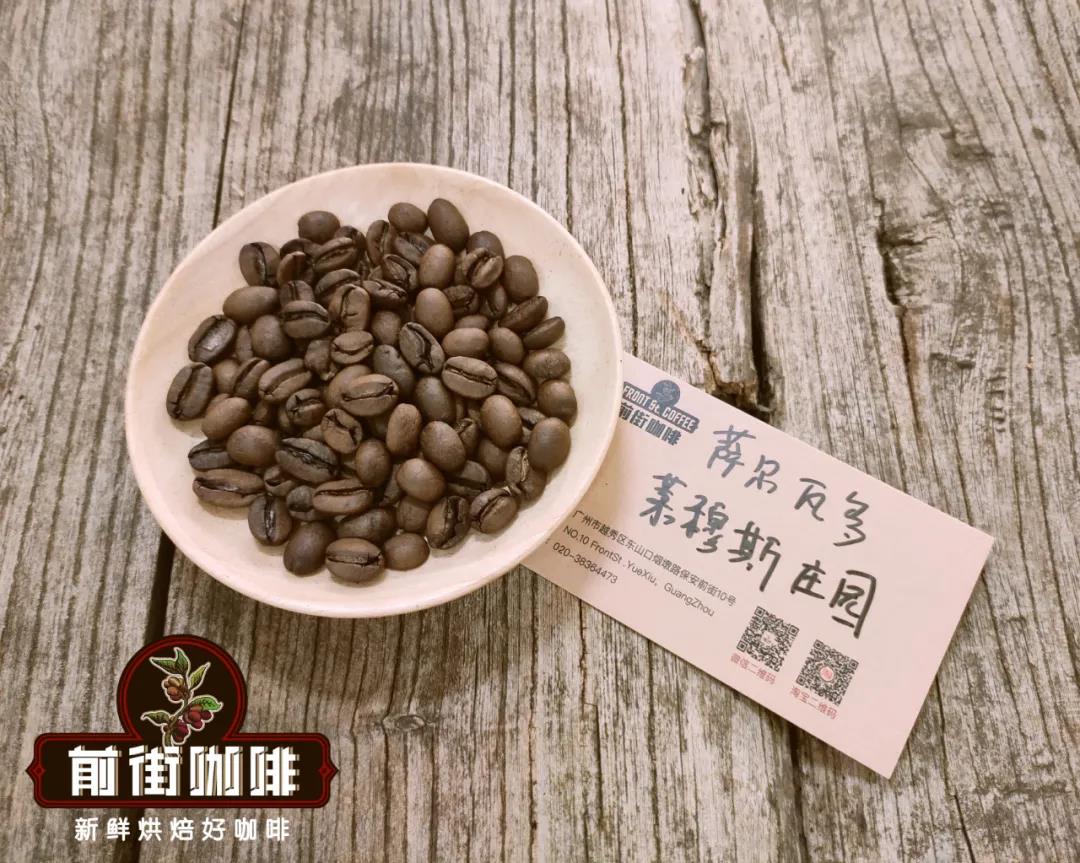
Front Street's specific brewing parameters are: V60 dripper, water temperature 90°C, water-to-coffee ratio 1:15, coffee dose 15 grams, grind size (80% passing through China standard No. 20 sieve)
Front Street uses staged extraction. The amount of water for blooming is twice the coffee grounds, that is, 30 grams of water for 30 seconds of blooming. Pour in a small stream in circles until 125 grams, then pause. When the water level is about to expose the coffee bed, continue pouring until 225 grams and stop. The total extraction time is 2 minutes.
The above content is compiled by CoffeeHunters, a coffee news website.


