







How did elephant bean coffee become a Cup of Excellence winner?
Pacamara was created in 1958 at the Salvadoran Coffee Research Institute by crossing Pacas, a Bourbon mutation, with Maragogype, the large Typica variant known as elephant bean coffee. Its oversized beans were hard to process as green coffee and yields were low, so the variety stayed obscure for nearly fifty years.
The name Pacamara combines the first syllables of both parents. Maragogype, discovered in 1870, is more than three times larger than typical arabica beans, and its size means it can scorch outside while staying raw inside, so roasters use low heat and slow roasting. In 2007 Pacamara won titles in Guatemala, Honduras, and El Salvador, and its complex lineage still shapes how the variety is graded and sold.
Pacamara is a hybrid variety born in 1958 at the Salvadoran Coffee Research Institute, created by crossing the Bourbon variant Pacas with the Typica variant Maragogype (Elephant Bean). It inherited the large-bean genes of the Elephant Bean, but due to its oversized beans, it was difficult to process as green coffee and had low yields, remaining obscure for nearly half a century. It wasn't until 2007 that Pacamara won double championships at the Cup of Excellence in Guatemala and Honduras, and swept the top three places in El Salvador, defeating many Geisha varieties and earning the title of "Geisha's rival." This article will guide you through Pacamara's complex lineage, processing challenges, and how it rose to the specialty coffee stage with its rich and varied flavors.
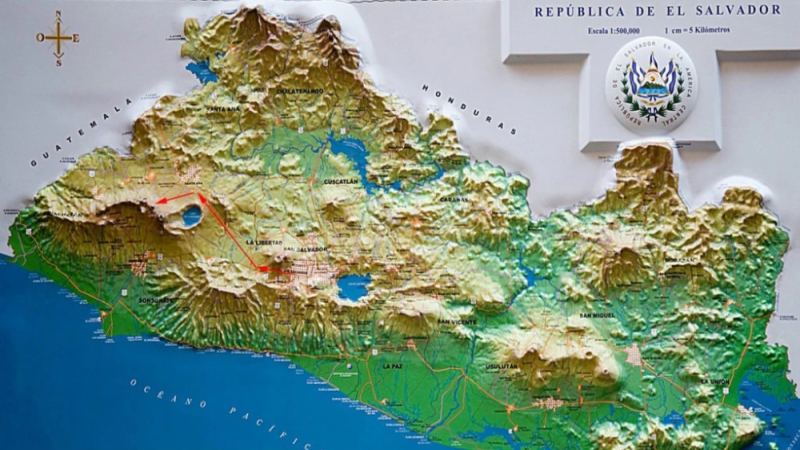
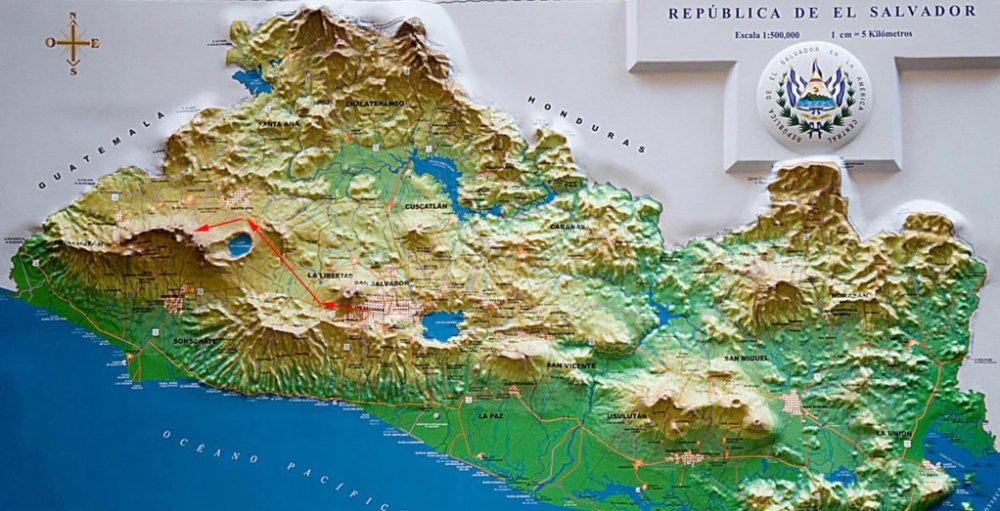
Pacamara is a hybrid variety with a very complex lineage, born in 1958 in the breeding room of the Salvadoran Coffee Research Institute. It is said to be complex because its bloodline comes from two variants of the Arabica species.
Pacas: "Pacas" is one of these two variants, belonging to the Bourbon variant. Pacas was initially the name of a Salvadoran coffee farmer—"Don Alberto Pacas." In 1935, this farmer selected high-yielding Bourbon plants and moved them to his farm for cultivation. Then one day in 1956, his "coffee friend" discovered that the Bourbon plants on the farm had higher fruit yields than other Bourbon coffee trees. Wow, they directly invited a university professor from Florida to conduct an appraisal, and it was discovered that it was a genetic mutation of Bourbon! Thus, the variety was named "Pacas" after the farm owner's name.
Maragogype: It is the most well-known variant of Typica and the other bloodline source of Pacamara! Because its size is more than three times larger than typical Arabica varieties, people gave it the alias "Elephant Bean"! The name Maragogype is derived from its place of origin. It was discovered in 1870. Due to its large size, it often tends to be "burnt outside but raw inside" during roasting, meaning the outside is scorched while the inside is still underdeveloped. Therefore, when roasting Elephant Beans, people often use "low heat and slow roasting" to gradually roast it through.
Since Pacamara is a hybrid of these two variants, the initials of their respective names were combined to form "Pacamara."
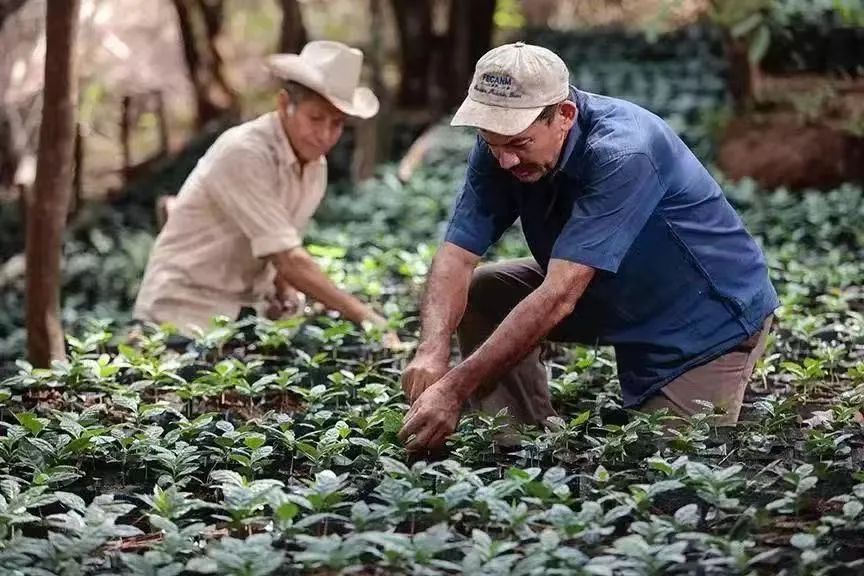
Although Pacamara was born in 1958, it did not immediately embark on the path to stardom! Because it did not inherit the high-yield优良 bloodline of Pacas, its yield was much lower than both of them. Moreover, it perfectly inherited the "large-bean gene" of the Elephant Bean, becoming the "large-bean" Arabica second only to the Elephant Bean! Besides being difficult to roast, large beans also pose another challenge: green beans are hard to process! When dehulling Pacamara, due to its oversized beans, they often get stuck in the holes or gaps of the machinery. Secondly, most washing stations lack experience in processing large coffee cherries, let alone preparing additional larger mesh screens specifically for Pacamara! With such frequent accidents, people at the time realized: conventional processing can only be applied to beans of normal size. If it's Pacamara, which is two to three times larger, then the entire processing station's equipment would need to be replaced and readjusted to a setup compatible with Pacamara. Who would do that back then? So, it remained obscure for as long as half a century!
It wasn't until 2007 that Pacamara won double championships at the "Cup of Excellence" held in Guatemala and Honduras (meaning it won two championships at the same time), and even swept the top three places in El Salvador, defeating many Geisha varieties that came to compete. Only then did people realize what terrifying advantages this variety possessed. "Richness and variability" are the flavor advantages produced by combining two excellent varieties. Consequently, people began to follow suit and plant Pacamara! In the following years, it successively secured top positions on various competition lists, and people began to call it a rising star variety on par with Geisha! Mr. Hsu Pao-Lin also gave it the title "Geisha's rival" in his book!
- END -
The above content is compiled by CoffeeHunters, a coffee news website.


