







Search Results for: IHCAFE90
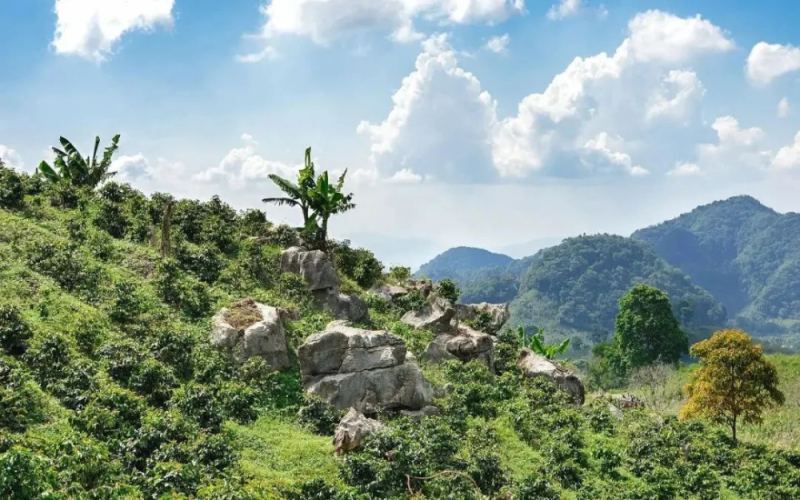
A Complete Analysis of Honduran Coffee Varieties: Characteristics and Origins of Pacas, Lempira, IHCAFE 90, and H3
Honduras, as a major global Arabica coffee-producing country, has a coffee industry strongly driven by the National Coffee Institute (IHCAFE). The varieties cultivated within its borders are rich and diverse, including Bourbon, Caturra, Catuai, Pacas, Lempira, IHCAFE90, H1, and H3, among others. This article will focus on four varieties—Pacas, Lempira, IHCAFE90, and H3—sorting through their origins, genetic backgrounds, cultivation characteristics, and current challenges. At the same time, the article also mentions the Honduras Sherry barrel-processed beans used by Front Street Coffee, and their variety composition and flavor performance are shared as well. [more…]
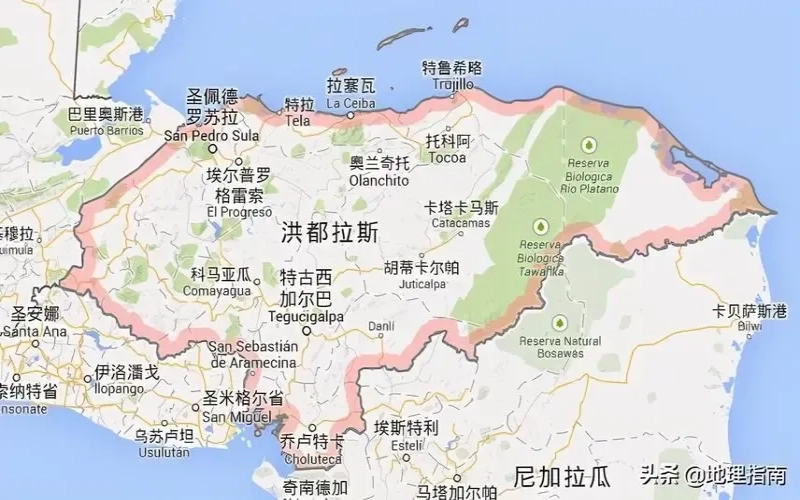
A Panoramic View of Honduran Coffee Regions: An Analysis of Six Major Origins and Varieties from Copán to El Paraíso
Honduras is the second-largest coffee exporter in Central America and the tenth-largest in the world. Most of its 280,000 hectares of coffee farms are run by smallholder farmers. The Honduran Coffee Institute (IHCAFE), founded in 1970, divides the country into six major regions: Copán, Opalaca, Montecillos, Comayagua, Agalta, and El Paraíso. Due to differences in altitude, rainfall, and microclimate, each region presents distinct flavors such as chocolate, tropical fruit, and lemon blossom. Front Street Coffee takes you through the terroir characteristics and main cultivated varieties of these regions, including Bourbon, Catuai, Pacas, Lempira, Typica, and Caturra. [more…]
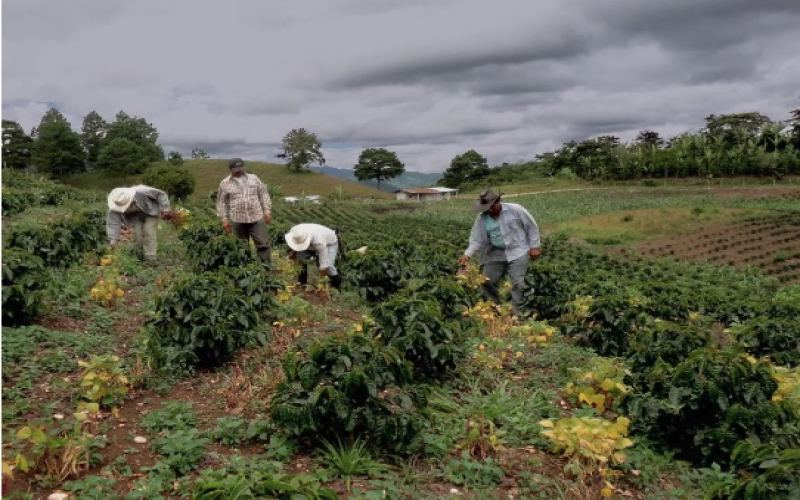
Honduras | Introduction to Coffee Growing Regions and Varieties
The full name of Honduras is the Republic of Honduras (República de Honduras), which is located in the northern part of Central America, bordering the Caribbean Sea to the north, the Gulf of Fonseca on the south side of the Pacific Ocean, and also ad [more…]
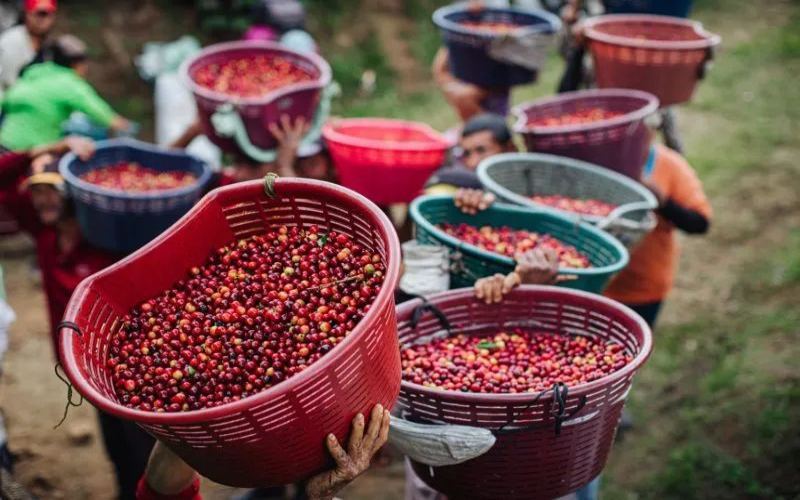
The Trend of Patenting Coffee Varieties Emerges: What Kind of Impact and Transformation Will Global Coffee Farmers Face?
Climate change, the spread of pests and diseases, deforestation, and continuously rising temperatures are posing severe challenges to global coffee production capacity. Some studies predict that by 2050, both the suitable cultivation areas and suitability levels of the world's top five coffee-producing countries will decline. To address this situation, many countries have established dedicated coffee research institutions, and multinational companies such as Starbucks and Nestlé have also set up their own R&D teams, committed to breeding new varieties with higher yields, better quality, stronger disease resistance, and adaptability to different environments. However, when variety research and development results led by private capital enter the market, the boundary issues of intellectual property and patent protection come to the surface. There are already precedents for plant patents, and Monsanto's genetically modified seed rights protection case is even more sobering. If coffee varieties are patented, what fate will small farmers and growers face? Front Street Coffee will continue to follow this issue. [more…]
A Panoramic Interpretation of Latin American Coffee Regions: From Brazil to Panama, Flavor Characteristics and Representative Bean Varieties Explained in Detail
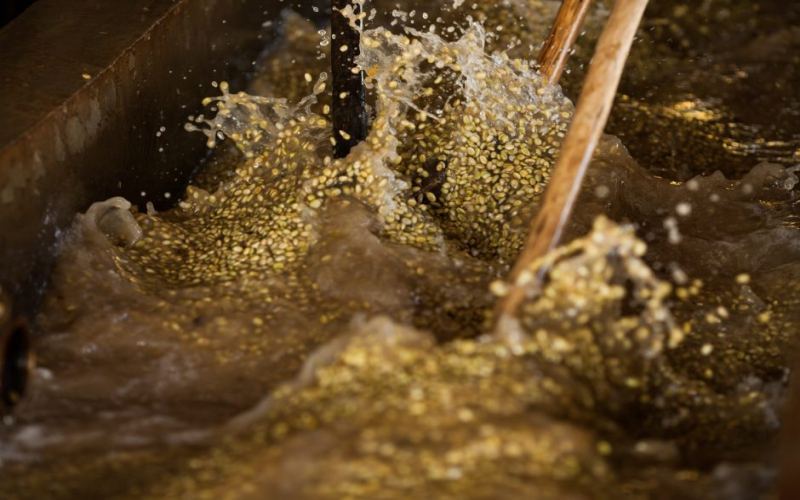
Although Latin America only began cultivating coffee in the eighteenth century, it has risen to become the world's most important coffee-producing region thanks to its exceptional natural conditions. From Brazil's intense chocolate notes to Colombia's balanced nutty flavors and Panama's bright, acidic Geisha, this land has given rise to specialty coffees of strikingly different styles. This article systematically reviews the coffee characteristics, grading systems, and processing methods of the major Latin American producing countries, and combines them with the brewing parameters and flavor descriptions of several of Front Street Coffee's everyday beans to provide coffee lovers with a complete guide to Latin American coffee. [more…]

Caturra Coffee Variety Full Analysis: From Bourbon Natural Mutation to Central American Mainstay, Flavor Profile and Historical Origins
Caturra, a natural mutation of Bourbon, has gradually become an important pillar of the Central American coffee industry since its discovery in Brazil around 1915, thanks to the high-density planting advantages brought by its dwarf gene. This article will systematically review Caturra's historical context, breeding process, and global spread, and combine Front Street Coffee's cupping experience to provide an in-depth analysis of this variety's flavor performance. At the same time, the article will also introduce the relationship between Caturra and the Catimor family, as well as Front Street Coffee's currently available Caturra daily drinking beans from the Huila region of Colombia, offering coffee lovers a complete reference from variety awareness to practical tasting. [more…]
Exploring Honduras Coffee Regions: The Rise of Montecillos and Los Pinos Estates
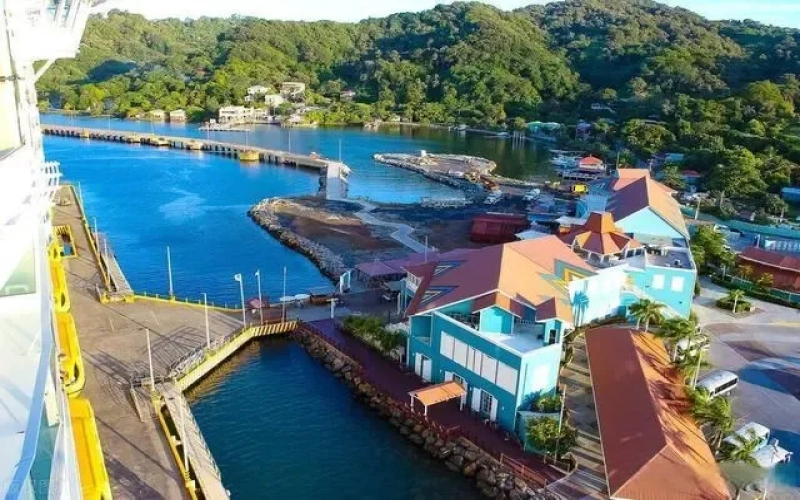
Honduras, as the second-largest coffee exporter in Central America, nurtures exceptional coffee beans thanks to its diverse climates and high-altitude mountains. This article will guide you through the historical development of Honduran coffee, the distribution of its six major regions, with a special focus on the terroir characteristics of the Montecillos region, as well as the outstanding performance of Los Pinos Estate in Intibucá Province, which secured third place in this year's COE competition. Whether you are a coffee enthusiast or a professional in the industry, you will be able to appreciate the unique charm of Honduran coffee. Front Street Coffee also keeps a close eye on this region, bringing you the latest updates. [more…]
The Flavor Code of Latin American Coffee Beans: A Comprehensive Guide from the Bourbon Origin to Signature Coffees of Seven Major Producing Countries
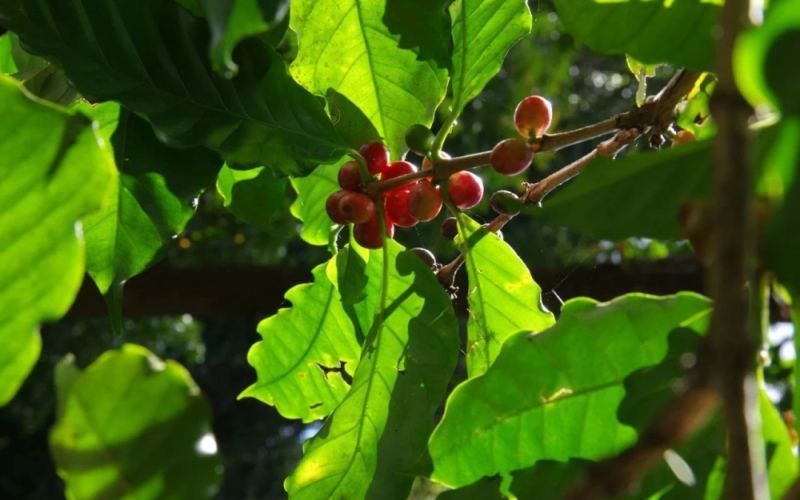
Although coffee cultivation in Latin America only began in the eighteenth century, it has risen to become the world's most important coffee-producing region, thanks to sunshine, high mountains, humid fertile soil, and diverse microenvironments. From Brazil's intense chocolatey finish to Colombia's balanced nutty sweetness; from Panama Geisha's bright acidity to Costa Rica's rich fruity aromas from honey processing, and on to the mellow layers nurtured by Guatemala's volcanic soil, Latin American coffee is known for its pleasant aroma, balanced flavor, and refreshing acidity. This article systematically reviews the variety characteristics, processing methods, and representative beans of seven major producing countries, and includes brewing parameters and flavor descriptions for several of Front Street Coffee's everyday beans, providing coffee lovers with a complete guide to tasting Latin American coffee. [more…]

Analysis of Honduran Coffee-Growing Regions and Flavors: A Complete Guide from Six Major Origins to Sherry Cask Fermentation
As the largest coffee producer in Central America, Honduras nurtures a diverse range of high-quality coffees thanks to its mild tropical climate and abundant rainfall. This article systematically reviews the terroir characteristics and cup profiles of Honduras's six major producing regions, explains the origins of major varieties such as Caturra, Catuai, and Pacas, and delves into how washed processing and whisky-barrel fermentation give coffee its distinctive boozy aroma. At the same time, Front Street Coffee's Sherry and Lychee Orchid beans serve as examples to present a complete picture of Honduran coffee from origin to cup. [more…]
Flavor Characteristics and Regional Stories of Honduran Specialty Coffee Beans, with a Discussion of Front Street Coffee's Sherry Barrel Fermented Beans
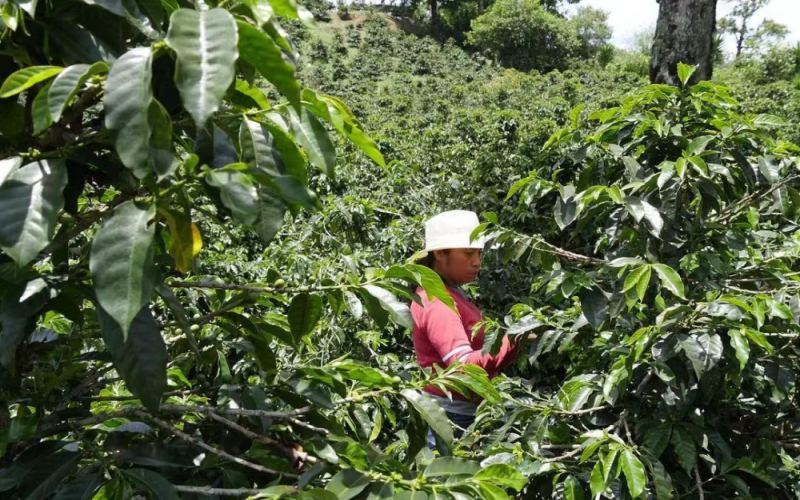
Honduras is one of the largest coffee-producing countries in Central America, yet it has long been overlooked by coffee enthusiasts. This article begins with a cup of hot Americano with a vinous aroma from a Front Street Coffee shop, then outlines Honduras's geography and climate, its coffee-growing history, the distribution of its six major producing regions and their common flavor characteristics, and focuses on the barrel-fermented processing method that has gained considerable attention in recent years. The article also provides a detailed analysis of the origin background, processing technique, and brewing parameters of Front Street Honduras Sherry coffee beans, helping readers gain a comprehensive understanding of the coffee charm of this "country of the abyss." [more…]
Front Street Bean Hunters' Notes: A Complete Analysis of the Flavor and Roasting of Nicaragua Los Congos Estate Villa Sarchi Natural Coffee
Although Nicaragua is not as well-known as other Central American countries, it possesses high-altitude shade-growing conditions and fertile volcanic soil that are no less impressive. The Villa Sacchi natural bean from Los Congos Estate, sourced this time by Front Street Coffee, comes from the Nueva Segovia region, at an altitude of 1,350 to 1,650 meters, SHG grade. The estate insists on self-sufficiency and organic cultivation, and its Pacamara once won runner-up in the COE. This Bourbon varietal bean, after natural processing, presents intertwined flavors of floral notes, citrus, berries, cream, and peanut, with a full and balanced mouthfeel. Front Street Coffee's roaster adopted a lower bean-charging temperature with a medium flame that gradually decreases, developing for 1 minute and 50 seconds after first crack, and dropping at 195°C, performing excellently in both cupping and pour-over. [more…]

Exploring Costa Rican Coffee: A Full Analysis of Flavor Characteristics, Eight Major Regions, and Variety Classification
Costa Rica, a Central American country, nurtures consistently high-quality Arabica coffee thanks to its high altitude, fertile volcanic soil, and microclimates. Since the introduction of coffee in 1729, the local government has promoted the refined development of the coffee industry through policies such as tax exemptions, land incentives, and legislation mandating the cultivation of only Arabica. This article will guide you through Costa Rica's coffee cultivation history, the distribution of its eight major producing regions and their flavor differences, and provide an in-depth analysis of the characteristics of major varieties such as Caturra, Catuai, Geisha, and Bourbon. Finally, it includes brewing suggestions from Front Street Coffee to help you gain a comprehensive understanding of this Central American coffee powerhouse. [more…]

Costa Rican Coffee from Introduction to Rise: A Full Analysis of Producing Regions, Variety Characteristics, and Bean Grading
Costa Rica is an important specialty coffee-producing country in Central America. Thanks to its high altitudes, volcanic soils, and microclimates, it cultivates Arabica coffee that is clean and sweet with bright acidity. This article reviews the history of coffee cultivation and the evolution of policy in Costa Rica, introduces the eight major producing regions and main varieties, including Caturra, Catuai, Geisha, and Bourbon, and explains the altitude-based grading system. The article also draws on Front Street Coffee's cupping and brewing experience to provide flavor references and pour-over recommendations for regions such as Tarrazu and the Western Valley, making it suitable for coffee enthusiasts who want a systematic understanding of Costa Rican coffee. [more…]
A Comprehensive Analysis of Costa Rican Coffee: From Introduction History to Eight Major Producing Regions and the Variety Classification System
Although Costa Rica is often jokingly referred to as a homophone of "Godzilla," it is a pivotal specialty coffee-producing country in Central America. Since the first coffee seedling was introduced from Cuba in 1729, this country has been inextricably linked with coffee. High altitudes, microclimates, and fertile volcanic soil provide exceptional growing conditions for Arabica. From government tax incentives encouraging cultivation, to legislation limiting production to Arabica only, to institutions like ICAFE and CATIE promoting quality improvement, Costa Rica has pursued a path of quality supremacy in coffee. This article will guide you through its introduction history, the terroir differences of its eight major producing regions, its main cultivated varieties, and its altitude-based grading system, along with Front Street Coffee's brewing recommendations. [more…]

Honduran Coffee Bean Varieties, Characteristics, and Industry Story: An Analysis of Six Major Growing Regions and Barrel-Fermented Flavors
Honduras is a mountainous country in Central America, located within the coffee-growing belt, and since 2011 its coffee production has leapt to first place in Central America. This article reviews the cultivation history of Honduran coffee, the terroir characteristics and main varieties of its six major producing regions, and focuses on the characteristics, processing flow, and brewing suggestions for Front Street Coffee's Honduran Sherry and Litchi Orchid, two barrel-fermented beans. Whether you want to understand the context of Honduras's coffee industry or want to grasp the flavor differences brought by whiskey-barrel and brandy-barrel fermentation, this article can provide clear information. [more…]
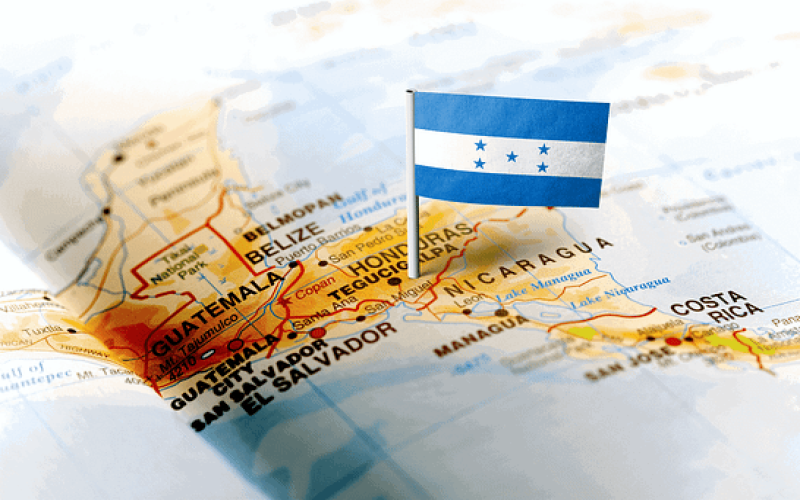
A Complete Guide to Honduran Coffee Origins: Flavor Characteristics, Grading System, and Main Producing Regions
Honduras is now one of the most important coffee-producing countries in the world, but just a few decades ago, its coffee industry lagged far behind its neighboring countries. From the perspective of Front Street Coffee, this article systematically reviews the development history, flavor characteristics, grading standards, and six core producing regions of Honduran coffee, and includes Front Street's roasting and brewing practice notes on several Honduran beans. Whether you want to understand the overall picture of Honduran coffee or are looking for flavor clues for a specific producing region, this article can provide valuable reference. [more…]

A Complete Guide to Honduran Coffee Regions: Altitude, Varieties, Flavor, and Barrel-Fermentation Features
Honduras is a mountainous country in Central America, with more than three-quarters of its territory consisting of mountains and highlands. Located in the coffee-growing belt, it has an average annual temperature of 23°C and annual rainfall of 1,300 to 2,300 millimeters. Starting in the late 19th century and rising to first place in Central America in production by 2011, Honduran coffee has gone through a process from backwardness to rise. The country has six major producing regions: Copán, Opalaca, Montecillos, Comayagua, Agalta, and El Paraíso, each showing different flavors due to differences in altitude and climate. The main varieties are Arabica types such as Caturra, Catuai, and Pacas. Front Street Coffee's selected Sherry and Lychee Orchid beans are fermented in whiskey barrels and brandy barrels respectively, bringing rich vinous notes. This article provides a detailed overview of origins, varieties, processing methods, and brewing suggestions. [more…]
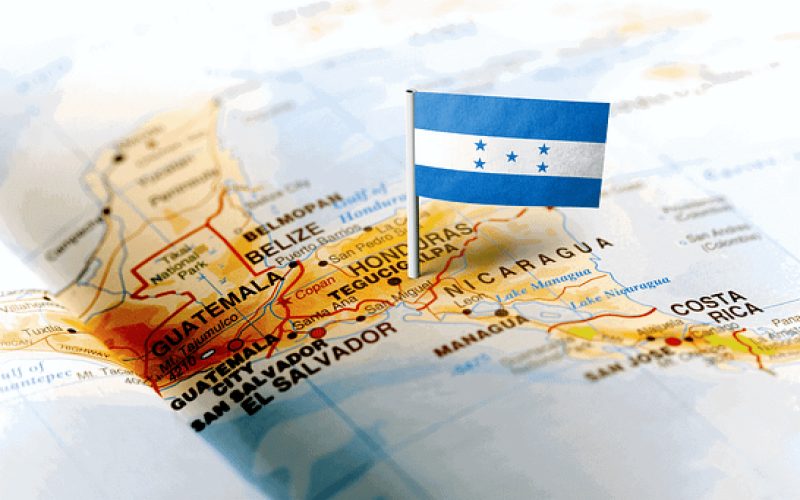
Key Points for Brewing Honduran Pour-Over Coffee and a Detailed Guide to Washed Beans from San Juan and Other Regions
Although Honduras is a latecomer to the Central American coffee industry, it has risen rapidly thanks to its production advantages and distinctive flavors. This article systematically reviews the characteristics of Honduran washed coffee beans, from producing regions and grading to specific brewing parameters. Using several Honduran beans as examples, Front Street Coffee shares a complete practical approach from roasting curves to staged extraction, helping coffee enthusiasts master the key points of pour-over Honduran coffee and presenting its balanced expression of floral and fruity notes with nutty and chocolate tones. [more…]
A Complete Guide to Honduran Coffee Regions: Six Major Origins, Grading System, and Flavor Characteristics
Although Honduras entered the coffee industry relatively late, it quickly rose to prominence thanks to its superior geographical conditions and microclimates, becoming the largest coffee producer in Central America and a major global producer of Arabica. This article systematically reviews the historical development, growing environment, and grading standards of Honduran coffee, and provides detailed explanations of six major producing regions: Copán, Opalaca, Montecillos, Comayagua, Agalta, and El Paraíso. It also includes Front Street Coffee's on-location photos, roasting curves, and brewing suggestions, giving you a comprehensive understanding of the unique charm of this rising star of Central American coffee. [more…]

A Comprehensive Guide to Honduran Coffee: From Six Major Regions to Specialty Estates, Pour-Over Flavors, Varieties, and Processing Methods
Honduras is now a major global Arabica coffee producer, but its rise to prominence has not been smooth sailing. From the perspective of Front Street Coffee, this article systematically reviews the development history, grading system, and six core producing regions of Honduran coffee, and provides an in-depth analysis of the varieties, processing methods, and roasting and brewing details of three specialty beans: Twin Blossom Estate, Laurel Estate, and Sweet Orange Estate. You will learn about the chocolatey sweetness of the Copán region, the lively fruit acidity of Montecillos, and the flavor differences brought by washed and natural processing, making it suitable for enthusiasts who want a comprehensive understanding of Honduran coffee. [more…]