







How Do Bourbon Derivative Varieties Fit Within Arabica?
Bourbon is a coffee variety of major cultural and genetic value within Arabica, prized for high-altitude cultivation and cup quality but limited by low yields and weak disease resistance. Because of those weaknesses, it was largely replaced in Latin America by derivatives such as Caturra, Catuai, and Mundo Novo, while still being grown in Brazil, Guatemala, and El Salvador.
Four Bourbon-derived lines are covered here. Caturra comes from a single-gene natural mutation of Bourbon, giving a shorter plant that can be planted at higher density, around 5,000 to 6,000 plants per hectare, with cup quality similar to Bourbon. It is also one parent of Catimor, crossed with Timor for leaf rust resistance. Villa Sarchi, Pacas, and Bourbon Mayaguez follow similar lines of descent.
Bourbon is a coffee variety of great cultural and genetic value within Arabica, known for high-altitude cultivation and excellent cup quality, but with low yields and susceptibility to major diseases, it has gradually been replaced in Latin America by derivative varieties such as Caturra, Catuai, and Mundo Novo. However, Bourbon is still cultivated in Brazil, Guatemala, El Salvador, and elsewhere, and many Bourbon-related varieties circulate on the market. This article will introduce the origins, botanical characteristics, cultivation regions, and flavor profiles of four derivative varieties—Caturra, Villa Sarchi, Pacas, and Bourbon Mayaguez—and share Front Street Coffee's corresponding bean recommendations and brewing suggestions.
Bourbon occupies a pivotal position in both coffee culture and genetics, and is one of the most important varieties within Arabica. It is highly prized for its suitability for high-altitude cultivation and its excellent quality. However, Bourbon's productivity is not ideal, and it lacks resistance to the main diseases of the coffee tree. For this reason, in Latin America today, Bourbon has largely been replaced by derivative varieties such as Caturra, Catuai, and Mundo Novo. But Bourbon itself still exists in the fields of producing countries such as Brazil, Guatemala, and El Salvador, so many Bourbon-derived lines can be seen on the market today.
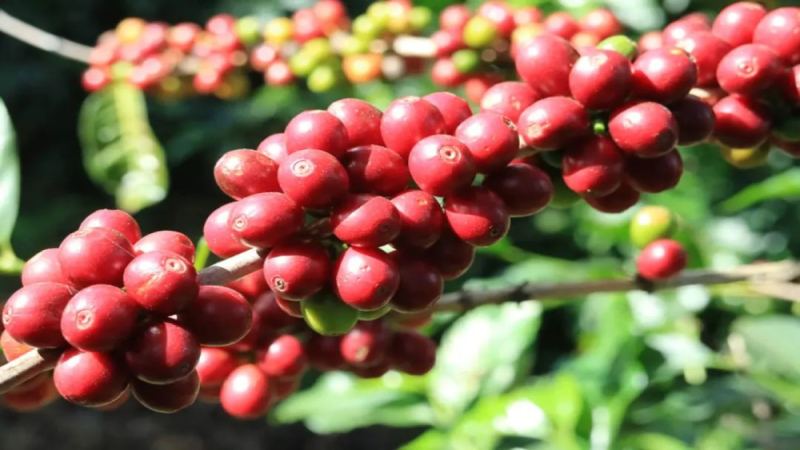
Caturra originated from a natural mutation of Bourbon. Because it is a single-gene mutation, its plant size is shorter, allowing it to be planted at higher density, with about 5,000 to 6,000 plants per hectare, while its cup quality is as outstanding as Bourbon's. At present, Caturra is cultivated in many countries, including Guatemala, Costa Rica, Honduras, and Panama. In addition, Caturra is one of the parents of Catimor—crossing Caturra with Timor, which has leaf rust resistance, produced Catimor. Front Street Coffee has also listed several Caturra beans, such as Huayueye from the Sveti Gatyn region of Colombia, using anaerobic natural processing. Brewed with a V60 at a 1:15 coffee-to-water ratio, it reveals distinct strawberry and fermented wine aromas, with peach, chocolate, and tropical fruit notes on the palate, and a smooth mouthfeel, as if drinking a glass of fruit wine.
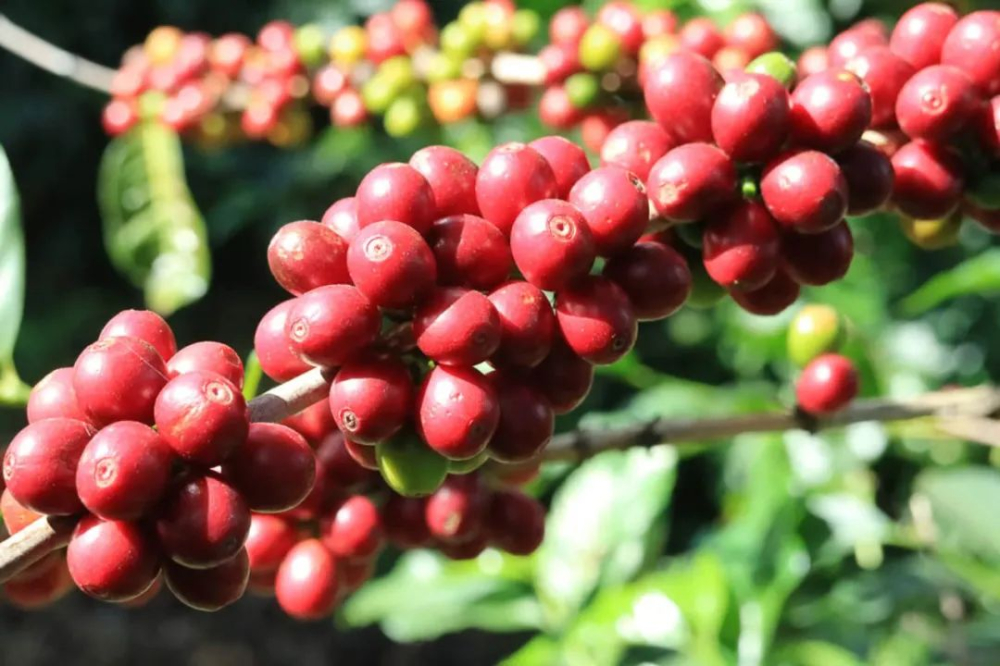
Villa Sarchi is a variety discovered in Costa Rica in the 1950s and 1960s. It also belongs to the natural variants of Bourbon and is dwarfed due to a single-gene mutation. In addition to being suitable for dense planting, Villa Sarchi also has the characteristics of being resistant to wind and rain, not easily dropping its fruit, and being able to adapt to high-altitude environments. At present, it is mainly cultivated in Costa Rica, although
Pacas is also a natural variant of Bourbon. Like other Bourbon variants, it carries a single-gene mutation, has a relatively short plant, and can be planted more compactly with other crops, resulting in higher yields per unit area. This variety was first discovered in 1949 at the Pacas family estate in the Santa Ana region of El Salvador, and it was named after them. Today, Pacas is mainly distributed in El Salvador and Honduras. Front Street Coffee stores have also introduced beans of the Pacas variety, such as a Sherry barrel-processed coffee from Honduras, with a variety combination of Caturra, Catuai, and Pacas. After brewing with a V60 at 1:15, the aroma carries vanilla cream, and on the palate one can taste whiskey, berries, almonds, and dark chocolate, with a maple-syrup-like sweetness in the finish.
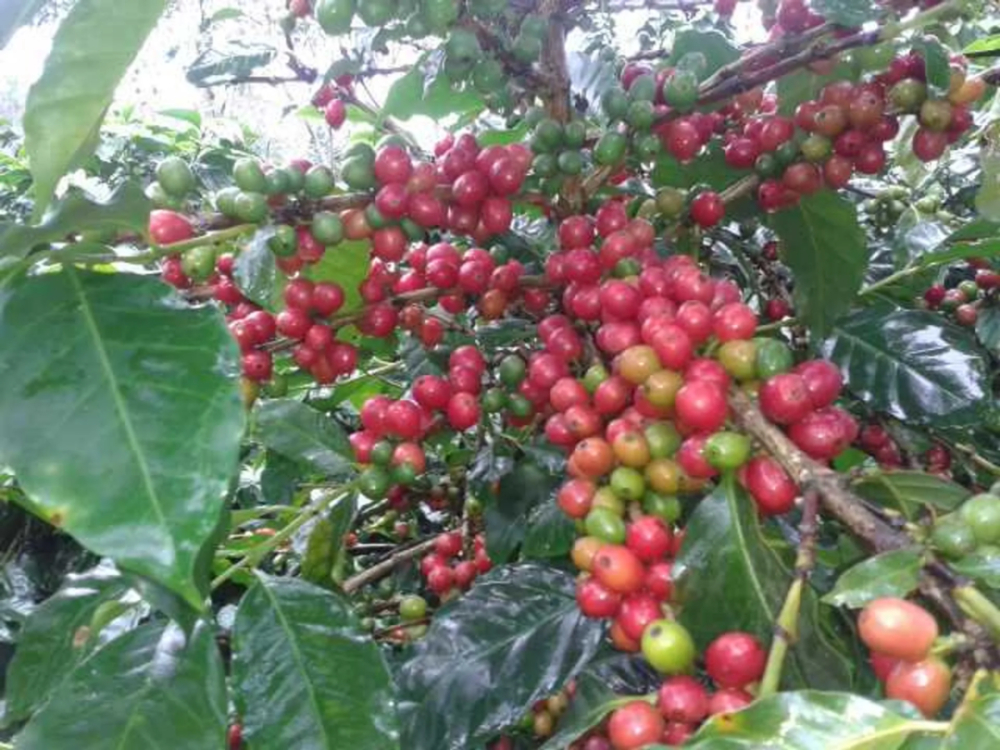
The naming of this variety comes from a Bourbon line introduced from Central America via the USDA seed collection by Puerto Rico, and planted in the Mayaguez region of Puerto Rico. Later, the Mayaguez variety population was brought to Rwanda, where, through breeding and selection, Bourbon Mayaguez 71/139 was selected from several mother seeds. Although this variety's yield is not as high as Bourbon's and it is also susceptible to the main coffee diseases, it can grow normally at lower altitudes and is currently mainly cultivated in Rwanda and Burundi.
The above content is compiled by CoffeeHunters, a coffee news website.


