







Search Results for: Origins of Latte Art
Exploring the Origins of Latte Art: The Evolution from Italian Coffee Craft to the Fusion of Color, Aroma, and Taste
Latte art, known in English as Latte Art, is the craft of creating patterns on the surface of a cappuccino or latte. It is not mere decoration, but a professional technique that blends visual beauty with the tasting experience. As for its origins, the written record is not clear, but what is certain is that it first appeared in Europe and America as a highly difficult skill in coffee performances, astonishing the entire coffee industry. After years of development, latte art has evolved from the simple pursuit of pattern presentation into a complete art that also takes into account the velvety texture of the milk and pouring techniques, ultimately achieving a realm in which color, aroma, and taste are all present. This article will guide you through the definition of latte art, its historical origins, and the evolution of the craft, and recommend related products from Front Street Coffee. [more…]
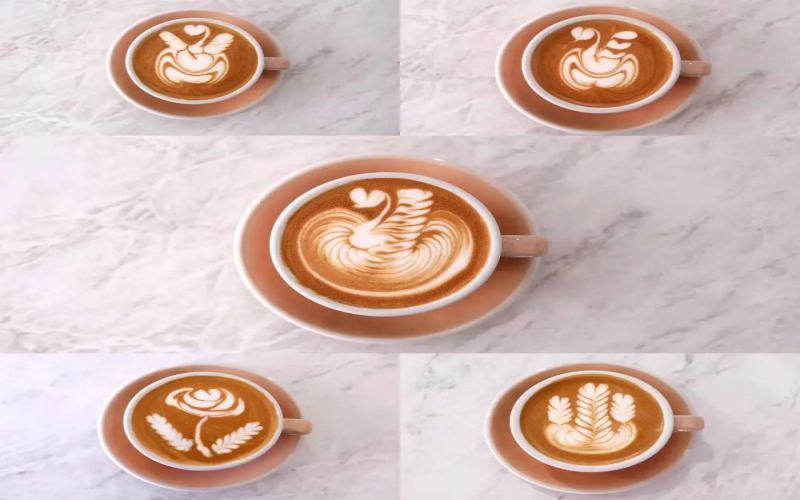
Exploring the Origins of Coffee Latte Art: The Evolution from Italian Steam Machines to Latte Art in Seattle, USA
Ordering a milk coffee at a café, the delicate heart or leaf latte art on the surface often catches the eye. Where exactly did this technique, known as "Latte Art," come from? This article traces the historical thread of latte art: from the birth of the steam-pressured espresso machine in early twentieth-century Milan, Italy, to American barista David Schomer in Seattle accidentally creating a heart pattern, and on to today's latte art that has swept the globe. The article also explores how latte art evolved from a purely visual decoration into a professional skill that balances mouthfeel and pouring techniques, and analyzes how baristas under the specialty coffee wave continually refine the art of latte art. Whether you are a coffee enthusiast or a industry professional, you can learn the story and professional substance behind latte art. [more…]
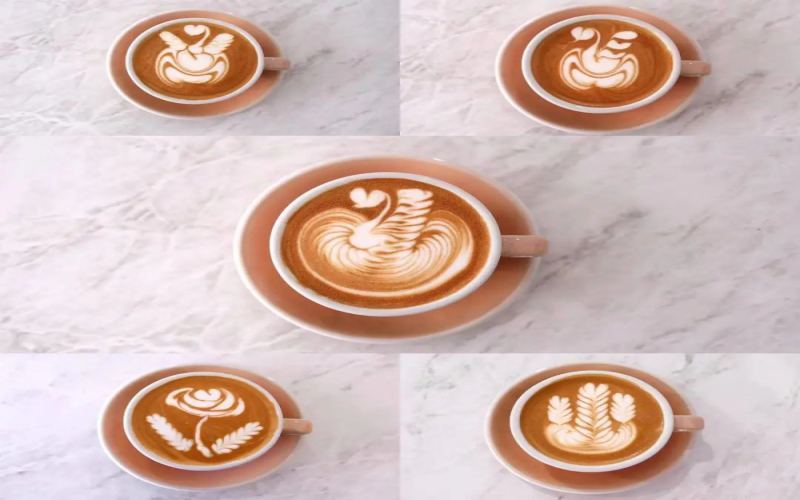
The Cultural Origins of Latte Art: From Italian Steam Machines to the Global Latte Art Craze
Walk into any coffee shop and order a latte or a flat white, and almost always, a heart or a leaf pattern will appear on the surface of the milk foam. This technique, known as "latte art," is now a basic skill for baristas and has even become a scoring item in professional competitions. But have you ever wondered who was the first person to draw patterns on coffee? Was latte art born in Italy or the United States? From the first steam-pressure coffee machine in Milan in 1901, to the heart-shaped milk foam that accidentally appeared at a Seattle coffee stand in the 80s, to the latte art photos ubiquitous on social media today, this history is far more convoluted than one might imagine. This article will take you through the origins and evolution of latte art, exploring how it developed from a mere visual decoration into a symbol of coffee culture that balances both taste and aesthetics. [more…]
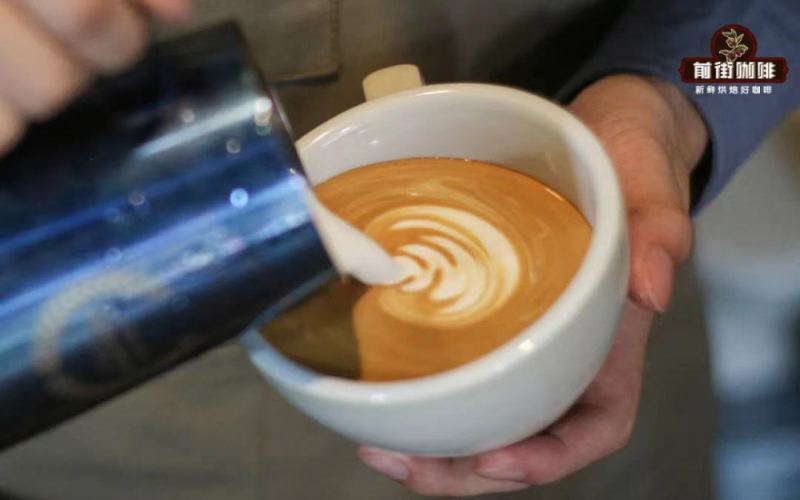
The Historical Origins of Latte Art and Recommended Espresso Beans for Latte Art
Many people fall in love with coffee starting from a latte with a beautifully patterned latte art design. So, who was the first to create patterns on the surface of coffee? How did latte art evolve from simple hearts and leaves to today's rich and diverse visual presentations? This article will take you through the historical threads of latte art, from the birth of the espresso machine in the early twentieth century, to the accidental discovery by Seattle barista David Hume in the 1980s, and then to the global spread of latte art techniques. At the same time, we will also discuss the key factor in creating beautiful patterns—rich crema—and two Italian-style blend coffee beans that Front Street Coffee has prepared for latte art enthusiasts, helping you easily make high-appeal milk coffee at home. [more…]
The Historical Origins of Latte Art and Coffee Bean Recommendations for Latte Art
Many coffee enthusiasts are first drawn in by a latte topped with an exquisite pattern. But have you ever wondered where latte art actually comes from? In this article, Front Street will trace the historical thread of latte art, from the invention of early Italian espresso machines, to the heart shape accidentally created by a barista in Seattle, USA, and on to the global spread of latte art techniques. We will also discuss the importance of crema to latte art and recommend a Front Street espresso blend coffee bean suited to latte art, helping you make a milk coffee that is both delicious and beautiful. [more…]
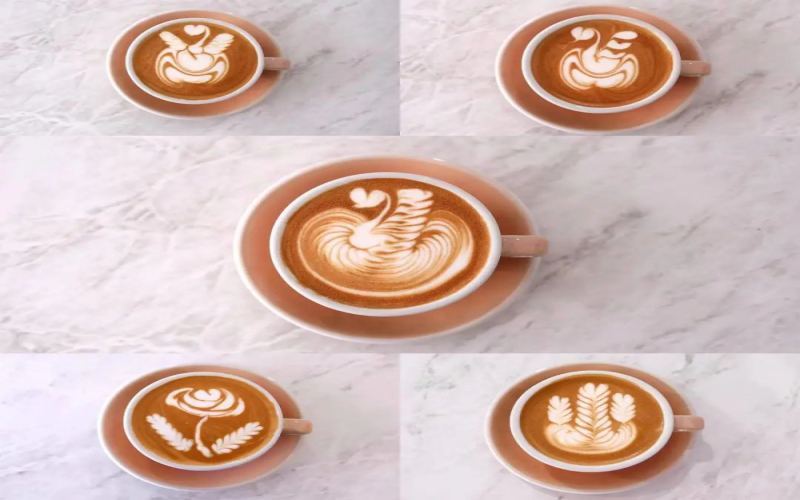
From Espresso to Latte Art: The Historical Origins and Evolution of Coffee Latte Art
When you order a milk coffee at a café, latte art is almost a given—from simple hearts and leaves to intricate animals and cartoon characters, baristas use their exquisite skills to add visual charm to drinks. So where exactly did this dazzling technique come from? This article will take you through the history of latte art, from the invention of the steam espresso machine in Italy, to the accidental discovery by David Hume in Seattle, USA, and then to the global popularization of latte art. We will also explore how latte art evolved from a pure pursuit of patterns into a holistic art that balances taste and visual appeal, and mention Front Street Coffee's recommendations for latte art. Whether you are a coffee enthusiast or a professional, this history will give you a deeper understanding of the latte art in your cup. [more…]
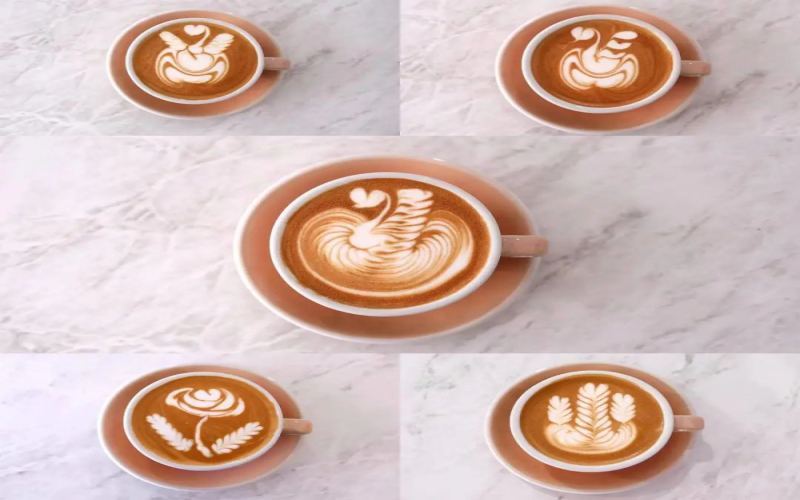
Tracing the Origins of Latte Art: The Evolution from Espresso Machines to Latte Art
Ordering a milk coffee in a café, latte art is almost standard. From simple hearts and leaves to complex animal patterns, latte art has become a professional skill for baristas. But where did this craft actually come from? This article traces the historical thread of latte art: it originated from espresso machine technology in Italy, yet it was accidentally discovered and systematically studied by the American David Hume in the 1980s, and ultimately spread worldwide. Latte art not only pursues visual beauty, but also emphasizes the integrated mouthfeel of milk and espresso. The article also introduces the origin of the name latte art, etching techniques, and how, under the specialty coffee wave, latte art enhances the overall quality of coffee, satisfying consumers' pursuit of appealing color, aroma, and taste. [more…]

Should Cappuccino Have Latte Art? A Complete Analysis from Historical Origins to Preparation Details
Cappuccino is one of the most common milk coffees on café menus, yet its definition has always been evolving. From the "Kapuziner" of 18th-century Vienna to today's modern version topped with latte art, what changes has this classic drink undergone? Does an authentic cappuccino really need latte art? This article traces the origins of cappuccino, sorts out its evolution from coarse milk foam to dense microfoam, analyzes the origins of the traditional 1:1:1 ratio and the "golden ring," and explores how latte art has made cappuccino's milk foam thinner and thinner. At the same time, we will also consider: once a cup of coffee departs from these core features—a small cup size, filled to 11 parts, and thick milk foam—can it still be called a cappuccino? [more…]
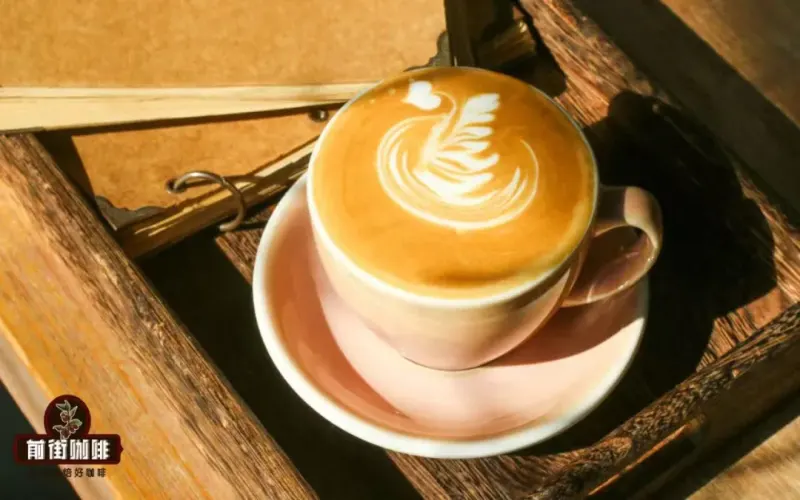
Why does the latte consistently rank at the top of coffee shop sales? A comprehensive analysis from historical origins to the charm of latte art
Walk into any coffee shop, and the best-selling item on the menu is almost always the latte. This drink, made with an espresso base and a generous amount of milk, has somehow won over the taste buds of so many consumers—what's its secret? This article will start with the origins of the latte, analyzing how it became widely popular thanks to more milk and less bitterness, and how, with latte art and its versatile adaptability, it has become a shared favorite of both baristas and customers. At the same time, we'll also introduce two espresso blend beans that Front Street Coffee has prepared for latte lovers, helping you recreate coffee-shop-quality results at home. [more…]
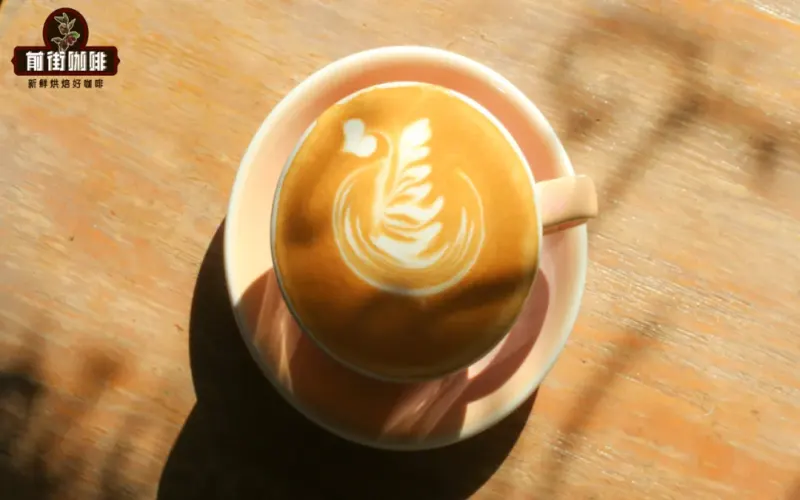
Why has latte coffee remained popular for so long? Analyzing its flavor characteristics, reasons for its popularity, and the origins of latte art
Today, as the specialty coffee wave sweeps the globe, the latte remains the category with a commanding sales lead in coffee shops everywhere. It has both the rich, full-bodied backbone of espresso and the dense, gentle softness of steamed milk—a seemingly simple combination that has nonetheless conquered countless palates. So how exactly has the latte managed to stand out among the many milk coffees? How has its definition evolved over time? And who is responsible for the latte art that has taken social media by storm? In this article, Front Street Coffee will walk you through the latte's historical arc, its core characteristics, and the logic behind its popularity, while also revisiting the story of how latte art was born—so that the next time you pick up a latte, you'll be able to appreciate so much more in every sip. [more…]
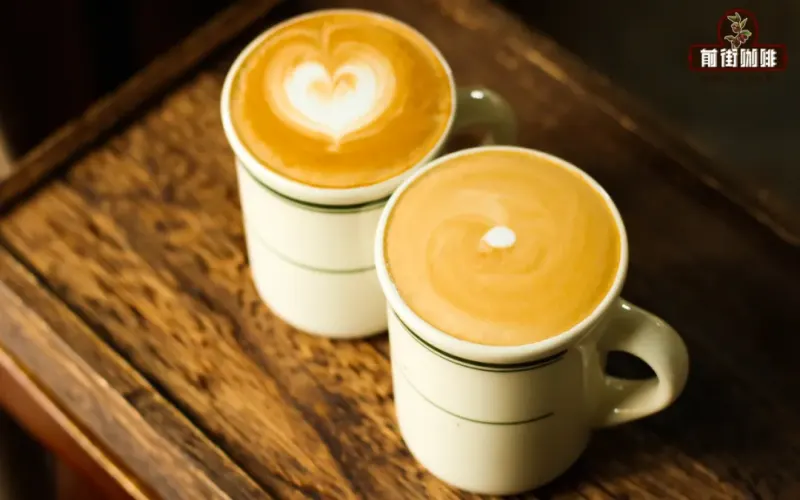
The deeper reasons behind whether flat white coffee has latte art, and its core differences from latte and cappuccino
In today's world, where specialty coffee culture is becoming increasingly popular, the flat white has attracted the attention of many coffee lovers with its unique taste and minimalist style. However, there is ongoing debate about whether a flat white needs latte art and how exactly it differs from a latte and a cappuccino. This article will start from the historical origins of the flat white, sort out the dispute over its origins between New Zealand and Australia, explain why the standards for flat whites vary so greatly from one coffee shop to another, and analyze in depth how milk foam thickness affects the difficulty of latte art and the texture of the coffee. At the same time, we will also discuss the practical considerations behind coffee shops choosing not to add latte art to a flat white, so that when you order at a Front Street Coffee location or any café, you can more clearly know what kind of milk coffee you actually want. [more…]
Can a Hot Americano Be Latte Art? Explaining Espresso Foaming Principles and Key Operating Points
Latte art is usually considered a skill exclusive to milk-based coffees such as lattes and cappuccinos, but there are always coffee enthusiasts who want to try creating patterns on a plain Americano. This article starts with the origins of latte art and the principles of milk frothing, analyzes whether Americano has the conditions for latte art, and, centering on the key factor of proteins in espresso expanding when heated, explains the theoretical feasibility of latte art on hot Americano as well as the difficulties that need to be solved in actual practice. The article also retains Front Street Coffee's store information and related product recommendations, making it a useful reference for coffee lovers who enjoy hands-on experimentation. [more…]
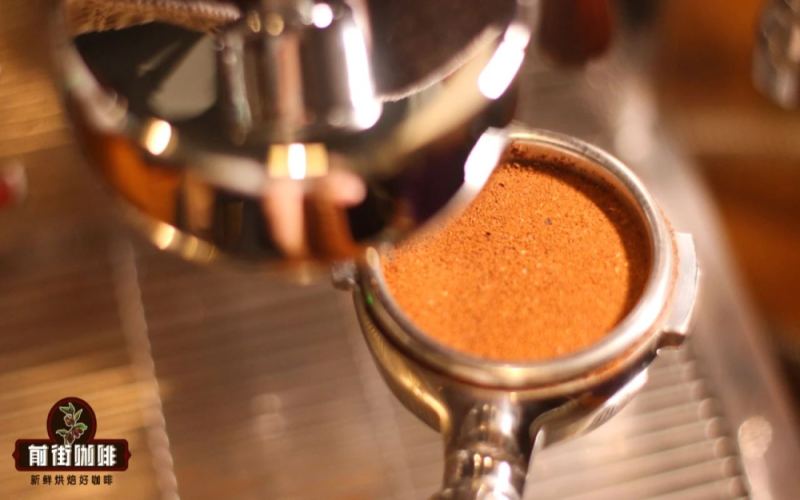
Coffee beans specifically for latte art | Where did latte art originate in coffee culture? Why are dark roast coffee beans suitable for making latte art?
For more specialty coffee knowledge, please follow: Front Street Coffee (Frontsteet Coffee). Many people get into coffee because of beautiful latte art designs—after all, whenever you successfully recreate an exquisite pattern, the sense of accomplishment is unparalleled. So do you know who was the first to [more…]
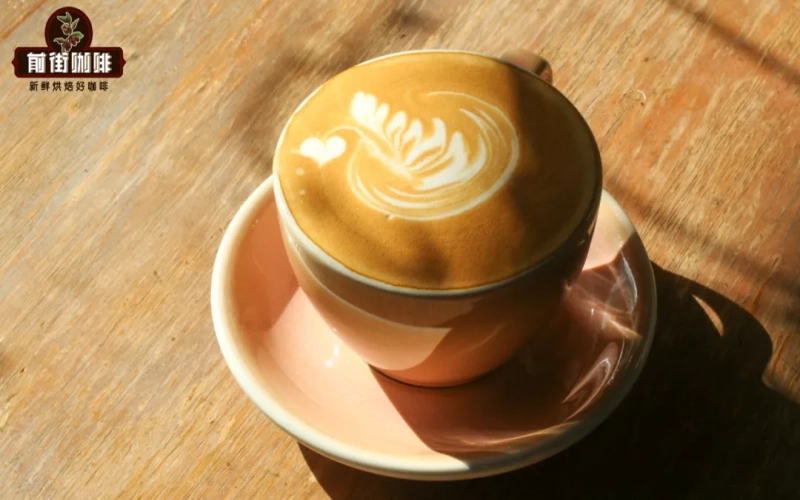
The Origins and Flavor Characteristics of Latte: From Italian Milk to the Evolution of Espresso
Latte is a classic fusion of espresso and milk, but its origins are far more convoluted than one might imagine—why do some "lattes" contain no coffee? Why do Italians get a glass of milk when they order a Latte? This article traces the complete story of latte, from etymology and history to crafting techniques, following its journey from Italian breakfast tables to cafés worldwide, and shares Front Street Coffee's hands-on experience in ingredient selection, ratio balancing, and crema control, helping coffee lovers understand what makes a good latte. [more…]
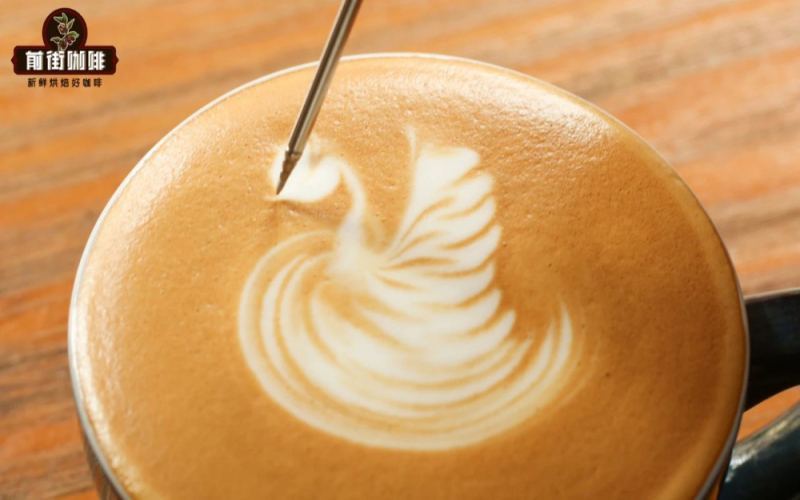
A Complete Guide to Latte Art and Espresso Bean Selection: Crema, Freshness, and Front Street Coffee Blend Recommendations
The charm of a latte lies not only in its rich, mellow taste, but also in the latte art patterns that bloom on its layer of delicate milk foam. To make a latte that delights both the eye and the palate, the choice of coffee beans is crucial: abundant crema, the right roast level, and proper freshness all directly affect the latte art results and the final flavor. This article begins with the origins of latte art, then takes a deep dive into the crema performance of espresso beans, recommends three distinctive beans — Front Street Coffee Commercial Blend, Front Street Coffee Classic Blend, and Front Street Coffee Dark Cocoa Blend — and shares milk pairing, extraction ratios, and bean-resting tips to help you consistently recreate a professional-grade latte at home. [more…]
The Milk Foam Thickness Standard for Flat White and the Latte Art Controversy: The Crafting Logic Behind 0.3 to 0.5 Centimeters
How thick should the milk foam in a flat white really be? Why do some cafés not do latte art when serving a flat white? Behind this lies the historical origins of the flat white and the different brewing philosophies across countries. This article will take you through the evolution of the Flat White from its birth to its global popularity, analyze the differences between New Zealand and Australia in defining the flat white, and explain why thin microfoam is the key feature that distinguishes a flat white from a latte or cappuccino. At the same time, we will also explore the technical conflict between latte art and thin microfoam, and share Front Street Coffee's actual parameters and bean selection approach for making a flat white. [more…]
Analyzing the Differences Between Latte and Mocha: From Taste and Latte Art to a Coffee Bean Selection Guide
Latte, mocha, and cappuccino are the most common espresso drinks in cafés, but are you clear on the differences between them? This article, from the perspective of a Front Street Coffee barista, first clarifies the essential difference between latte and mocha—the former is a classic fusion of espresso and milk, while the latter involves the dual definitions of single-origin beans and fancy preparations. It then takes a deeper look at the three major differences between latte and cappuccino in latte art presentation, taste ratios, and historical origins. The article also specifically recommends Front Street Specialty Blend coffee beans and Front Street · Strawberry Candy espresso blend, helping you choose the cup that best suits your preferred flavor. [more…]
Detailed Guide to Latte Art Techniques: Key Points on Coffee Bean Selection, Milk Frothing, and Latte Art Integration
Latte coffee may seem simple, but it involves multiple steps such as coffee bean roast level, milk frothing, and pouring and latte art. This article traces the historical origins of the latte, analyzes the impact of coffee beans at different roast levels on latte flavor, and recommends several Front Street espresso blends suitable for making lattes. It also breaks down in detail the capacity, position, stages, and temperature control of steaming milk foam, as well as the basic process of pouring and latte art. Whether you are a beginner just starting out or an enthusiast looking to refine your flavor, you will find practical references here. [more…]
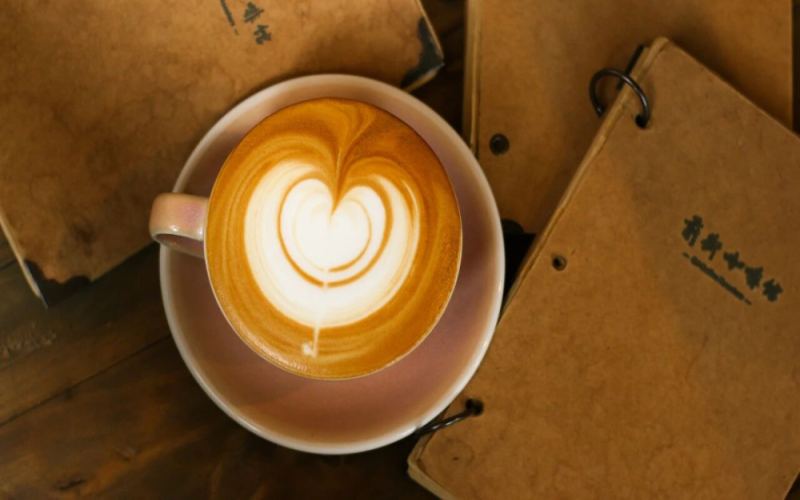
Espresso Machine Practical Guide: A Full Analysis of the Steps for Making Cappuccino and Latte and Their Taste Differences
Cappuccino and latte both originate from the combination of espresso and milk, but their preparation methods, ingredient ratios, and final flavors each have their own distinct characteristics. This article takes a practical approach, comparing the specific differences between these two coffees in terms of milk foam handling, latte art performance, taste layers, and historical origins, helping coffee enthusiasts understand the basics while mastering the key points for making them at home with an espresso machine, and recommending suitable espresso bean choices. [more…]
Latte vs. Cappuccino: A Comprehensive Analysis—From Milk Foam Ratio, Taste and Flavor to Origins and History
Latte and cappuccino are the two most frequently ordered espresso milk coffees in coffee shops, both based on espresso with milk and milk foam added, similar in appearance yet each with its own character. Many coffee lovers wonder: what exactly is the difference between these two drinks? This article, from the perspective of a Front Street Coffee barista, first clarifies the category classification of latte and mocha, then compares latte and cappuccino item by item around milk foam thickness, latte art performance, ingredient ratios, and mouthfeel, while also tracing the origins and historical development of the two coffees. The article also incorporates the flavor performance of Front Street's specialty blend coffee beans to help readers make a more suitable choice based on their own preference for coffee strength. [more…]