








What Is the Cafe Latte Milk Coffee Ratio?
A latte pairs espresso with a larger share of steamed milk and only a thin layer of foam, which makes the drink mild and milky rather than bitter. A cappuccino uses less milk and a thicker, finer foam cap, so the espresso comes through more strongly and the mouthfeel turns fluffy and sweet.
Both drinks start with the same espresso base, so the difference sits in milk handling and ratio. Latte art shows it clearly: latte foam is thinner and flows into patterns, while cappuccino foam is spooned into a pointed cap. Freshly roasted espresso beans, including blends with nutty or dark cocoa notes, suit home machines.
Cappuccino and latte both originate from the combination of espresso and milk, but their preparation methods, ingredient ratios, and final flavors each have their own distinctive qualities. This article takes a practical approach, comparing the specific differences between these two coffees in terms of milk foam handling, latte art presentation, mouthfeel layers, and historical origins, helping coffee enthusiasts understand the basics while mastering the key points of making them at home with an espresso machine, and recommending suitable espresso bean choices.

The core of latte is the classic fusion of espresso and milk. In Italy, people are accustomed to drinking it as a breakfast beverage. In Italian kitchens in the early morning, on a sunlit stove, the coffee pot and milk pan are often heated simultaneously.
The essence of latte is the classic pairing of espresso and milk, and Italians are equally fond of drinking it in the morning. When Italians make breakfast, they often heat coffee and milk simultaneously on a stove bathed in sunlight. For Italians who love drinking lattes, what they actually prefer is the milk itself, not the espresso; but it is precisely only espresso that can transform plain, ordinary milk into an unforgettable flavor.
Cappuccino, on the other hand, is a coffee made with espresso as the base, whipping milk into fine foam to replace cream, and then using a spoon to shape the milk foam into a pointed cap or hamburger shape. Because the proportion of milk is relatively small, its overall flavor is rich and sweet, with a fluffy mouthfeel upon tasting.
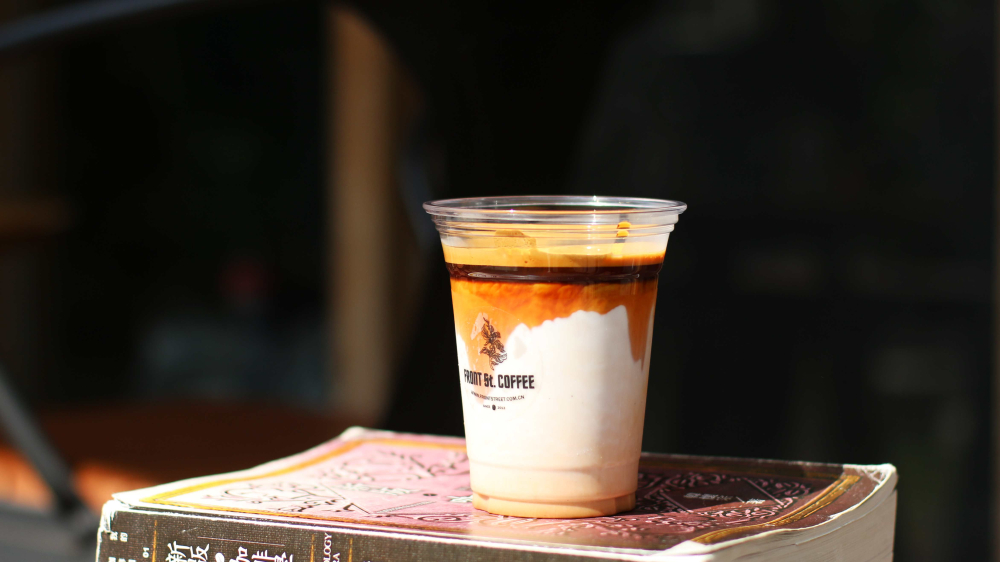
If you plan to make latte at home, be sure to choose freshly roasted espresso beans. You can prioritize the Front Street Coffee blend series: the Front Street Coffee specialty blend with prominent nutty aroma, the Front Street Coffee dark cocoa base blend with chocolate and creamy smoothness, the Front Street Coffee classic blend with rich crema, and the Front Street Coffee commercial blend suitable for cafe use.
The Taste Differences Between Latte and Cappuccino
1. Different Latte Art Presentation
The most direct way to tell them apart is by observing the latte art on the coffee surface. Both latte and cappuccino require steaming milk during preparation, but latte requires thinner milk foam than cappuccino. It is precisely this thin layer of milk foam that gives the coffee surface good fluidity, enabling latte to produce latte art with exquisite patterns and fine lines.
Because cappuccino has thick milk foam, it is difficult to create patterns with fine lines. Usually, etching is used, or no latte art is done at all. This is also why latte art is called "latte art."
2. Noticeable Taste Differences
To clarify the differences between the two, we made a latte and a cappuccino separately, using Front Street Coffee specialty blend coffee beans. This blend is composed of two well-known producing regions, Brazil and Colombia, and uses a medium-dark roast. The espresso carries aromas of cocoa, chocolate, cookies, and cream, making it very suitable for pairing with milk.
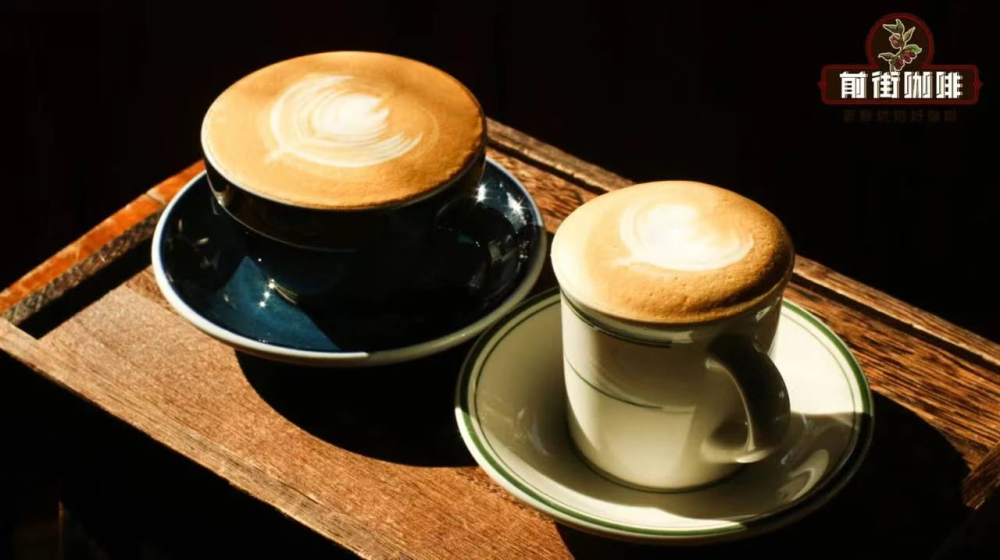
Although the ingredients are the same, different ratios create a gap in the final taste. Generally speaking, milk accounts for about 70% of a latte, milk foam about 20%, and coffee only about 10%. Milk far exceeding coffee is a major characteristic of latte. So when tasting, latte has a prominent milky aroma and a smooth mouthfeel, with the coffee's bitterness being relatively weak.
In cappuccino, milk, milk foam, and coffee each account for one-third. The equal ratio of milk to coffee is its most notable feature. Because there is less milk and milk foam, they cannot mask the coffee's aroma, so it tastes richly coffee-flavored with a denser mouthfeel, like cotton candy. Therefore, if you are not quite used to a strong coffee taste, you can choose latte; if you prefer a more intense coffee flavor, cappuccino will suit you better.
3. Different Origins and Backgrounds
Latte means milk in Italian. The earliest latte was simply pouring hot milk directly into brewed coffee. Later, the Italian Achille Gaggia invented the steam pressure coffee machine, and Italian latte gradually became popular and has continued to this day. Cappuccino, on the other hand, came into being alongside the steam pressure coffee machine, so its origin is later than that of latte. The name "cappuccino" comes from the brown robes worn by church friars and their pointed hats.
The above content is compiled by CoffeeHunters, a coffee news website.


