








How does an Italian latte differ from a cappuccino?
Both drinks start with espresso plus milk and milk foam, but the proportions and texture set them apart. An Italian latte leans heavily on steamed milk, giving a milder coffee flavor and better surface for latte art. A cappuccino carries a thicker, more defined foam cap and a firmer espresso presence. Latte and mocha also belong to different categories: pure mocha is black coffee, while the chocolate-sauce version counts as fancy coffee.
Italians treat latte as a breakfast drink, heating coffee and milk together at home. The foam thickness, ingredient ratios and mouthfeel change how the espresso reads in each cup. The National Coffee Association-style comparison of cappuccino, latte, milk foam and espresso applies here: more foam means a drier, more intense sip, while extra milk softens the roast character of the beans.
Latte and cappuccino are the two most commonly ordered Italian milk coffees in coffee shops. Both use espresso as their base and add milk and milk foam, looking similar yet each with its own character. Many coffee lovers wonder: what exactly is the difference between these two drinks? From the perspective of a Front Street Coffee barista, this article first clarifies the type classifications of latte and mocha, then compares latte and cappuccino item by item in terms of foam thickness, latte art performance, ingredient ratios, and mouthfeel, while also tracing the origins and history of the two coffees. The article also incorporates the flavor performance of Front Street specialty blend coffee beans to help readers make a more suitable choice based on their preference for coffee strength.
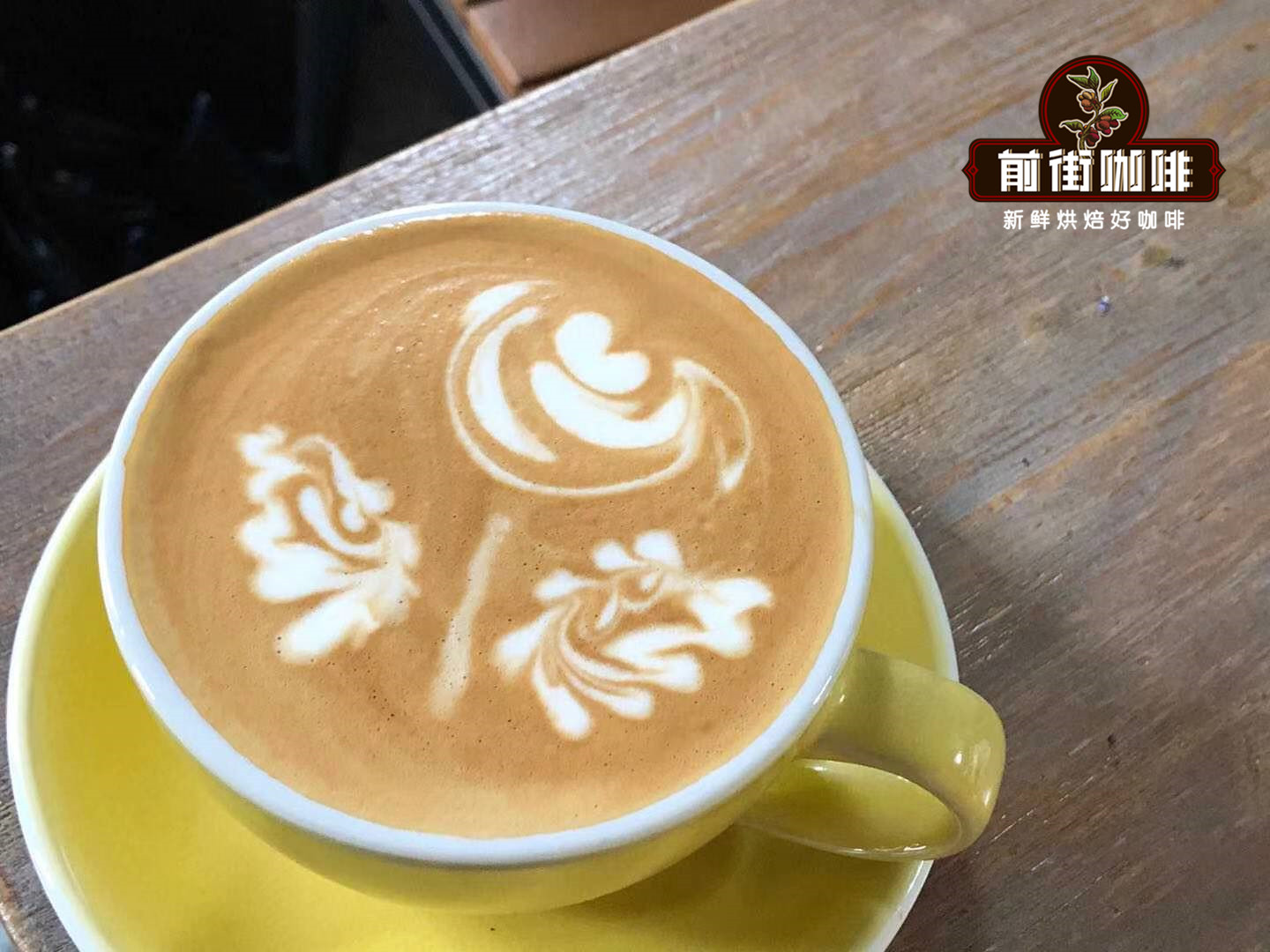
At Front Street, latte and mocha are two types of coffee that many customers order frequently, and the baristas at Front Street Coffee (FrontStreet Coffee) are equally fond of them. However, when it comes to the difference between the two, many people probably still can't explain it clearly. Let Front Street clarify here: latte and mocha actually belong to different coffee categories. Because latte has milk added, the coffee's own flavor appears milder; mocha, on the other hand, should be viewed in two cases—pure mocha and fancy mocha. Pure mocha is black coffee, with an elegant layering of acidity, bitterness, and sweetness, and a higher body, while American-style mocha belongs to fancy coffee, with chocolate sauce and cream or milk foam added, where chocolate and milky aromas blend for a uniquely enjoyable taste.
Latte
It is a classic combination of Italian espresso and milk, and Italians are also accustomed to having latte as a breakfast drink. In the kitchens of Italians in the morning, on a stove touched by sunlight, coffee and milk are often being heated at the same time.
Latte is a classic blend of Italian espresso (Espresso) and milk, and Italians also like to have latte as a breakfast drink. In the morning kitchens of Italians, coffee and milk are usually being heated at the same time on a stove reached by sunlight. For Italians who drink latte, it is not so much that they like Italian espresso as that they like milk—and only Espresso can give ordinary milk an unforgettable flavor.
Mocha
(Mocca Cafe) is an ancient coffee made by mixing Italian espresso, chocolate sauce, fresh cream, and milk.
In the fifteenth century, the coffee-producing countries of the Middle East and Africa did not have well-developed external transport, and the port of Mocha in Yemen was an important export gateway in the Red Sea area. At that time, most African coffee was first gathered at Mocha Port and then transshipped out, so these coffees were collectively called Mocha coffee. Later, emerging ports replaced Mocha Port's trade position, but the place names left from the Mocha Port period are still in use, and coffee beans produced in these regions are still called Mocha coffee beans to this day.
Later still, in order to reproduce that chocolate-tinged mocha flavor, people tried adding flavored sauces and cream, gradually evolving into the mocha espresso we are familiar with today. As the international chain brand Starbucks brought Italian coffee drinks to the world, milk coffee with chocolate-flavored sauce also became known to more people.

Differences in taste between latte and cappuccino
1. Different latte art
The most direct way to tell the two apart is to observe the latte art. Both latte and cappuccino require steaming milk during preparation, but the milk foam needed for a latte is thinner than that for a cappuccino. It is precisely this thin layer of milk foam that gives the coffee good flow, allowing latte to produce patterns with exquisite shapes and delicate lines.
Because cappuccino has thick milk foam, it is difficult to pour fine lines, so it is usually finished with etching or simply has no latte art at all. This is also why latte art is called "latte art."
2. Relatively large difference in mouthfeel
To clarify the difference between the two, we made a cup of latte and a cup of cappuccino separately, using Front Street specialty blend coffee beans. This is a coffee bean made from a combination of two well-known producing regions, Brazil and Colombia, and uses a medium-dark roast. The espresso has the aroma of cocoa, chocolate, cookies, and cream, making it an excellent match for milk.
Although the raw materials are the same, different ratios create the difference in taste between the two. Generally speaking, latte is 70% milk, 20% milk foam, and only 10% coffee. The proportion of milk being far greater than coffee is a major characteristic of latte. Therefore, when tasting it, latte has a rich milky aroma, a smooth mouthfeel, and a relatively light coffee bitterness.
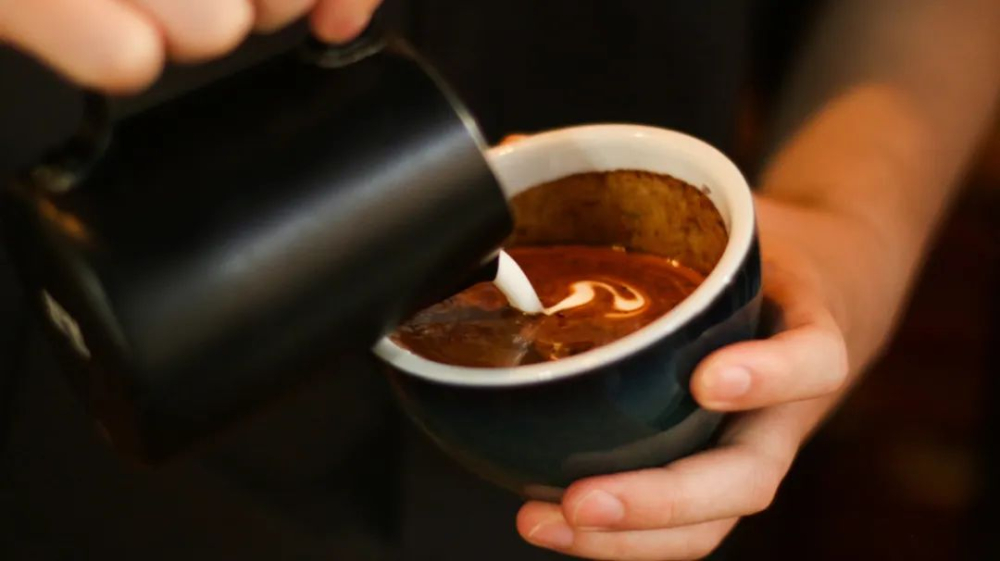
In cappuccino, the proportions of milk, milk foam, and coffee are each one-third. The equal ratio of milk to coffee is the greatest characteristic of cappuccino. Because the proportions of milk and milk foam are small and cannot mask the coffee's aroma, when tasting it, cappuccino has a rich coffee aroma and a denser mouthfeel, like marshmallow. Therefore, if you are not used to strong coffee, you should choose latte; if you like coffee with a slightly stronger taste, cappuccino will be your favorite.
3. The two have different origins
Latte means milk in Italian. The earliest latte was made by simply adding hot milk directly to brewed coffee. It was not until the Italian Achille Gaggia invented the steam pressure coffee machine that Italian latte became popular and has remained so to this day. Cappuccino appeared along with the steam pressure coffee machine, so its origin is later than that of latte. The name cappuccino, however, comes from the brown robes and pointed hoods worn by church monks.
For more specialty coffee knowledge, please follow: Front Street Coffee ( Frontsteet Coffee )
The above content is compiled by CoffeeHunters, a coffee news website.


