







Where Did Coffee Originate and How Did Latte Art Begin?
Latte art traces back to Italy, where espresso machine technology made steamed-milk drinks possible. Luigi Bezzera of Milan built the first semi-automatic steam-pressure coffee machine and patented it in 1901; La Pavoni then bought the patent, added a steam wand, and brought it to market in 1906. The patterned pour itself, however, only appeared decades later, in the United States.
In the 1980s David Schomer ran a small Seattle coffee stand and accidentally let the final white milk foam settle into a heart shape. He later founded Espresso Vivace, studied Italian espresso style, and systematically refined the pouring technique, training other baristas. The decorated drink spread through the United States in the late 1980s and then worldwide, becoming standard in the italian cafe latte tradition.
Ordering a milk coffee at a café, latte art is almost standard. From simple hearts and leaves to complex animal designs, latte art has become a professional skill for baristas. But where did this craft actually come from? This article traces the history of latte art: it originated from espresso machine technology in Italy, yet was accidentally discovered and systematically studied by American David Schomer in the 1980s, and eventually spread worldwide. Latte art is not just about visual beauty; it also emphasizes the blended taste of milk and espresso. The article also covers the origin of the name "latte art," etching techniques, and how latte art enhances the overall quality of coffee in the specialty coffee wave, satisfying consumers' pursuit of coffee that pleases the eye, nose, and palate.
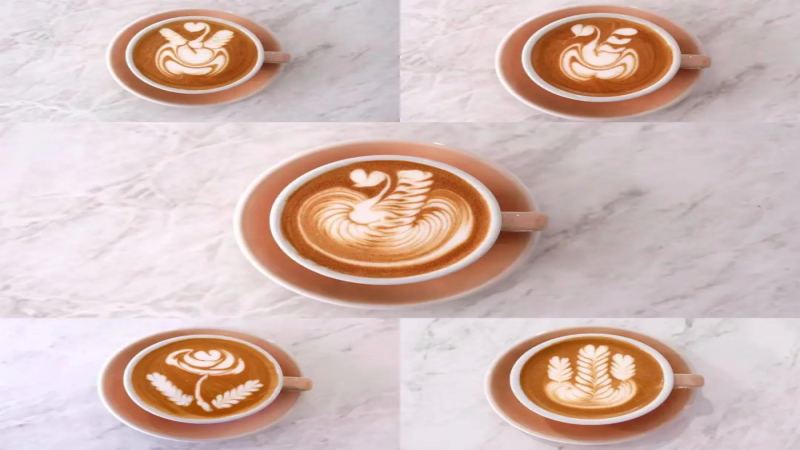
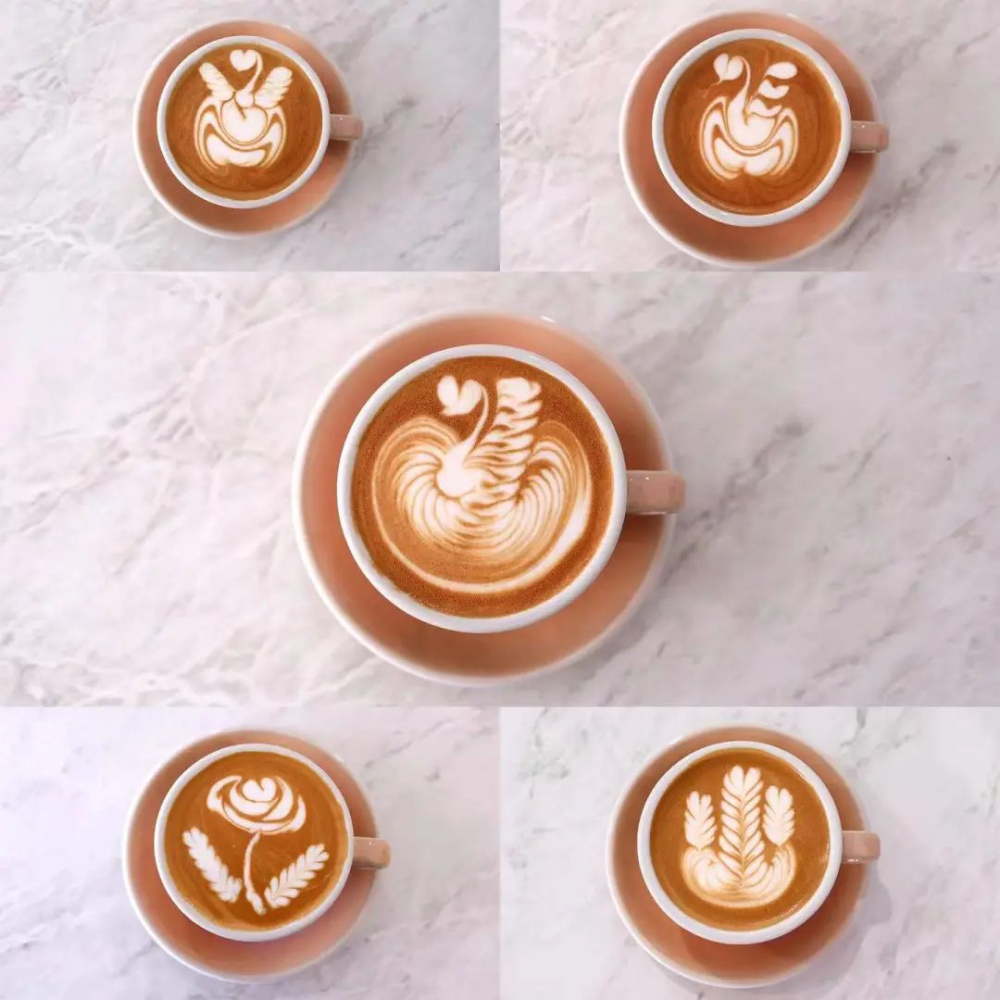
When cafés make milk-based espresso drinks, latte art is usually a standard feature. From simple hearts and leaves to complex animals and cartoon designs, the patterns are diverse. In some coffee competitions, latte art is a professional skill that baristas must master, with various exquisite designs created at will. So, who originally pioneered this dazzling technique?
Did latte art originate in Italy or the United States?
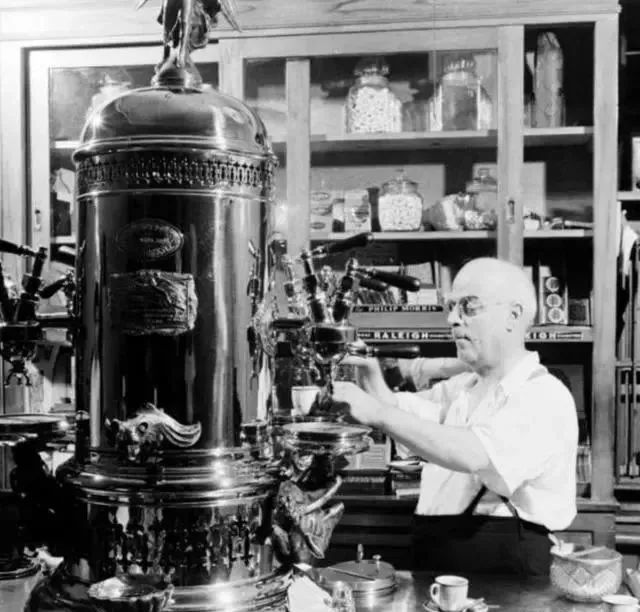
To create latte art, you naturally need a pressurized espresso machine and a steam wand. In the early 20th century, Luigi Bezzera, a manufacturer in Milan, Italy, built the first semi-automatic steam-pressure coffee machine to extract coffee more efficiently, and obtained a patent in 1901. Afterward, the Italian company La Pavoni bought Bezzera's patent, added a steam wand to the machine, and brought it to market in 1906.
Although the practice of using steamed milk already existed in Italy by the late 19th century, the birth of latte art came decades later. Latte art became widely known thanks to Americans. In the 1980s, David Schomer ran a small coffee stand in Seattle. While making an espresso milk drink one time, he accidentally let the final white milk foam form a "heart" on the surface.
Later, David gained a deep understanding of the style and craft of Italian espresso at the time, founded Espresso Vivace, and devoted himself to studying this "pattern-pouring" technique, improving it and training more baristas to master high-quality latte art. In the late 1980s, this decorated coffee became popular in the United States and quickly spread around the world.
Latte art is also called "Latte Art"
Latte is a transliteration from the Italian "Caffè Latte," where "Latte" means milk. Steamed hot milk is incorporated into espresso while pouring an "artistic" pattern, hence the name Latte Art.
Early latte art was limited to simple patterns such as hearts and leaves. With the development of specialty coffee, baristas around the world increasingly valued this skill and began designing more refined visual effects. In addition, an etching technique emerged, using milk foam and auxiliary ingredients to create bolder graphics.
At first, baristas focused more on the presentation of patterns, but with industry development and rising consumer demand, latte art has not only become more refined visually but has also continuously improved in the silky texture of the milk and the methods and techniques of blending with espresso, thereby enhancing the overall taste of the coffee and achieving a realm of appealing color, aroma, and flavor. David pointed out that a high-quality espresso and premium milk are both crucial for making exquisite latte art.
The popularity of milk coffees such as lattes and flat whites on social media and in friend circles is largely due to the addition of Latte Art. Who wouldn't like the coffee they order to have not only a rich taste but also a pleasingly beautiful latte art design?
Professional coffee knowledge exchange
More coffee bean information
Please follow Coffee Workshop (WeChat public account cafe_style )
For more specialty coffee beans, please add the private WeChat Front Street Coffee (FrontStreet Coffee), WeChat ID: qjcoffeex
The above content is compiled by CoffeeHunters, a coffee news website.


