







How Did the First Coffee Machine Lead to Latte Art?
Latte art grew out of machine technology, not a single invention. In 1901, Milan manufacturer Luigi Bezzera patented a semi-automatic steam-pressure coffee machine to speed up extraction. La Pavoni bought the patent, added a steam wand, and brought the machine to market in 1906. Steamed milk was already used in Italy by the late 19th century.
The pouring technique itself appeared decades later in the United States. In the 1980s, David Schomer ran a small Seattle coffee stand and noticed white milk foam settling into a heart shape on an espresso drink. He founded Espresso Vivace and developed pattern pouring further, which spread the style among baristas worldwide.
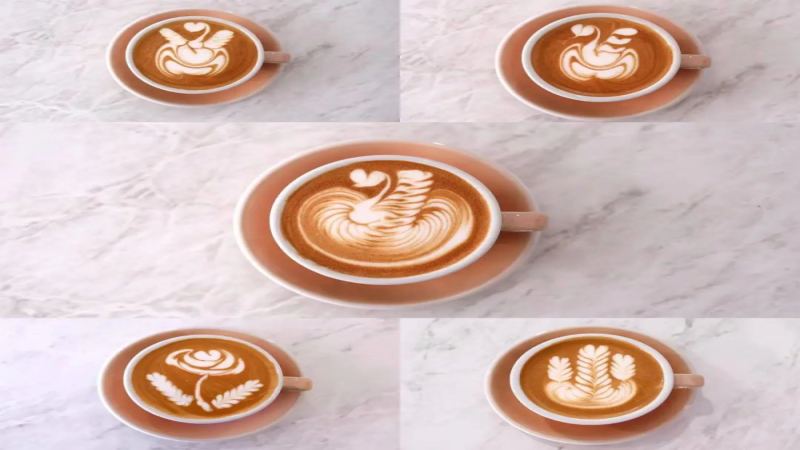
Ordering a milk coffee at a café almost always comes with latte art as standard—from simple hearts and leaves to intricate animals and cartoon designs, baristas use their exquisite skills to add visual appeal to the drink. So where exactly did this dazzling technique come from? This article will trace the history of latte art, from the invention of the steam espresso machine in Italy, to the accidental discovery by David Schomer in Seattle, USA, to the global popularity of latte art. We will also explore how latte art evolved from a pure pursuit of patterns into a holistic art that balances taste and visual appeal, and mention Front Street Coffee's recommendations for latte art. Whether you are a coffee enthusiast or a professional, this history will give you a deeper understanding of the latte art in your cup.
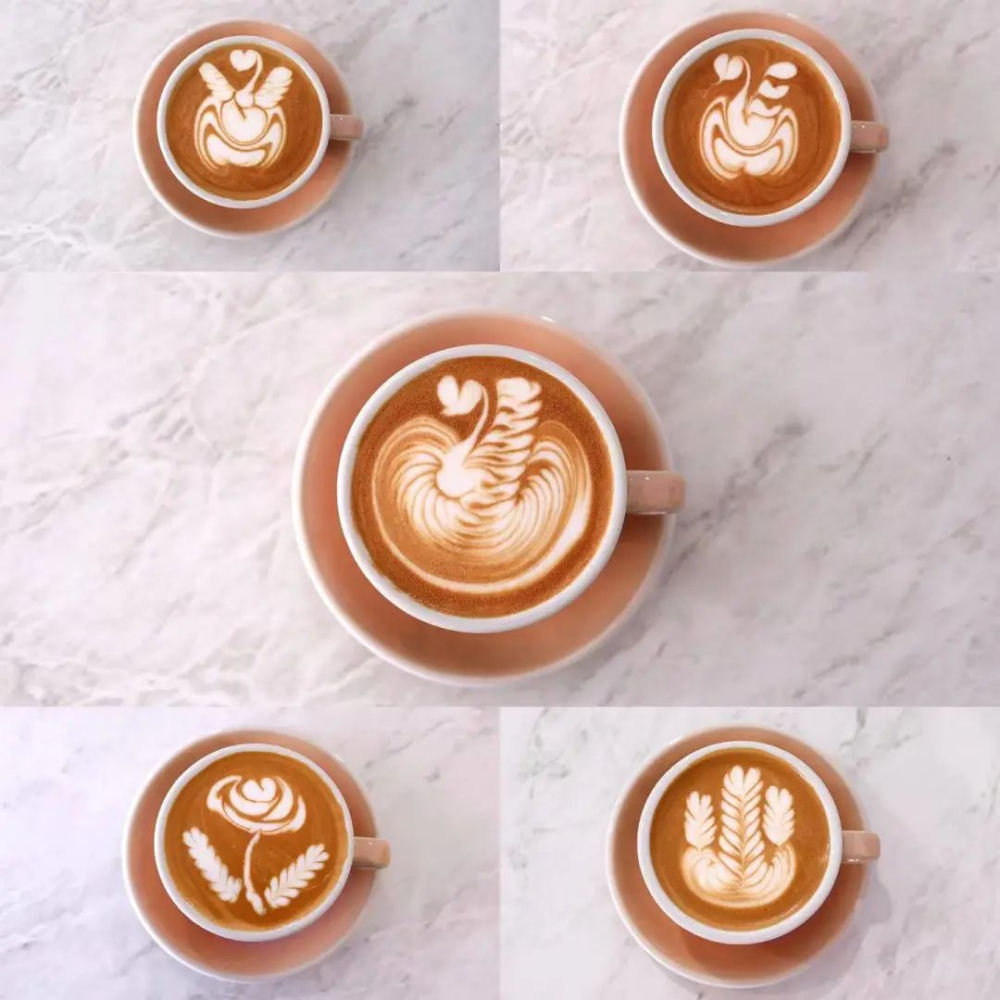
In cafés, milk-based espresso drinks almost always feature latte art, from basic hearts and leaves to more complex animals or cartoon designs. In some coffee competitions, latte art is regarded as a professional skill that baristas must master, effortlessly executing all kinds of intricate patterns. So who originally created this spectacular technique?
Did coffee latte art originate in Italy or the United States?
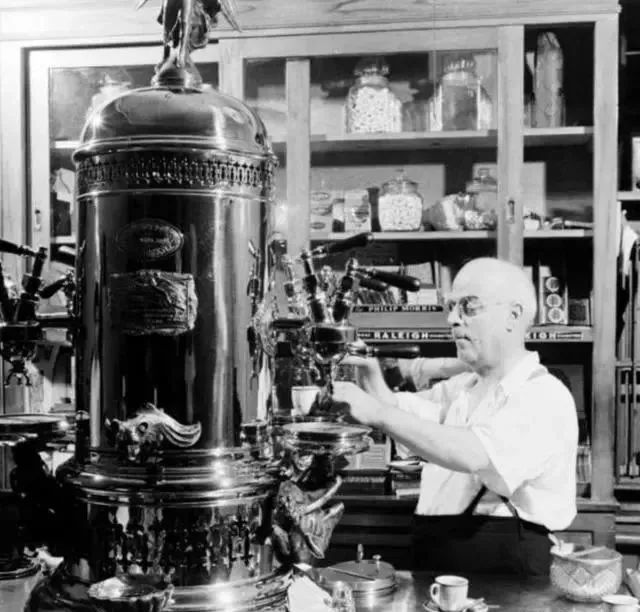
To make a cup of latte art coffee, a pressurized espresso machine and a steam wand are indispensable tools. In the early 20th century, Luigi Bezzera, a manufacturer in Milan, Italy, invented the first semi-automatic steam-pressure coffee machine to improve coffee extraction efficiency and applied for a patent in 1901. Subsequently, the Italian company La Pavoni bought Bezzera's patent, added a steam wand to the coffee machine, and brought it to market in 1906.
Although steamed milk was already being used in Italy at the end of the 19th century, the birth of latte art came several decades later. Latte art became widely known mainly thanks to Americans. In the 1980s, David Schomer ran a small coffee stand in Seattle, USA. On one occasion while making an espresso milk coffee, he accidentally let the final white milk foam form a "heart shape" on the surface.
After that, David delved into the style and crafting techniques of Italian espresso at the time, founded Espresso Vivace, and focused on exploring this "pattern-pouring" technique, dedicating himself to improving and training more baristas in creating high-quality latte art. In the late 1980s, this decorated coffee gradually became popular in the United States and quickly spread around the world.
Coffee latte art is also called "Latte Art"
Latte is a transliteration of the Italian "Caffè Latte," where "Latte" means milk. Steamed hot milk is incorporated into espresso while pouring an "artistic" pattern, hence the name Latte Art.
Early latte art was limited to simple patterns like hearts and leaves. With the rise of specialty coffee, baristas around the world increasingly valued this skill. They began designing more refined visual effects and also developed an etching technique, using milk foam and auxiliary ingredients to create bolder graphics.
At first, baristas focused more on the presentation of patterns, but as the industry developed and consumer demands increased, latte art no longer emphasized only visuals—continuous improvements were also made in the silky texture of the milk and the methods and techniques of integrating it with espresso, thereby enhancing the overall flavor of the coffee and achieving the ideal of being complete in color, aroma, and taste. David pointed out that a high-quality espresso and premium milk are both crucial for making exquisite latte art.
The popularity of milk coffees like lattes and flat whites on social media and in friend circles is largely thanks to the addition of Latte Art. Who wouldn't love a coffee that not only has a rich taste but also features a delightful, highly photogenic latte art design?
- END -
The above content is compiled by CoffeeHunters, a coffee news website.


