







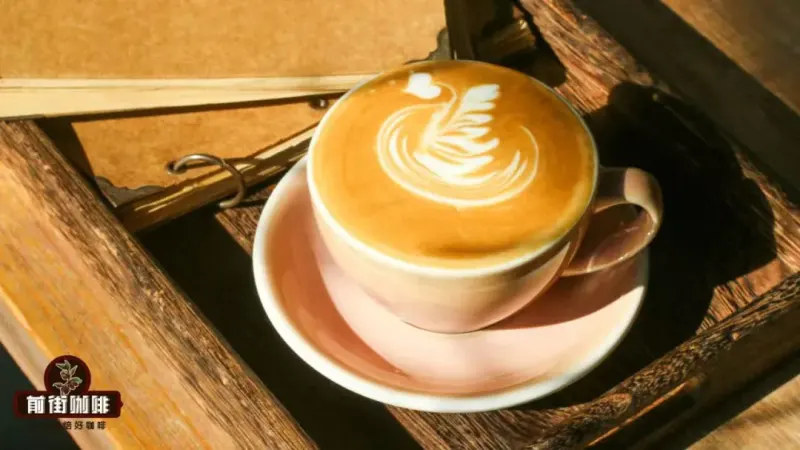
Walk into any coffee shop, and the best-selling item on the menu is almost always the latte. This drink, made with an espresso base and a generous amount of milk, has somehow won over the taste buds of so many consumers—what's its secret? This article starts with the origins of the latte, analyzing how it became widely popular thanks to more milk and less bitterness, and how it became a shared favorite of baristas and customers alike through latte art and its versatile adaptability. We'll also introduce two espresso blend beans that Front Street Coffee has prepared for latte lovers, helping you recreate coffee-shop-quality drinks at home.
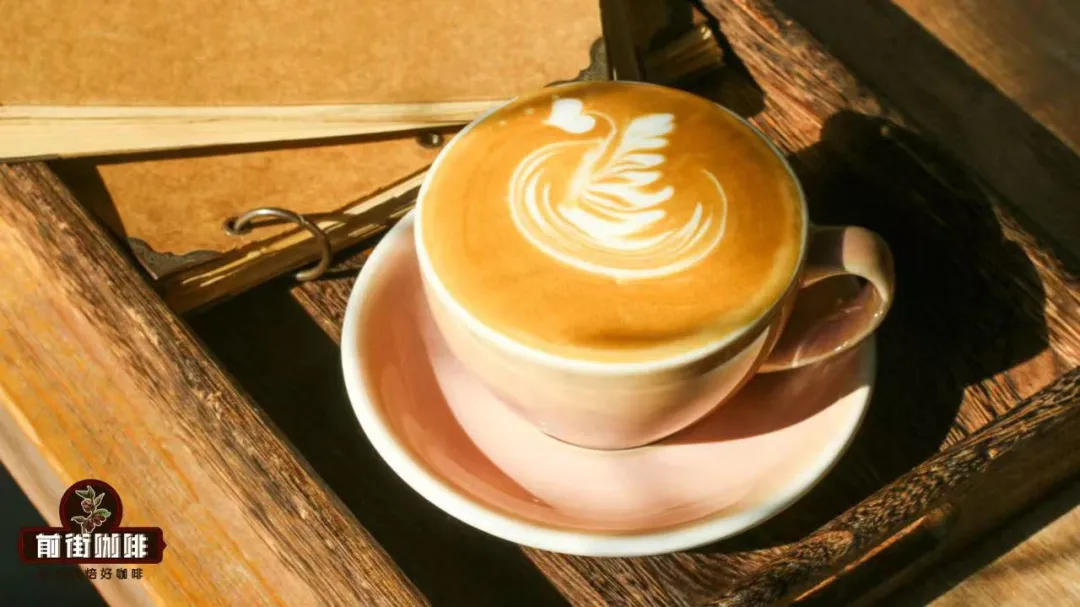
In a broad sense, a latte refers to a drink made with espresso as the base, combined with milk in a certain ratio. Whether at a large chain brand or a boutique independent coffee shop, it is almost always an indispensable item on the menu, and it holds the top sales spot year after year.
Recently, a topic has sparked widespread discussion: with so many types of coffee, why can the latte still become the number-one seller at most shops? In fact, Front Street Coffee wrote an article exploring a similar question as early as last year. The reason lattes are so favored is the result of multiple factors stacking together, and Front Street Coffee believes the most core one is that it has more milk and a milder coffee taste.
More Milk, Less Bitterness
Since the birth of the espresso machine, the small yet intense espresso quickly swept across Italy. However, limited by the coffee bean quality and the relatively dark roast level at the time, the extracted espresso often carried a very strong burnt bitterness, which was not friendly to those unaccustomed to bitterness or trying espresso for the first time. So, some people began trying to blend steamed milk into espresso.
However, it should be understood that the earliest Italian milk coffee was not the latte, but the cappuccino. To preserve the coffee's flavor after adding milk, Italian baristas controlled the proportion of milk in the cup by steaming thick, dense milk foam, so that the coffee taste would not be completely masked by the milk.
By the 1950s and 1960s, Italians who had emigrated to the United States brought coffee machines and opened a café in California—Caffe Mediterraneum—to make a living. But the locals did not have a habit of drinking strong coffee; the high-concentration espresso was hard for them to accept, and even the milk-added cappuccino was the same.
So the café owner localized the cappuccino to American tastes: reducing the thickness of the steamed milk foam, thereby increasing the proportion of milk in the cup. Thus, a drink with more milk and a milder coffee taste than the cappuccino was born.
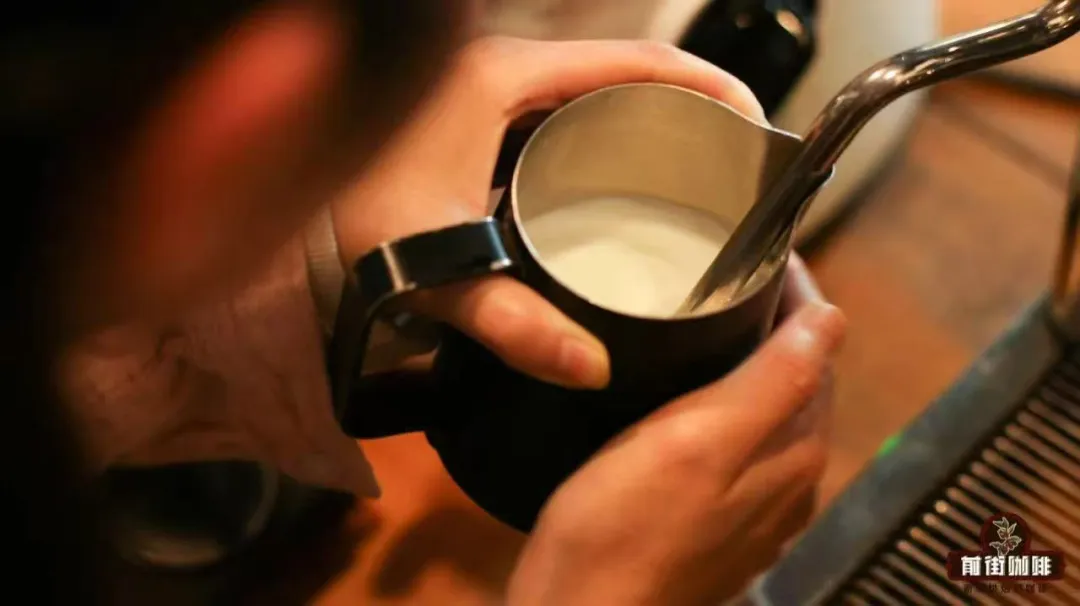
Because of the increased milk ratio, the coffee's bitterness was effectively neutralized, and the first sip was no longer intensely burnt-bitter but instead turned mild and aromatic. At the same time, the rich protein and fat in the milk further optimized the mouthfeel, making the whole cup smoother, fuller, and easier to drink. Precisely because of this, this drink had a broader audience locally than the cappuccino.
To distinguish this more approachable milk coffee from the cappuccino, the owner named it "Caffè e latte" and listed it on the menu as a brand-new category.
Even in the 21st century today, the main reason for the latte's popularity is still more milk and a milder coffee taste. In short, it is not that bitter, and therefore can be accepted by most people. After all, the vast majority of friends—including those at Front Street Coffee—are not devoted fans of bitterness.
If you want to make a latte flavor consistent with coffee shops, or aspire to become a café owner, then Front Street Coffee's commercial blend is the first choice. Compared with other espresso coffees, Front Street Coffee's commercial blend uses the classic combination of Brazil and Colombia, and adds a small amount of Robusta, adding layers to the original flavor and presenting complex nutty aromas of almonds, almond, and walnuts. Its crema has excellent flow, and the taste is low-acid and full-bodied. Combined with its price advantage, it is undoubtedly the optimal choice for opening a shop.
If you want to drink a non-bitter Americano or latte, you can choose Front Street Coffee's Strawberry Candy espresso blend. As the name suggests, this is a coffee with extremely high sweetness, blended from three single-origin coffees from different regions. Front Street Coffee's Strawberry Candy not only carries a rose floral aroma, but when made into an Americano or latte, you can also taste the flavors of grapes, dried blueberries, sweet orange, and fruit candy, with a very unique mouthfeel.
But we need to know that usually a person, with no understanding of coffee at all, cannot distinguish a cappuccino from a latte, only knowing that both are coffee with milk added, and as for how much milk, there is no way to judge. At this point, another trait of the latte stands out, prompting people to choose it first when ordering. What is it? That's right—the ever-changing latte art patterns.
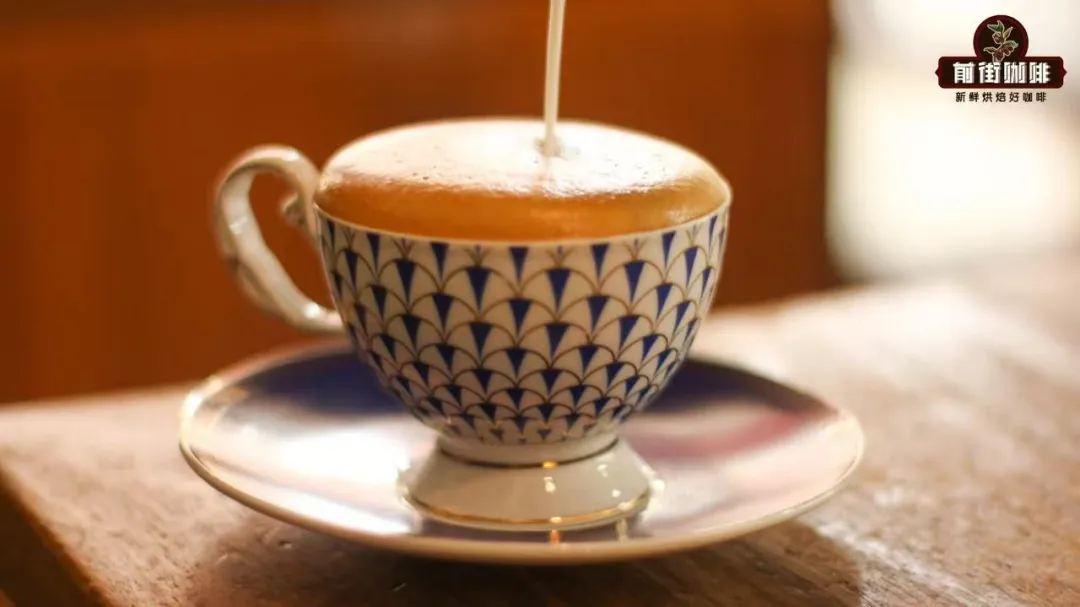
Unique Visual Appeal and Sense of Ritual
In 1980, a barista in Seattle, USA, named David Schomer, accidentally let the milk foam form a heart shape on the surface of the coffee crema while making a latte. The appearance of this pattern completely opened the door to the art of latte art. After that, people began using milk foam to draw patterns on the coffee surface, adding visual beauty to coffee. And the latte is precisely the most important showcase platform for latte art.
Compared with other milk coffees, the milk foam of a latte is more suitable for latte art—neither too thick nor too thin, with just the right flow. In addition to basic shapes, this milk foam can also draw more complex combined patterns. Therefore, the latte has become the main vehicle for displaying latte art, and the vast majority of complex patterns are born on latte cups. Precisely because of this, even if people cannot tell a latte from a cappuccino, they will choose the latte first because of the exquisite patterns on it.
More Diverse Choices
The positioning of the latte is not to highlight the coffee taste, but to pursue a balance between milk and coffee. Therefore, compared with other drinks that emphasize coffee taste, the latte has higher adaptability.
It can be infused with various flavored syrups to create rich and diverse tastes, satisfying different preferences. At the same time, it can also be made with various dairy products to accommodate people with different dietary needs. Precisely because of this, the latte is not only a favorite of consumers but also the first choice for most baristas when developing new products.
Other Factors
In addition to the three main factors above, there are also some reasons driving up latte sales, such as the latte's larger cup size, higher cost-effectiveness, and the fact that it is the first choice for poster promotion. In summary, the latte has significant advantages in every aspect and has achieved a perfect balance, which is why it can ascend to the top sales spot in the vast majority of coffee shops.
The above content is compiled by CoffeeHunters, a coffee news website.


