







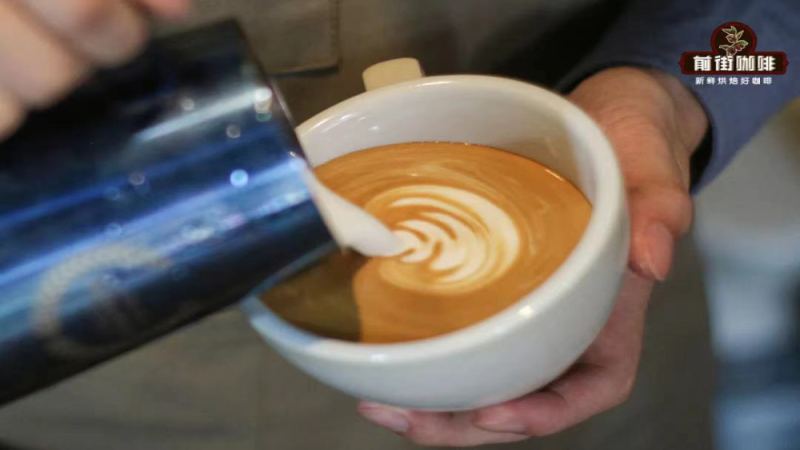
Many coffee enthusiasts are first drawn in by a cup of latte with exquisite latte art. But have you ever wondered where coffee latte art actually comes from? In this article, Front Street will take you through the historical development of latte art, from the invention of early Italian coffee machines, to the heart pattern accidentally created by a barista in Seattle, USA, and then to the global spread of latte art skills. At the same time, we will also discuss the importance of crema for latte art and recommend a Front Street espresso blend coffee bean suitable for latte art, helping you make milk coffee that is both delicious and beautiful.
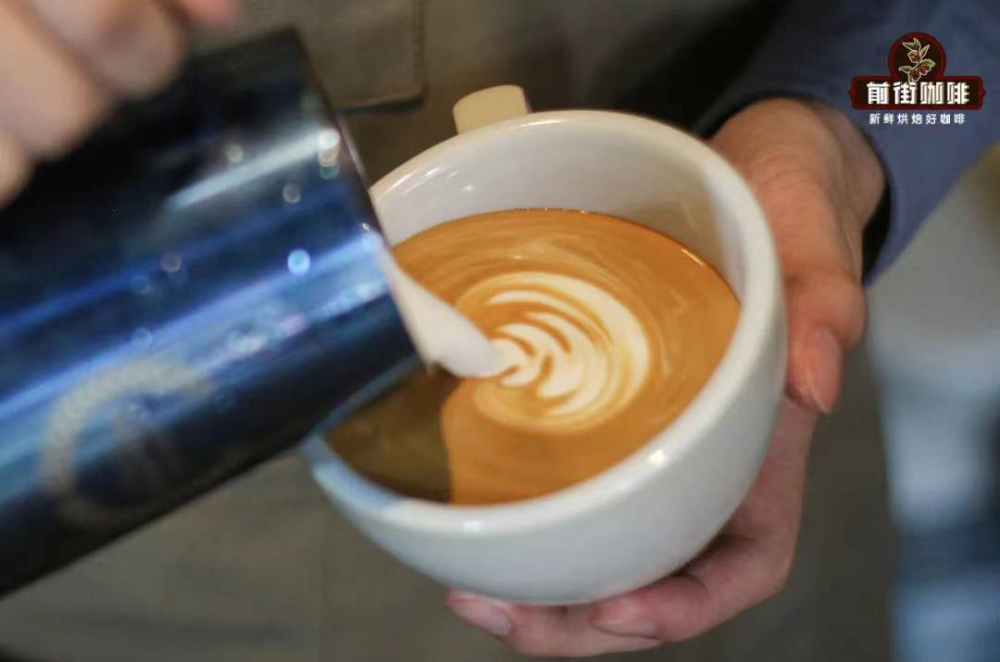
Many people get into coffee starting from beautiful latte art designs. After all, whenever you successfully recreate an exquisite pattern, the sense of achievement in your heart is incomparable. So do you know who was the first to create latte art on coffee? In this article, Front Street will tell everyone about the historical origins of coffee latte art.
Coffee latte art is also called "Latte Art"
Latte coffee is transliterated from the Italian "Caffè Latte," and "Latte" refers to milk. Steamed hot milk is incorporated into espresso while pouring out "artistic" patterns, so it is called Latte Art.
Early coffee latte art consisted only of simple patterns such as "hearts" and "leaves." With the development of specialty coffee, baristas around the world have increasingly valued this skill. They began designing and presenting more exquisite visual effects, and there is also an etching technique that uses milk foam and auxiliary materials to create bolder graphics.
At first, baristas focused more on the presentation of patterns, but through industry development and high consumer demand, coffee latte art has not only become more refined visually, but has also been continuously improved in the silky texture of the milk and the methods and techniques for integrating it with espresso, thereby enhancing the overall taste of the coffee and achieving the so-called ideal state of color, aroma, and flavor all being complete.
The phenomenon of milk coffees such as lattes and flat whites becoming popular on social media and in Moments is largely due to the addition of Latte Art. Who would not like the coffee they order to have not only a rich and mellow taste, but also a pleasing, highly attractive latte art design?
The Origin of Coffee Latte Art
To create latte art in a cup of coffee, of course, a pressurized espresso machine and a steam wand are indispensable. In the early twentieth century, Luigi Bezzera, a manufacturer in Milan, Italy, invented the first semi-automatic steam pressure coffee machine in order to extract coffee more efficiently, and applied for a patent in 1901. Later, the Italian company La Pavoni acquired Bezzera's patent and also added a steam wand to the coffee machine, launching it on the market in 1906.
Although Italy already had the practice of steaming milk by the end of the nineteenth century, the emergence of latte art came several decades later, and the public recognition of latte art is thanks to Americans. In the 1980s, David Schomer set up a small coffee stand in Seattle, USA. One day, while making an espresso milk coffee, he happened to form a "heart shape" on the surface with the last bit of white milk foam.
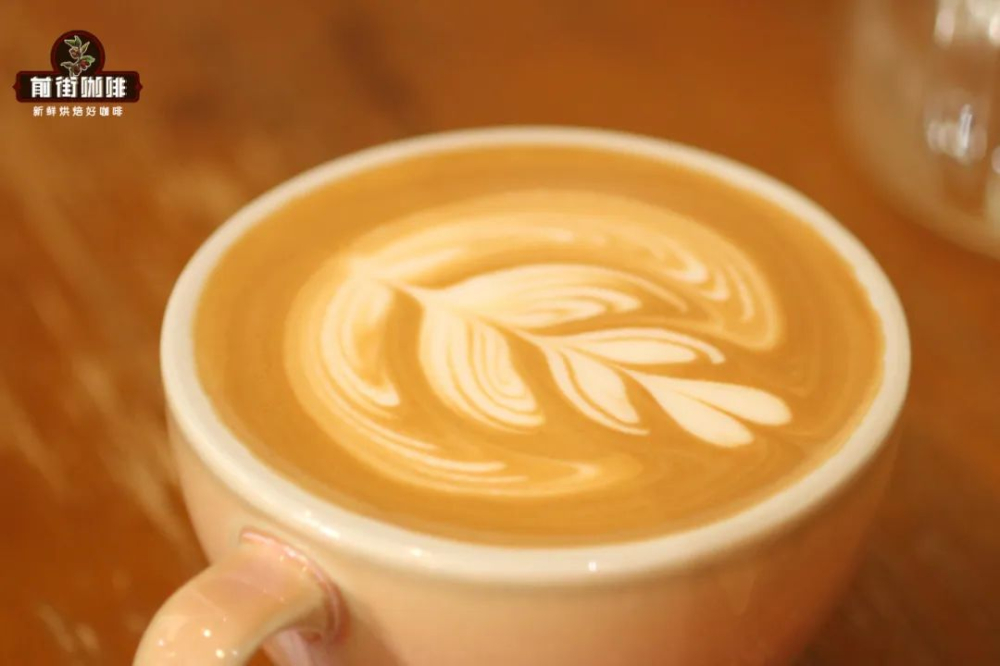
Later, after gaining a deeper understanding of the style and production techniques of Italian espresso at that time, David opened Espresso Vivace and studied this "pattern-pouring" technique, improving and training more baristas in the ability to create high-quality latte art. By the late 1980s, this kind of coffee decorated with patterns began to spread in the United States and soon spread around the world.
Recommended Coffee Beans with Rich Crema
In addition to equipment requirements, another essential factor is needed to give coffee beautiful latte art, and that is rich coffee crema.
Front Street has created an espresso blend coffee bean for customers who like crema and mouthfeel, named "Front Street Commercial Blend Coffee Beans." It is made from Arabica coffee beans from Brazil and Colombia blended with 10% Robusta coffee beans.
This blend tastes of rich crema and mouthfeel with caramel sweetness, and also has nutty and cocoa-like, dark chocolate roasted aromas. It is rich and balanced, with a slight bitterness and a lasting finish. A small amount of Robusta coffee beans is added to enhance the richness of the crema and its golden color. Because the amount is small, it will not change the flavor too much.
The reason Front Street named this blend "Front Street Commercial Blend Coffee Beans" is that it performs very well whether used to make Americano or milk coffee, and combined with its price advantage, it is very suitable for use when opening a coffee shop.
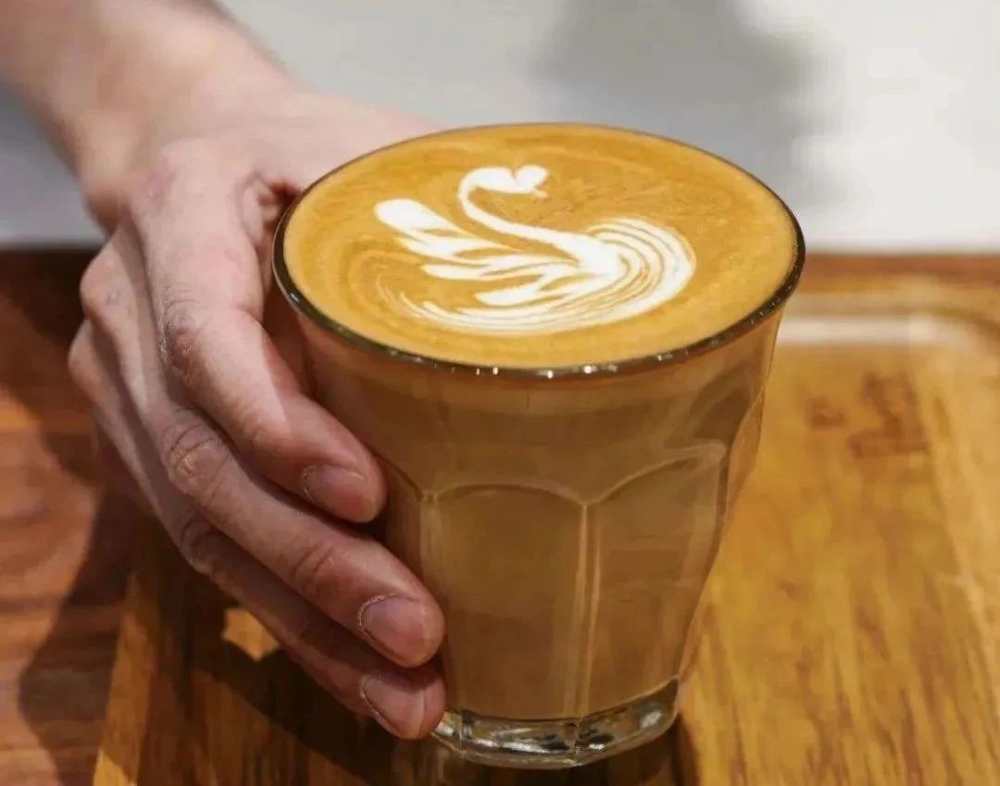
Espresso is still the base used to make latte coffee, and when making a hot latte, a beautiful latte art pattern is often included "along the way." Fine and rich coffee crema makes latte art easier. Espresso with visible crema can blend better with milk foam and maintain a stable state, which has a huge impact on the fineness and setting of latte art. Although espresso without crema can also be used for latte art, the poured pattern appears somewhat stiff and rough in appearance.
In addition, because crema is produced by the oil in coffee wrapping the carbon dioxide in coffee, the amount of crema can also be used to judge whether the coffee beans are fresh. The more crema, the fresher the coffee beans. Precisely because of this, freshly roasted coffee beans are the primary condition for latte art, so the coffee beans shipped by Front Street are all guaranteed to be freshly roasted within 5 days. When you receive the coffee from the logistics provider, it is just within the best tasting period. In this way, we hope every customer can drink the most complete and good coffee.
For professional coffee knowledge exchange and more coffee bean information, please follow Coffee Workshop (WeChat public account: cafe_style)
For more specialty coffee beans, please add the private WeChat of Front Street Coffee (FrontStreet Coffee), WeChat ID: qjcoffeex
The above content is compiled by CoffeeHunters, a coffee news website.


