







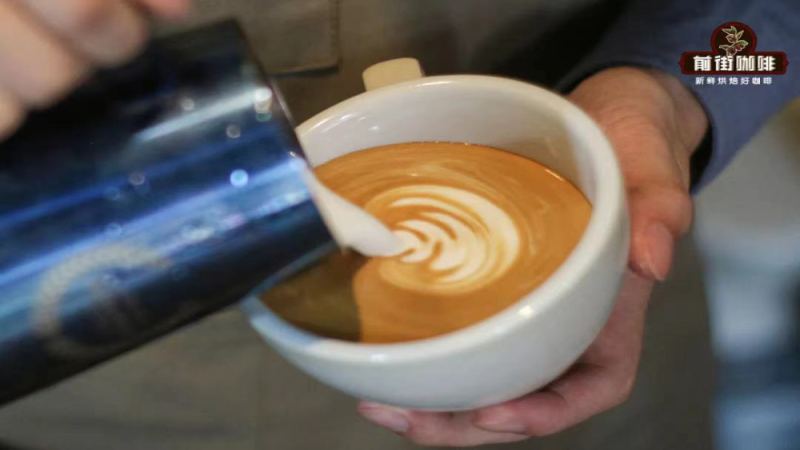
How Did Latte Art Begin, and How Does Blend Coffee Support It?
Latte art grew out of espresso culture: the name comes from the Italian Caffè Latte, where Latte means milk. Early patterns were limited to hearts and leaves, and the technique spread widely after Seattle barista David Schomer's work in the 1980s. Etching later added more elaborate designs using milk foam and auxiliary materials.
Rich crema is the key factor behind a clear pattern, so the choice of blend coffee matters as much as pouring skill. Espresso blends built for milk drinks give baristas steadier crema, and as the specialty wave advanced, attention shifted from looks alone to matching milk texture with espresso for balanced flavor.
Many people fall in love with coffee starting from a latte with beautiful latte art patterns. So, who was the first to create patterns on the surface of coffee? How did latte art evolve from simple hearts and leaves to today's rich and diverse visual presentations? This article will take you through the historical trajectory of coffee latte art, from the birth of espresso machines in the early twentieth century, to the accidental discovery by Seattle barista David Schomer in the 1980s, and then to the global popularization of latte art techniques. At the same time, we will also discuss the key factor in creating beautiful patterns—rich crema—and two espresso blend coffee beans that Front Street has prepared for latte art enthusiasts, helping you easily make high-appeal milk coffee at home.
For more specialty coffee knowledge, please follow: Front Street Coffee ( Frontsteet Coffee )
For many people, their starting point with coffee is being drawn in by a milk coffee with beautiful latte art patterns. Whenever you successfully recreate a satisfying pattern with your own hands, that joy is hard to put into words. So, who was the first person to create latte art on coffee? In this article, Front Street will talk with everyone about the historical origins of coffee latte art.
Coffee latte art is also called "Latte Art"
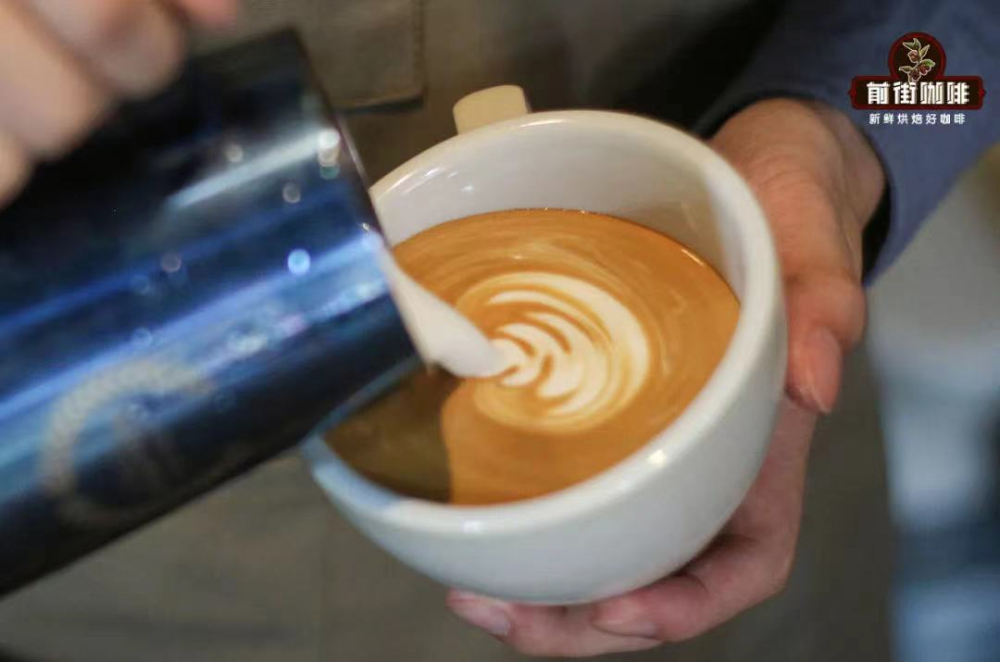
Latte is a transliteration of the Italian "Caffè Latte," in which "Latte" means milk. Steamed milk is poured into espresso, while artistic patterns are drawn on the surface, hence the name Latte Art.
In the earliest stage of coffee latte art, the patterns were limited to basic styles such as hearts and leaves. With the advancement of the specialty coffee wave, baristas around the world placed increasing importance on this skill and began pursuing more refined visual expression. In addition, etching techniques also emerged, using milk foam and auxiliary materials to create more exaggerated and bold designs.
Early baristas mainly focused on the presentation of the patterns. However, as the industry evolved and consumer demands increased, coffee latte art no longer remained only at the visual level. The delicate texture of the milk and the techniques and skills for integrating it with espresso also continued to improve, thereby driving an overall improvement in coffee flavor and achieving a realm that combines appearance, aroma, and taste.
The reason lattes, flat whites, and other milk coffees can quickly become popular on social media and in friend circles is largely due to the boost from Latte Art. Who wouldn't want the coffee they order to be not only fragrant and delicious, but also have a visually pleasing, highly attractive latte art design?
The Origin of Coffee Latte Art
To create latte art on a cup of coffee, a pressurized espresso machine and a steam wand are indispensable tools. In the early twentieth century, Luigi Bezzera, a manufacturer in Milan, Italy, developed the first semi-automatic steam pressure coffee machine to improve coffee extraction efficiency and obtained a patent in 1901. Later, the Italian company La Pavoni bought Bezzera's patent and added a steam wand to the coffee machine, bringing it to market in 1906.
Although the practice of heating milk with steam had already appeared in Italy at the end of the nineteenth century, the birth of latte art had to wait several more decades, and latte art becoming widely known to the public was thanks to an American. In the 1980s, David Schomer ran a small coffee stand in Seattle, USA. While making an espresso milk coffee one time, he accidentally let the final white milk foam form a "heart shape" on the surface.
After that, David conducted in-depth research on the style and crafting techniques of Italian espresso at the time, founded Espresso Vivace, and focused on studying this "pattern-drawing" technique, dedicating himself to improving and training more baristas to master high-quality latte art skills. In the late 1980s, this kind of coffee with decorative patterns gradually became popular in the United States and quickly spread around the world.
Recommended Coffee Beans with Rich Crema
In addition to equipment-related conditions, to make coffee present beautiful latte art, there is another indispensable element—rich crema.
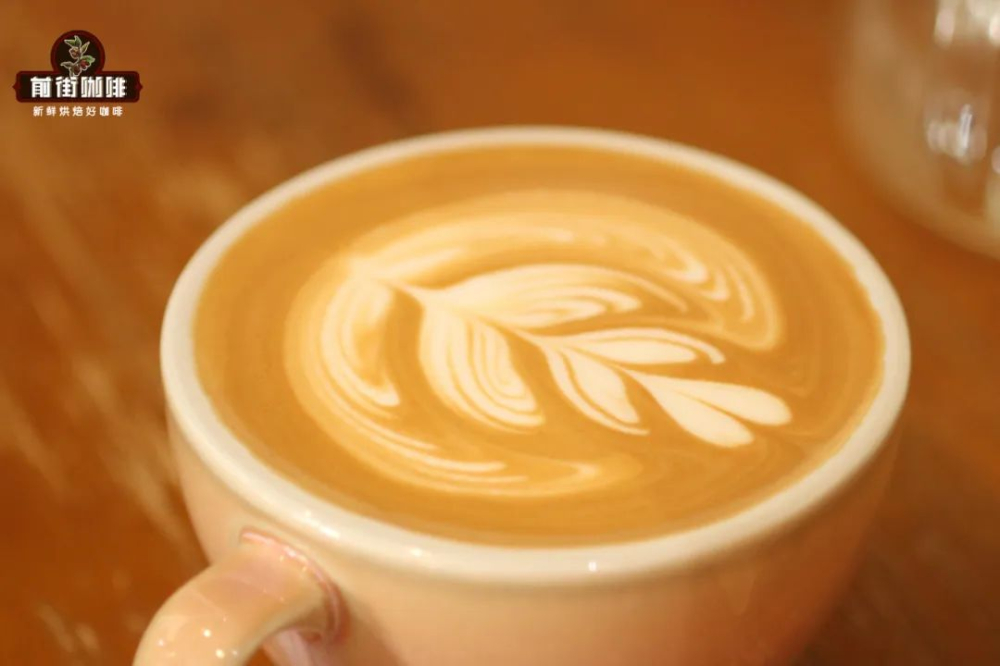
Front Street has specially developed an espresso blend coffee bean for customers who prefer rich crema and mouthfeel, named "Front Street Commercial Blend Coffee Beans." It is made from a blend of Arabica coffee beans from Brazil and Colombia plus 10% Robusta coffee beans.
This blend has a rich, creamy mouthfeel and caramel sweetness on the palate, along with roasted aromas of nuts, cocoa, and dark chocolate. It is rich and balanced, with a slight bittersweet note and a long finish. The addition of a small amount of Robusta coffee beans enhances the richness of the crema and its golden color. Because the proportion is not high, it does not greatly affect the flavor.
Front Street named this blend "Front Street Commercial Blend Coffee Beans" because it performs excellently whether used for Americanos or milk coffee, and combined with its price advantage, it is very suitable for daily use in coffee shops.
If you prefer a richer and more full-bodied taste, Front Street Classic Espresso Blend is recommended. This is a formula combining three producing regions: Brazil, Indonesia, and Vietnam. It uses a dark roast, which can maximize the release of the coffee's rich aroma and also allows everyone to easily extract rich and velvety crema. It is suitable whether making an Americano diluted with water or a latte paired with milk. It can be purchased and ordered at Front Street's Taobao store or Front Street Tmall flagship store.
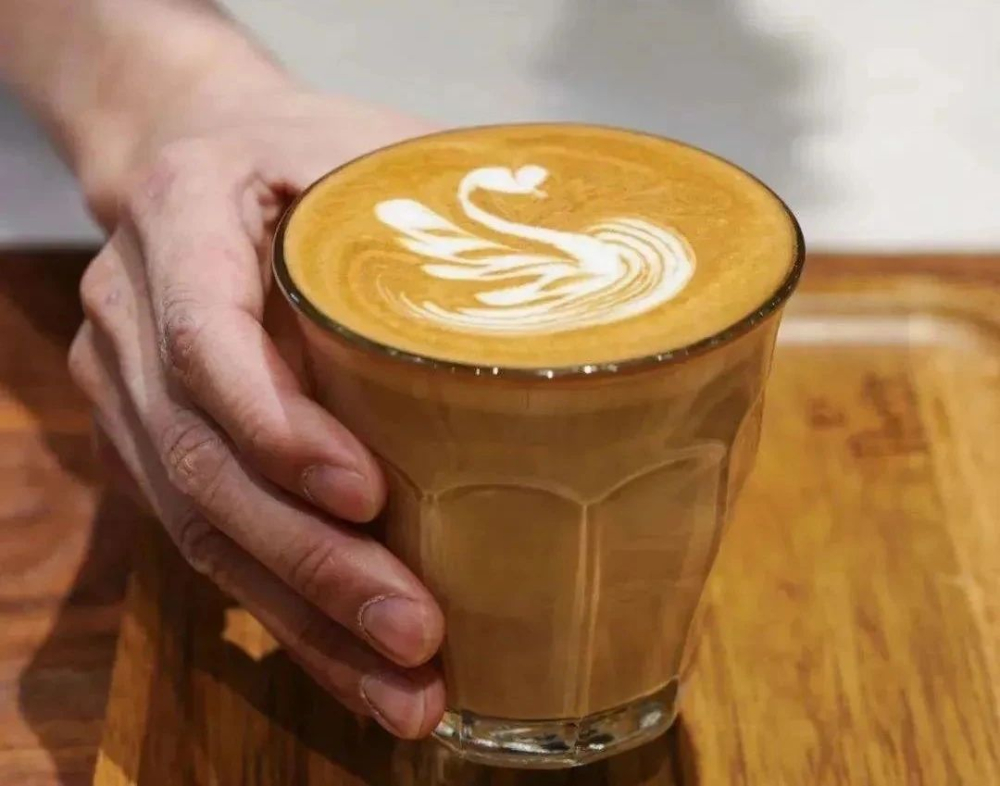
Espresso is still the base for making latte, and when making a hot latte, it is often "conveniently" paired with exquisite latte art patterns. Fine and rich crema is more conducive to latte art. Espresso with crema can blend better with milk foam and maintain a stable state, greatly affecting the fineness and setting effect of latte art. If the espresso has no crema, although latte art can still be made, the resulting pattern will appear stiff and the appearance will be relatively rough.
In addition, because crema is formed by oil in coffee wrapping carbon dioxide, the amount of crema can also be used to judge the freshness of coffee beans—the richer the crema, the fresher the coffee beans. For this reason, freshly roasted coffee beans are the primary condition for latte art. Therefore, all coffee beans shipped by Front Street are guaranteed to be freshly roasted within 5 days. When customers receive the coffee from the logistics provider, it is just at its best tasting period. We hope every customer can drink the most complete and flavorful good coffee.
The above content is compiled by CoffeeHunters, a coffee news website.


