







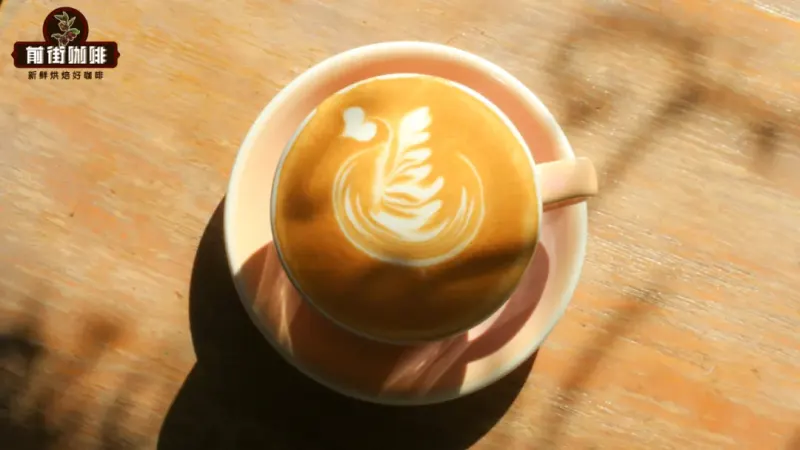
Why has the latte stayed the top-selling milk coffee for so long?
The latte combines an espresso base with a larger amount of steamed milk and milk foam, giving it a sturdy coffee backbone and a soft, dense texture. That balance explains its lasting lead in cafe sales. Mixing milk with coffee dates to seventeenth-century Europe, but the latte as a named drink only emerged in the late 1860s, after the espresso machine had matured.
The latte origin story continues through latte art, which turned a simple milk coffee into a social media fixture. Its mild flavor and low bitterness make it approachable for new drinkers, while the ratio of espresso to milk can be adjusted for stronger or creamier results. Even as coffee trends shift, the drink holds its place as the standard milk coffee order.
Today, as the specialty coffee wave sweeps the globe, the latte remains the category with a commanding lead in sales at cafés everywhere. It has the rich, sturdy backbone of espresso along with the dense, gentle softness of steamed milk—a seemingly simple combination that has nonetheless conquered countless palates. So how exactly does the latte stand out among the many milk coffees? How has its definition evolved over time? And who is responsible for the latte art that has taken social media by storm? In this article, Front Street Coffee will walk you through the latte's historical development, core characteristics, and the logic behind its popularity, while also revisiting the story of how latte art was born—so that the next time you pick up a latte, you can savor even more of what's behind it.
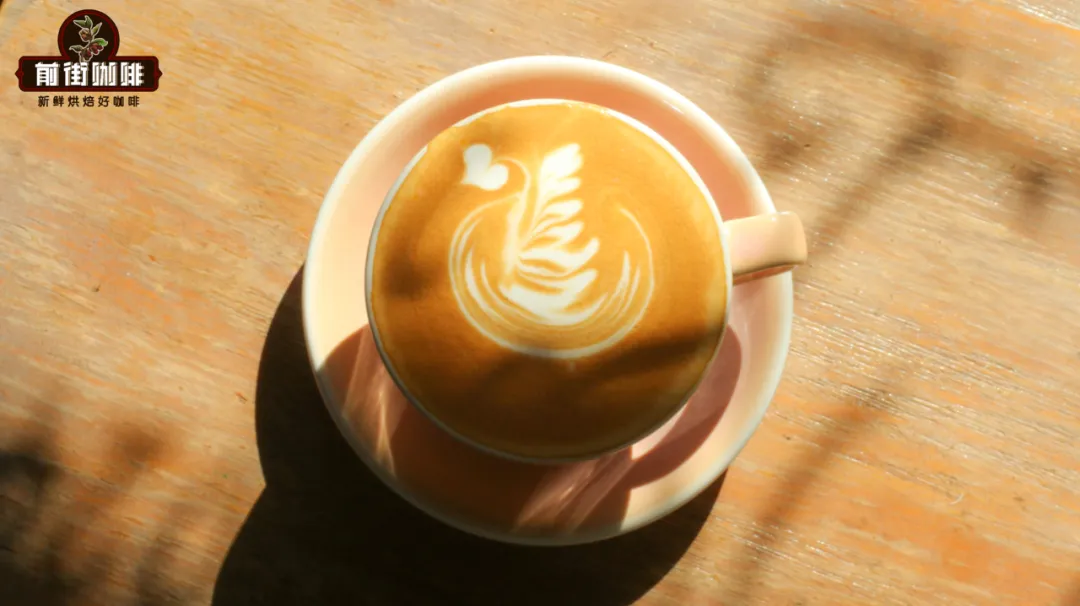
Yet no matter how coffee trends evolve, the latte remains the number one bestseller at the vast majority of cafés. So many friends wonder: there are clearly quite a few types of milk coffee, so why is the latte the most sought-after? What qualities does it have that let it come out on top among so many similar drinks? Today Front Street Coffee will talk about the reasons why the latte is so popular.
What is a latte?
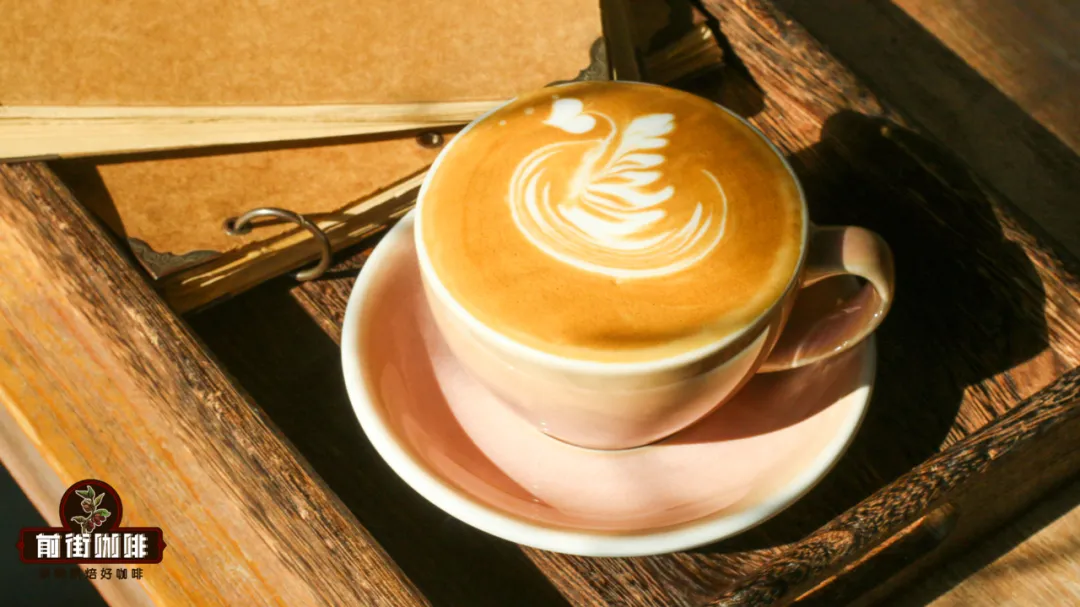
A caffè latte is a drink made with espresso as its base, combined with a larger amount of milk and steamed milk foam. The practice of mixing milk with coffee and drinking it can be traced back to seventeenth-century Europe; but for the latte to become a clearly named coffee, we have to wait until the late 1860s—by which time the espresso machine had already been invented and had developed for some time, and only then did a definition of the latte as a beverage truly emerge.

The above content is compiled by CoffeeHunters, a coffee news website.


