







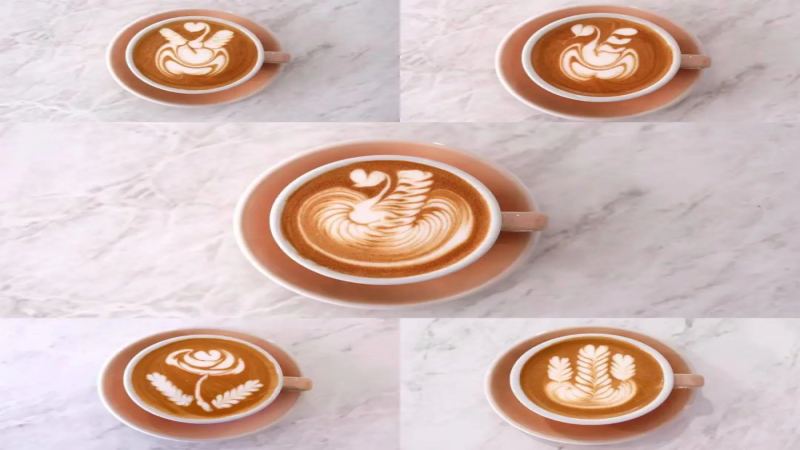
Walk into any coffee shop and order a latte or a flat white, and almost always, a heart or leaf pattern will appear on the surface of the milk foam. This technique, known as "latte art," is now a basic skill for baristas and even a scoring item in professional competitions. But have you ever wondered who was the first person to draw patterns on coffee? Was latte art born in Italy or the United States? From the first steam-pressure espresso machine in Milan in 1901, to the accidental heart-shaped milk foam at a Seattle coffee stand in the 1980s, to the ubiquitous latte art photos on social media today, this history is far more convoluted than one might imagine. This article will take you through the origins and evolution of latte art, exploring how it developed from a mere visual decoration into a cultural symbol of coffee that balances taste and aesthetics.
When coffee shops serve milk-based espresso drinks, latte art is often a standard feature—simple designs like hearts and leaves, and complex ones featuring animals or cartoon characters. In some coffee competitions, latte art is a mandatory professional skill for baristas, who can create all kinds of exquisite patterns. So who was the first to develop such a dazzling technique?
Did latte art originate in Italy or the United States?
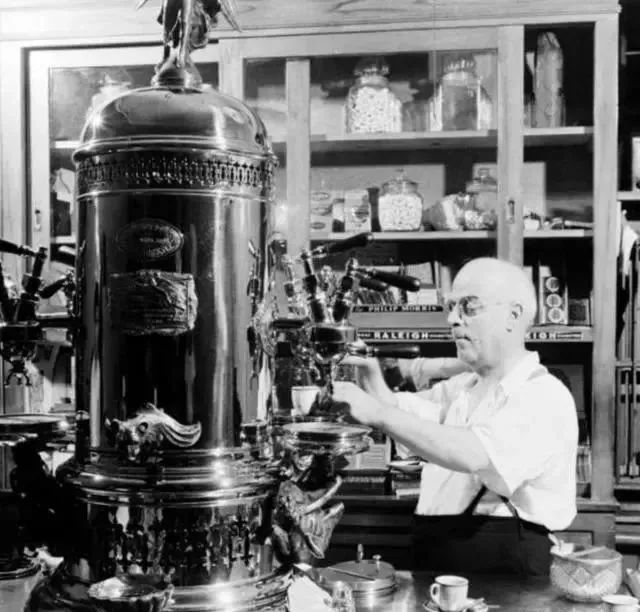
To create latte art in a cup of coffee, a pressurized espresso machine and a steam wand are essential. In the early 20th century, Luigi Bezzera, a manufacturer in Milan, Italy, invented the first semi-automatic steam-pressure coffee machine to extract coffee more efficiently and filed a patent in 1901. Later, the Italian company La Pavoni acquired Bezzera's patent, added a steam wand to the machine, and launched it on the market in 1906.
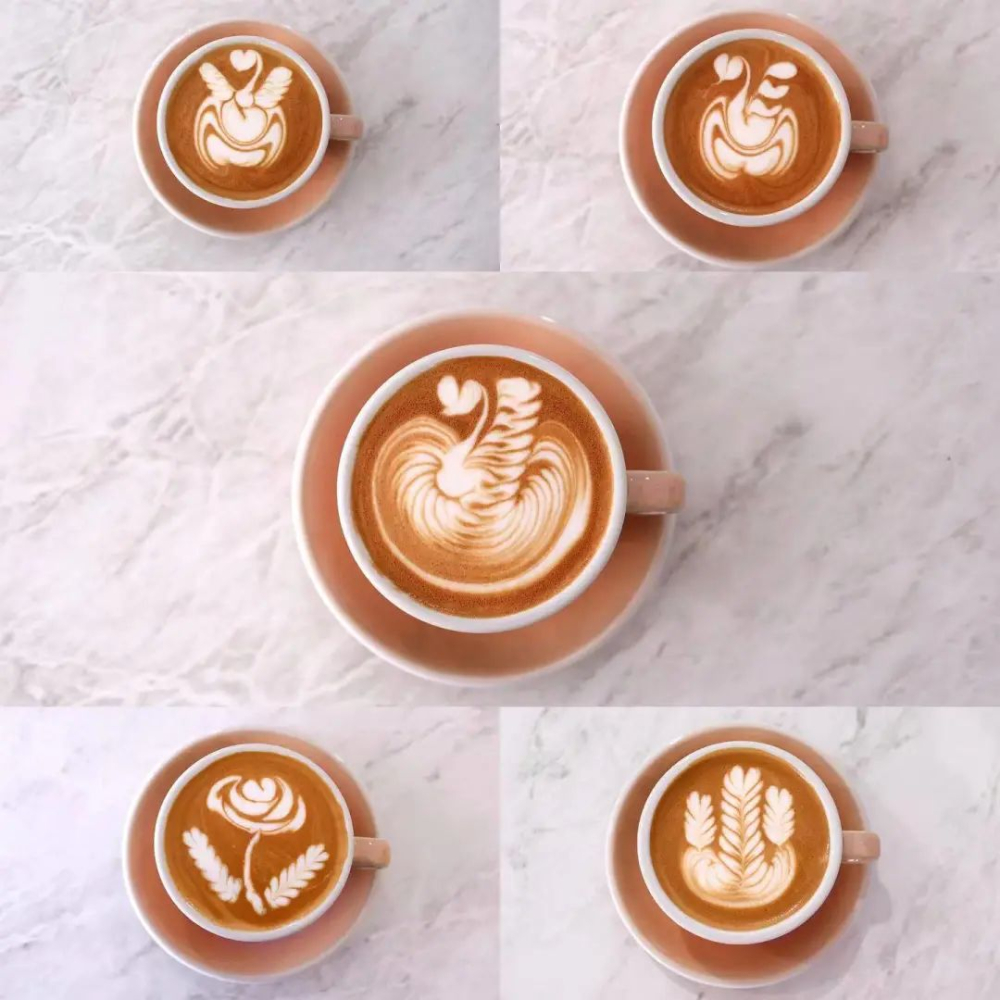
Although steamed milk was already being used in Italy at the end of the 19th century, latte art did not appear until decades later, and its recognition by the public is thanks to an American. In the 1980s, David Schomer set up a small coffee stand in Seattle, USA. One day, while making an espresso milk drink, he happened to form a "heart shape" with the last of the white milk foam on the surface.
Later, after gaining a deeper understanding of the style and techniques of Italian espresso at the time, David opened Espresso Vivace and delved into this "pattern-drawing" technique, improving and training more baristas in the ability to create high-quality latte art. By the late 1980s, this decorated coffee began to spread in the United States and quickly spread around the world.
Latte art is also called "Latte Art"
The term "latte" is a transliteration of the Italian "Caffè Latte," where "Latte" means milk. Steamed hot milk is incorporated into espresso while drawing "artistic" patterns, hence the name Latte Art.
Early latte art consisted of simple patterns like hearts and leaves. With the development of specialty coffee, baristas around the world have increasingly valued this skill. They began designing more refined visual effects, and there is also a technique called etching, which uses milk foam and auxiliary materials to create bolder designs.
At first, baristas focused more on the presentation of patterns, but through industry development and high consumer demand, latte art has not only become more refined visually but has also continuously improved in the smooth texture of the milk and the methods and techniques of integrating with espresso, thereby enhancing the overall taste of the coffee and achieving the so-called realm of color, aroma, and flavor all in one. David pointed out that a high-quality espresso and excellent milk are both crucial for creating exquisite latte art.
The popularity of milk coffees like lattes and flat whites on social media and in friends' circles is largely due to the addition of Latte Art. Who wouldn't love a coffee they ordered that not only has a rich taste but also features a visually delightful, high-appeal latte art design?
The above content is compiled by CoffeeHunters, a coffee news website.


