







Search Results for: Murang'a Washed AA
Flavor Comparison of Kenyan Coffee Regions: What Are the Characteristics of Nyeri, Kirinyaga, and Murang'a? An Analysis of Washed AA Beans
肯尼亚是非洲最具代表性的咖啡产国之一,以强烈的莓果酸香闻名,常驻各大精品咖啡馆。但仅以国家论风味已难以满足咖啡爱好者的好奇,肯尼亚内部其实划分出多个产区,各自呈现不同调性。本文梳理肯尼亚七大产区,重点聚焦尼耶利、麒麟雅嘉、穆兰加三个精品产区,结合前街咖啡的杯测实践,对比它们的水洗AA咖啡风味差异,并提醒读者产区风味并非绝对,海拔、品种、处理法都会影响最终表现。 [more…]
Analysis of Kenya's Seven Major Coffee Regions: Flavor Differences Between Nyeri, Kirinyaga, and Murang'a and the Characteristics of AA Washed Beans
Kenya is one of Africa's most iconic coffee-producing countries, renowned for its vivid berry-like acidity and a constant presence on café menus around the world. As the specialty coffee wave advances, understanding coffee at the national level alone is no longer enough—enthusiasts want to dig deeper into the details of its origins. This article sorts through Kenya's seven major coffee-producing regions, focusing on the altitude, varieties, and harvest periods of the three key specialty regions—Nyeri, Kirinyaga, and Murang'a—and, drawing on Front Street Coffee's cupping experience, compares the flavor profiles of each region. It also explains that origin labels are not absolute: the final flavor is shaped by multiple factors, including processing method, variety, altitude, and storage. [more…]
Kenya Murang'a Kangunu Cooperative Limpopo Coffee Beans: Full Analysis of Variety, K72 Processing Method, and Pour-Over Flavor
The Murang'a region in Kenya is located near Mount Kenya, adjacent to the Nyeri region, with fertile volcanic soil and abundant rainfall from two rainy seasons, providing superior natural conditions for coffee cultivation. This article focuses on the Rimpo coffee beans from the Kangunu Cooperative in the Kangema area of Murang'a County, providing a detailed overview of its regional background, the K72 washed processing method, the origins and characteristics of the three major varieties SL28, SL34, and Batian, as well as the AA-grade green bean standards. The Rimpo coffee beans sourced by Front Street Coffee, after light roasting, present flavors of hawthorn, berries, plum, and dried fruit, with bright acidity and solid sweetness. The article also includes V60 pour-over parameters and staged extraction techniques for coffee enthusiasts' reference. [more…]
Kenya AA Coffee Beans Variety Guide: A Complete Guide from Grading System to Core Producing Regions
Kenyan coffee is renowned worldwide for its bright acidity and intense fruity aromas, and AA grade is the most sought-after representative among them. But what exactly does AA mean? How does it differ from other grades? This article, from the perspective of Front Street Coffee, systematically reviews the varietal origins, breeding mechanisms, grading standards, the K72 washing process, and the terroir characteristics of core producing regions such as Nyeri, Kirinyaga, and Murang'a, helping you fully understand the value system of Kenyan specialty coffee. [more…]
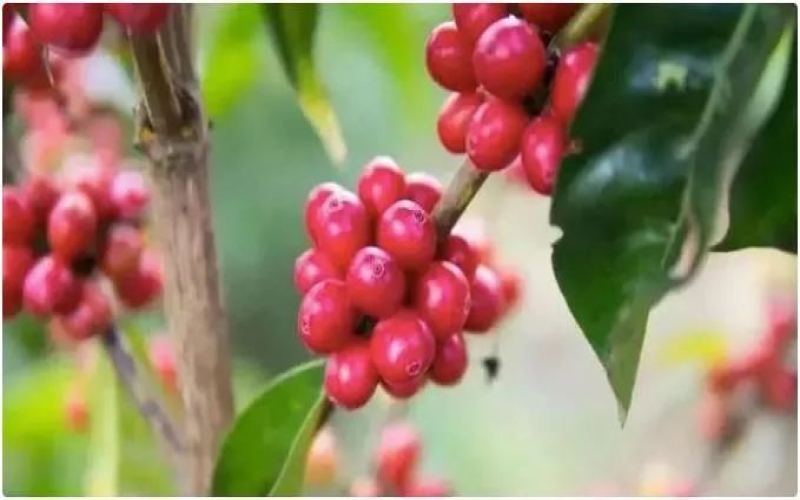
An In-Depth Analysis of the Kenyan Coffee Industry's Origins, Producing Regions, Bean Grading System, and SL28/SL34 Varieties
Kenya is located in East Africa, where the equator and the East African Rift Valley meet. Though neighboring Ethiopia, it has taken a completely different path in coffee development. From the introduction of coffee seeds by French missionaries in 1893, to large estate cultivation during the British colonial period, and then to the establishment of a grading system and auction system in the 1930s, Kenyan coffee gradually formed its unique grading standard centered on bean size and quality. Among the country's 14 producing regions, Nyeri, Kirinyaga, Murang'a, Kiambu, and Thika are the most well-known. The two iconic varieties SL28 and SL34, originating from Scott Laboratories' systematic selection of 42 coffee trees, remain the soul of Kenyan specialty coffee to this day. This article will also introduce the Thika AA TOP washed beans obtained by Front Street Coffee and their pour-over performance. [more…]
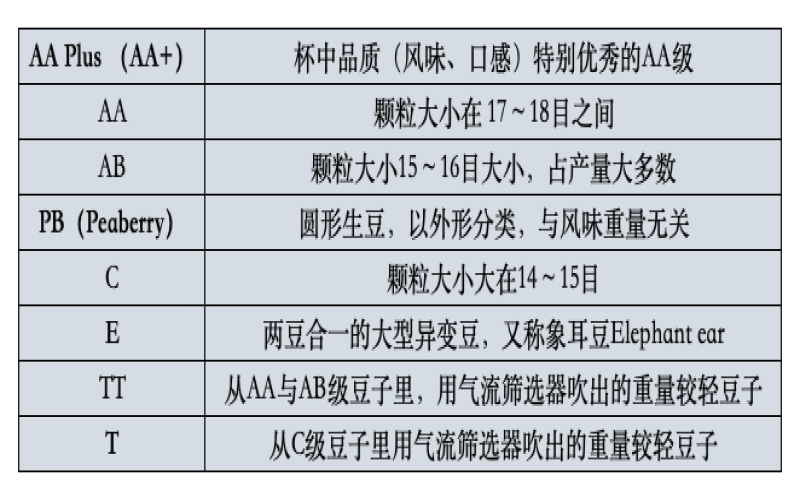
A Complete Analysis of Kenyan Coffee Regions: From SL Varieties and Grading Systems to Fourteen Major Producing Areas Including Nyeri
Kenya is located in East Africa, with the equator passing through its center. The entire country belongs to the tropical coffee-growing zone, and there are two harvest periods each year, from October to December and from June to August. Annual rainfall is about 900–1200 mm, and the high-altitude areas of Mount Kenya provide ideal growing conditions for coffee. What truly established Kenya in the specialty coffee world is the SL series of varieties, which bring highly recognizable berry-like acidity and a sugarcane-like clean sweetness. This article will outline Kenya's coffee grading standards and fourteen major producing regions, with a focus on well-known origins such as Nyeri, Kirinyaga, Murang'a, and Kiambu, and will also introduce the flavor profile of Front Street Coffee's Thika Asali AA TOP. [more…]
Where Does the Sour Taste of Kenyan Coffee Come From? A Full Analysis of the AA, AB, and PB Grading System and the Flavors of the Ten Major Producing Regions
Kenyan coffee is renowned for its clean, crisp cup profile and bright fruit acidity, making it one of the most recognizable African beans in the minds of many coffee enthusiasts. Why is Kenyan coffee so acidic? This is inextricably linked to its high-altitude growing environment, volcanic soil, and unique washed processing method. This article will systematically outline the growing conditions and historical context of Kenyan coffee, introduce the ten major producing regions including Nyeri, Murang'a, and Kirinyaga one by one, provide a detailed explanation of the official grading standards such as AA, AB, and PB based on bean size, and analyze the causes of its signature acidity. At the end of the article, Front Street Coffee's pour-over parameters for Kenyan Asaliya are shared for practical reference. [more…]
Kenya Coffee Industry Panorama: From Berman Estate to Front Street Asalia - Regions, Grading, and Flavor Analysis
Kenya, with its exceptional climate conditions and a continuously refined industry system, has cultivated Arabica coffee with distinct flavors and outstanding quality. This article starts with Dormans Estate, Kenya's largest coffee producer, to systematically trace the rise of Kenyan coffee—including the SL28/SL34 breeding mechanism, government promotion, the auction system, unique grading standards, and the 72-hour washed fermentation process—and further analyzes the characteristics of core producing regions such as Nyeri, Kirinyaga, and Murang'a. It also presents Front Street Coffee's Kenyan Asalia (Little Tomato) brewing recipe and flavor review, offering coffee enthusiasts a complete picture of Kenyan specialty coffee. [more…]
A Comprehensive Analysis of Kenya's Coffee Industry and the Dormans Estate: From Regional Systems to Front Street Coffee's Recommended Beans
Kenya, with its exceptional natural conditions and continuously improving industry system, has become an indispensable origin in the global specialty coffee landscape. This article begins with Dormans Estate, one of Kenya's largest coffee producers, and traces its quality control philosophy since its founding in 1950 and the origins of its title as the "King of African Coffee." It then systematically introduces Kenya's coffee cultivation mechanisms, government promotion, grading system, and the K72 washing process, and analyzes the characteristics of core producing regions such as Nyeri, Kirinyaga, and Murang'a one by one. Finally, it includes the brewing parameters and flavor description of Front Street Kenya Little Tomato coffee beans, providing coffee lovers with a complete knowledge map of Kenyan coffee. [more…]
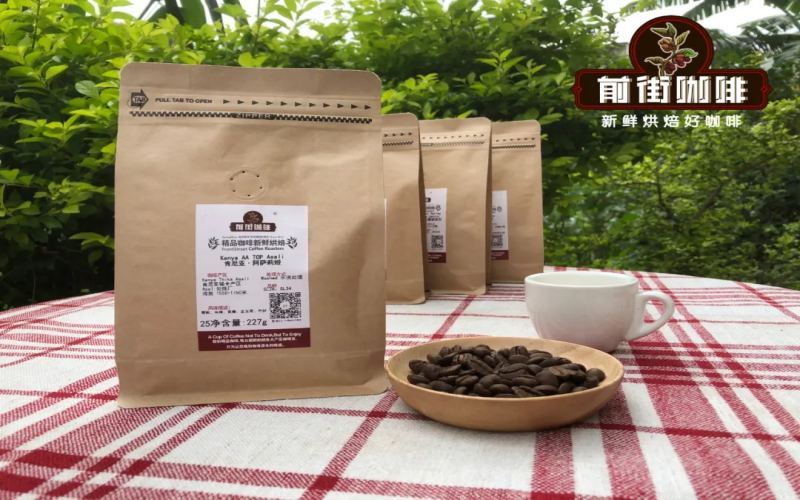
Kenyan Coffee Beans: A Complete Guide to the Flavor Profiles of Seven Major Regions, AA Grading, 72-Hour Washed Processing, and SL Varieties
Kenyan coffee has always been a favorite among acidity lovers, and in recent years it has shown a full berry-juice feel, dark plum acidity, and caramel sweetness. This article systematically reviews Kenya's coffee-growing geography and harvest seasons, the terroir characteristics and elevation ranges of seven well-known producing regions (Thika, Kirinyaga, the western side of Mount Kenya, Nyeri, Kiambu, Ruiru, and Murang'a), explains the AA grading system and the TOP/PLUS/FAQ cupping grades, details the world-famous K72-hour washed processing method, traces the breeding history and flavor differences of the two representative varieties SL28 and SL34, and includes Front Street Coffee's brewing parameters and technique suggestions, helping readers gain a comprehensive understanding of the unique charm of Kenyan coffee. [more…]
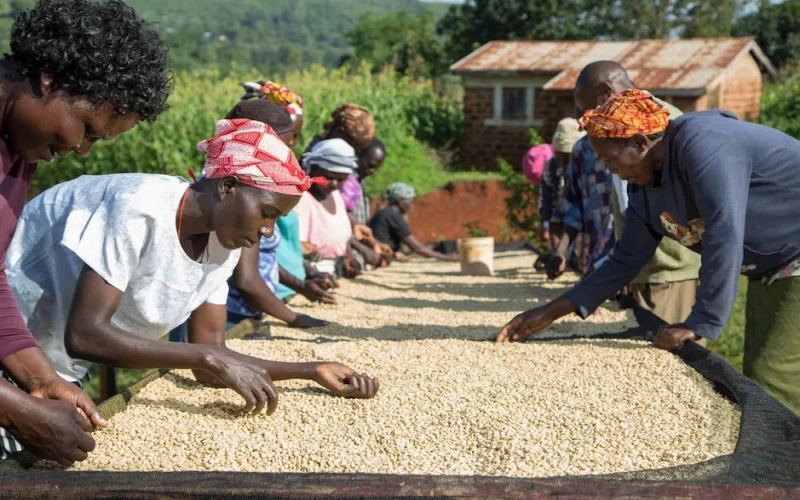
Kenya Green Coffee Bean Grading System and Detailed Guide to Six Major Specialty Regions: From AA Grade to Flavor Scoring
Kenyan coffee is renowned worldwide for its bright berry-like acidity and solid body, and its strict grading system together with its unique terroir jointly create high-quality cup performance. This article will systematically sort out the size grading and flavor grading system of Kenyan green beans, and provide an in-depth introduction to the altitude, varieties, and flavor characteristics of six specialty regions: Thika, Kirinyaga, Nyeri, Kiambu, Murang'a, and the western side of Mount Kenya. At the same time, Front Street Coffee will combine its own roasted Kenya Asalia coffee beans to share brewing parameters and technique suggestions, helping coffee lovers gain a more complete understanding of the coffee charm of this East African producing country. [more…]
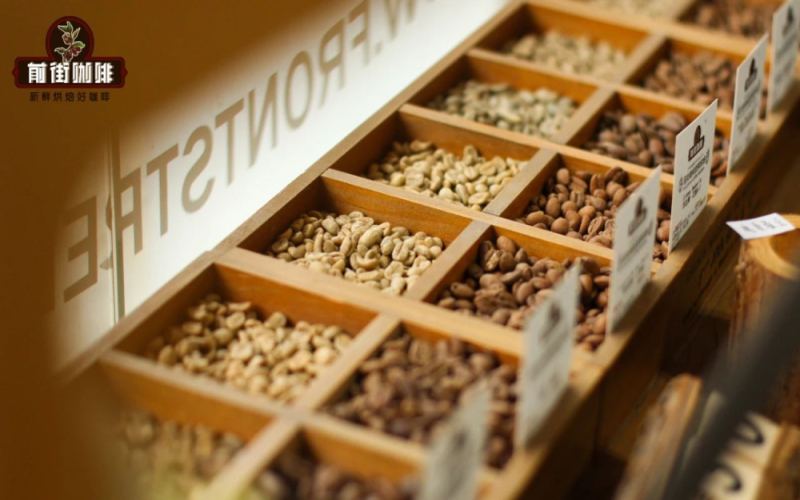
A Complete Guide to Kenyan AA Coffee Pour-Over Parameters: Growing Region History, Grading Standards, and Brewing Flavor Characteristics
Kenya coffee is renowned for its clean, crisp mouthfeel and bright fruit acidity, and is widely recognized in the specialty coffee world as the representative of acidity. From the perspective of Front Street Coffee, this article systematically reviews Kenya's growing conditions and historical context, introduces the ten major producing regions one by one, including Nyeri, Murang'a, and Kirinyaga, and explains in detail how Kenya's official bean grading system and the K72 washed processing method shape its flavor. Finally, using Front Street Kenya Asalia as an example, it provides the dripper selection, water temperature range, grind assessment, and three-stage pouring plan for hand-brewing light-roast beans, helping coffee enthusiasts consistently brew layers reminiscent of smoked plum, cherry tomato, and yellow sugar. [more…]
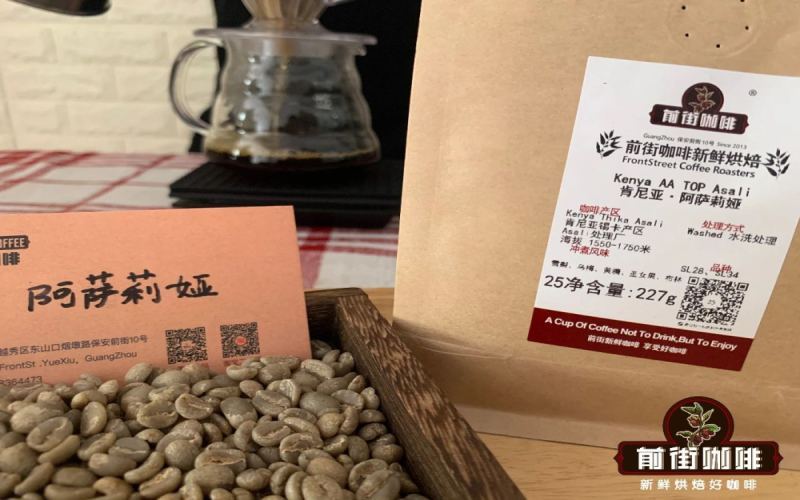
Complete Guide to Kenyan Coffee: Six Major Regions, AA Grading System, SL28/SL34 Varieties, and Pour-Over Parameter Guide
Kenyan coffee is world-renowned for its bright fruit acidity and full-bodied berry juice sensation, standing as a representative of high-acidity specialty coffee. This article systematically reviews the growing conditions and geographical environment of Kenyan coffee, introducing one by one the altitude, varieties, and flavor characteristics of six major producing regions: Thika, Kirinyaga, the western side of Mount Kenya, Nyeri, Kiambu, and Murang'a. It provides a detailed explanation of the coffee bean grading system from AA to PB, as well as the auction and direct trade systems. It offers an in-depth analysis of the varietal origins of SL28, SL34, and Ruiru 11, and fully breaks down the fermentation process of Kenya's 72-hour washed processing method (K72). At the end of the article, Front Street Coffee's roasting approach and V60 pour-over parameter suggestions for the small tomato coffee beans from the Thika region are included, for coffee enthusiasts to reference and practice. [more…]
A Comprehensive Analysis of the Origin, Grading System, and Flavor Characteristics of Kenyan Coffee
Kenya is a major representative of African specialty coffee. Although it borders Ethiopia, the true development of its coffee industry went through a tortuous process, from introduction from Yemen to the arrival of Brazilian Bourbon seedlings. Today, Kenya's coffee industry is centered on producing regions such as Nyeri, Kirinyaga, and Murang'a, with SL28, SL34, and other varieties as the main cultivars, and it has developed a refined grading system from E to MH/ML. Kenyan coffee is mostly washed, and is known for its distinct berry and fruit notes, sweet aroma, and firm acidity. This article will systematically sort out the origins, current status, grading system, and flavor characteristics of Kenyan coffee, helping coffee enthusiasts gain a comprehensive understanding of the unique charm of this producing region. Front Street Coffee will also combine product information to provide readers with more specific references. [more…]
An In-Depth Analysis of Kenyan Specialty Coffee: Flavors of Six Major Producing Regions from Thika to Nyeri, the Grading System, and the 72-Hour Washed Processing Method
Kenyan coffee is known for its bright fruit acidity and thick berry-like mouthfeel, and it is a representative of the high-acidity style in specialty coffee. This article systematically reviews Kenya's coffee-growing conditions, the altitude and variety characteristics of six major producing regions (Thika, Kirinyaga, the western side of Mount Kenya, Nyeri, Kiambu, and Murang'a), introduces the coffee auction and direct trade mechanisms, the background of varieties such as SL28 and SL34, the three-cycle fermentation process of the K72 washed processing method, the grading system based on bean size, and the flavor classification of AA-grade beans. At the end, using FrontStreet Coffee's Kenya Asalia as an example, it shares a medium-light roast profile, V60 brewing parameters, and flavor performance. [more…]
Tracing the Origins and Tasting the Flavors of Kenyan Coffee: A Detailed Guide to Six Major Producing Regions and the K72 Washed Process
Kenyan coffee is world-renowned for its bright fruit acidity and full-bodied berry flavor, and Front Street Coffee's Kenyan Cherry Tomato Coffee is a representative of this style. This article begins with the historical development of Kenyan coffee, outlining its growing conditions, the altitude, varieties, and flavor characteristics of its six major producing regions (Thika, Kirinyaga, the western side of Mount Kenya, Nyeri, Kiambu, and Murang'a), analyzing the auction and direct trade systems and the green bean grading standards such as AA/AB/PB, and detailing the three-cycle fermentation process of the K72 washed processing method. Finally, it includes the brewing parameters and tasting notes for Front Street Coffee's Asaliya coffee beans, providing coffee enthusiasts with a complete guide to appreciating Kenyan coffee. [more…]
How to Fix Kenya AA Pour-Over That's Too Sour? A Complete Breakdown from Regional Grading to K72 Washing
Kenyan coffee is famous for its bright acidity, but many enthusiasts who pick up AA-grade pour-over beans are often troubled by that powerful acidic sensation. From the perspective of Front Street Coffee, this article systematically sorts through the development of Kenyan coffee—the refined management brought during the British colonial period, the selection and breeding of SL28 and SL34, the unique grading and auction system, and the iconic 72-hour washed processing method. It also explains in detail the terroir differences of core producing regions such as Nyeri, Murang'a, and Kirinyaga, and includes the roasting curves and pour-over brewing parameters for two Kenyan beans from Front Street, helping you understand where the acidity comes from and how to make peace with it during brewing. [more…]
Kenya Asalia Coffee Beans: A Complete Analysis from Origin Terroir to Front Street Brewing Flavor
Kenya is a brilliant coffee gem in East Africa, where the equator, highland volcanic soil, and abundant sunshine together create its unique flavor genes. This article will give you a comprehensive understanding of Kenya's national overview, geography and climate, and coffee-producing regions, with a focus on the characteristics of well-known regions such as Nyeri, Kirinyaga, Murang'a, Kiambu, and Thika. It will also share the brewing performance and flavor experience of the Asalia coffee beans sourced by Front Street Coffee under K72 washed processing and medium-light roasting, making it suitable for every enthusiast who wants to gain a deeper understanding of Kenyan coffee. [more…]
Analyzing the Grading Differences Between Kenya AA and AA TOP: A Detailed Look at the Asalia K72 Washed Beans from the Thika Region
Kenyan coffee is famous for its bright, juicy acidity, and labels such as AA, AB, and AA TOP are common in China. How exactly are these grades divided? Is there a substantial difference between AA and AA TOP? This article will start with Kenya's official grading system, analyze the criteria for grades such as AA, AB, PB, and E, and explain the meanings of secondary grading terms such as TOP, Plus, and FAQ set by exporters themselves. It will also introduce the K72 washed coffee beans from the Asali Processing Plant in the Thika region, which use SL28 and SL34 varieties, are AA grade, and are light-roasted by Front Street Coffee to present flavors of cherry tomato and smoked plum. [more…]
Kenya AA Coffee Bean Flavor Analysis: Small Tomato and Smoked Plum Notes from the Thika Region and the K72 Washed Processing Method
Kenyan coffee occupies a unique position in the global specialty coffee landscape thanks to its bright fruit acidity and full body. Among them, the AA grade, as the highest specification for bean size, is often regarded as synonymous with Kenyan specialty beans. This article starts with the AA TOP lot from the Asali Honey Processing Station in Kenya's Thika region, currently sold by Front Street Coffee, and systematically reviews Kenya's main coffee-producing regions, the characteristics of varieties such as SL28 and SL34, the AA grading standard, and the most representative K72 washed processing method. By comparing the differences in acidity with Ethiopian coffee, it helps readers understand the source of Kenyan coffee's intense, substantial acidity, as well as the processing logic behind flavors reminiscent of cherry tomatoes and smoked plums. [more…]