







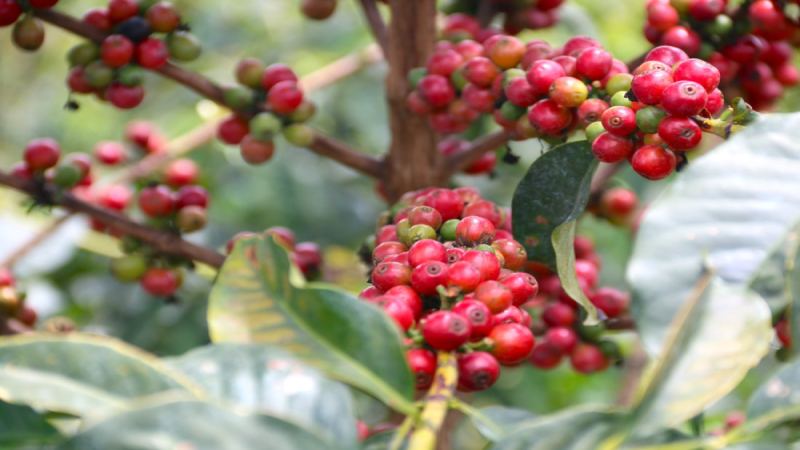
What Makes Kenya Coffee Beans So Distinctive?
Kenya AA is a screen-size grade, not a variety or flavor guarantee. Kenyan coffee is known for bright acidity and layered fruit notes that recall blackberry and grapefruit. The AA label refers to bean size, while the cup's real character comes from cultivars such as SL28 and SL34, the K72 washed process, and the terroir of Nyeri, Kirinyaga, and Murang'a.
Coffee reached Kenya late, introduced by the British from Réunion Island in 1883. Scott Agricultural Laboratories, founded in 1922, screened 42 varieties and selected SL28 and SL34 as suited to local conditions. A formal coffee grading system and government support pushed Kenyan beans toward the specialty market, where they remain sought after today.
Kenyan coffee is world-renowned for its bright acidity and rich fruity aroma, and AA grade is the most sought-after representative among them. But what exactly does AA mean? How does it differ from other grades? This article, from the perspective of Front Street Coffee, systematically reviews the variety origins, breeding mechanisms, grading standards, K72 washed processing method, and the terroir characteristics of core producing regions such as Nyeri, Kirinyaga, and Murang'a, helping you fully understand the value system of Kenyan specialty coffee.
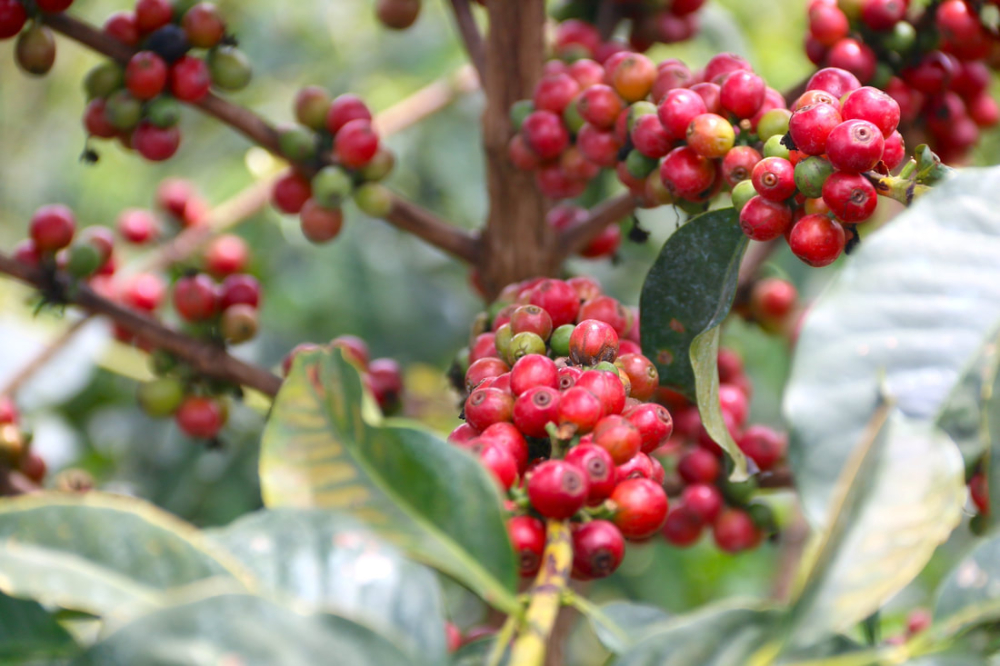
For more specialty coffee knowledge, please follow our WeChat official account: Front Street Coffee (FrontStreet Coffee)
When it comes to African coffee, Ethiopia and Kenya are always mentioned together. Today Front Street Coffee (FrontStreet Coffee) would like to talk with you about Kenyan coffee, especially what grade the highly popular Kenya AA actually represents. High-quality Kenyan coffee has a rich and full aroma, a full body, fruity notes, and complex flavor layers. Its unique fruity character—like a blend of blackberry and grapefruit—fascinates many coffee lovers.
Kenya is located in East Africa, adjacent to Ethiopia, the birthplace of coffee. Coffee was introduced to Kenya quite late, with cultivation only beginning near the 20th century. Coffee could be said to have traveled all the way around the world before returning to Africa. But Front Street Coffee (FrontStreet Coffee) believes that although Kenyan coffee started late, it developed extremely rapidly. During British colonial rule, both the establishment of breeding mechanisms and the improvement of the grading system pushed Kenyan coffee beans toward the specialty coffee market. Kenyan specialty coffee now enjoys a global reputation, and Front Street Coffee (FrontStreet Coffee) summarizes its success into the following key factors:
1. Establishment of breeding mechanisms. In 1883, the British introduced coffee to Kenya from Réunion Island. In 1922, Kenya established the Scott Agricultural Laboratories (Scott Labs, from which the names SL28 and SL34 are derived), specifically for coffee cultivation research. Over the following decade or so, the laboratory selected SL28 and SL34 from 42 coffee varieties as suitable for local production regions, laying a solid foundation for the coffee industry.
2. Government emphasis. In 1931, the Kenya Planters Co-operative Union and the Kenya Coffee Board were established successively, guiding the development of the coffee industry from both the private and national levels. In 1937, the Nairobi Coffee Exchange was established, and Kenya's coffee auction system was thus launched.
3. Determination of the grading system. Kenya classifies grades based on coffee bean size and cup testing results. According to bean size, shape, and hardness, from high to low they are AA or AA+, AB, PB, C, E, TT, T. For green beans of AA and AB grades, exporters also add an additional special classification based on cup testing results (not officially recognized by the Kenyan government), from high to low: TOP, PLUS (+), FAQ.
4. K72 processing method. The unique acidity of Kenyan specialty coffee is inseparable from its excellent processing method. Conventional washed processing involves selecting highly ripe fruit, removing the skin and pulp, then soaking in a tank to ferment and remove the pectin. This process usually does not exceed 36 hours, but Kenya's fermentation time can reach 72 hours. After that, the beans are dried until the moisture content drops to 12%. Front Street believes that Kenya's unique washed processing method allows the coffee beans to show brighter acidity and a fuller juice-like mouthfeel.
[Kenya Coffee Grading System] AA Plus (AA+): AA grade with particularly excellent cup quality (flavor, mouthfeel). AA bean size (Screen Size): 17-18 mesh. AB bean size (Screen Size): 15-16 mesh, accounting for the majority of production. C bean size (Screen Size): smaller than AB. TT: lighter-weight beans blown out from AA and AB grade beans using an airflow sorter. T: lighter-weight beans blown out from C grade beans using an airflow sorter. E Elephant Bean: a large mutated bean formed by two beans fused together, also called elephant ear. PB Peaberry: classified by appearance, unrelated to flavor or weight.
For green coffee beans of AA and AB grades, an additional special classification based on cup testing results has been added (not officially recognized by the Kenyan government, established by exporters), from high to low: TOP, PLUS (+), FAQ. The Kenya Asalia on Front Street Coffee (FrontStreet Coffee)'s bean list reaches the TOP flavor grade, but as mentioned earlier, this is not an officially recognized grading system. Among the Kenyan coffee beans from several producing regions that Front Street Coffee (FrontStreet Coffee) has purchased, not every one carries a flavor grade, so there is no need to obsess over this. Generally, once beans reach AA and AB grades, the flavor is already considered high quality by default.
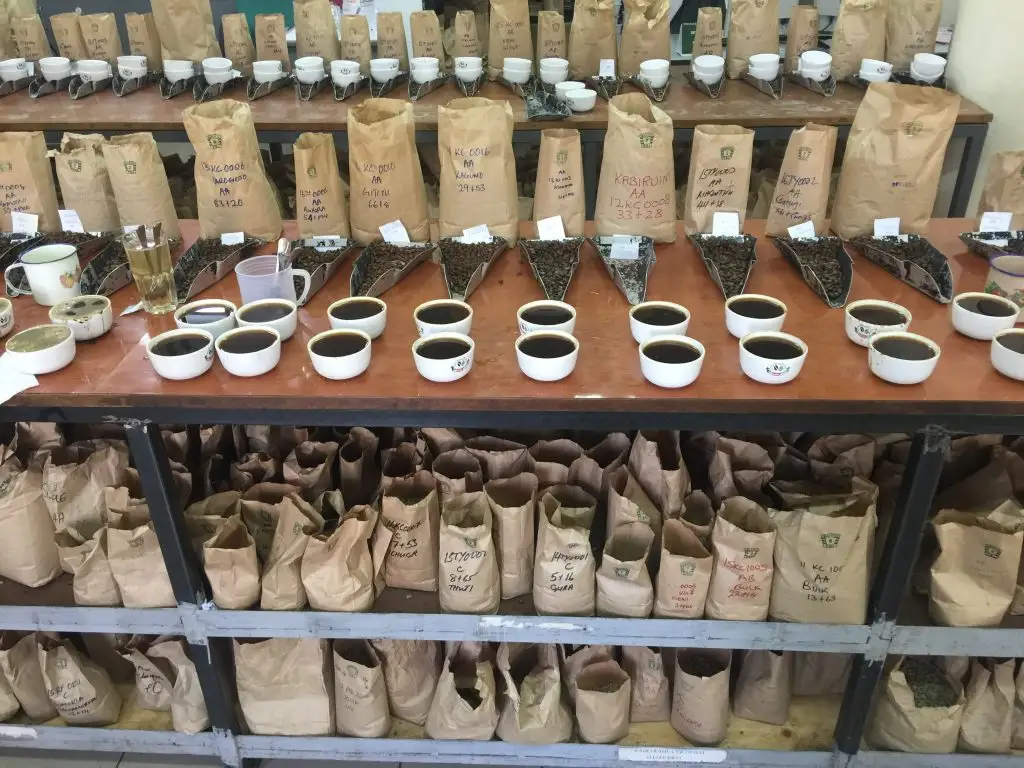
[Kenya Coffee Producing Regions] Kenya's coffee producing regions are mainly distributed in the central and western areas. The main central producing regions include Kiambu, Nyeri, Kirinyaga, Muranga, Embu, Machakos, Ruiru, and Thika; in the west there are Kisii and the Bungoma region located on Mt. Elgon.
Front Street Coffee (FrontStreet Coffee) updates the coffee producing regions on its bean list from time to time, and Kenya is no exception. Last month, Front Street Coffee (FrontStreet Coffee) purchased a batch of Kenyan coffee beans from different coffee producing regions. Through tasting across multiple stages including roasting, cupping, and pour-over, it can be found that each producing region has its own distinct characteristics. The specialty coffee producing regions mainly come from the following areas: Nyeri, Kirinyaga, Murang'a.
Nyeri
The Nyeri producing region is located in central Kenya and is home to the extinct volcano Mount Kenya. The red soil of this area nurtures Kenya's best coffee. Agriculture is extremely important in this region, and coffee is among its most important crops. In the Nyeri producing region, cooperative societies composed of smallholder farmers are more common than large estates. Altitude: 1,200 to 2,300 meters Harvest period: October to December (main season), June to August (secondary season) Varieties: SL-28, SL-34, Ruiru 11, Batian.
Muranga The Muranga producing region belongs to Central Province, and this area has about 100,000 coffee farmers. This inland producing region was one of the first places chosen by missionaries for settlement, because the Portuguese prohibited them from living in the coastal areas. This is also another producing region benefiting from volcanic soil, and the number of smallholder coffee farmers also exceeds that of estates. Altitude: 1,350 to 1,950 meters Harvest period: October to December (main season), June to August (secondary season) Varieties: SL-28, SL-34, Ruiru 11, Batian
Kirinyaga The Kirinyaga producing region is located on the slopes of Mount Kenya, adjacent to the Nyeri producing region. It is world-famous for coffee with strong flavor, rich layers, and a solid mouthfeel, and together with the Nyeri producing region it is recognized as one of Kenya's two best producing regions at present. Most producers in this region are small coffee farmers who join cooperative societies, and the cooperatives play an integrating role by providing wet processing plants, while the coffee farmers send the coffee cherries to the cooperatives' processing plants for processing. Altitude: 1,300 to 1,900 meters Harvest period: October to December (main season), June to August (secondary season) Varieties: SL-28, SL-34, Ruiru 11, Batian.
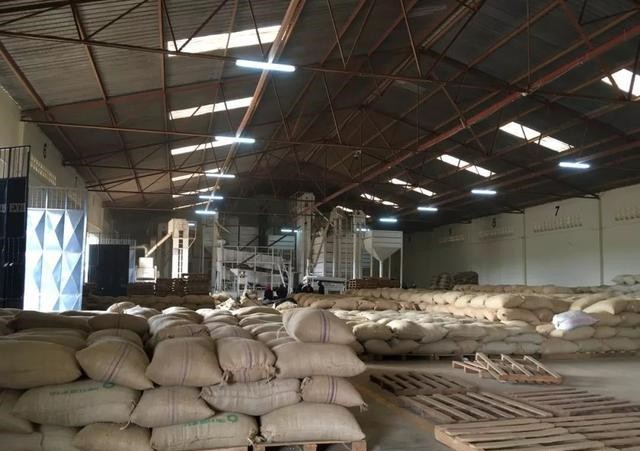
[Kenya Asalia Processing Station]
Producing region: Thika, Nyeri, Kenya
Processing method: washed processing
Altitude: 1,550–1,750 meters
Varieties: SL28 & SL34
Front Street Coffee (FrontStreet Coffee) recommends pour-over as the extraction method
Brewing recipe
Coffee dose: 15 g; coffee-to-water ratio: 1:15; water temperature: 89–92°C; time: 2 minutes; grind: EK43S #10
Bloom with 30 g of water for 30 to 35 seconds, then pour to 125 g at about 1 minute. When the water level drops halfway, pour the remaining water, finishing the pour at about 1:30 to 1:40. Finish draining by 2 minutes and remove the dripper.
Flavor description: pronounced berries, dark cocoa, syrupy, medium-high acidity, medium bitterness, clean, medium finish.
The above content is compiled by CoffeeHunters, a coffee news website.


