







Search Results for: Asali
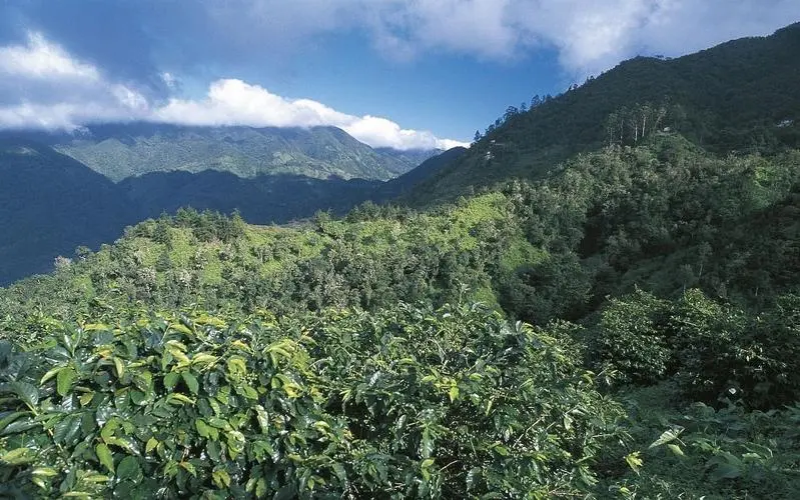
Kenya Thika Region Asali Processing Plant: An In-Depth Analysis of SL28 and SL34 Varieties and the K72 Washing Method
Kenya, as an important representative of African specialty coffee, produces uniquely flavored coffee thanks to its high equatorial altitude and volcanic soil. This article focuses on the Asali Processing Plant in the Thika region, outlining the breeding background and flavor differences of the two major varieties SL28 and SL34, and explaining in detail Kenya's signature K72 washed processing method. It also presents the complete parameters and brewing performance of Front Street Coffee Asali AA TOP, whose layered notes range from cherry tomato to smoked plum, showcasing the typical charm of Kenyan coffee's bright acidity and clean mouthfeel. [more…]
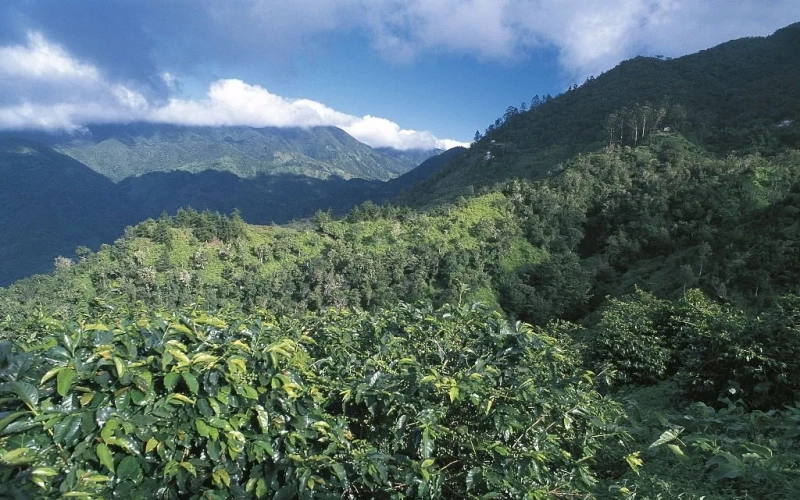
Kenya Thika Region Asali Processing Plant: Flavor Analysis of SL28 and SL34 Coffee Beans
Kenya is an important representative of African specialty coffee, and its Thika region is renowned for its distinct tomato-like flavor and excellent acidity. Located in the Aberdare Mountains, the Asali Processing Station employs Kenya's signature K72 washing process, paired with the local main varieties SL28 and SL34, presenting a complex flavor interweaving cherry tomatoes, smoked plums, berries, and citrus. This article will guide you through Kenya's geographical and climatic conditions, the cultivation characteristics of the Thika region, the 72-hour fermentation process at the Asali Processing Station, and the origins and flavor profiles of SL28 and SL34, as well as sharing Front Street Coffee's brewing recommendations. [more…]
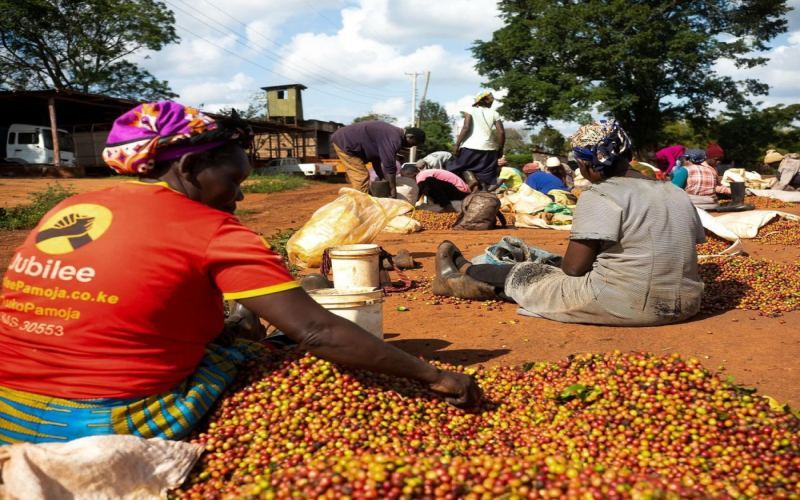
A Comprehensive Analysis of Kenyan Coffee Regions: From AA Grade and K72 Washed Process to a Flavor Comparison of Three Front Street Coffee Beans
Kenya, as a representative origin of African specialty coffee, occupies an important position in the global coffee landscape thanks to its captivating acidity and aroma. This article systematically reviews the distribution of Kenyan coffee-producing regions, altitude conditions, variety characteristics, and differences in processing methods, and provides an in-depth comparison of the similarities and differences in flavor performance among three Kenyan beans under Front Street Coffee: Karogoto, Asaliya, and Haniya. From the varietal origins of SL28 and SL34 and the historical thread of French Mission Bourbon, to the technical details of the K72 washed method and refined natural process, combined with roasting curves and cupping results, this helps coffee enthusiasts fully understand the unique style of Kenyan coffee and make choices based on their personal taste preferences. [more…]
Kenyan Coffee Flavor Analysis: A Complete Guide to the K72 Double Water-Wash Processing Method and Pour-Over Parameters
Kenyan coffee has always stood out in the specialty coffee world for its vivid fruit tones and bright acidity. This article breaks down the flavor code of Kenyan coffee layer by layer, from the terroir of its producing regions and historical origins to the K72 72-hour fermented washed process. Front Street Coffee's Little Tomato Azalea coffee beans are a typical example—from the Asali processing plant in the Thika region, using SL28 and SL34 varieties, they present layers of dark plum, cherry tomato, and caramel interwoven under a medium-light roast. The article also provides SCA-recommended pour-over coffee-to-water ratios and water temperature parameters, making it suitable for coffee lovers who want to gain a deeper understanding of Kenyan beans or are looking for brewing solutions. [more…]
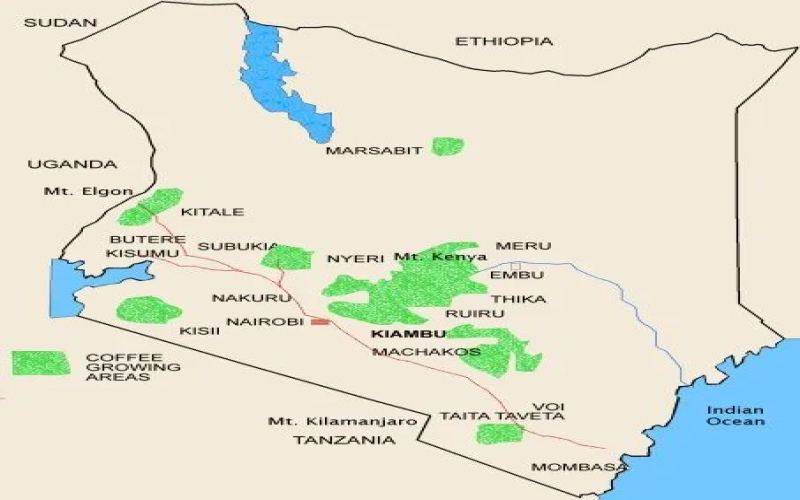
Kenyan Coffee Washed vs. Natural Processing Methods Compared: Flavor Differences, Regional Characteristics, and Brewing Key Points
Kenya, as a representative producing country of African specialty coffee, presents radically different flavor directions in its washed and natural processing methods. This article approaches the topic from the angles of producing region distribution, cultivated varieties, and processing techniques, systematically sorting out the regional characteristics of Kenyan coffee, focusing on comparing the influence of the K72 washed method and natural processing on flavor, and combining specific bean offerings recommended by Front Street Coffee—Hania Estate French Missionary Bourbon natural beans and Asali Honey Processing Station AA TOP washed beans—to present the flavor performance and brewing suggestions of the two beans, helping coffee lovers gain a more comprehensive understanding of the diversity of Kenyan coffee. [more…]
Kenyan Pour-Over Coffee Beans: Flavor Characteristics, Growing Regions, and Processing Methods Explained — SL28 and SL34 Varieties and the K72 Washing Process
Kenyan coffee is renowned for its full, solid fruity acidity and juicy mouthfeel, making it a favorite among sour-coffee lovers. Front Street Kenya coffee beans use the two classic varieties SL28 and SL34, sourced from the Asali Honey Processing Plant in the Thika region, and employ a unique 72-hour fermentation washed processing method (K72), presenting intense aromas of cherry tomato, black plum, snow pear, and berries. This article will systematically explain how to brew a good cup of Front Street Kenya coffee, from Kenya's growing environment, coffee variety characteristics, and post-processing methods, to the pour-over parameters of grind size, water temperature, coffee-to-water ratio, and pouring technique. [more…]
Kenyan Pour-Over Coffee Flavor Analysis: Characteristics of SL28 and SL34 Varieties and the Influence of Terroir
Kenyan coffee occupies a unique position in the global specialty coffee landscape, and its full, delicate flavors draw enthusiasts in droves. This article starts from the Kenya Asali AA Top Little Tomato coffee beans currently sold by Front Street Coffee, and takes a deep dive into the growing conditions, variety characteristics, and brewing key points of Kenyan coffee. The article focuses on how high altitude and volcanic soil shape the high acidity and complex sweetness of Kenyan coffee, and provides a detailed explanation of the origins, agronomic traits, and flavor performance of the two classic varieties SL28 and SL34. It also includes the standard pour-over parameters used at Front Street Coffee stores, helping readers reliably reproduce a delicious cup of Kenyan coffee at home. [more…]
A Complete Analysis of Kenyan Coffee Regions: From SL Varieties and Grading Systems to Fourteen Major Producing Areas Including Nyeri
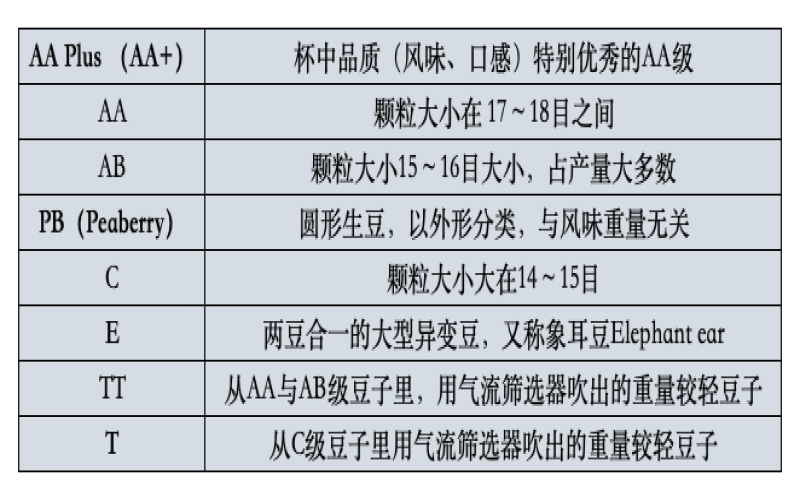
Kenya is located in East Africa, with the equator passing through its center. The entire country belongs to the tropical coffee-growing zone, and there are two harvest periods each year, from October to December and from June to August. Annual rainfall is about 900–1200 mm, and the high-altitude areas of Mount Kenya provide ideal growing conditions for coffee. What truly established Kenya in the specialty coffee world is the SL series of varieties, which bring highly recognizable berry-like acidity and a sugarcane-like clean sweetness. This article will outline Kenya's coffee grading standards and fourteen major producing regions, with a focus on well-known origins such as Nyeri, Kirinyaga, Murang'a, and Kiambu, and will also introduce the flavor profile of Front Street Coffee's Thika Asali AA TOP. [more…]
Is Kenyan coffee's acidity a strength or a weakness? An analysis of the fruity notes brought by washed processing
Kenyan coffee occupies a very special place in the global specialty coffee landscape—some are captivated by it, while others find it hard to accept. Its distinct and complex acidity, paired with a full body and layered depth, draws countless coffee enthusiasts to it. This article starts from Front Street Coffee's currently available Kenya Asali AA Top Little Tomato coffee beans to take a deep dive into the sources of Kenyan coffee's flavor—the high-altitude growing environment, the mineral nourishment of volcanic soil, and the characteristics of the two classic varieties SL28 and SL34. At the same time, Front Street Coffee will also share the standard brewing parameters and techniques for these beans, helping you consistently recreate that cup of distinctly layered, sweet-and-tart Kenyan flavor at home. [more…]
A Detailed Guide to Kenyan Coffee Bean Grading: The Practical Differences Between AA TOP and AA Grade in Cupping and Flavor
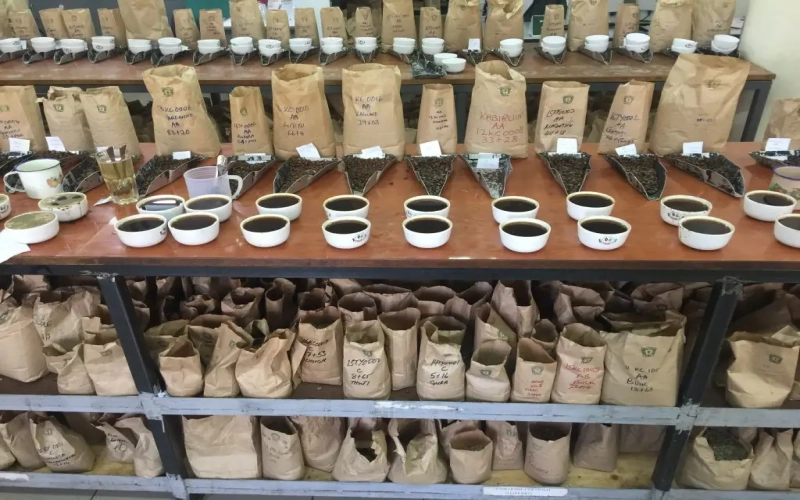
Kenya's coffee grading system has long confused many enthusiasts—what exactly do the letters AA, AB, and PB stand for? Is AA TOP an additional grade marked outside the official classification? This article will systematically sort out Kenya's official green bean grading standards, explaining them one by one from dimensions such as bean screen size, shape, and hardness, while also clarifying non-official labels like TOP, PLUS, and FAQ that exporters add on their own. The article also uses a comparative brewing of two Front Street Kenyan AA beans to concretely present the actual differences between AA TOP and regular AA in terms of cleanliness, complexity, and sweet-acidity performance, helping readers make clearer judgments when purchasing. [more…]
In-Depth Analysis of Kenyan AA Washed Coffee: Comparing the K72 Double Fermentation Process with Sun-Dried Bourbon Flavors
Kenyan coffee is world-renowned for its bright and complex acidity, and the K72 washed processing method pushes this characteristic to the extreme. This article will take you deep into Kenya's coffee origins and variety composition, break down every step of the K72 double fermentation process in detail, and compare and taste the flavor differences brought by washed and natural processing methods. From the Asali Honey Processing Station in the Thika region to the French Mission Bourbon at Hania Estate, we will use two coffees of distinctly different styles as samples to analyze their aroma, acidity, sweetness, and aftertaste. Whether you are a beginner just getting to know Kenyan coffee or an experienced enthusiast looking for brewing inspiration, this article can provide you with valuable reference. [more…]
Kenyan Coffee Bean Flavor Characteristics, the K72 Washed Processing Method, and Front Street's Little Tomato Brewing Guide
肯尼亚咖啡以极高的酸度和鲜明的水果风味著称,深受资深咖啡爱好者喜爱。本文将带你了解肯尼亚咖啡的产地特色、分级制度、小农合作模式,以及造就其优质酸香的K72小时双重水洗处理法。同时介绍前街咖啡上架的肯尼亚·小番茄咖啡豆,来自锡卡产区Asali处理厂,拥有乌梅酸质与小番茄般的水果酸甜。针对这类浅烘豆,前街分享了三个冲泡关键细节,包括滤杯选择、水温控制和研磨度判断,并附上完整的三段式冲煮步骤,助你冲出一杯明亮干净、风味饱满的肯尼亚咖啡。 [more…]
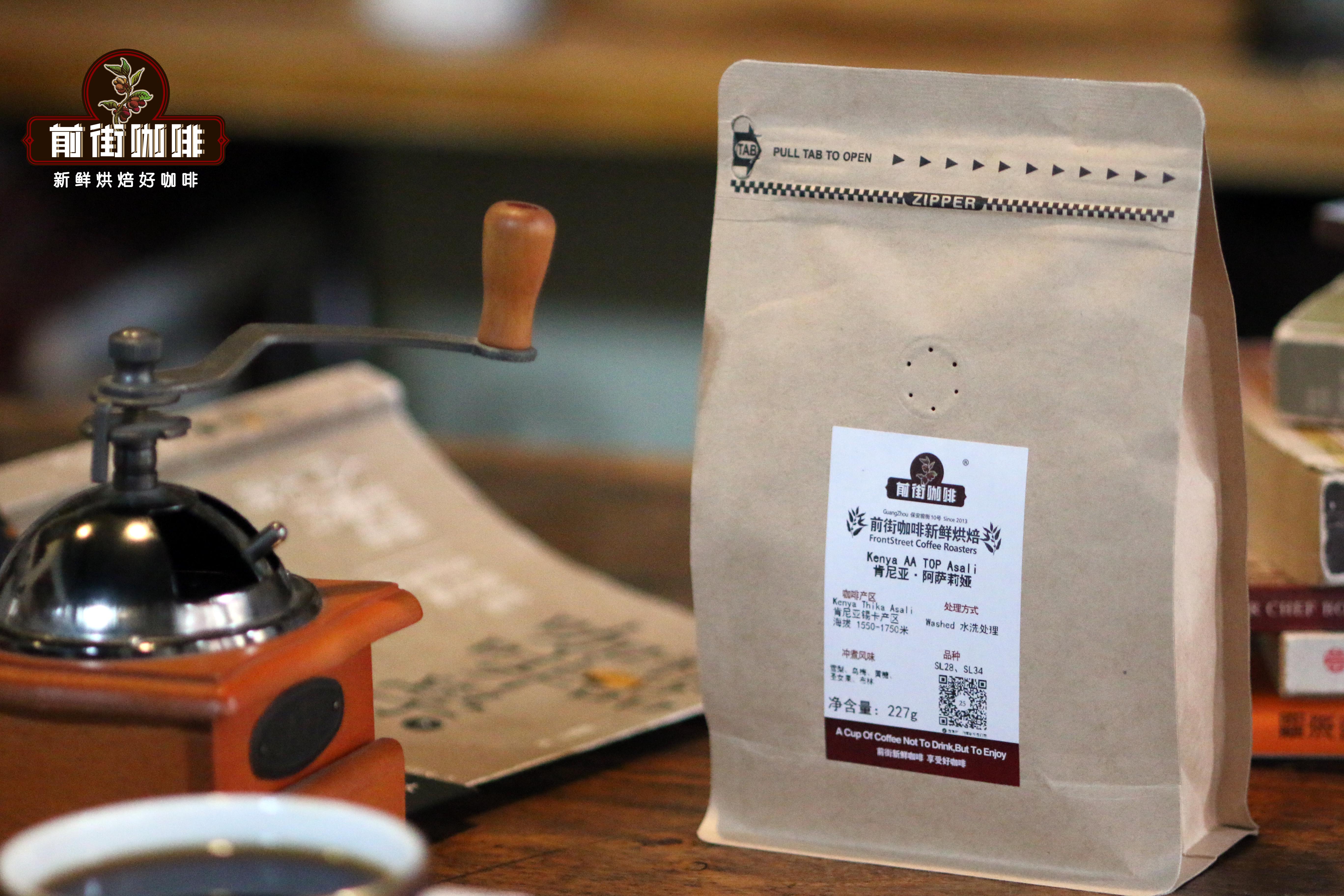
Kenya AA Coffee Beans Explained: Thika Region Flavors, K72 Washed Processing, and Pour-Over Parameter Guide
Kenyan AA coffee beans, with their plump beans and bright acidity, have long been a favored African representative in the specialty coffee world. Starting from Front Street's Kenya Asalia coffee beans, this article systematically reviews the growing background of the Thika region, the K72 Kenyan-style double fermentation washed process, and the flavor performance of the two main varieties, SL28 and SL34. It also shares in detail Front Street's brewing approach for light-roast Kenyan AA, including the choice of V60 dripper, 92°C water temperature, 1:15 coffee-to-water ratio, and three-pour technique, helping coffee lovers recreate at home the classic Kenyan flavor interwoven with black plum, smoked plum, and black tea aftertaste. [more…]
Kenya AA Coffee Bean Grading Standards Explained: A Full Analysis of Thika Region Flavor, K72 Washing, and SL28/SL34 Varieties
Kenya AA is the highest grade in Kenya's coffee classification system, renowned for its plump beans and bright flavor. Starting from the grading logic of Kenyan green beans, this article provides an in-depth analysis of the cultivation history and terroir characteristics of the Thika producing region, explains how the classic Kenyan-style 72-hour double fermentation washed process (K72) operates, and focuses on the two varieties, SL28 and SL34, which account for ninety percent of Kenya's high-quality coffee production. The article also combines Front Street Coffee's Front Street Kenya Asalia coffee beans to recreate its light roast approach and V60 three-pour brewing parameters, presenting the typical Kenyan flavor profile of black plum, smoked plum, apricot, and black tea aftertaste. [more…]
Kenyan Coffee Flavor Analysis: From K72 Washed Processing to Front Street Cherry Tomato Brewing Essentials
Kenyan coffee is renowned for its vibrant fruit acidity and full body, with flavor notes ranging from blackberry and grapefruit to smoked plum. This article systematically analyzes what makes Kenyan coffee unique, from production region classification and smallholder cooperative models to the K72-hour washed processing method, and introduces the "Little Tomato" coffee beans from the Asali processing station in the Thika region, now available at Front Street Coffee, including details on their origin, varieties, and flavor description. Finally, for brewing light-roasted Kenyan coffee, it shares advice on dripper selection, water temperature control, grind size assessment, and a three-pour schedule, helping coffee enthusiasts brew a clean, bright, perfectly balanced cup with balanced acidity and sweetness. [more…]
Analysis of the Acidity Characteristics and Origin Varieties of Kenyan Coffee: Where Does the Cherry Tomato Flavor Come From?
Kenyan coffee is renowned for its extremely high acidity and vivid fruity flavors, with blackberry and grapefruit-like notes that are highly sought after by coffee lovers. Behind this unique flavor lies both the meticulous operation of smallholder cooperative farms and the region's iconic K72-hour double washed processing method. Front Street Coffee's Kenya Little Tomato, sourced from the Asali processing station in the Thika region, presents a sweet-and-tart quality reminiscent of smoked plum and cherry tomatoes. This article will systematically sort out the origins, varieties, grading system, and processing techniques of Kenyan coffee, and share practical brewing experience for light-roasted Kenyan beans in terms of dripper selection, water temperature control, and grind size judgment. [more…]
Kenyan Coffee Flavor Analysis: A Complete Guide from K72 Washed Processing to Front Street Cherry Tomato Pour-Over Parameters
Kenyan coffee is renowned for its vibrant fruity acidity and full body, with flavor layers ranging from blackberry and grapefruit to smoked plum, making it highly sought after by coffee enthusiasts. This article will begin with the flavor characteristics of Kenyan coffee, the smallholder cooperative farm model, and its unique grading system, with a focus on analyzing the K72-hour double washed processing method that creates its exceptional acidity and aroma. Meanwhile, the "Little Tomato" coffee beans from the Asali processing station in the Thika region, offered by Front Street Coffee, serve as a representative example with their smoked plum acidity and tomato-like fruity sweet-tartness. The article will also share Front Street's brewing tips for light-roasted Kenyan coffee, including dripper selection, water temperature control, grind size assessment, and the three-pour technique, helping you fully unlock the bright flavors of Kenyan beans. [more…]
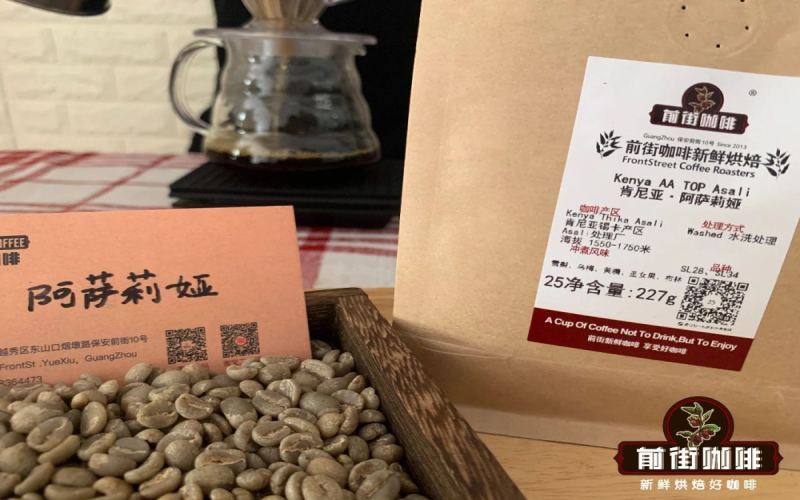
Kenya Coffee Bean Grading Standards, AA TOP Flavor Analysis, and Front Street Iced Pour-Over Brewing Guide
Kenyan coffee occupies an important place in the global specialty coffee landscape thanks to its bright, lively acidity and delicate berry notes. Its distinctive flavor expression is inseparable from the government-led strict grading system. This article systematically sorts out the eight grade classifications of Kenyan coffee beans from E to MH/ML, focuses on analyzing the flavor characteristics of the top grade AA TOP, and, combined with Front Street Kenya Asaliya coffee beans, shares the specific parameters and operating steps for hot pour-over and iced pour-over, helping coffee lovers more fully experience the juicy feel and layered variations of Kenyan coffee. [more…]

How to Choose the Coffee-to-Water Ratio for Pour-Over? A Side-by-Side Taste Test of Kenya Asalia at Different Ratios
What ratio of coffee to water is actually appropriate for pour-over coffee? This is the confusion that many coffee enthusiasts encounter most often when brewing. Front Street Coffee routinely uses a 1:15 coffee-to-water ratio in its daily offerings, but this ratio is not an ironclad rule—different ratios bring out completely different flavor expressions. Starting from the principles of extraction and the Golden Cup theory, and combined with actual brewing tests using Front Street Kenya Asalia coffee beans, this article compares three coffee-to-water ratios—1:15, 1:13, and 1:17—detailing the differences in sweetness-acidity balance, body thickness, and aftertaste length, to help readers find the cup that best suits their own taste. [more…]
Why Does Kenyan AA Coffee Have a Tomato Flavor? A Comprehensive Analysis of Producing Regions, Grading, and Brewing Key Points
Kenya AA coffee is renowned for its bright fruit acidity and distinctive tomato-like flavor, making it one of the most recognizable presences in specialty coffee. This article systematically analyzes the origins of Kenyan coffee's flavor, from growing conditions and historical context to the top ten producing regions, the official grading system, and the K72 washed processing method. The baristas at Front Street Coffee combine cupping and pour-over practice with Kenyan Asaliya beans to share specific parameters and brewing techniques, helping enthusiasts understand this "most acidic coffee's" clean mouthfeel and its layers reminiscent of smoked plum and cherry tomato—ideal for readers who want to delve deeper into Kenyan coffee. [more…]