







How does the Kenya green coffee bean grading system work?
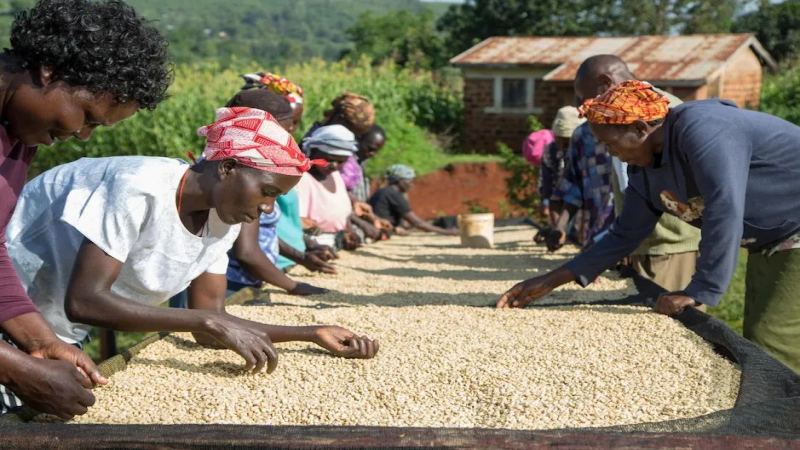
Kenyan green coffee beans are graded by screen size and cup quality, and the country's six notable specialty regions are Thika, Kirinyaga, Nyeri, Kiambu, Muranga, and Mt. Kenya West. Each area sits at a different altitude and grows varieties such as SL-28, SL-34, Ruiru11, and Batian, which together shape the vivid berry acidity and full body associated with Kenyan coffee.
Thika, a small town near Nairobi, has roughly 2,000 growers and coffee fields at 1,550-1,750 meters, showing bright fruit acidity, thick berry juice, and honey-like sweetness. Kiambu occupies the highest gardens at 1,850-2,200 meters with limited output, and its blend of estates and smallholders yields a delicious coffee with bright acidity and full body.
Kenyan coffee is renowned worldwide for its vivid berry acidity and robust body, with its strict grading system and unique terroir combining to create high-quality cup performance. This article will systematically review the size grading and flavor classification system of Kenyan green beans, and provide an in-depth introduction to the altitude, varieties, and flavor characteristics of six major specialty regions: Thika, Kirinyaga, Nyeri, Kiambu, Muranga, and Mt. Kenya West. At the same time, Front Street Coffee will share brewing parameters and technique suggestions based on its own roasted Kenya Asalia coffee beans, helping coffee enthusiasts gain a more complete understanding of the coffee charm of this East African producing country.
For more specialty coffee knowledge, please follow the WeChat public account: Front Street Coffee (FrontStreet Coffee)
According to Front Street's compilation, Kenya has six most famous coffee-producing regions: Thika, Kirinyaga, Mt. Kenya West, Nyeri, Kiambu, and Muranga.
Kiambu Producing Region Kiambu is located in central Kenya. Traditionally dominated by tea cultivation, it nonetheless has the highest-altitude coffee gardens in the region. This producing area is named after the town of Nakuru, and coffee output is relatively limited, with a planting model that combines estates and smallholder farmers, and two harvest seasons each year. Front Street believes that this producing area presents the bright acidity and full body that most people prefer. Altitude: 1,850–2,200 meters Varieties: SL-28, SL-34, Ruiru11, Batian
Thika Producing Region Thika is a small town around Kenya's capital, Nairobi. Although it is itself an industrial town, it is surrounded by farmland and waterfalls, with coffee fields widely distributed, and there are about 2,000 coffee growers locally. Based on cupping, Front Street judges that the flavor of this producing area shows bright fruit acidity, a thick berry juice sensation, and honey-like sweetness. Altitude: 1,550–1,750 meters Varieties: SL-28, SL-34
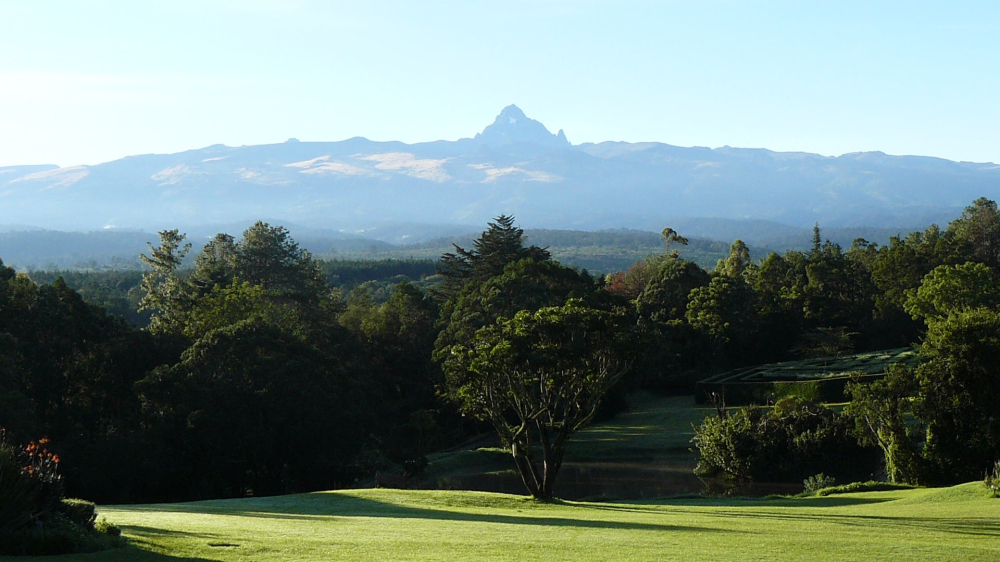
Kirinyaga Producing Region Kirinyaga sits on the slopes of Mount Kenya and is adjacent to the Nyeri producing area. It is world-renowned for coffee with intense flavor, rich layering, and a solid mouthfeel, and together with Nyeri it ranks as one of the two currently finest producing areas in Kenya.
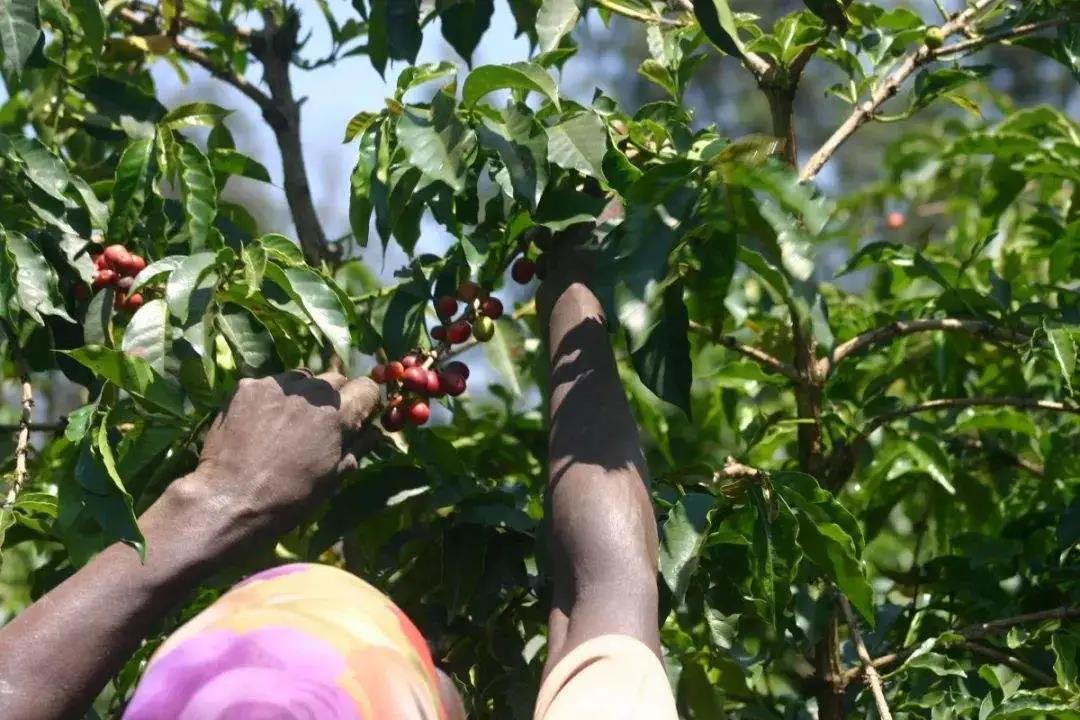
The producers in this region are mainly small coffee farmers. They join cooperatives, which take on a coordinating role and provide wet mills. Farmers send the harvested coffee cherries to the cooperatives' processing plants for processing. In terms of harvest periods, the main season is from October to December, and the secondary season is from June to August. Based on cupping, Front Street judges that this producing area is dominated by berry flavors, with moderate sweetness and accompanying honey and creamy notes. Altitude: 1,300–1,900 meters Varieties: SL-28, SL-34, Ruiru11, Batian
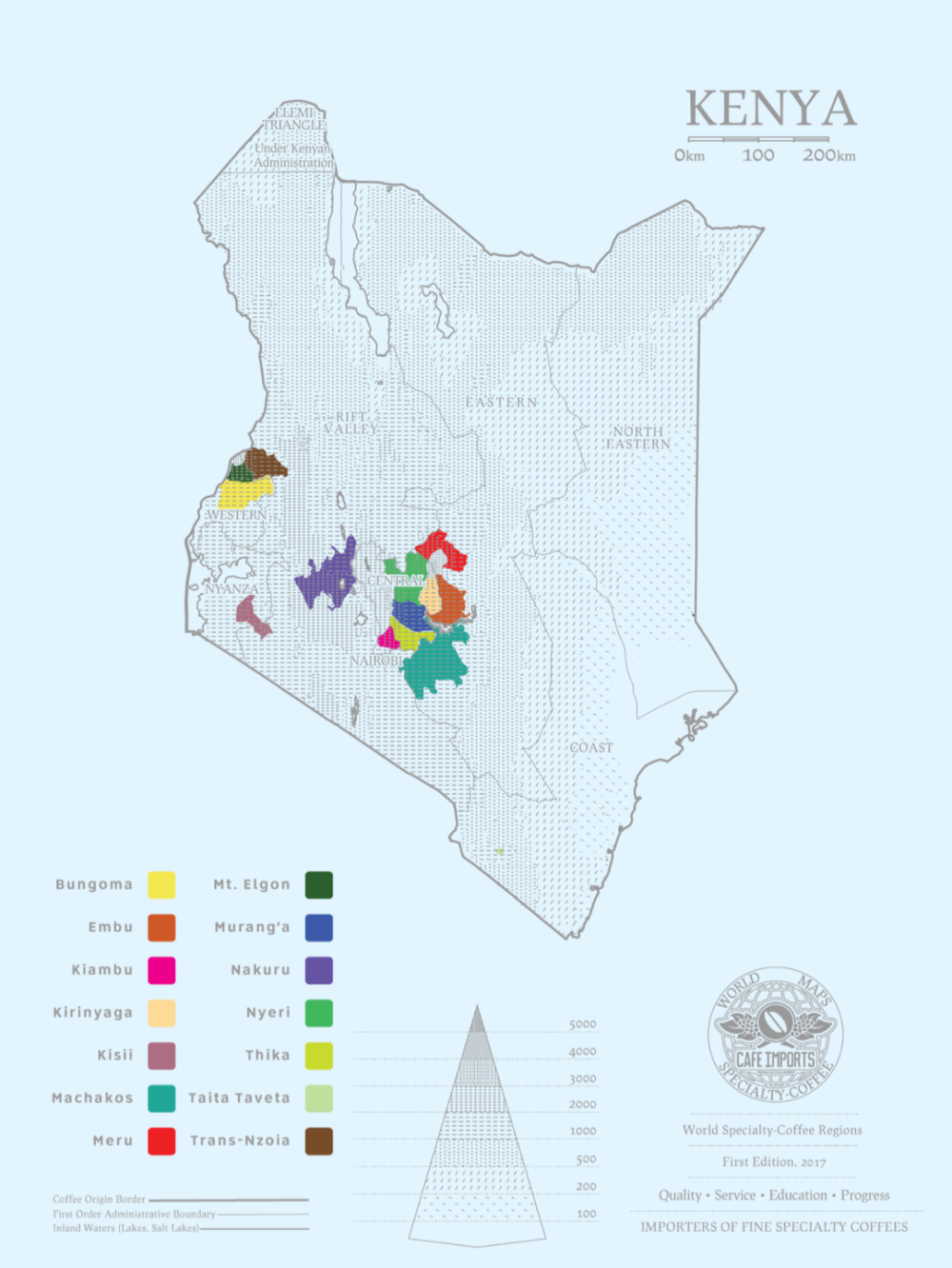
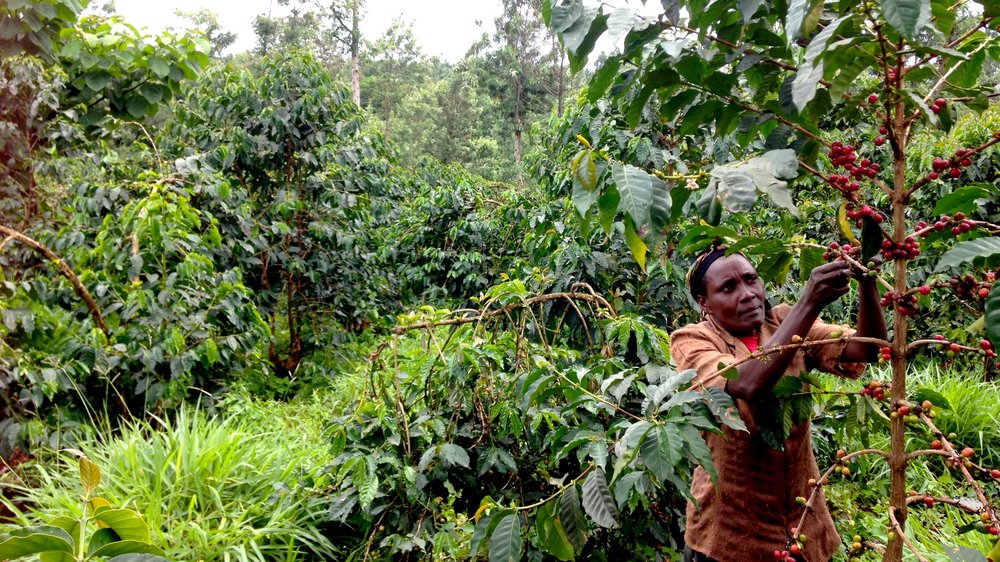
Nyeri Producing Region Nyeri is adjacent to the high-altitude zone of Mount Kenya and is an important specialty-grade producing area in Kenya, with an average altitude exceeding 1,500 meters. Many high-quality Kenyan coffees come from here. Nyeri has towering terrain and is located east of the Aberdare Range, while also lying on the foothills extending from Mount Kenya. Its fertile soil has made it a core town in central Kenya's coffee industry, and related facilities are relatively complete. This area is widely known for its high-altitude Kenyan coffee beans, and its standard is quite outstanding. Based on cupping, Front Street judges that the coffee beans from this producing area have dark berry flavors, bright sweet-and-sour notes like smoked plum, and a delicate finish. Altitude: 1,200–2,300 meters Varieties: SL-28, SL-34, Ruiru11, Batian
Mt. Kenya West Producing Region Mt. Kenya West covers Kisii and the Bungoma area of Mount Elgon. Among them, Kisii is located in southwestern Kenya, not far from Lake Victoria, and is a relatively small producing area. Most coffee beans come from joint cooperatives formed by independent small producers. The flavor of this producing area differs noticeably from that of the central regions. Based on cupping, Front Street judges that it presents characteristics of roasted nuts and soft fruit acidity, and is well received by buyers who do not like bright acidity. Altitude: 1,450–1,800 meters Varieties: SL-28, SL-34
Muranga Producing Region Muranga belongs to Central Province, and there are about 100,000 coffee farmers in the area. This inland producing area was one of the first settlement sites chosen by missionaries, because the Portuguese prohibited them from living in coastal areas. This producing area also benefits from volcanic soil, and the number of smallholders exceeds that of estates. Based on cupping, Front Street judges that Muranga's coffee has bright acidity and a thick juicy tactile feel. Altitude: 1,350–1,950 meters Varieties: SL-28, SL-34, Ruiru11, Batian
Currently, Front Street has a small tomato coffee bean from Thika to recommend to all coffee lovers!
Since the 1930s, Kenyan coffee beans have implemented a strict grading system, mainly based on the size, shape, and hardness of the beans, divided from high to low into AA or AA+, AB, PB, C, E, TT, and T. This can be used as a reference when selecting, and coffee flavor is also considered in the evaluation. At present, the common grades on the mass market are AA, AB, and PB.
[Coffee Size Grading]
Grade AA is a grade name in the green coffee bean trade and mainly refers to the size of the coffee beans. Grade AA represents larger beans, usually above screen 17 (screen 17 corresponds to a sieve mesh diameter of 6.75 millimeters). Grade AA sizes are screen 17 and screen 18, while Grade AB is screen 15 and screen 16.
AA Plus (AA+) AA grade with particularly excellent cup quality (flavor, mouthfeel) AA Screen Size 17–18 AB Screen Size 15–16, accounting for most of production C Screen Size smaller than AB TT Lightweight beans blown out from AA and AB grade beans by an airflow sorter T Lightweight beans blown out from C grade beans by an airflow sorter E Elephant Bean, a large mutant bean formed by two beans merged into one, also called elephant ear UG Those not meeting the above standards PB Peaberry, classified by appearance, unrelated to flavor or weight.
[Flavor Grades] In addition to size grading, Kenya also uses the flavor grading method TOP, PLUS, and FAQ to select delicious coffee as a reference. Indicators include green beans (size, color, defects), roasted beans, and cup quality (acidity, body, flavor characteristics, defects). In actual use, they simplify it to Acidity-Body-Flavor to quickly score each bean, with each item scored 1–3 points. If a bean is marked as 1-1-1, it corresponds to TOP AA.
The Kenya Asalia coffee beans launched by Front Street's own roasting belong to Grade AA, come from the Thika producing area, use the Kenyan-style 72-hour washing method, and are of the SL28 and SL34 varieties. They are the first choice of many sour coffee lovers. If you are tasting this Kenya Asalia coffee bean for the first time, Front Street suggests trying it as a hot pour-over black coffee, which allows you to better experience the flavor characteristics of Kenyan coffee.
[Brewing Suggestions] Front Street Coffee (FrontStreet Coffee), considering that this bean uses a light roast profile, will use a higher water temperature and a faster-flow dripper. The main goal is to extract its bright acidity with high temperature, but it does not want over-extraction caused by high temperature, so it chooses the faster-flow V60 dripper. The main parameters used are: V60 dripper, 1:15 coffee-to-water ratio, 15 g coffee dose, water temperature 91°C, grind size (80% passing through a No. 20 standard sieve).
In terms of brewing technique, Front Street Coffee (FrontStreet Coffee) uses the segmented extraction method used in service, that is, the three-stage pouring method: pour 30 grams for blooming for 30 seconds, pour 125 grams in a circular motion for the second stage, and when the water level drops to the point where the coffee bed is about to be exposed, continue pouring to 225 grams, taking 2 minutes in total (including blooming).
The flavor of Kenya Asalia coffee: on the palate there are flavors of smoked plum and cherry tomato; the acidity is intense and thick, the mid-palate sweetness is prominent with a juicy sensation, and the finish has berry aroma and brown sugar sweetness, along with green tea aroma.
The above content is compiled by CoffeeHunters, a coffee news website.


