







Search Results for: Miso Flavor

%Arabica crosses over into a Japanese-style diner: Kyoto launches a traditional ichiju-sansai breakfast, set menu priced at 4,800 yen
%Arabica, known for its minimalist design and small cups of coffee, recently opened the world's first traditional Japanese breakfast restaurant %Shokudō in Kyoto, Japan, officially entering the culinary field. This store is located directly opposite the %Arabica Kyoto Higashiyama store, combining traditional wooden architecture with a glass curtain wall, with only 12 seats, offering a "one soup, three dishes" Japanese breakfast by reservation, priced at 4,800 yen per set including tax, including miso soup, rice, grilled fish as the main dish, and three side dishes, with a choice of tea or %Arabica coffee after the meal. This move marks %Arabica's first attempt at a shokudo format among its 188 stores worldwide since returning to Kyoto in 2014, and also fulfills the brand's long-held dream of opening a restaurant. [more…]
Advanced Coffee Tasting: A Practical Guide to Identifying Negative Flavors and Analyzing Common Defects
In the process of learning coffee tasting, most people habitually focus their attention on capturing positive flavors such as floral and fruity notes and caramel sweetness, yet often lack the ability to describe unpleasant tastes. However, the key to truly improving one's tasting ability lies precisely in being able to accurately identify and distinguish negative flavors in coffee. This article, from Front Street's tasting perspective, systematically sorts out common defects such as greenness, over-fermentation, and off-flavors, and with the help of specific imagery such as earthy, woody, smoky, rubbery, medicinal, charred, and moldy, helps enthusiasts build a clear cognitive framework for negative flavors, so as to understand a cup of coffee's quality performance more comprehensively. [more…]
Why does coffee present a sauce-like aroma? What exactly is the difference between natural and anaerobic processing?
After roasting, green coffee beans release an extremely rich array of aromatic compounds, ranging from white florals to citrus fruit notes. These pleasant aromas burst forth in abundance the moment the beans are ground, often prompting baristas to deliberately let customers experience the dry fragrance before brewing. However, not all aromas are pleasant. Some beans, after grinding, give off a heavy savory aroma reminiscent of doubanjiang or soy sauce in the kitchen, leaving many people frowning in confusion. Where exactly does this flavor come from? What is its relationship to the coffee's processing method? And what essential differences exist between natural and anaerobic processing? This article will focus on how the degree of fermentation influences flavor direction, analyze the underlying logic behind the formation of savory notes, and use examples of beans currently sold by Front Street Coffee to help everyone more accurately identify and appreciate this type of coffee. [more…]
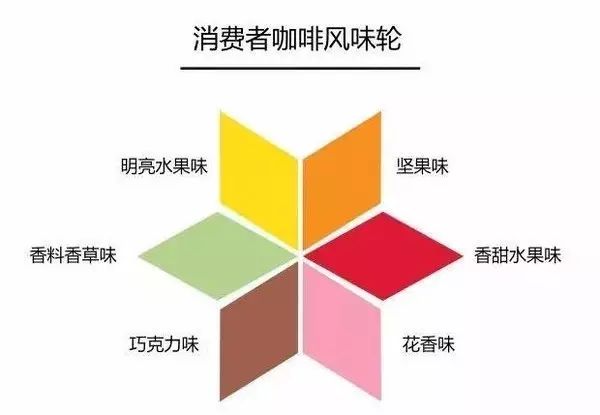
Origins of the Coffee Flavor Wheel | What's the difference between the old and new coffee flavor wheels? What are the limitations of the SCAA Coffee Flavor Wheel? How do you use the flavor wheel to taste and describe coffee?
On the journey of learning about specialty coffee, I believe everyone is especially impressed by a colorful ring. It is the SCAA 2016 Coffee Flavor Wheel that has tormented you countless times. Of course, this is already a "simplified" version; the first edition of the flavor wheel in 1995 had two, one on the front. [more…]

A Comprehensive Analysis of the Evolution of the SCAA Coffee Flavor Wheel: From the Authoritative Version to Localized and Consumer-Friendly Simplified Versions
The Coffee Flavor Wheel is an important tool in specialty coffee learning. From the first version published by the SCAA in 1995, to the updated version in 2016, to localized adaptations in Taiwan, Indonesia, and elsewhere, as well as simplified versions aimed at consumers, the flavor wheel has continually evolved. This article reviews the characteristics and limitations of each version, explores how to use the flavor wheel to taste and describe coffee more accurately, and examines how cultural differences influence flavor perception. [more…]
A Complete Guide to the SCA Coffee Flavor Wheel HD Wallpaper: From the Old Version to the New, Teaching You How to Understand and Apply the Flavor Wheel
Have you ever wondered where those citrus, berry, chocolate and other flavor descriptions on coffee packaging come from? This article provides a detailed interpretation of the SCA Coffee Flavor Wheel, starting from the first edition released by the SCAA in 1995, tracing its background, the classification logic of positive and negative flavors, and the major updates in the 2016 new edition. The article not only explains the different roles of taste and smell in coffee cupping, but also introduces the simplified consumer flavor wheel launched by the Belgian company Cuperus. Front Street Coffee takes you through a systematic understanding of the design intent and practical application of the coffee flavor wheel, helping beginners build sensory awareness more quickly and understand the language of flavor communication in cupping. [more…]
A Detailed Guide to Single-Origin Coffee Classification: A Comprehensive Analysis of Flavor Characteristics Across Major Producing Regions from Africa to the Americas and Differences in Coffee Shop Flavors
Have you ever walked into a specialty coffee shop, faced the dazzling array of single-origin coffees on the menu, and felt at a loss where to begin? Single-origin coffee refers to coffee made from beans sourced from a single origin, and it can be traced back to a specific region or even estate. This article will systematically sort through the representative single-origin coffees from major producing regions such as Africa, Central and South America, and Asia, introduce Front Street Coffee's rigorous process from roasting curve testing to cupping selection, and present the flavor descriptions of coffee beans from each region one by one, helping you find the cup that best suits your taste. [more…]
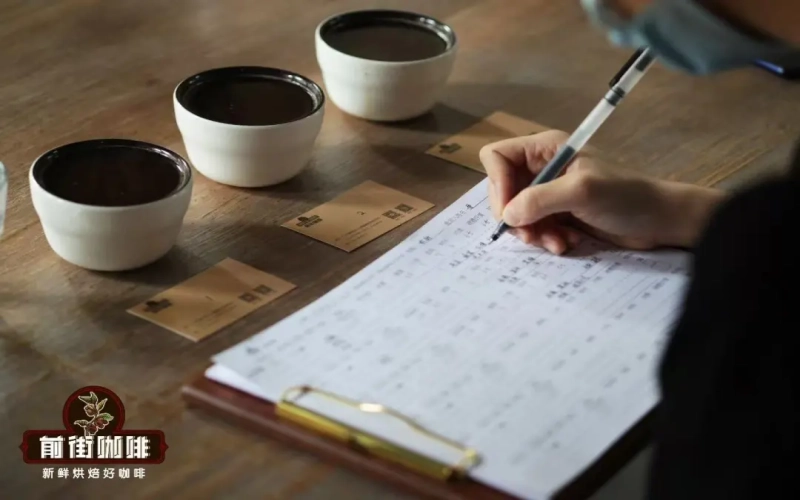
SCAA Coffee Flavor Wheel User Guide: From the Three-Ring Structure to Sensory Training, Systematically Master the Pour-Over Coffee Tasting Method
The coffee flavor wheel is an authoritative sensory tool recognized by the industry, but it cannot make you directly taste a certain flavor; rather, it is an auxiliary guide to help you organize and identify flavors. This article will use the new version of the flavor wheel released by the SCAA in 2016 as a blueprint, starting from its research background, and disassemble one by one the correspondence among the three-layer structure of the inner ring, middle ring, and outer ring. Combined with a comparative example of Front Street Yirgacheffe Gedingding and Front Street Boquete Geisha, it explains how to use the flavor wheel to gradually narrow the scope of judgment and build sensory memory. At the same time, it also reminds enthusiasts that they do not need to blindly follow the flavor wheel, because the samples it includes are limited, and real flavors such as lychee may not necessarily appear on the wheel. At the end, the article also shares the ingenious design between the flavor wheel's color scheme and flavor associations, helping you more efficiently improve your ability to identify the flavors of pour-over coffee. [more…]
The Two-Generation Evolution of the Coffee Flavor Wheel: A Comparative Interpretation of the SCAA Specialty Coffee Flavor Maps from 1995 to 2016
The Coffee Taster's Flavor Wheel is an important tool for every coffee enthusiast and professional to understand coffee flavors. From the first edition of the flavor wheel published by the SCAA in 1995 to the comprehensively revamped new flavor wheel in 2016, the two generations differ significantly in structure, classification logic, and sensory description. This article will compare the design concepts and methods of use of the old and new flavor wheels from a professional perspective, analyze the background and significance of the birth of both versions, and help you cup and taste coffee more accurately. When you come to Front Street Coffee, you can see physical displays of both versions of the flavor wheel in the shop, and follow this article to gain a deeper understanding of the evolution of the Coffee Taster's Flavor Wheel. [more…]

SCA Specialty Coffee Flavor Wheel User Guide: How to Interpret It Correctly and Download High-Resolution Images
The coffee flavor wheel is an important tool for coffee enthusiasts and professionals in sensory training, but the prerequisite is that one must correctly master its method of use. The most commonly used version at present is the one released by the SCAA in 2016, and many coffee training institutions use it as sensory teaching material. Front Street uses this flavor wheel as a blueprint and introduces how to understand and digest it from four aspects: do not blindly follow the flavor wheel, seek flavor relationships from the three-ring structure, use colors for association, and observe the density details among categories. Although understanding the flavor wheel cannot make you immediately taste all flavors, it can help you systematically sort out the connections among various flavors in coffee, and then by tasting more in correspondence with the flavor wheel, gradually step into the door of coffee flavor sensory perception. [more…]

Is It Normal That You Can't Taste the Notes on the Coffee Flavor Wheel? Is Localization Necessary? Explained in One Article
Many people who are just getting into specialty coffee are often baffled by the flavors described on packaging or by baristas, and may even wonder whether they are simply not suited to drinking single-origin coffee. In fact, it is not at all unusual to be unable to taste specific flavors—the purpose of the SCA Flavor Wheel is to provide a reference range, not to require you to identify each item one by one. This article discusses the origins of the flavor wheel, the 2016 revised edition, localization attempts in Taiwan and Indonesia, and whether China needs its own local flavor wheel, helping coffee lovers set aside their anxiety and return to the simple pleasure of drinking coffee. [more…]
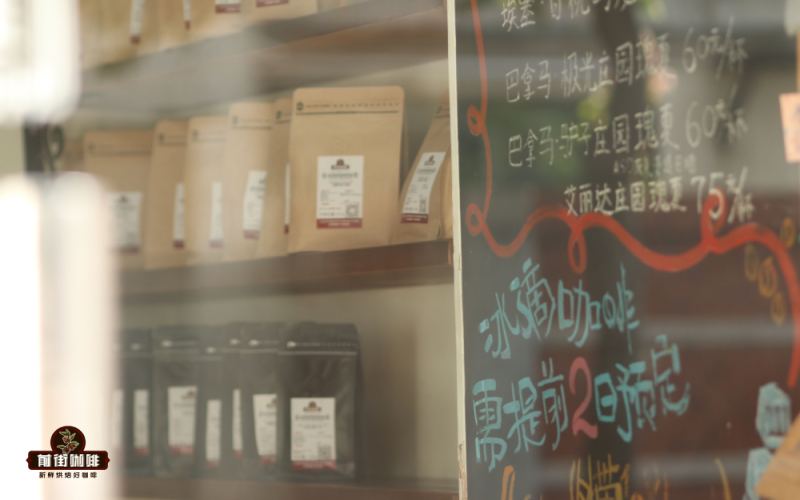
Analysis of the Flavor Characteristics of Sidamo Huakui Coffee Beans and the Latest Updates on the 2022 Harvest 6.0 Batch
The Huakui coffee beans from the Sidamo region of Ethiopia have long been favored by coffee enthusiasts for their unique berry-like sweetness and acidity along with fermented aromas. 2022 marks the sixth year since Huakui rose to fame, and the new harvest's 6.0 batch should have been highly anticipated; however, problems such as shipping disruptions and a relatively high defect rate in the green beans followed one after another. After Front Street Coffee received the 6.0 batch, it found the overall defect rate to be relatively high. After communicating with the importer Hongshun, it decided not to sell this batch this year and instead use naturally processed Huakui coffee beans from the same region and the same processing station. This article will guide you through the origins of Huakui, the distribution of various processing stations in the Hambela region, the reasons for the division between Huakui and Small-Bean Huakui, as well as Front Street Coffee's recommended brewing method and flavor description, helping you gain a more comprehensive understanding of these coffee beans. [more…]

SCA Coffee Flavor Wheel Analysis Tutorial | What Is Coffee Flavor? Which Single-Origin Coffee Beans Best Represent Coffee Flavor? How Can Beginners Distinguish Coffee Flavor Characteristics?
Professional barista exchange, please follow Front Street Coffee (FrontStreet Coffee). Many friends have asked Front Street's baristas: "Can you really taste so many flavors in the beans? How do you taste them?" First, this is about personal sensory perception. As everyone grows up, [more…]
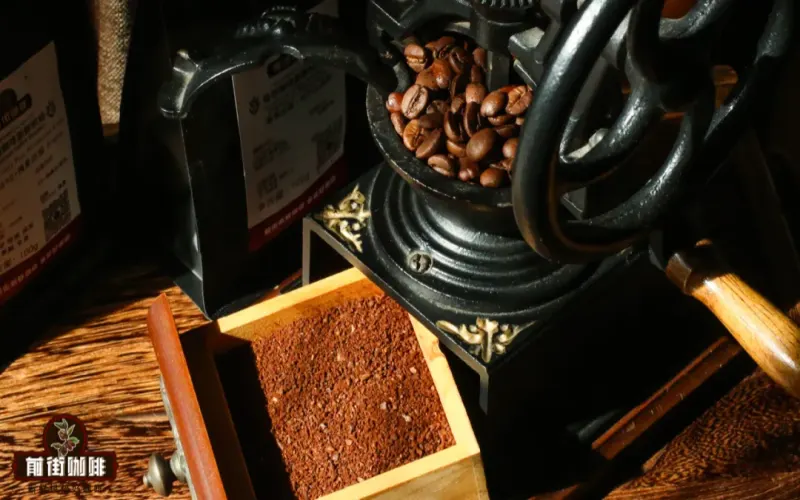
After coffee beans are ground into powder, how long is the remaining flavor period? Coffee powder storage methods and the truth about flavor loss
Many people care about the shelf life of ground coffee, but what truly deserves attention is its peak flavor window—the optimal time for enjoying it. Once coffee beans are ground, aroma molecules volatilize more rapidly, and flavor loss occurs far faster than with whole beans. Through experiments, Front Street Coffee found that the peak flavor window of ground coffee is about two-thirds that of whole beans; if beans have a 45-day window, ground coffee has only about 30 days. This article provides a detailed analysis of how the peak flavor window of ground coffee is calculated, why flavor loss occurs, and shares Front Street Coffee's recommended method of sealed portioned storage, helping you enjoy a cup of coffee with full flavor before the aroma fades. [more…]
High-Resolution Coffee Flavor Wheel Reference Chart Download | How Can Coffee Beginners Understand the Coffee Flavor Wheel? How to Taste and Describe Single-Origin Coffee Flavors?
A large part of the reason the coffee flavor wheel was created was to meet the tasting standards that emerged after coffee became more specialty-oriented. It also drew on wine tasting and cupping, gradually evolving from vague, general flavor descriptions into a detailed, logical flavor wheel. The first version of the coffee flavor wheel was released in 1995, [more…]
The Complete Guide to Using the SCA Coffee Flavor Wheel: A Tutorial on Breaking Down Pour-Over Coffee Flavor Descriptions and Taste Categories
The coffee flavor wheel is known as the "flavor dictionary" of specialty coffee and is an indispensable professional tool in cupping and quality control. Based on Front Street Coffee's cupping practice, this article systematically breaks down the structure of the SCA coffee flavor wheel. Starting from the four major taste spectra of sour, sweet, bitter, and salty, it analyzes the causes and representative bean varieties of each flavor category, covering all categories including floral, fruity, nutty/cocoa, sweet, spicy, sour and fermented, alcoholic fermentation, roasted, and defective flavors. It also provides practical methods for building a flavor memory bank from everyday life and improving sensory identification ability, helping coffee enthusiasts more accurately describe the flavor characteristics and taste categories of pour-over coffee. [more…]
Should Coffee Beans Be Ground Fresh or Ground by the Seller? From Peak Flavor Window to Flavor Changes, Explained Clearly
Many coffee enthusiasts choose to have the shop grind their beans into powder when buying, for the sake of convenience—no need to adjust the grinder settings or do the grinding themselves. But once coffee is ground into powder, the aroma dissipates at a noticeably faster rate, and its peak flavor period shrinks significantly as well. Through practical comparative testing, Front Street Coffee found that well-sealed ground coffee can still maintain decent flavor within three weeks after grinding, but beyond a month, only a flat coffee taste remains. This article will start with the optimal flavor period of coffee beans, combine specific brewing experiments to analyze how coffee flavor changes after pre-grinding, and offer practical storage advice to help you decide whether to buy beans or ground coffee. [more…]

Are Coffee Flavor Descriptions Really Reliable? Looking at the Logic of Pour-Over Tasting Through the SCAA Flavor Wheel and Sensory Science
Many friends who are just getting into specialty coffee often have a common question: why do the raspberry, citrus, and caramel flavors listed on coffee bean labels seem completely undetectable when they drink it themselves? Are these flavor descriptions just mystification, or do they actually exist? This article will start with the first version of the coffee flavor wheel released by the SCAA in 1995, and combine scientific research from "The Chemistry of Coffee Aroma" to explain why flavor descriptions are not fabricated out of thin air, but rather a communication standard supported by compound foundations and sensory thresholds. At the same time, the article will also explore whether flavor descriptions play a "psychological suggestion" role, and why the same cup of coffee can influence your tasting experience just by being described differently. If you also want to understand how to actually taste the flavors in pour-over coffee, this content is worth reading. [more…]

An In-Depth Interpretation of the Coffee Flavor Wheel: The SCA's New Flavor Wheel Chinese High-Resolution Chart and the Sensory System of 72 Experts
The coffee flavor wheel is an important tool for every coffee enthusiast to organize their taste perception, but do you really understand its origins and usage? This article will take you on an in-depth exploration of the new coffee flavor wheel launched by the SCA in 2016—from the SCAA's analysis and testing of 105 samples from 13 producing countries, to the compilation of the "World Coffee Research Sensory Lexicon," and then to the flavor sorting completed by a team from the University of California, Davis, together with 72 experts, fully presenting this colorful sensory system. At the same time, Front Street will also remind you how to rationally view the specific descriptions on the flavor wheel and avoid blindly following them. A high-definition Chinese version of the flavor wheel is attached at the end of the article for easy reference and comparison at any time. [more…]

A Guide to Improving Coffee Flavor Perception: A Complete Analysis from Using the Flavor Wheel to the Mechanisms of Aroma Discrimination
The world of coffee flavor is richly layered, but many people can only taste sourness and bitterness, struggling to capture those stunningly delicate aromas. To truly appreciate the value of an expensive cup of coffee, you need to systematically train your flavor perception. From the perspective of Front Street, this article breaks down the composition of coffee flavor—how taste and aroma combine—explains in depth the chemical makeup and volatile characteristics of coffee aroma, and introduces the two mechanisms by which the human body perceives aroma: orthonasal and retronasal olfaction. At the same time, the article details how to use the Super Clear Flavor Wheel to make abstract flavors concrete, and how to gradually build a personal aroma memory bank by drinking more, smelling more, and feeling more, ultimately improving your precision in discerning coffee flavors. [more…]