








Why does coffee smell like soy sauce after grinding?
Coffee can smell like soy sauce or fermented bean paste because of fermentation during processing. Green coffee beans develop aromatic compounds after roasting, and ground beans release them in a concentrated burst. When fermentation runs long or intense, the resulting volatiles can read as a heavy savory umami note rather than the floral or citrus tones most drinkers expect.
The coffee process matters most here. All processing methods involve some fermentation, and lighter fermentation produces fewer of these compounds, so washed lots rarely show the note while heavily fermented natural and anaerobic lots can. Roast level plays a secondary role. Smelling the dry fragrance before brewing is the simplest way to judge whether a bean carries this character.
After roasting, green coffee beans release an incredibly rich array of aromatic compounds, ranging from white floral notes to citrus fruit tones. These pleasant aromas burst forth in abundance the moment the beans are ground, often prompting baristas to invite guests to experience the dry fragrance before brewing. However, not all aromas are pleasant—some beans, after grinding, emit a heavy sauce-like scent reminiscent of doubanjiang or soy sauce from the kitchen, leaving many people frowning in confusion. Where exactly does this flavor come from? What is its relationship with coffee processing methods? And what are the essential differences between natural and anaerobic processing? This article will focus on how fermentation levels influence flavor direction, analyze the underlying logic behind the formation of sauce-like notes, and use examples of beans currently sold by Front Street Coffee to help everyone more accurately identify and appreciate this type of coffee.


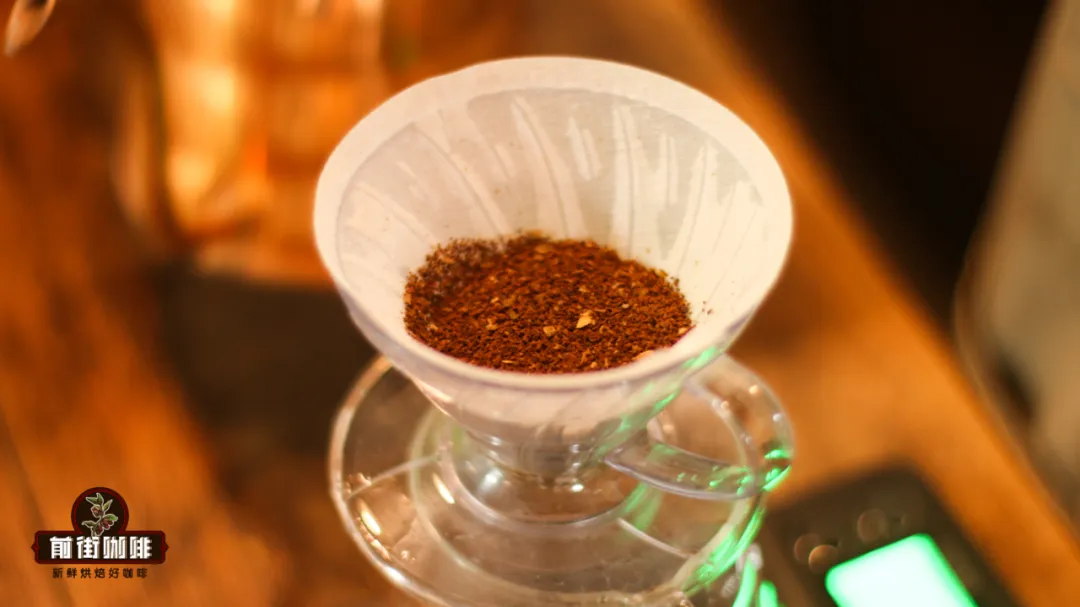

Once green coffee beans are roasted, they generate an astonishing number of aromatic compounds, such as white floral notes and citrus fruit tones. When the beans are ground into powder, these volatile aromas are released in a concentrated burst, captured and perceived by our olfactory system. Because the aroma is so pleasant, many cafés invite customers to smell the dry fragrance of the coffee grounds before brewing officially begins.
However, not every aroma is comfortable and pleasant. Some coffee beans, after being ground into powder, give off a rather heavy sauce-like fragrance. For most people, this scent only makes them frown, want to avoid it, or even find it completely incomprehensible. Then the question arises: how can coffee have a fermented bean paste smell?
The so-called "fermented bean paste smell" may be described differently by each person. But generally speaking, it refers to a coffee aroma that carries a strong savory umami note similar to the doubanjiang or soy sauce used in home cooking. There are two main factors causing this smell, and the most common source is the fermentation that occurs during the coffee bean processing stage.
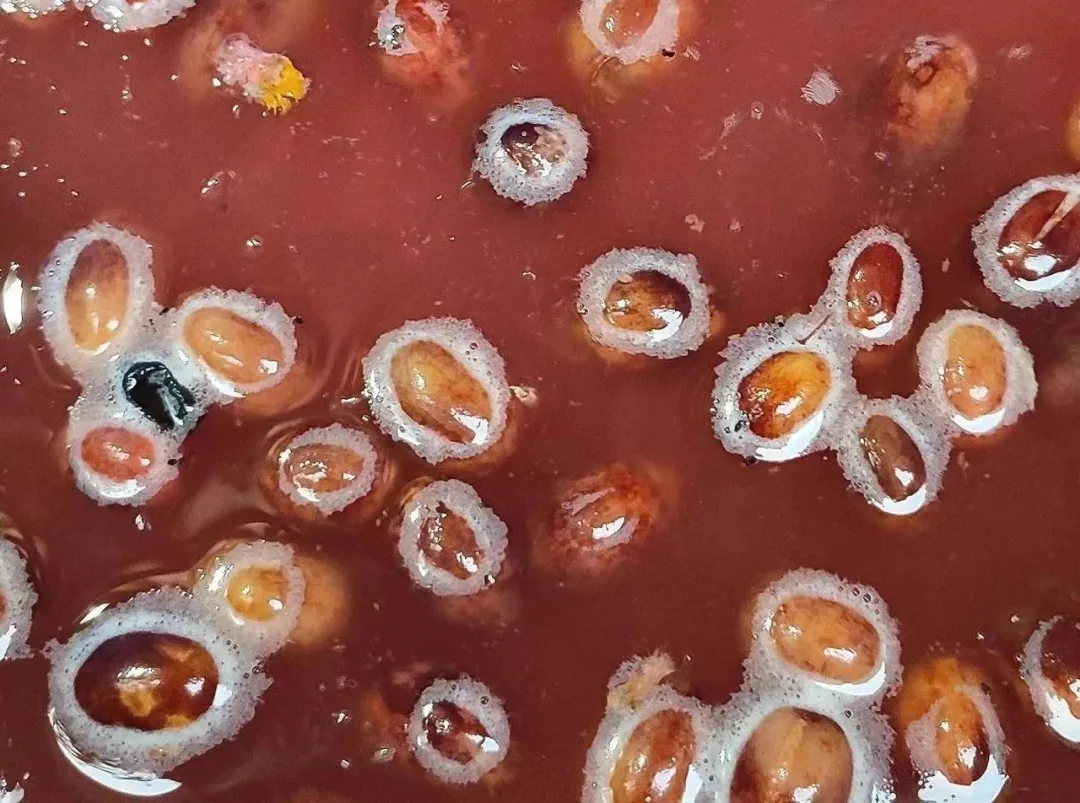
Regardless of which processing method is used, coffee beans undergo fermentation during processing. Through fermentation, the substances stored inside the beans are transformed into various flavors. The lighter the fermentation, the fewer substances are transformed, and the more the finished coffee retains its original taste; the heavier the fermentation, the more substances are transformed, and the more complex the final flavor becomes. When fermentation advances to a certain critical point, the beans take on a distinct fermented odor.
If the degree of fermentation continues to increase, and when the odor accumulates to a certain intensity, the original vinous fermented feel turns into an aroma like soy sauce or fermented black beans—this is what we call the fermented bean paste smell. Anaerobic processing is precisely a high-incidence area for the fermented bean paste taste, because its fermentation degree is usually deeper than that of traditional processing methods.
The formation of this taste can also be understood as the result of aroma concentration being too high and too intense. The principle is similar to how coffee brewed too strong loses its layering—when information is too concentrated, the senses cannot distinguish each item at first, so they simply package it all together and transmit it to the brain, thus presenting a fermented bean paste-like aroma.
Of course, as long as one sniffs patiently and carefully, the effect of sensory "packaging" caused by excessive concentration can be weakened.
For example, the 90+ eleta Geisha currently sold by Front Street Coffee, as an anaerobic bean, indeed smells only of a strong fermented bean paste at first. But if you take a little more time to feel it carefully, you can clearly capture the rich aromas of purple grapes and longan, and the layering on the palate is quite rich and full. So, do not be fooled by the impression the beans present on the surface and miss out on a layered, worthy-of-savoring good coffee.
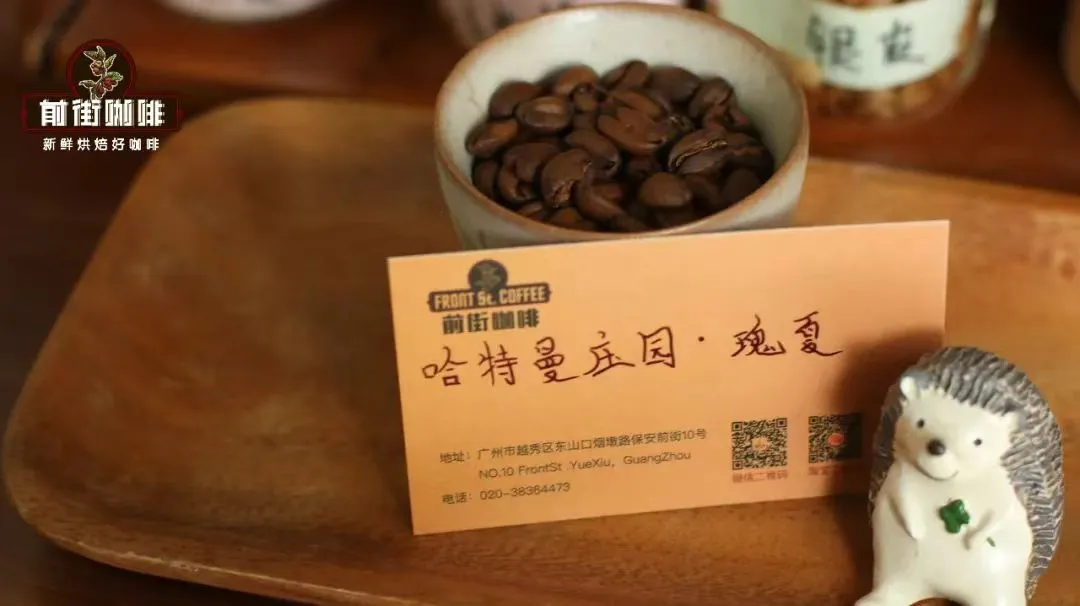
It is also important to understand that not all anaerobic processing produces a strong fermented bean paste smell. Anaerobic processing itself also comes in many types, which can be roughly classified into heavy fermentation and light fermentation. Lightly anaerobic coffee beans will not develop an obvious fermented taste; because the fermentation degree is lighter, it is even easy to mistake them for ordinary natural coffee with little difference. The Geisha from Hartmann Estate is a good example—although it uses anaerobic natural processing, whether smelled or tasted, it is an extremely clean natural-style coffee with a faint fermented feel.
Another factor that can cause coffee to develop a fermented bean paste smell is improper roasting. When the heat is too strong during roasting, causing the bean surface to transform too quickly, the beans will develop a burnt, salty sauce-like aroma. This situation is a negative flavor.
However, the probability of such mistakes occurring for major merchants is extremely low, so Front Street Coffee will not elaborate further here, to avoid causing unnecessary misunderstanding.
- END -
The above content is compiled by CoffeeHunters, a coffee news website.


