







Search Results for: Milk Coffee Recipe
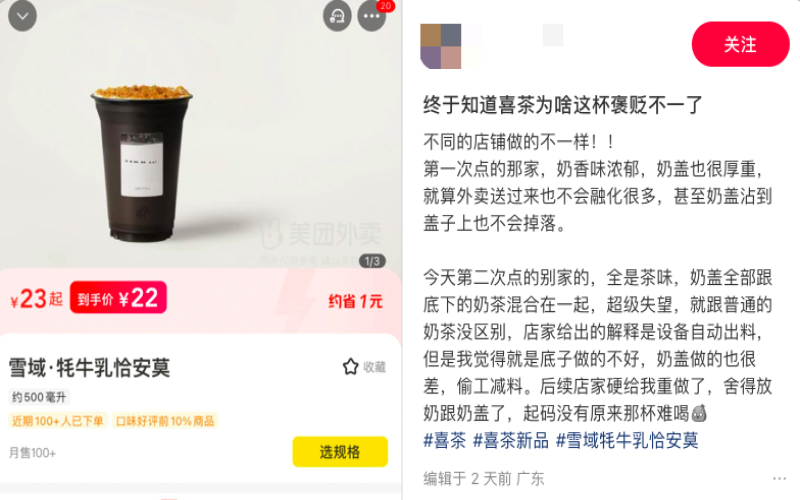
HEYTEA's Yak Milk Qia'an Mo was reported to have had its recipe adjusted the day after launch, with consumers noting a clear difference in flavor before and after.
Heytea's limited-time new product last month, Yak Milk Chaanmoo, quickly became popular thanks to the unique flavor of Tibetan yak milk, but was in short supply due to scarce ingredients. However, recently many repeat customers have found that the drink tastes very different from when they first tried it—the milky aroma has become weaker and the tea flavor more prominent. When verifying with store employees, they unexpectedly got the answer that "the recipe was changed on the morning of the second day after launch." Employees also revealed that further fine-tuning was done afterward. This silent recipe change has sparked consumer dissatisfaction, as they believe the actual taste does not match the promotional claims and that it may cause store employees to bear the misunderstanding of "cutting corners." [more…]
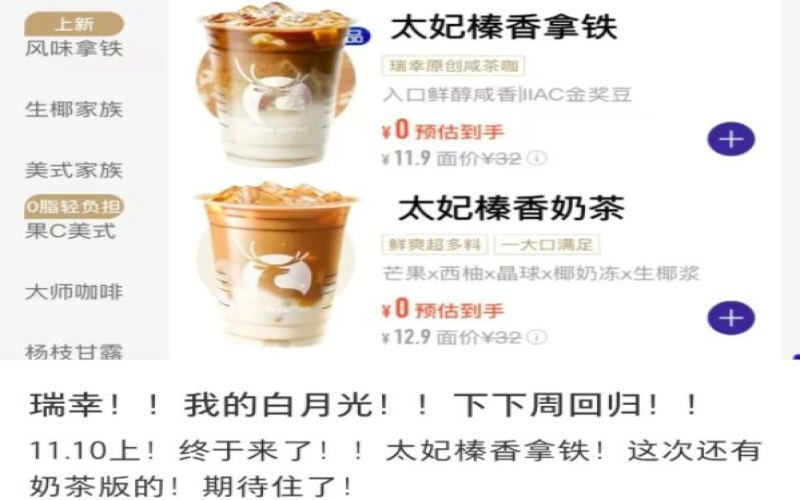
Luckin's launch of Toffee Hazelnut Milk Tea sparks debate: accused of mixing unsold ingredients to clear inventory, classic latte recipe also adjusted
As the weather turns cooler, Toffee Hazelnut Latte has once again become a hot topic among coffee enthusiasts. Brands such as Starbucks and Peet's have successively announced the return of their classic versions, and Luckin is also reported to be launching a Toffee Hazelnut Latte next week, along with a new "Toffee Hazelnut Milk Tea." However, this new product has sparked collective concern among Luckin employees. According to a leaked recipe, the milk tea uses Assam black tea as its base, with the addition of Toffee Hazelnut Velvet Flavored Milk, brown sugar syrup, Silkido, and Milk Skin Velvet Flavored Milk. Employees pointed out that when Silkido and Milk Skin Velvet are mixed, they form the "tofu pudding"-like milk jelly that was criticized in the previous Milk Skin Latte, and since these two ingredients have long been overstocked, it is being questioned as a mix-and-match move to clear inventory. Meanwhile, this year's returning Toffee Hazelnut Latte is also rumored to have a changed recipe, which may leave consumers who were expecting last year's taste somewhat disappointed. [more…]
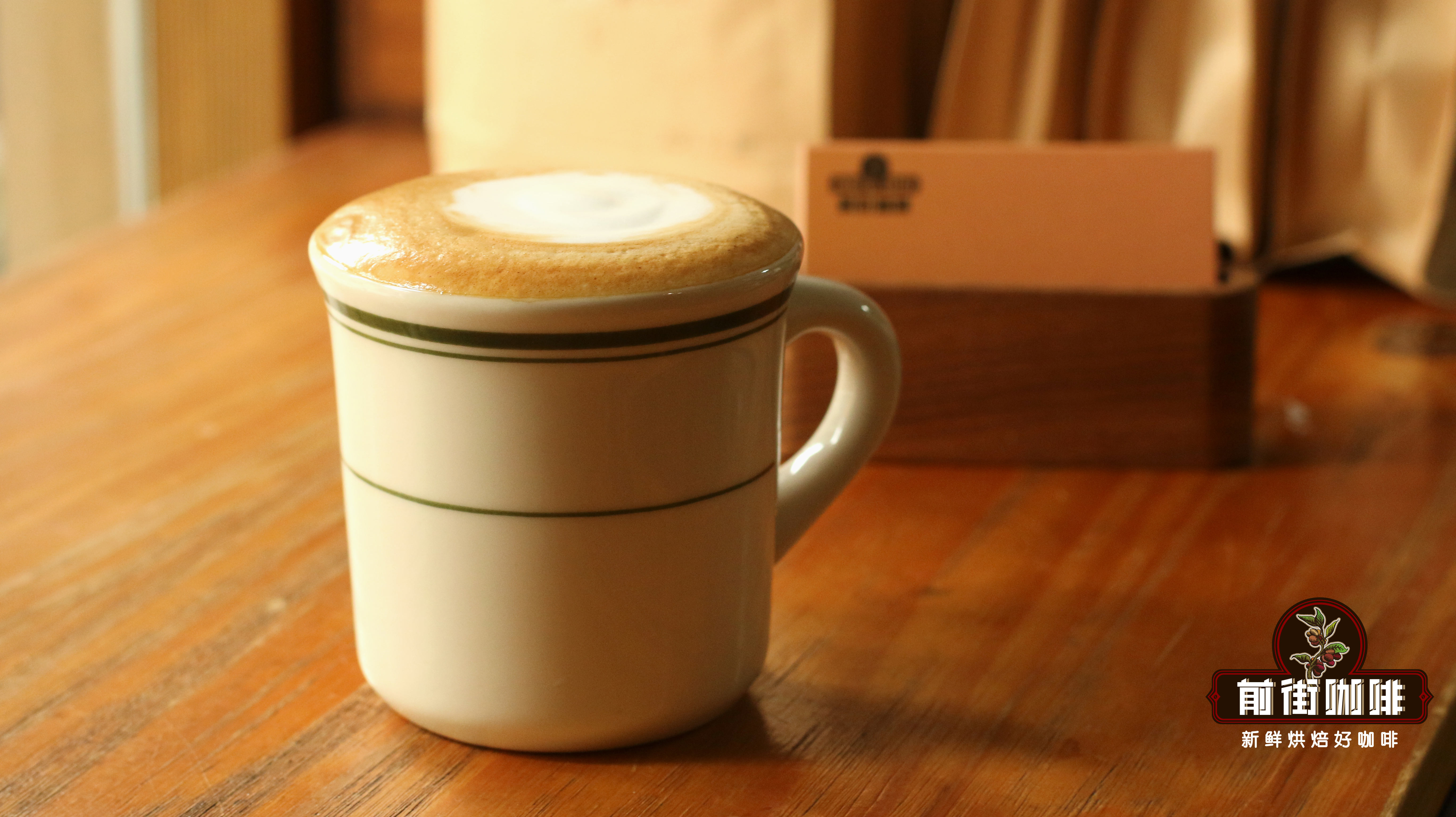
Cappuccino Milk Foam Thickness Standards and Texturing Analysis: From Classic Recipe to Modern Evolution
As a representative of Italian milk coffee, the thickness and degree of frothing of cappuccino's milk foam have always been a core concern for coffee enthusiasts. Starting from the classic 1:1:1 recipe, this article traces the evolution of cappuccino across different historical periods, analyzes the reasons behind the change in milk foam thickness from 2.5cm to 1-2cm, and explores the influence of latte art culture on the form of takeaway cappuccino. At the same time, drawing on the practical experience of Front Street Coffee, it explains how a small cup size, filling to 11 parts, a rich coffee flavor, and dense milk foam together constitute the essential characteristics of cappuccino, helping readers understand the positioning and identification methods of this classic beverage in the modern coffee environment. [more…]
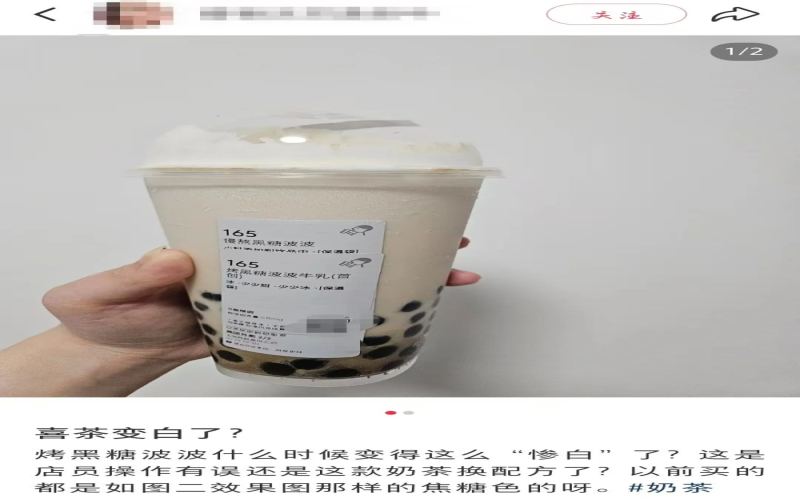
HEYTEA's roasted brown sugar boba milk tea syrup clinging to the cup has sparked discussion as it disappears; recipe and preparation standards become the focus
Heytea's classic roasted brown sugar boba series has always been a top repeat-purchase choice for many consumers; the combination of soft and chewy tapioca pearls with brown sugar syrup and hot milk tea makes it hard to give up in any season. However, recently, many enthusiasts across the country have noticed that the brown sugar boba milk tea they received has visibly "turned white" in appearance. The signature dark brown syrup coating that used to cling to the cup wall is no longer visible, and the boba no longer sinks to the bottom together with the brown sugar syrup, but instead floats distinctly as separate particles suspended in the milk tea. This change quickly sparked discussion: is it caused by the syrup dissolving due to stirring in a hot drink, or has the brand quietly adjusted its ingredients and formula? Heytea staff give differing accounts, while the official account denies any formula change and attributes the cause to some stores failing to prepare it according to standard. This article compiles consumer feedback and responses from various parties, and includes relevant recommendations from Front Street Coffee, for the reference of coffee and tea beverage enthusiasts. [more…]
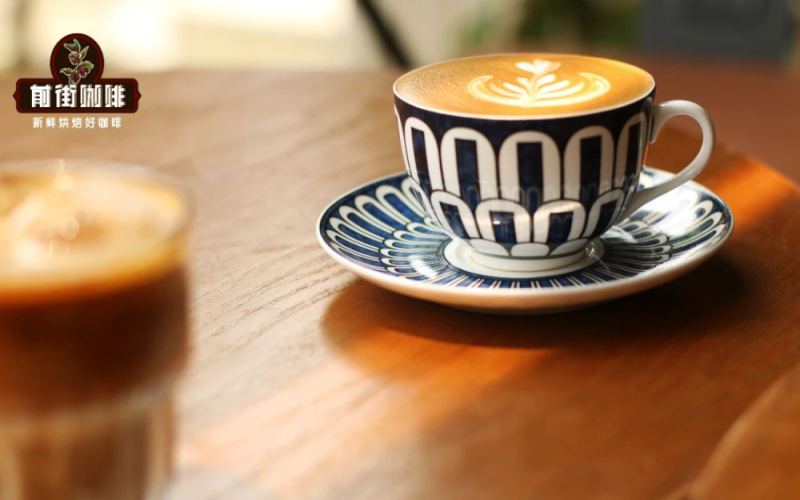
How to Choose Espresso Beans for Latte? A Full Analysis of Front Street Coffee's Four Blends, Roasting Principles, and Hot & Cold Preparation
To make a delicious latte at home or in a café, choosing the right espresso beans is far more particular than you might imagine. Starting from Front Street Coffee's blending philosophy, this article explains why espresso beans are mostly blends, what principles a blend recipe should follow, and introduces the flavor profiles and suitable scenarios of four beans: Front Street Specialty Blend, Strawberry Candy Espresso, Commercial Espresso Blend, and Dark Cocoa Base Blend. It also takes a deeper look at the relationship between roast level, acidity, and milk foam durability, explaining how coffee beans affect the taste and consistency of a latte. Finally, it includes specific approaches to making iced and hot lattes, covering key steps such as espresso extraction, milk steaming, and pouring/latte art, helping you understand the ins and outs of milk coffee more systematically. [more…]
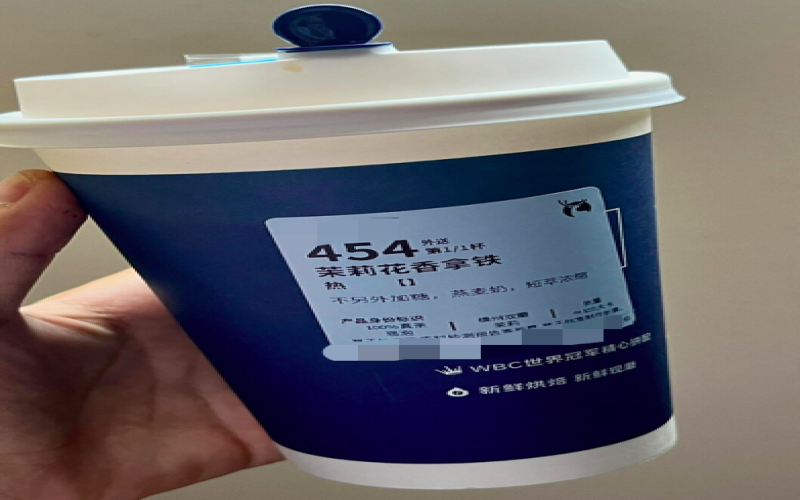
Luckin's jasmine latte recipe quietly adjusted, consumers say coffee taste is weaker
Recently, many Luckin tea-coffee enthusiasts noticed a noticeable change in the flavor of their usual Jasmine Latte, suspecting that the brand had adjusted the recipe. In March of this year, Luckin had just announced an upgrade to its light milk tea, switching from tea powder to freshly brewed tea, and the Jasmine Latte was improved accordingly, with a fresh tea aroma that blended well with the coffee, making it a daily must-order for many consumers. However, starting June 2, regulars reported that the drink tasted weaker, with the coffee flavor almost gone—some even described it as drinking milky tea water. Some customers noticed from the cup labels that the espresso notation had changed from "Espresso Concentrate" to "Short Extract Espresso," and staff also revealed that the ratios of tea, milk, and coffee had all been altered. This adjustment sparked widespread dissatisfaction, with an increase in negative reviews and complaints at stores, and loyal fans calling on the official brand to restore the original recipe. [more…]

What's the Difference Between a Macchiato and a Cappuccino? Caramel Macchiato Recipe and Tasting Guide
Walking into a café and facing a dazzling menu of espresso drinks, have you ever been confused: what exactly is a Macchiato? How is it different from a Cappuccino? And how is a Caramel Macchiato made? This article will take you back to the Italian origins of the Macchiato, clarify its essential differences from the Cappuccino in recipe and taste, and break down the steps for making a Caramel Macchiato along with key tasting points. We will also share the traditional ratios and modern evolution of authentic Cappuccino, as well as practical tips from Front Street Coffee during the preparation process, helping you make a cup of milk coffee with distinct layers and pure flavor at home. [more…]
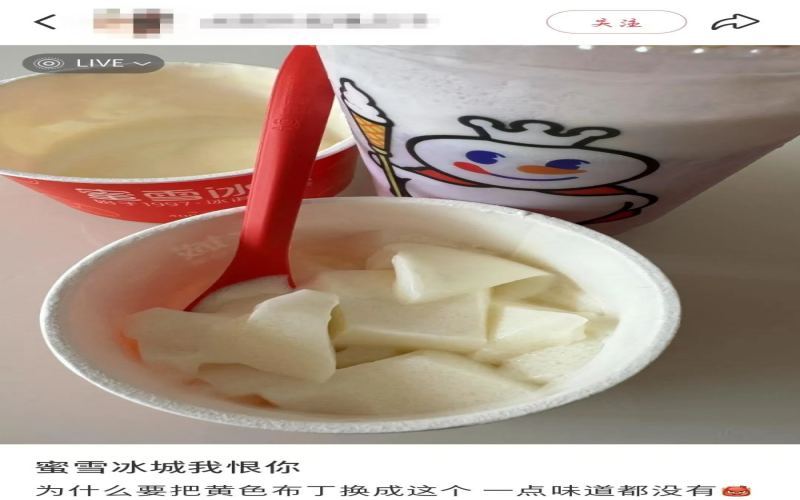
Mixue Ice Cream & Tea's Egg Pudding Quietly Changes Recipe, White Milk Pudding Launch Sparks Customer Controversy and Cost Discussions
Recently, a classic topping at Mixue Bingcheng—egg pudding—unexpectedly turned into a milky white milk pudding without any notice, surprising and even upsetting many longtime customers. Some complained about a strong milky odor and bland taste, while others speculated that the brand had changed the recipe to cut costs. However, store employees revealed that the new recipe actually uses more refined ingredients, requires the addition of fresh milk, slightly increases costs, and contains fewer additives. Behind this pudding color-change controversy, is it a healthy upgrade or a compromise on consumer taste? This article will walk you through the course of events, what employees say, and the overall direction of Mixue Bingcheng's topping recipe adjustments. [more…]
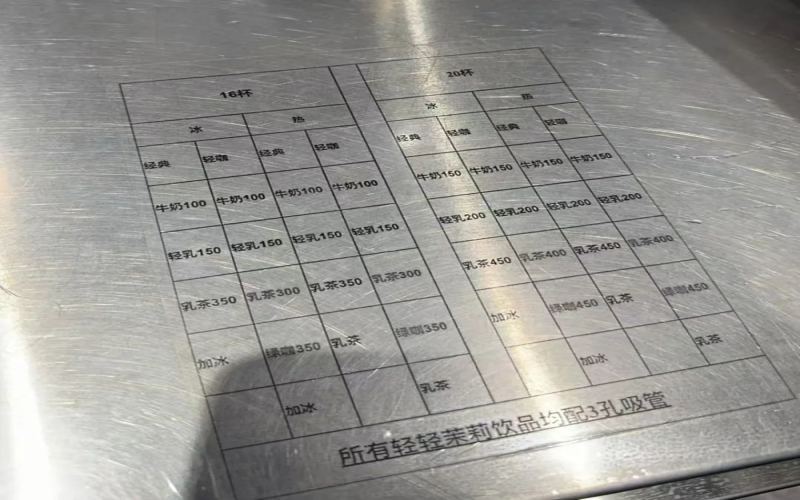
Luckin's eight light milk tea recipes drive staff crazy, baristas stage a collective recipe-copying battle
Luckin Coffee recently launched a light milk tea series, and when you stack up the options—hot or iced, sweetness level, cup size, caffeinated or not—it somehow spawns eight completely different recipes. For customers, this is thoughtful personalized choice; for store employees, it's an extreme test of memory. On the first day of the launch, under the pressure of a flood of orders, staff members rushed to copy the recipes onto cheat sheets and stick them on the bar, and even veteran employees couldn't escape a "brain freeze." This article takes you through how Luckin's workers struggle to survive among eight sets of recipes, and the "wild ways" they've come up with to cope. [more…]
What Are the Differences Between Americano, Latte, and Cappuccino? A Clear Explanation from Recipe Structure to Taste and Flavor
Faced with Americano, Latte, and Cappuccino on a coffee menu, many people recognize the words but can't clearly explain the differences between them. This article will systematically sort out the differences among these three common coffee drinks from three dimensions: historical origins, recipe structure, and taste characteristics. Americano is espresso plus water, Latte is espresso plus milk and a thin layer of milk foam, while Cappuccino brings a rich, dense mouthfeel with thick milk foam. The article will also combine actual output from Front Street Coffee stores to provide specific espresso extraction plans and production parameters for each drink, helping you not only understand the menu but also grasp the logic behind every cup of coffee. [more…]
What Exactly Is the Difference Between an Americano, a Latte, and a Cappuccino? A Comprehensive Analysis from Recipe Structure to Taste
Walking into a coffee shop and facing a menu of Americano, Latte, and Cappuccino, many people recognize the words but can't quite explain how they actually differ. All three are based on espresso, but the proportions of water, milk, and milk foam added vary, resulting in distinctly different flavors and mouthfeels. This article will systematically sort out the differences between Americano, Latte, and Cappuccino from three angles: historical origins, recipe evolution, and structural comparison. Combined with Front Street Coffee's actual in-store serving plans, it will provide specific extraction parameters and preparation methods, helping coffee enthusiasts stay well-informed whether ordering or making these drinks themselves. [more…]

Italian-Style Blend Bean Recipe Ideas and the Complete Latte-Making Process: From Bean Selection to Milk Frothing Techniques
Why can an unsweetened latte still taste sweet? What secrets are hidden in Front Street's espresso blend beans? Starting from the formulation logic of espresso blends, this article will break down the flavor characteristics of Front Street Classic Blend and Strawberry Candy Espresso one by one, and explain in detail the trade-offs between pre-roast blending and post-roast blending, how to determine blending ratios, as well as the milk frothing temperature, frothing technique, and coffee-to-milk ratio for lattes. Whether you are a complete beginner or someone who wants to recreate a latte with a wine-scented finish at home, you can find actionable answers in this process. [more…]
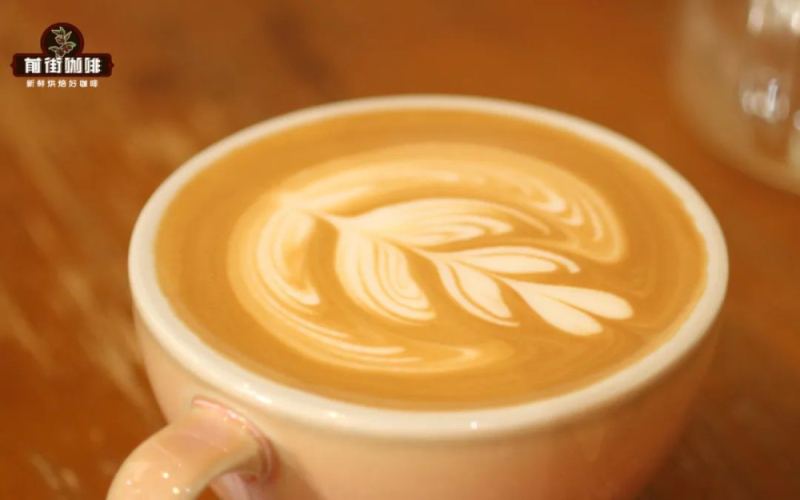
How to Choose Milk and Coffee Beans for Latte? Ratio Recipe and Front Street Espresso Blend Recommendations
Latte is one of the espresso drinks that coffee lovers consume most frequently in their daily routine. The pairing of milk and espresso looks simple, but in reality, everything from bean selection to milk frothing has its finer points. This article centers on latte coffee, first tracing its historical origins, then focusing on what kind of coffee beans to choose when making a latte—medium-dark roasted blends, single-origin SOE beans, or medium-light roasted fruity beans—and what flavor directions each one presents. It then gives Front Street's latte recipe ratio and espresso extraction parameters, and explains step by step the optimal volume for milk frothing, the position of the steam wand, and the key operating points of the two stages: aeration and texturing. Finally, it explains how integration and latte art affect the mouthfeel, while recommending specific products such as Front Street Classic Blend, Dark Cocoa Base Blend, and Queen's Estate SOE. [more…]
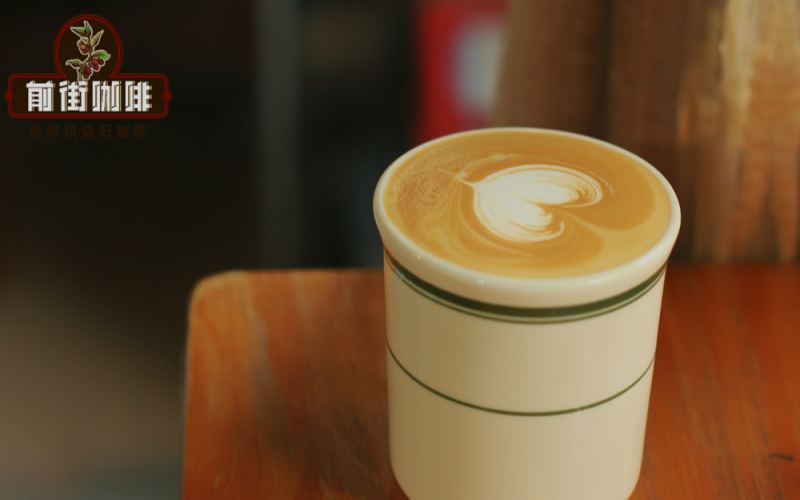
Australian White Coffee English Name Explained: A Comprehensive Comparison from Recipe to Flavor Differences with Latte
In coffee enthusiast circles, Flat White has always been a topic worth exploring in depth. It originated in Australia and New Zealand and is regarded as Oceania's localized evolution of the latte. Unlike the lattes and cappuccinos on Front Street Coffee's regular menu, the Flat White often exists as a hidden option. Starting from the English name of Flat White, this article will break down in detail its specific differences from a latte in cup size, espresso ratio, milk foam thickness, and flavor direction, and will also include Front Street Coffee's complete Flat White recipe and steps. Whether you want to understand exactly how a Flat White differs from a latte, or you want to recreate at home a cup of Flat White with thin milk foam and a prominent coffee flavor, you can find clear answers here. [more…]
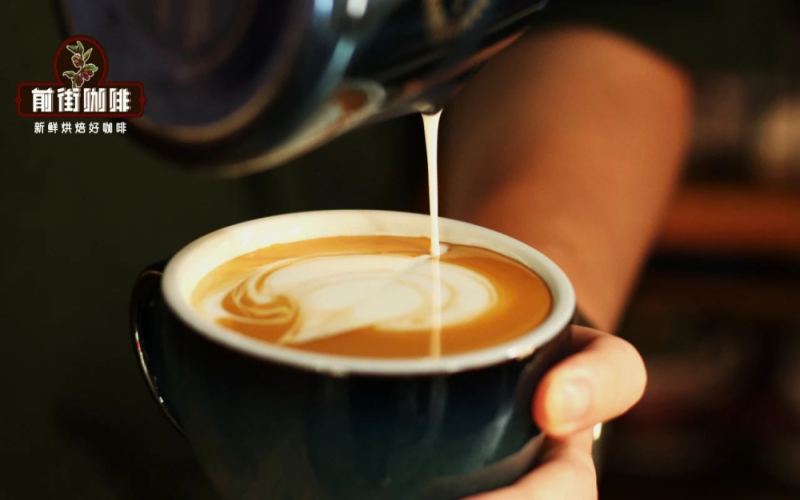
Latte Recipe | How to Make a Coffee Shop-Style Latte? What's the Right Espresso-to-Milk Ratio for a Latte? Which Coffee Beans Make a Delicious Latte?
For more specialty coffee knowledge, please follow the WeChat official account: Front Street Coffee (FrontStreet Coffee). Latte coffee is one of our most common coffee drinks. At Front Street Coffee (FrontStreet Coffee), latte coffee is also the most popular espresso [more…]

Espresso Special Milk-Washed Latte Making Guide: Ingredient Ratios, Step-by-Step Details, and Practical Recipe
Milk washing is a process that involves mixing an acidic ingredient with milk to curdle the casein, then filtering out a transparent milk serum. Thanks to its striking visual presentation and unique mouthfeel, it is used by many coffee shops in the making of specialty coffee drinks. However, although the process is not complicated, there are quite a few details to pay attention to. If you simply add an acidic substance and coffee directly to milk, the resulting clarified liquid is often difficult to drink as is. To make a good-tasting milk-washed coffee, in addition to the basic ingredients, flavoring components such as sugar are needed to balance the acidity, while the choice of coffee beans, the usage ratio, and the steeping time will all significantly affect the final flavor. This article will cover the ingredients, steps, and recipes for milk washing, and share Front Street Coffee's specific recommendations on bean selection. [more…]
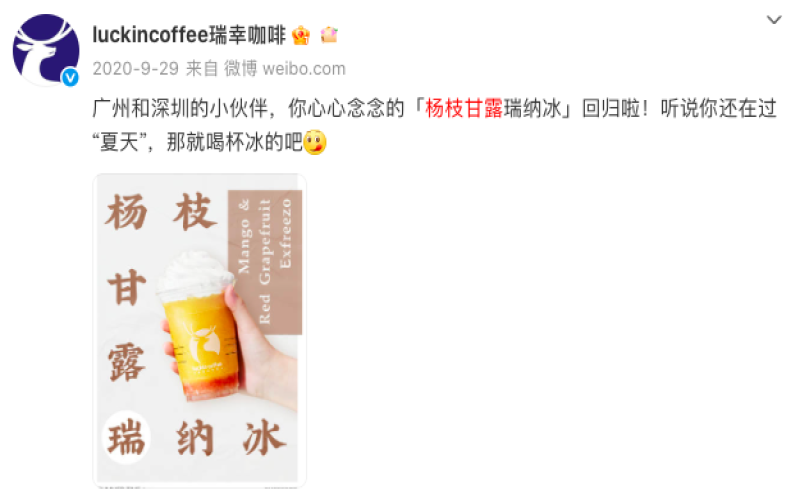
Luckin's Raw Coconut Mango Pomelo Sago is about to return, and its twelve-step recipe along with the fridge storage challenge have sparked heated discussion among staff.
Luckin Coffee, the chain coffee brand, is expected to relaunch its "Coconut Mango Pomelo Sago" at the end of September, a drink returning after a three-year absence that has many longtime customers full of anticipation. Yet after the new recipe was revealed, it triggered a collective outpouring of complaints from employees—as many as 12 preparation steps and 6 new ingredients have made already cramped store refrigerators even more overwhelmed. Some joked that "the recipe is longer than life itself," while others quipped that "the time it takes to make one cup is enough to make two or three Coconut Lattes." Is the return of Mango Pomelo Sago a matter of nostalgia fulfilled or an operational challenge? Around topics such as recipe complexity, ingredient storage, and brand positioning, a lively debate about the boundary between coffee and tea drinks is unfolding. [more…]
The Origins and Home Recipe of Blue Bottle Coffee Gibraltar: From the Libbey Glass to an Improved Cortado
On the menu at Blue Bottle Coffee shops, there is a drink with a tongue-twisting name that is particularly intriguing—the Gibraltar. It is at once the name of a port city, the designation of Libbey's classic glassware series, and a rich little milk coffee that sits somewhere between a latte and a macchiato. This drink was not deliberately developed, but arose from an accidental purchase of the wrong glass: a 4.5-ounce small glass could not hold a regular milk coffee, yet it was just right for observing espresso crema, so a barista blended a small amount of thin-microfoam milk into a double espresso, accidentally creating an off-menu hit. Today, Front Street takes everyone through the origins of the Gibraltar, compares its similarities and differences with the cortado, and finally provides a home recipe with parameter references. [more…]

The Origin Story of Latte | Which Tastes Better: Iced Latte or Hot Latte? What Is the Proper Way to Drink a Latte? Which Coffee Beans Are Suitable for Making an Espresso Latte?
Among the many espresso coffee choices, if someone asks which espresso coffee has the highest milk content, Front Street Coffee will definitely answer that it is a latte, and latte is further divided into iced latte and hot latte; their methods are slightly different, but the recipe is the same [more…]
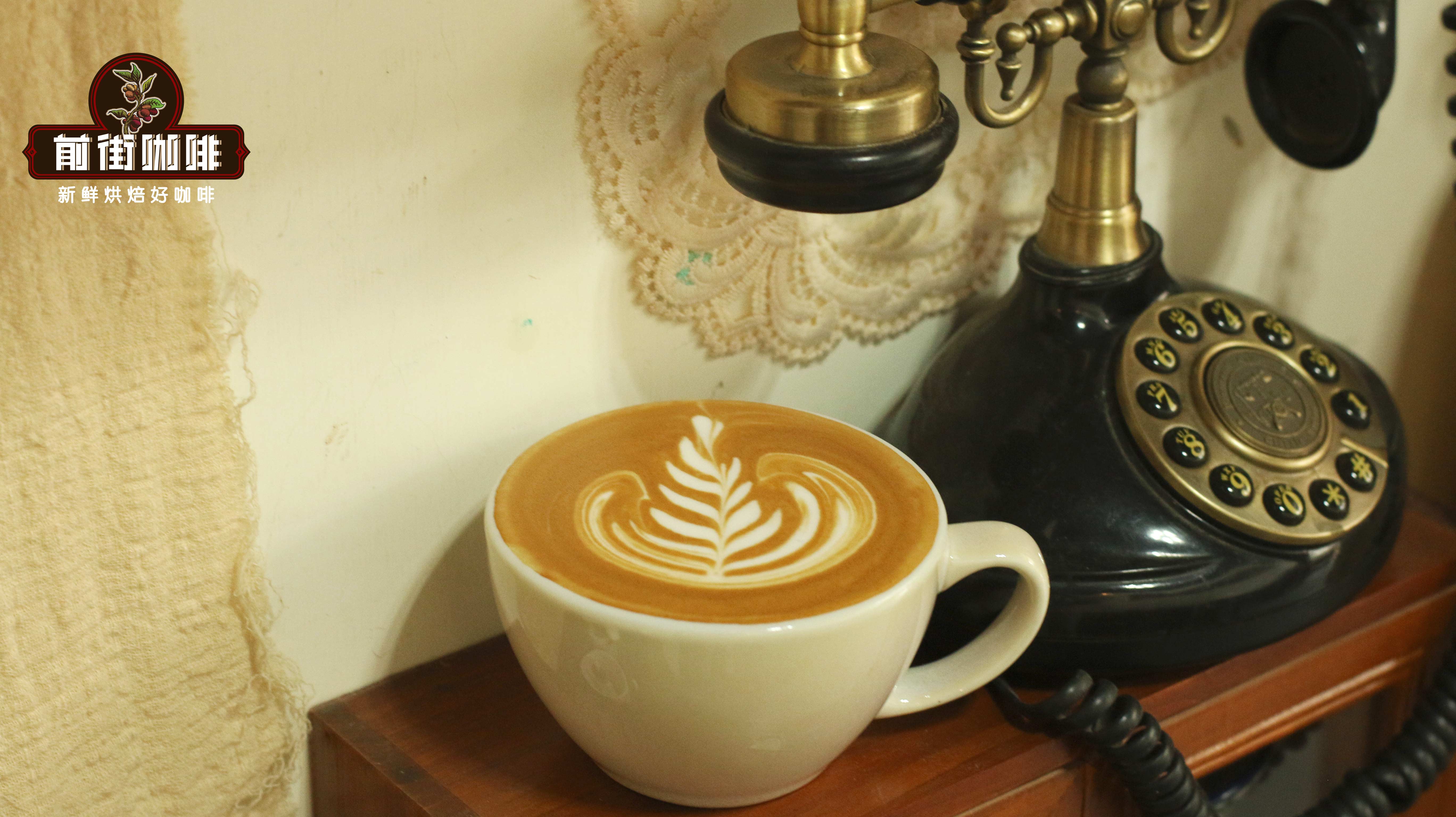
A Complete Guide to Making Espresso Latte: Recipe Ratios, Coffee Bean Selection, and Extraction Techniques
Latte coffee may seem simple, but in fact, everything from the choice of coffee beans to the handling of milk involves much attention to detail. Starting with the historical origins of the latte, this article breaks down in detail how different coffee beans affect latte flavor, recommends Front Street espresso blends suitable for beginners and advanced enthusiasts alike, and includes complete espresso extraction parameters along with milk frothing standards. Whether you want to recreate a silky latte at home or understand the root causes of differences in coffee shop offerings, this content will give you practical reference. [more…]