







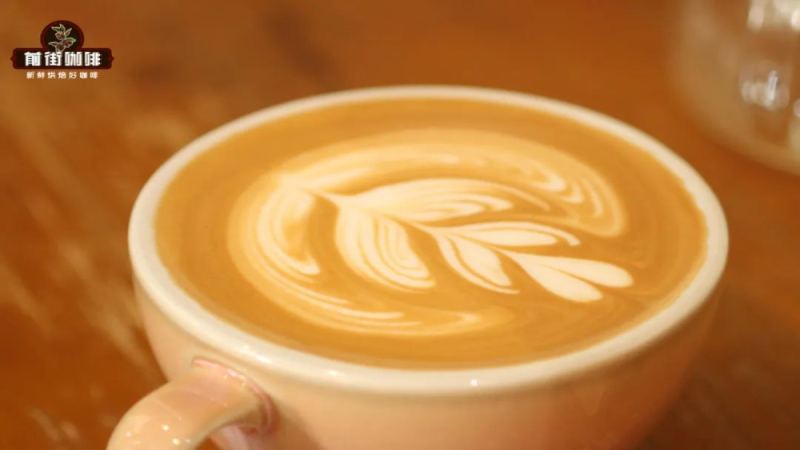
What Is SOE in Coffee and Which Beans Suit a Latte?
A latte is espresso mixed with a large amount of steamed milk, so the beans and the milk both shape the final cup. Medium-dark roasted blends give chocolate and nut notes that survive the milk, single-origin SOE beans highlight one origin's character, and medium-light fruity beans keep more acidity and aroma.
Mixing coffee with milk long predates the espresso machine; Europeans paired the two in the 17th century, and the term coffee latte appeared in print in 1867. Modern latte art grew out of Seattle coffee bars in the 1980s once steam wands and microfoam became standard, and shops still differ in ratio, beans, and extraction.
Latte is one of the most frequently consumed espresso drinks in coffee lovers' daily routines. The pairing of milk and espresso seems simple, but in reality, everything from bean selection to milk frothing has its nuances. This article focuses on latte coffee, first tracing its historical origins, then focusing on what kind of coffee beans to choose when making a latte—medium-dark roasted blends, single-origin SOE beans, or medium-light roasted fruity beans—and what flavor profiles each presents. It then provides Front Street's latte recipe ratio and espresso extraction parameters, and step by step explains the optimal milk volume for steaming, the steam wand position, and the key operational points of the aeration and texturing stages. Finally, it explains how integration and latte art affect the mouthfeel, while recommending specific products such as Front Street Classic Blend, Front Street Dark Cocoa Base Blend, and Queen's Estate SOE.
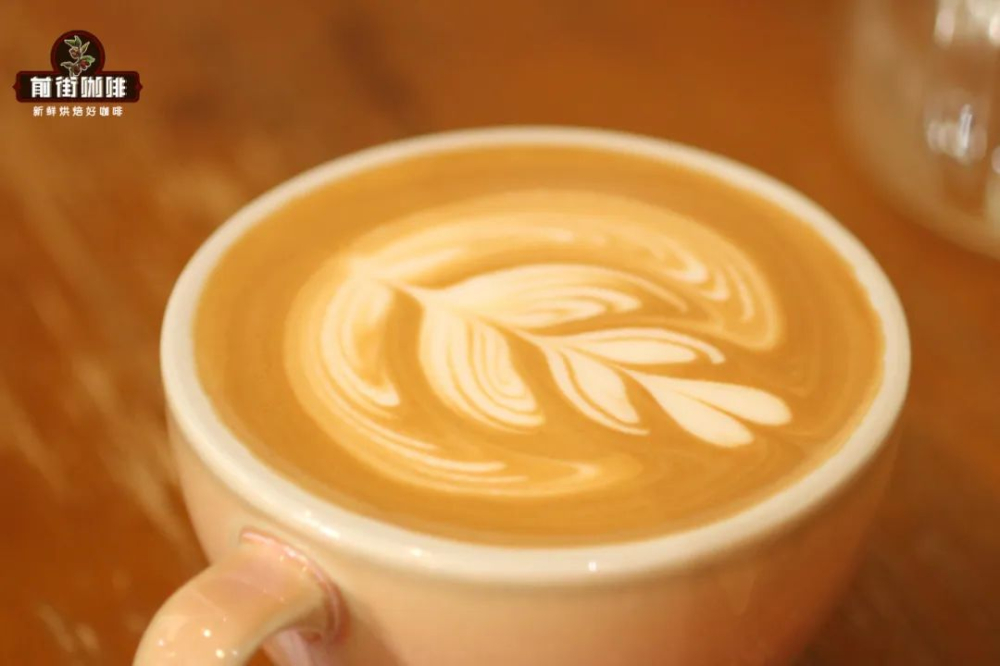
Latte is a classic beverage with an extremely high order rate in coffee shops, and it also firmly holds the top spot in popularity in Front Street's espresso coffee series. So how exactly is such a cup of latte made?
What exactly is latte coffee?
The history of mixing coffee with milk actually predates the invention of espresso by a long shot—as early as the 17th century, Europeans had already begun pairing them this way. In 1867, William Dean Howells first wrote the term "coffee latte" in his travelogue Italian Journeys. In that era, coffee was sweeping the globe, but the espresso machine had not yet appeared, and brewing methods were still quite primitive.
"Latte" is the Italian word for milk. If you order a latte in Italy, what arrives may very well be just plain milk. In other words, latte coffee is simply coffee with milk. Later, as espresso machines became widespread and the steam wand became standard equipment, heating milk became effortless, and the modern-day latte gradually took shape. In the 1980s, baristas in Seattle coffee shops began "painting" with dense microfoam on the surface—this was the prototype of latte art.
Every shop's latte differs slightly in milk-to-coffee ratio, beans used, and extraction parameters. Generally speaking, a latte is a beverage made by mixing a large amount of milk with espresso. Different beans produce different flavors; different milk produces different flavors too; even changes in the coffee-to-milk ratio can bring about completely different taste experiences.
What coffee beans should you choose for making a latte?
Generally speaking, beans used for lattes must be compatible with espresso machines—coffee roasted too light is not suitable. The darker the roast, the more prominent the coffee flavor in the latte, leaning toward caramel and bitterness; the lighter the roast, the more the milk flavor dominates. So the roast level must be well calibrated to allow the coffee and milk to harmonize with each other.

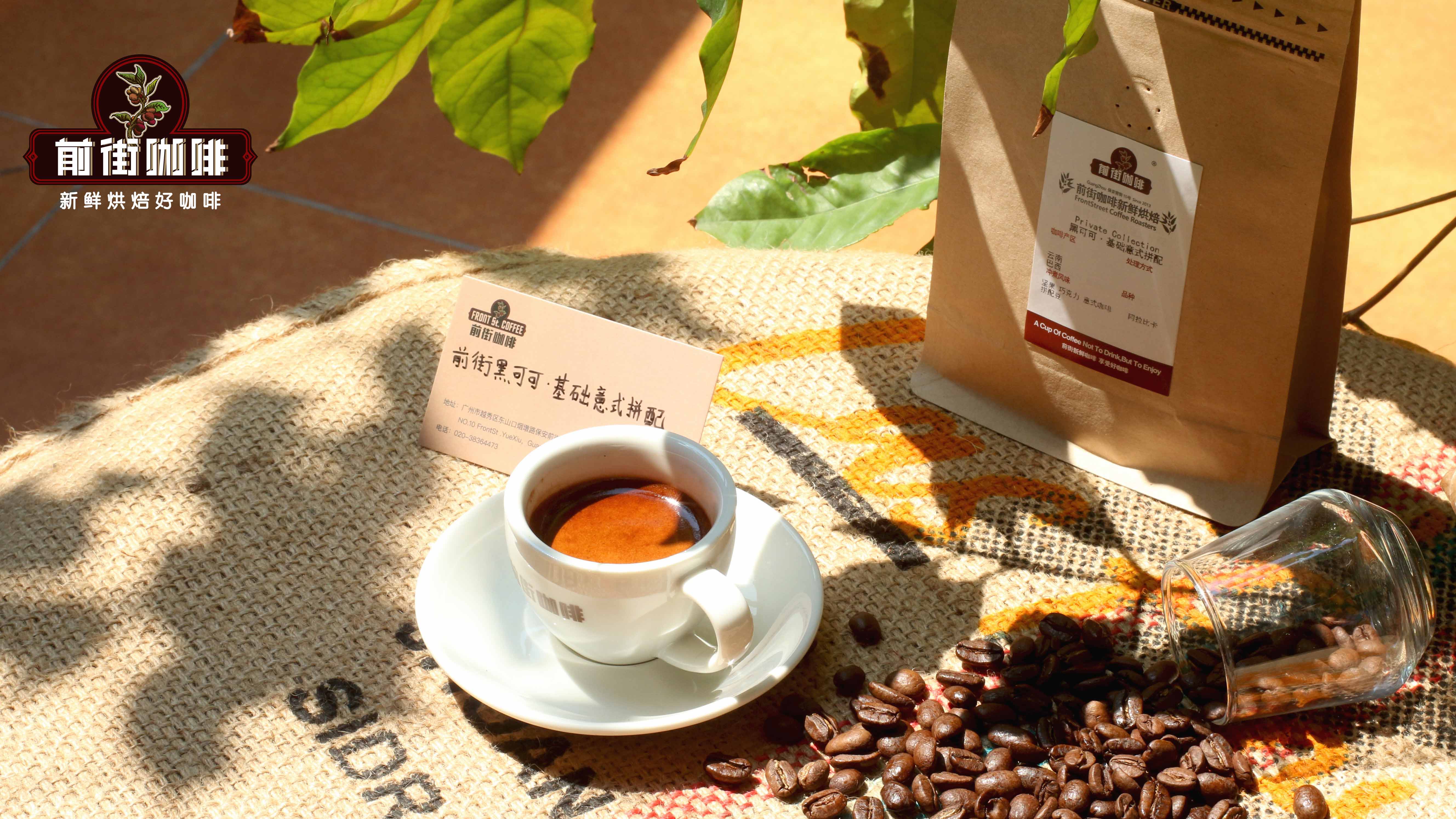
When making a latte at home, prioritize medium-dark roasted blend beans or single-origin SOE beans. These beans have fuller caramel aromas and a rich, substantial body, creating a clear layered contrast with the sweet milk, with a long-lasting sweet aftertaste. If you value consistency and value for money, Front Street Classic Blend and Front Street Dark Cocoa Base Blend are good choices—rich in crema and carrying intense notes of butter and roasted chestnuts;
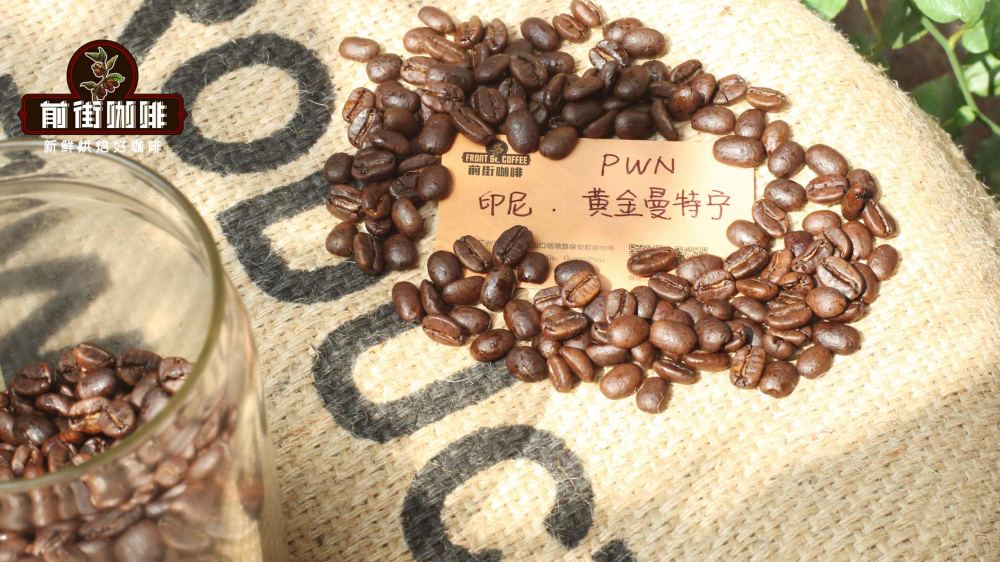
If you prefer the unique aroma of single-origin beans, you can try Front Street Queen's Estate SOE or Front Street Sumatra · Front Street PWN Golden Mandheling SOE. After extraction, the caramel and chocolate aromas are intense, and the contrast with purified milk is even more striking;
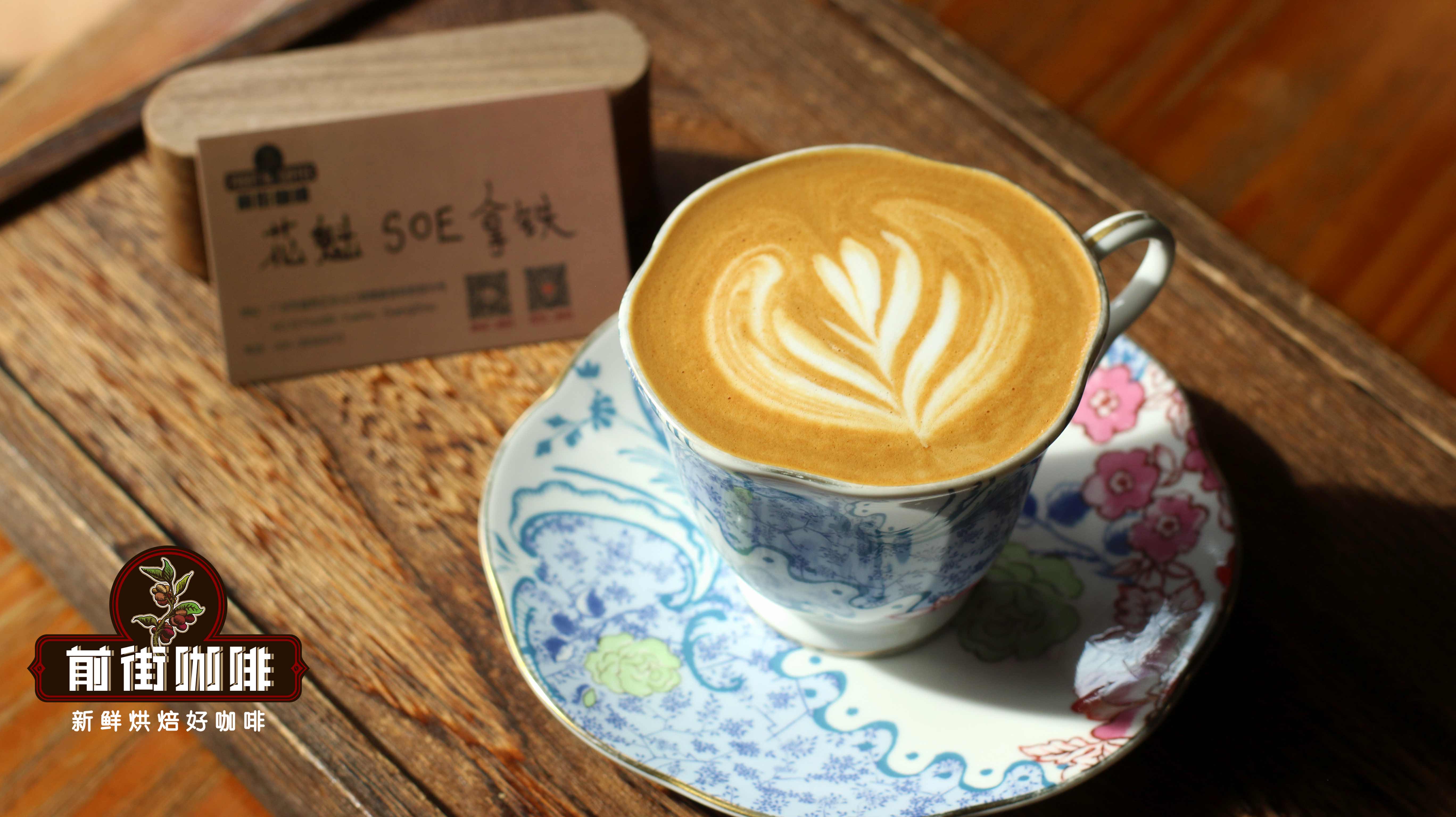
If you want a more refreshing coffee flavor, medium and medium-light roasted beans also work, such as Front Street Strawberry Candy Espresso and Front Street Huakui SOE from Front Street's bean list, which have been specifically roast-adjusted for espresso. Both can extract fruit-forward espresso that, when combined with milk, presents floral and fruity aromas with sweet-and-tart notes.
How to make latte coffee
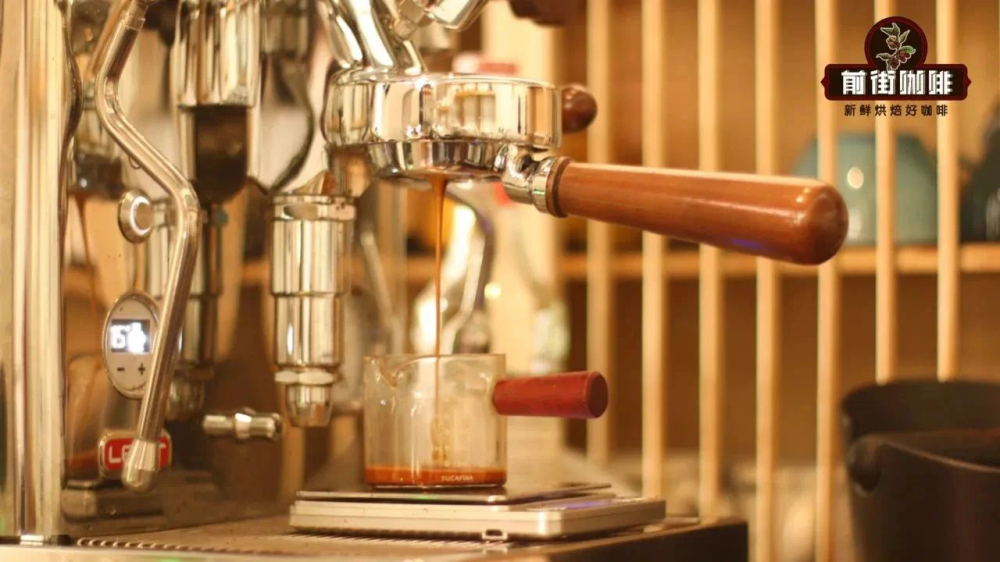
Front Street's latte recipe is 1:6.5, which means 40 grams of espresso mixed with 260 grams of steamed milk.
For the espresso base, Front Street uses 20 grams of coffee grounds to extract 40 grams of espresso liquid within 27 seconds.
Next is steaming the milk foam. First, you need a steam wand, which semi-automatic espresso machines generally come equipped with; second, you need a container to hold the milk, such as a milk pitcher or latte art pitcher—professional equipment can save a lot of effort.
As for milk, room-temperature or cold milk, whole or skimmed, can all be steamed into foam. But if you're after better texture, flavor, and lasting stability, Front Street recommends cold refrigerated whole fresh milk.
1. Determining the steaming volume: The amount of milk in the pitcher must be reasonable. Front Street recommends keeping it between 40% and 60% of the pitcher's total capacity—too little or too much demands higher technique. Of course, you should also factor in the actual amount of milk used per cup to avoid waste. Taking Front Street's 550ml pitcher as an example, pouring in 250ml of milk brings it right to the bottom of the spout.
2. Steam wand position: Before steaming, open the steam valve to release condensed water, then close it. Then pull out the steam wand at a 45-degree angle to the liquid surface, and use the pitcher spout to brace the steam wand steadily. The steam vortex formed in this case is counterclockwise, with the steam wand positioned to the right of the center cross on the liquid surface, in a half-submerged state.
3. Aeration stage: After opening the steam valve, you'll hear a hissing sound—this is the aeration stage. The thickness of the milk foam depends on the duration of aeration; the longer you aerate, the thicker the foam. Typically, aerating milk from 50% full to 60% volume—which is the foam thickness needed for a latte—takes about 3 seconds. The milk must rotate in the same direction to form a vortex.
4. Texturing stage: At this point, fully submerge the steam holes so that only heating occurs without further air intake. Do not sink the steam holes to the very bottom; it's recommended to keep them at the foam layer, which helps break large bubbles into fine ones. When to stop depends on the milk temperature, generally controlled between 55 and 65 degrees Celsius. Excessive temperature causes protein denaturation—proteins in food begin to denature from heat at around 60 degrees Celsius.
Finally comes integration and latte art. Once the espresso is extracted and the milk is steamed, you can proceed with integration and serving. Integration is a crucial step in latte-making—when done properly, the first sip is smooth and comfortable with no off-flavors. Only after integration is done well does it come to what we commonly call pouring latte art. At this point, a cup of latte is complete.

Flavor profile of Front Street's recipe latte: smooth mouthfeel, lingering chocolate notes, interwoven with pleasant caramel aromas, a long finish, and clear sweetness.
The above content is compiled by CoffeeHunters, a coffee news website.


