







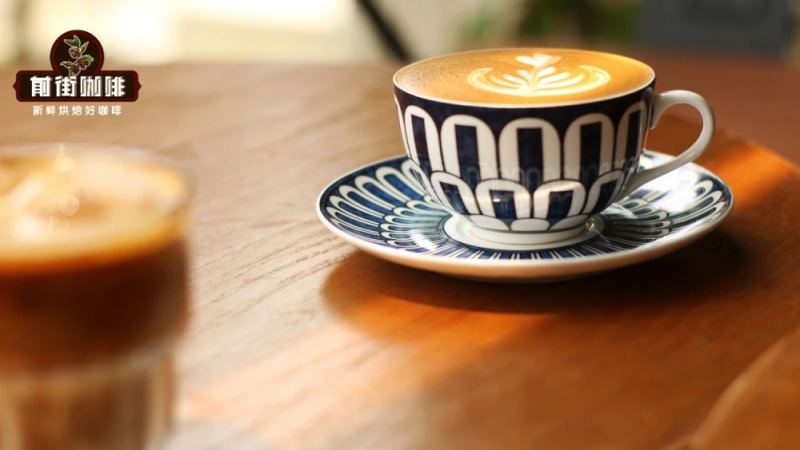
To make a delicious latte at home or in a shop, choosing the right espresso beans is far more particular than you might imagine. Starting from Front Street Coffee's blending philosophy, this article explains why espresso beans are mostly blends, what principles a blend recipe should follow, and introduces four beans—Front Street Specialty Blend, Strawberry Candy Espresso, Commercial Espresso Blend, and Black Cocoa Base Blend—covering their flavor positioning and suitable scenarios. It also analyzes in depth the relationship between roast level, acidity, and milk foam durability, explaining how coffee beans affect a latte's taste and consistency. Finally, it includes specific approaches to making iced and hot lattes, covering key steps like espresso extraction, milk steaming, and pouring/latte art, helping you understand the craft behind milk coffee more systematically.
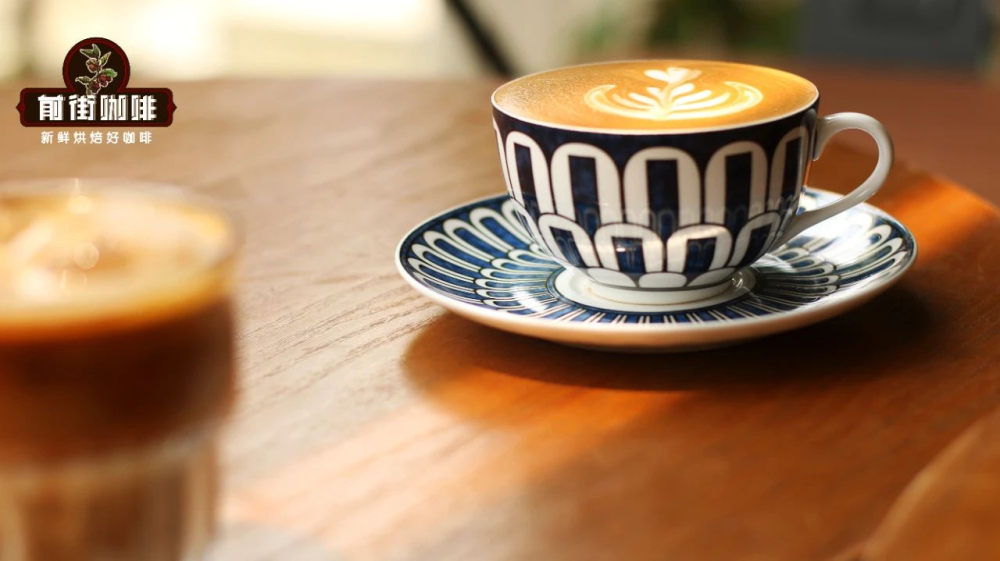
When selecting espresso beans, Front Street Coffee's primary focus is flavor performance, body, and the balance between acidity and bitterness. Today, the most favored category in the espresso world is milk coffee. After coffee liquid and milk blend, the coffee's own flavor must not be overpowered by the milk, while the two must coexist harmoniously. Therefore, when choosing beans, Front Street Coffee comprehensively considers factors such as the variety combination of espresso beans and the mixing ratio of coffee to milk.
What Exactly Are Espresso Beans Espresso beans in most cases refer to blended beans. So-called blending means mixing several single-origin coffee beans in proportions, most commonly a combination of two or three beans.
The purpose of blending is clear: to bring together the flavors of different coffee beans into a new taste experience, achieving a more balanced result. For example, if one bean is smooth but lacks aroma, you can add another bean with a rich aroma, complementing each other's strengths. This is somewhat like finding complementary partners in relationships—such relationships tend to be more stable. This complementary characteristic of espresso beans is exactly why they are more easily accepted by the public.
FrontStreet Coffee Espresso Blending Philosophy Explained First, plan the recipe design process. At this point, consider several fundamental questions: Who is this blend for? Is it for home consumers, cafes, or a general-purpose recipe for multiple scenarios? The answers determine what flavor the recipe should present and how dark it should be roasted. The roaster must know what taste they want to achieve, and this should be determined before starting.
Second, every coffee bean in the recipe must have its own character and should perform well even as a single-origin coffee on its own. Some roasters stuff poor-quality beans into a blend and rely on roasting to mask defects—Front Street believes this approach yields half the result with twice the effort, and customers won't buy it either. Third, determine the roast level for each bean so each can express its character, then combine different characteristics to form your recipe. Front Street Coffee prefers to roast each separately and then blend the beans, and must repeatedly test each coffee's performance at different roast levels—this step is crucial, so try as many times as possible. Front Street Coffee often sees many roasters skip this step and prematurely finalize the roasting curve for each bean. Remember, each bean's optimal roast level differs, and the same bean often has more than one ideal roast level. With countless coffee beans paired with so many roast levels, recipe development becomes an endless battle.
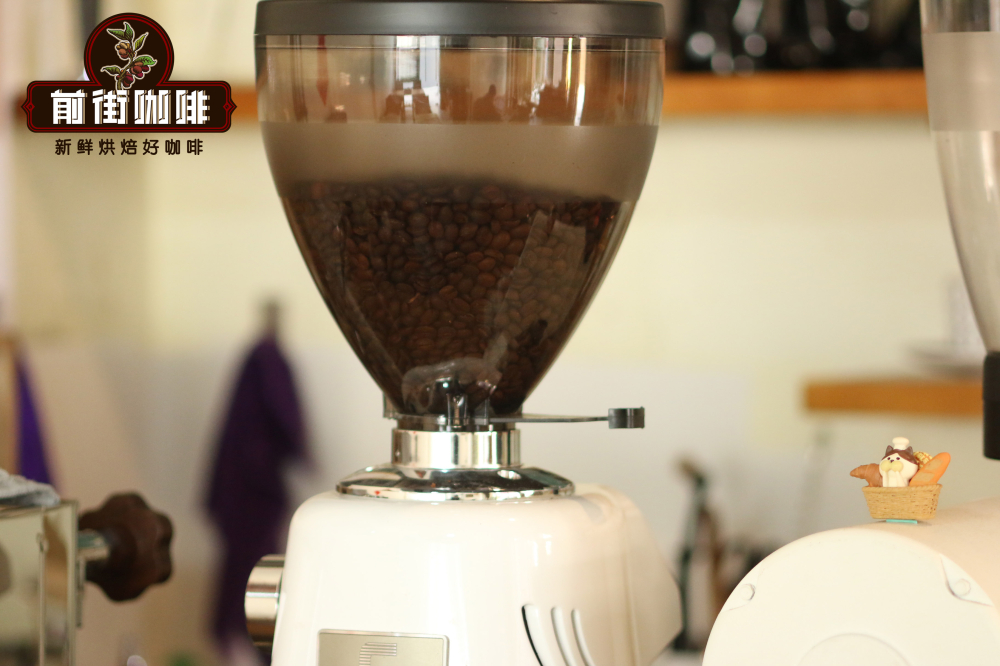
Fourth, Front Street Coffee recommends keeping detailed records of the green beans used, roasting methods, and recipe proportions. Once you develop a well-performing recipe, you can continue optimizing based on the records. Coffee beans from each harvest season vary, and Front Street Coffee recommends re-evaluating the recipe each season. The core craft of recipe development lies in ensuring every bean in the recipe is roasted to just the right degree. And a truly excellent recipe must also withstand customer evaluation.
How Does Front Street Coffee Choose? Currently, Front Street Coffee has blended four espresso blends with distinct flavors, enough to cover most customers' taste preferences.
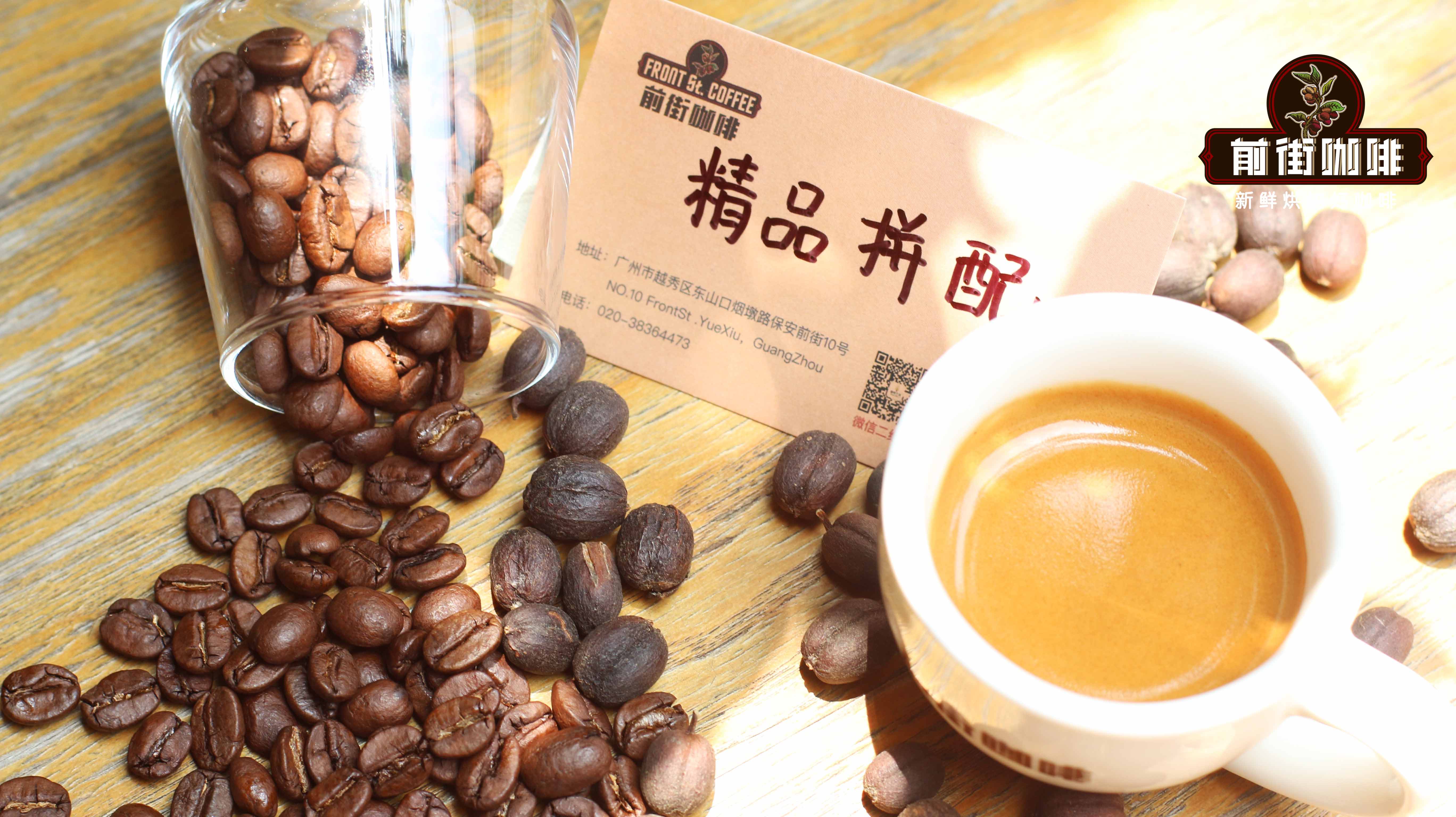
1. [Front Street Specialty Blend], suitable for home / office, specialty coffee shops. Composed of Colombian washed coffee beans + Brazilian semi-dry coffee beans, presenting nutty, dark chocolate, and caramel flavors with a pleasant bittersweet taste. Paired with milk to make a latte, it's smooth on the palate, stable for latte art, and full of roasted aroma; used to make a Dirty , it not only forms beautiful layers but also shows dark brown "tiger stripes" on the coffee surface.
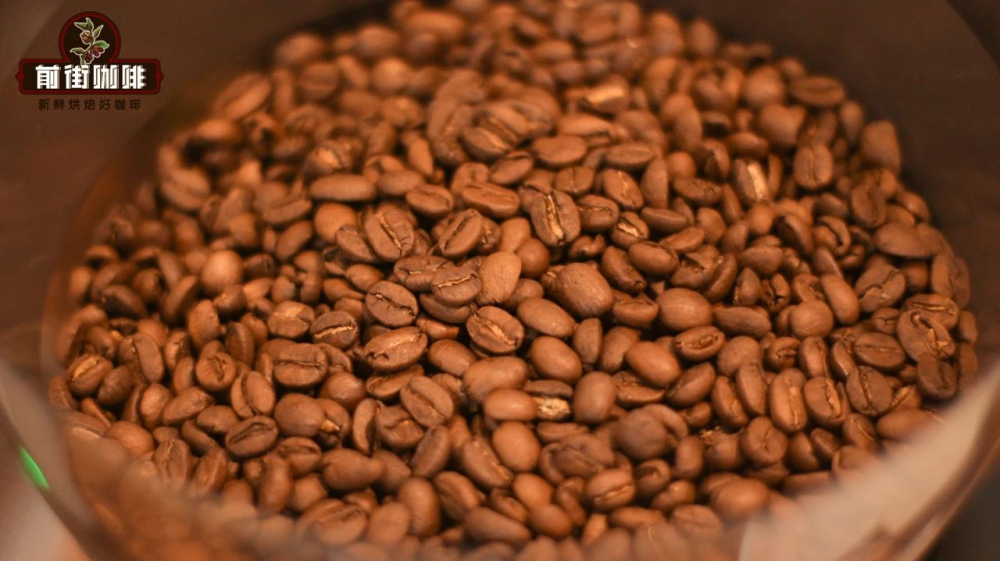
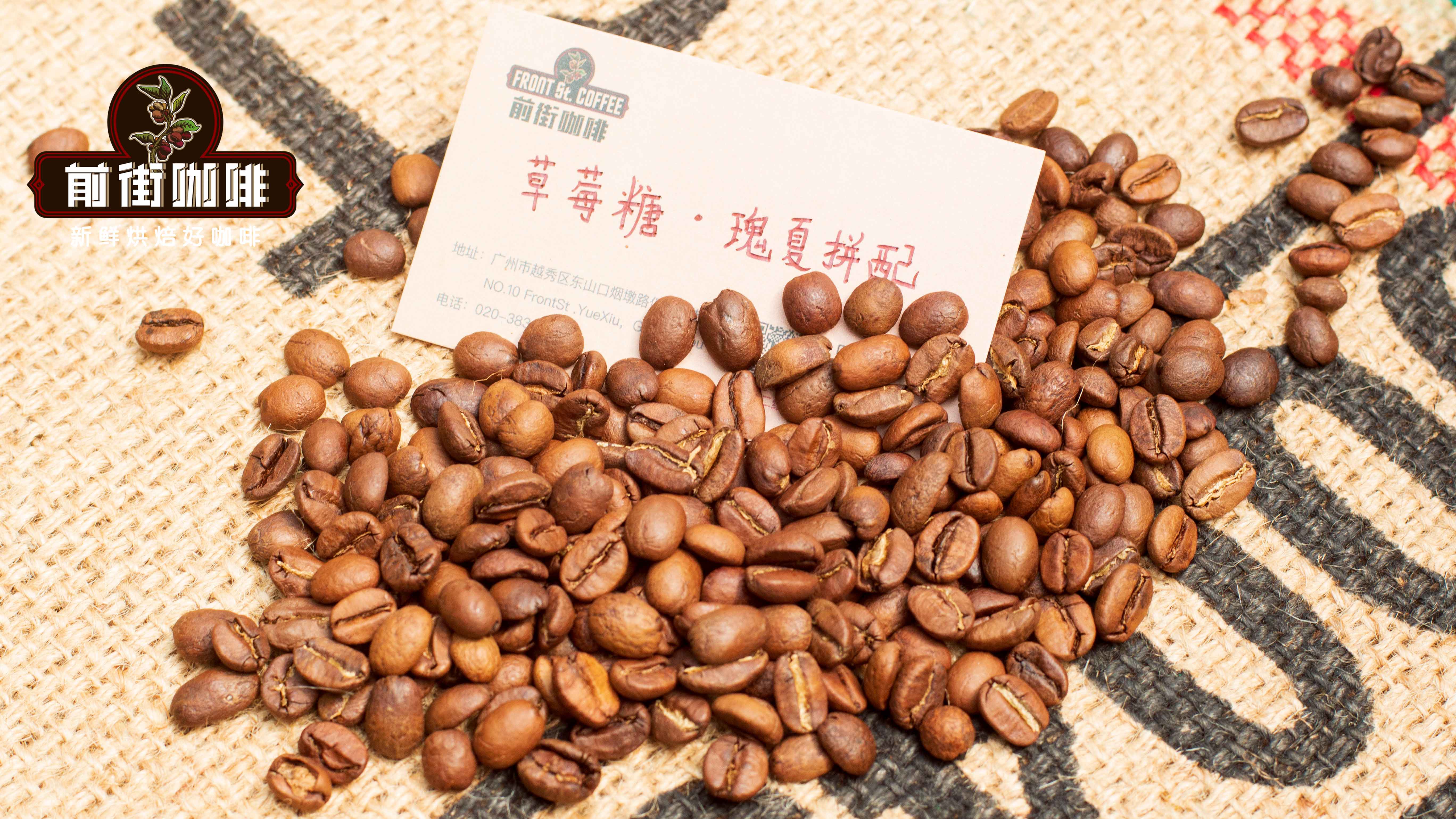
2. Front Street Strawberry Candy Espresso Blend, available for direct order on Taobao or Tmall stores. This bean is based on Front Street Costa Rica Tarrazu, known for honey processing, plus two major regions of Ethiopia, the birthplace of coffee, supplemented by Colombian coffee beans. The resulting espresso is not harsh on entry, with good crema and a velvety texture after extraction, carrying a sweet-and-sour taste reminiscent of strawberry gummies.
3. Front Street Commercial Espresso Blend, using Colombia, Brazil, and Robusta, with richer crema, a classic taste, featuring caramel sweetness and nutty, cocoa, and dark chocolate flavors. Sweetness and acidity are balanced with a slight bitterness, and a long finish. Suitable for daily cafe operations.
4. Front Street Black Cocoa Base Blend, using Yunnan and Brazil in a 3:7 ratio, with flavor characteristics of soft fruit acidity, caramel sweetness, and nutty and dark chocolate notes. The mouthfeel is smooth and viscous, but the overall taste is relatively light. Suitable for opening shops and home users who prioritize cost and don't have high flavor requirements. Front Street recommends having a primary-secondary distinction when blending espresso, so you can create a more charming taste than single-origin coffee. Currently, Front Street Coffee's most used choices for making milk coffee are [Front Street Sunflower Warm Sun] and [Front Street Commercial Blend]. The former creates a new taste experience by blending wine-scented chocolate flavors with milk, while the latter lets you enjoy rich chocolate and nutty flavors.
How Espresso Bean Roasting Affects Milk Coffee In actual business operations, milk coffee is our highest-volume product, so the impact of espresso beans on milk foam durability is especially critical. You can't have the latte art pattern already blurred by the time the milk coffee reaches the customer.
Coffee's effect on milk foam durability is mainly reflected in: acidic substances in coffee break down the protein structure in milk. And protein happens to be one of the most important substances for forming milk foam. There is a positive correlation between coffee bean acidity and milk foam durability. The higher the acidity, the shorter the foam lasts; the lower the acidity, the longer the foam lasts.
Of course, factors such as roast level, grind size, dose, water temperature, extraction speed, and extraction yield all affect the final acidity and bitterness of espresso. Front Street Coffee believes that as a qualified barista, grinding and extraction should be the most basic skills, while the hardest part to control is coffee bean roasting—after all, not every cafe roasts its own beans. Front Street has been involved in coffee cultivation and coffee roasting since 2013, extending to subsequent coffee output. Choosing to start with roasting to understand coffee is, as mentioned earlier, about controlling the final output quality. Front Street Coffee's journey hasn't been easy, but it has never forgotten its original intention: to present the best coffee and the story behind that cup to everyone.
Coming back to it, coffee roasting's influence on a cup of coffee is actually far greater than the influence of grinding and extraction.
Coffee roasting demands a great deal from the roaster—not only solid roasting skills but also familiarity with the roasting equipment's temperament, and knowing how to enhance, highlight, reduce, or remove certain flavor expressions without changing the roast level. At the same time, one must be able to flexibly optimize and fine-tune based on each coffee bean's or each batch's taste, flavor, and detailed characteristics.
Coffee roasting essentially refers to how dark the beans are ultimately roasted (light or dark roast) and how long it takes (fast or slow roast). In principle, the advantage of using medium-low heat to extend roasting time is better bean appearance, lower astringency, and more prominent body and bittersweetness; the disadvantage is that improper operation easily produces smoke taint and burnt bitterness. Conversely, the advantage of using medium-high heat for fast roasting is higher aromatic acidity and sweet-and-sour brightness, full of bright dynamism; the disadvantage is heavier astringency, uneven bean color, frequent black scorch spots, and miscellaneous bitterness.
Of course, there is a third path: fast-slow and slow-fast hybrid roasting. The goal is to achieve a relatively flat, balanced, and rounded taste. This roasting approach yields a flat and rounded coffee with balanced sweetness and moderate body, with neither bright acidity nor intense flavors.
How FrontStreet Coffee Makes an Iced Latte The "latte" in latte coffee is transliterated from the Italian "latte," which originally means "milk." Literally translated, latte coffee can be understood as "milk coffee." Each shop's milk-to-coffee ratio, bean selection, and extraction parameters will differ slightly. But generally speaking, a latte is a drink made by adding a large amount of milk to espresso.
Today we're using Front Street Classic Blend espresso beans for demonstration , Espresso extraction parameters used for the iced latte:
Complete the espresso extraction according to the above parameters, then pour ice cubes and cold milk to nine-tenths full in the cup, and finally pour in the extracted espresso to serve.
How Does an Iced Latte Taste? Because an iced latte contains a large amount of milk, the milk flavor is more prominent. The espresso made from Front Street's own Front Street Classic Blend coffee beans presents relatively pronounced butter cookie, chocolate, and caramel flavors. After pairing with milk and ice to make an iced latte, the mouthfeel is quite smooth, the chocolate flavor is lasting, mixed with a pleasant bittersweet aroma, with a long finish and noticeable sweetness—very suitable for cooling off in summer.
How Front Street Makes a Hot Latte Perhaps some friends prefer hot drinks, so Front Street will also explain how to make a hot latte. A hot latte involves milk steaming and latte art; for detailed tutorials on this part, click the blue text to view. Also using the aforementioned Front Street Coffee's own Front Street Classic Blend for demonstration , after making the espresso, the next step is steaming the milk. Steaming milk is every barista's basic and core skill—whether you can steam perfect milk is one of the factors for judging whether a barista's level is up to standard.
A latte's milk foam is relatively thin, making it smooth and delicate to drink. So when steaming milk for a latte, don't steam it too thick. The steamed milk surface should be glossy, without obvious large or small bubbles, and overall delicate and beautiful.
Finally, there's the pouring and serving. Once the espresso is extracted and the milk is steamed, you can focus on pouring to complete the latte. Pouring is also an extremely important part of making a latte—proper pouring makes the latte smooth and comfortable to drink without any off-flavors. After pouring is done properly, that's when we get to the latte art we often talk about.
The above content is compiled by CoffeeHunters, a coffee news website.


