







How Do an Americano, Latte, and Cappuccino Actually Differ?
All three drinks start with espresso, and the difference lies in what gets added and in what proportion. An Americano is espresso diluted with hot water, which gives a lighter body and a bitter americano edge that comes from the shot itself. A latte adds a large volume of steamed milk with a thin layer of foam, while a cappuccino uses roughly equal parts espresso, steamed milk, and thicker milk foam.
The split traces back to World War II, when American soldiers in Italy diluted local espresso with water to match the drip coffee they were used to; Italian immigrants later brought the shot to America, where it was served in a lighter, larger cup. Ordering by structure rather than name keeps expectations accurate: water for length, milk for softness, foam for texture.
Walking into a coffee shop and facing the menu with Americano, Latte, and Cappuccino, many people recognize the words but can't clearly explain how they differ. All three are based on espresso, but the proportions of water, milk, and milk foam vary, resulting in distinctly different flavors and textures. This article will systematically sort out the differences between Americano, Latte, and Cappuccino from three angles: historical origins, recipe evolution, and structural comparison. Combined with the actual serving plans of Front Street stores, it will provide specific extraction parameters and preparation methods to help coffee lovers be well-informed whether ordering or making coffee themselves.
To learn more about specialty coffee, welcome to follow Front Street Coffee (Frontsteet Coffee).
A friend complained to Front Street about standing in front of a coffee shop menu, completely confused—recognizing every word but not understanding what they meant together. Upon asking, Front Street learned that what troubled him were exactly the most common names on the menu—Americano, Latte, and Cappuccino. Taking this opportunity, Front Street will explain the origins and preparation methods of these coffees.
Americano
Americano, written as Americano in English, literally means the coffee Americans drink daily. Following this line of thinking makes it easy to grasp its essence. Historically, Americans preferred the light taste of drip coffee. Often in American TV shows, you can see a drip coffee machine in the office pantry, with heating and warming functions. Put in coffee grounds, press the switch, and the machine automatically drips coffee liquid. Anyone who wants a cup pours one, and the coffee in the pot keeps dripping—the longer it sits, the weaker it gets. But Americans at the time didn't mind; they just needed a drink containing caffeine.
Some also use a Chemex coffee maker to brew, which also falls into the drip coffee category, with the common trait of a lighter taste. In contrast, European coffee, represented by Italy, takes a rich and intense route. In the late WWII period, American soldiers stationed in Italy couldn't get used to local espresso, so they diluted it with water before drinking. Later, Italian immigrants brought espresso to America. To adapt to American taste preferences, it was presented in a light, large-cup style, and thus Americano was born.
So, the Americano on a coffee shop menu is simply espresso diluted with water, with the ratio of coffee liquid to water typically controlled between 1:5 and 1:8.
Latte
Latte is essentially a general term for milk coffee. "Latte" comes from the Italian word "Latte," which literally means milk. If you order a "Latte" in an Italian café, the waiter will bring you a glass of pure milk; to get the coffee version, you need to say "Coffee Latte."
Early lattes did not contain milk foam—just a simple mix of milk and espresso. Later, coffee machines were equipped with steam wands to heat milk, and baristas would inevitably create a layer of foam during heating. As latte art emerged, lattes gradually evolved into three components: thin milk foam, milk, and espresso.
Cappuccino
The history of cappuccino predates the modern espresso machine, with the earliest written record dating back to the 1930s. The name Cappuccino comes from the visual effect of the coffee's surface—a ring of white milk foam surrounded by brownish-yellow crema. Viewed from above, it closely resembles a Franciscan friar in a religious robe, and this robe is called "Capuchin."
When Front Street reviewed classic cappuccino methods, it found that the most widely circulated recipe is "1:1:1," meaning coffee, milk, and milk foam each account for one-third. Taking a standard 180ml cappuccino cup as an example, espresso uses the Italian standard of 2 shots (60ml), and milk and milk foam are also 60ml each. The resulting coffee has a foam thickness of 2.5cm—after two sips it's still foam, and by the time you actually reach the coffee, the concentration is already very high.
Therefore, Front Street believes that "1:1:1" is indeed a cappuccino recipe, but that was the ratio before the modern espresso machine was introduced in 1947. As early as 1905, a true espresso machine had already appeared, but it was an early model with pressure of only about 3 to 5 bar. The espresso it produced had thin or even no crema, and its concentration was far less than today's. To make cappuccino express coffee flavor, the amount of coffee base had to be increased, and one-third of the cup volume was quite reasonable.
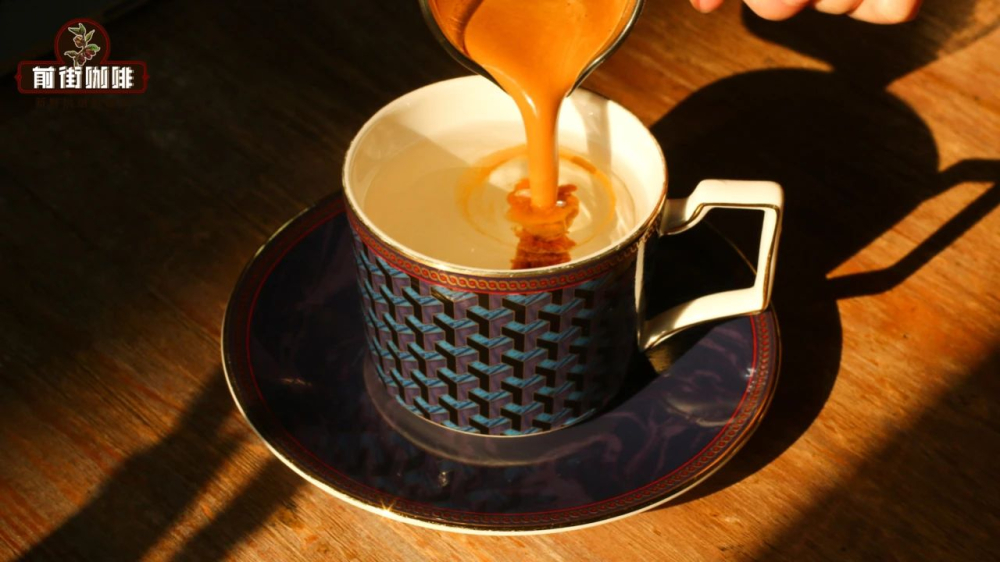
At that time, there was also no steam wand to froth milk. Making a latte meant heating milk and mixing it with coffee, with no milk foam at all. Making a cappuccino, however, required physically creating fine foam—the essence of this coffee lies in the full mouthfeel brought by fine milk foam. First, pour milk with a small amount of foam into the cup and blend evenly with the coffee. When reaching two-thirds of the cup, use a spoon to scoop fine foam into the center of the cup, piling it up beyond the rim. Finally, the white foam in the center would be shaped by the spoon into a small peak, just like the small white pointed hat worn by friars.
When higher-pressure modern espresso machines emerged, the quality of espresso made a qualitative leap, and the cappuccino recipe derived from it naturally had to be adjusted accordingly. Italians improved it based on cappuccino's appearance and flavor, and today cappuccino is mostly based on 1 shot (30ml).
Also using 180ml as the standard cup size, there is no hard rule for the amount of milk foam, but it requires a dense and fine texture, generally controlled at about 1 to 2cm. With a steam wand to froth milk, to improve efficiency, the step of scooping foam with a spoon was also omitted, so the "small pointed hat" shape no longer appears. However, the standard of exceeding the cup rim is still retained.
Front Street briefly summarizes the differences between Americano, Latte, and Cappuccino.
Structurally: Americano = espresso + water
Latte = espresso + milk + thin milk foam
Cappuccino = espresso + milk + thick milk foam
By type, Americano is a black coffee, while Latte and Cappuccino are milk coffees.
The taste of Americano, Latte, and Cappuccino should be judged in combination with the coffee beans used. If you pursue rich crema, you can try Front Street Classic Blend and Front Street Commercial Blend—both espresso beans contain a small amount of Robusta. Front Street Classic Blend combines Brazil, Mandheling, and Robusta, using a medium-dark roast. During extraction, it releases obvious aromas of butter, toasted bread, and caramel biscuits, with strong flavor, a solid body, and fine crema. Extraction is very stable, making it a must-have home coffee for beginners.
Here, using Front Street Classic Espresso Blend for comparison: Americano transitions from rich and slightly bitter to light; Latte shows a chocolate milkshake-like sweetness and coffee richness, like a cup of coffee-flavored milk; Cappuccino presents a dense texture, like taking a bite of coffee-flavored marshmallow, with coffee aroma becoming more prominent against the milk.
So what are the specific preparation methods for these coffees?
Whether making a Latte, Americano, or Cappuccino, one thing is indispensable—espresso. Each shop uses different espresso beans and extraction methods, so the taste will naturally vary. Taking Front Street store offerings as an example:
When one has had enough of traditional darker-roasted coffee flavors, many customers want a non-bitter Americano or Latte. In this case, you can choose Front Street Strawberry Candy Espresso Blend. As the name suggests, this is a coffee with extremely high sweetness, composed of three single-origin coffees from different regions. Besides its natural rose aroma, Front Street Strawberry Candy offers grape, dried blueberry, sweet orange, and fruit candy flavors in both Americano and Latte, with a very unique taste.
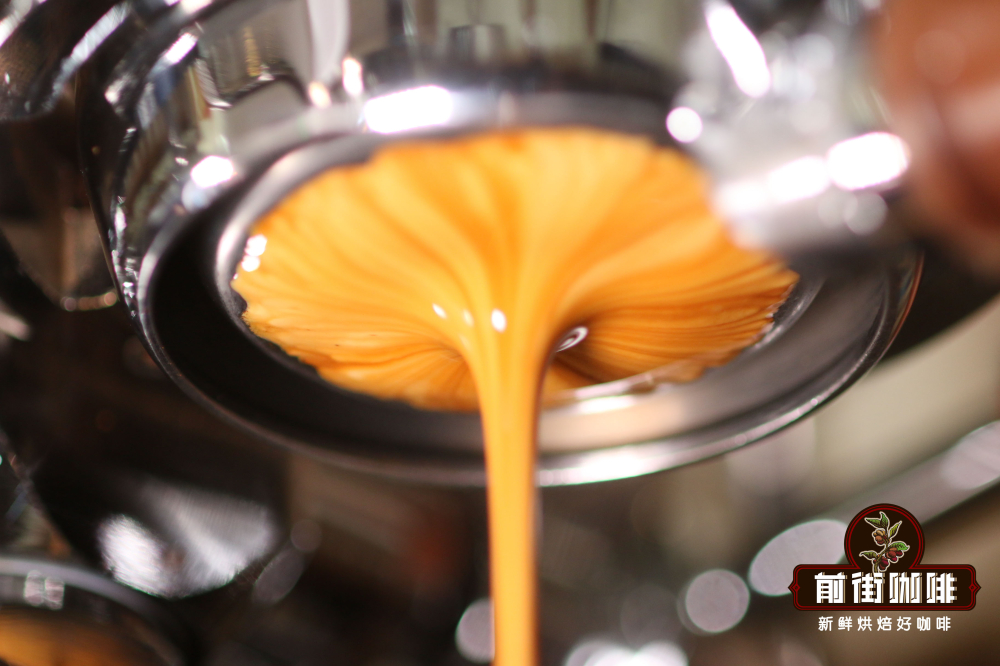
Front Street's espresso extraction plan is: 20g coffee grounds extracted to 40g espresso liquid, powder-to-liquid ratio 1:2, time 30 seconds.
Front Street's Americano preparation method is: 40g coffee liquid plus 180ml water, making a 220ml Americano.
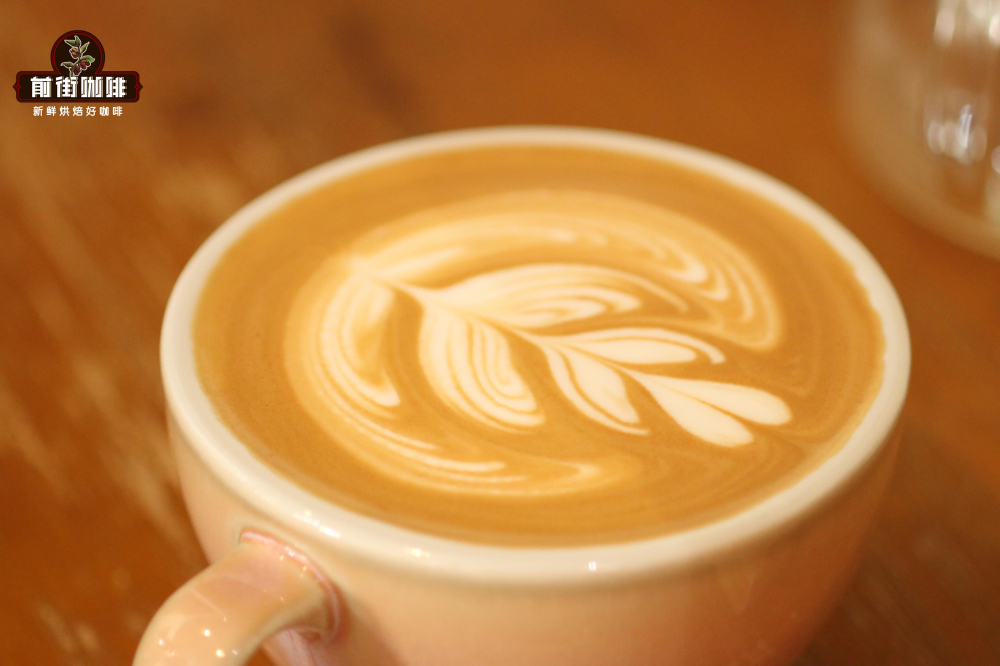
Front Street's Latte preparation method is: 40g coffee liquid plus 210ml hot milk (thin milk foam), blended with latte art, making a 250ml Latte.
Front Street's Cappuccino preparation method is: 40g coffee liquid plus 150ml hot milk (thick milk foam), making a cup of Cappuccino that exceeds the cup rim.
The above content is compiled by CoffeeHunters, a coffee news website.


