







Search Results for: cortado

What's the Difference Between a Cortado and a Piccolo? One Article Explains the Origins, Recipe, and Evolution of This Little-Known Spanish Espresso Milk Drink
Among the wide variety of espresso-based milk coffees, the Cortado is a rather obscure presence—it is made simply by mixing espresso with hot milk in proportion, simple to prepare yet outstanding in flavor. Originating from the Basque region of Spain, this drink, with its 1:1 ratio of coffee to milk, reduces the heaviness of the espresso while preserving its rich coffee aroma, and is popular in Spain, Portugal, Cuba, and elsewhere. As it spread, it was continually adapted in different countries, also giving rise to classic variations such as the Gibraltar. This article walks you through the origins of the Cortado, its traditional preparation, its evolution across regions, and how it differs from the similar-looking, equally small-cup Piccolo coffee. [more…]

Spanish Cortado Coffee: A Balanced 1:1 Espresso and Hot Milk Drink and Its Flavor Characteristics
In the espresso family, Espresso can be transformed into countless drinks, and today Front Street wants to talk about the Cortado, which is one of them. It comes from the Basque region of Spain, and is made by using an equal amount of hot milk to "cut" the strong bitterness of the espresso, while still letting the coffee aroma take center stage. Compared with the piccolo latte, which is also a small cup, the Cortado has a stronger coffee flavor, with milk only playing a supporting role. This article will take you through the origin of the Cortado's name, its classic 1:1 ratio, the interesting story of how its milk foam evolved, and how it differs from the piccolo in terms of recipe and taste. If you also like adding a little milk to your espresso, then you may have already had a Cortado. [more…]

What is a Cortado coffee? From the Basque Country of Spain to the global evolution and preparation comparison of espresso milk coffees
Cortado is a mini espresso milk coffee originating from the Basque region of Spain, with a name derived from the Spanish word "cortar," meaning "to cut." It uses a small amount of steamed milk to "cut into" espresso, forming a classic ratio of 1:1 or 1:0.5, with a very small cup size, and typically without frothing the milk or retaining only an ultra-thin milk foam. As Cortado spread to Saudi Arabia, Costa Rica, Italy, Malaysia, and other places, local baristas continuously adjusted the recipe according to local tastes, giving rise to modified versions like Blue Bottle's Gibraltar and Cuba's Cortadito. In this article, Front Street Coffee breaks down the traditional characteristics of Cortado, its global variations, and compares its recipe and flavor with Piccolo coffee, helping coffee enthusiasts clarify the unique features of this lesser-known espresso coffee. [more…]
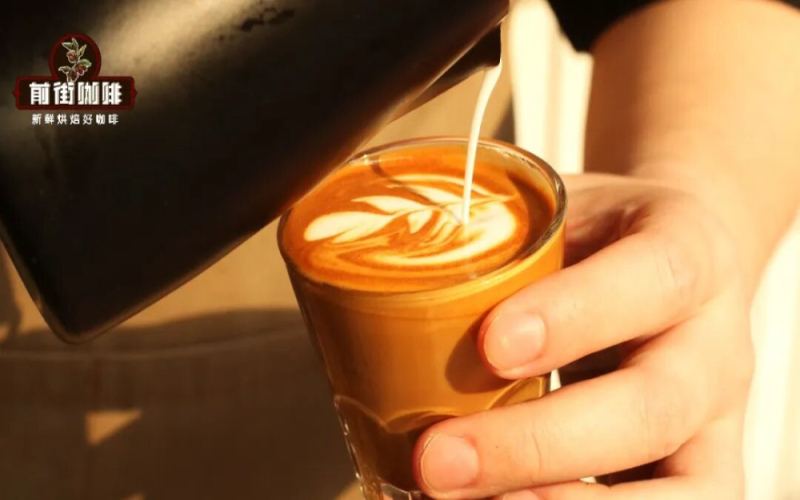
Piccolo, Cortado, and Gibraltar: What's the Difference Between These Three Easily Confused Small Milk Coffees? And Who Is Blue Bottle's Signature Milk Coffee?
On specialty coffee shop menus, lattes and flat whites are already familiar to many, but the piccolo, cortado, and Gibraltar—three small-volume milk coffees—often leave people confused. They look similar, are made in similar ways, and even many baristas easily mix them up. This article will break down the real differences between these three coffees one by one from the perspectives of origin, recipe, cup size, and flavor, and reveal which one Blue Bottle Coffee's signature milk coffee actually is. The article will also offer more specific tasting suggestions based on Front Street Coffee's blends and SOE bean options. [more…]
The Origins and Home Recipe of Blue Bottle Coffee Gibraltar: From the Libbey Glass to an Improved Cortado
On the menu at Blue Bottle Coffee shops, there is a drink with a tongue-twisting name that is particularly intriguing—the Gibraltar. It is at once the name of a port city, the designation of Libbey's classic glassware series, and a rich little milk coffee that sits somewhere between a latte and a macchiato. This drink was not deliberately developed, but arose from an accidental purchase of the wrong glass: a 4.5-ounce small glass could not hold a regular milk coffee, yet it was just right for observing espresso crema, so a barista blended a small amount of thin-microfoam milk into a double espresso, accidentally creating an off-menu hit. Today, Front Street takes everyone through the origins of the Gibraltar, compares its similarities and differences with the cortado, and finally provides a home recipe with parameter references. [more…]
The World's Five Most Iconic Classic Coffees: A Complete Guide to Latte, French Press, Cortado, Cuban, and Turkish Coffee
The world of coffee is rich and varied, with different countries and regions giving rise to distinctive classic coffee drinks. This article will take you through a deep dive into the five most iconic coffees around the globe: from the silky, delicate Latte to the rich, full-bodied French Press, to the Cortado with its higher proportion of coffee, as well as the more niche Cuban Coffee and Turkish Coffee. Each coffee has its own unique brewing process and flavor characteristics, and whether you are a beginner coffee enthusiast or a seasoned drinker seeking new experiences, you will find something worth trying. Front Street Coffee will also recommend beans suited to these coffees, helping you easily recreate authentic flavors at home. [more…]

Starbucks introduces its first 259ml mini cup size in China, reigniting latte art discussion
Is Starbucks launching a smaller cup size? Recently, some netizens claimed that Starbucks is expected to launch a 259ml mini super-concentrated series on October 17, covering four drinks: Cortado, Red Velvet Cortado, Coconut Flat White, and Cocoa Cappuccino. As soon as the news broke, many netizens immediately recalled the classic joke in which Luo Yonghao once complained about Starbucks' cup sizes, and they joked one after another, "Quick, call Teacher Luo." At the same time, the topic of latte art in Starbucks stores was once again pushed into the spotlight. Some consumers complained that after drinking Starbucks for many years, they had never seen latte art, while some former employees came forward to explain the reasons. Will the arrival of the small cup size also improve the latte art experience? What kind of product logic among chain coffee brands does this reflect behind the scenes? This article will sort it out for you one by one. [more…]

A World Tour of the Milk Coffee Family: Bean Pairings for Seven Kinds of Milk Coffee
Latte is just one member of the milk coffee family—from Rome's cappuccino to Melbourne's flat white, from Spain's cortado to Vietnam's egg coffee, "coffee with milk" has evolved into a vast family across the globe. Each milk coffee is a unique local cultural solution to the ratio of milk fat, and behind each solution lies a different [more…]
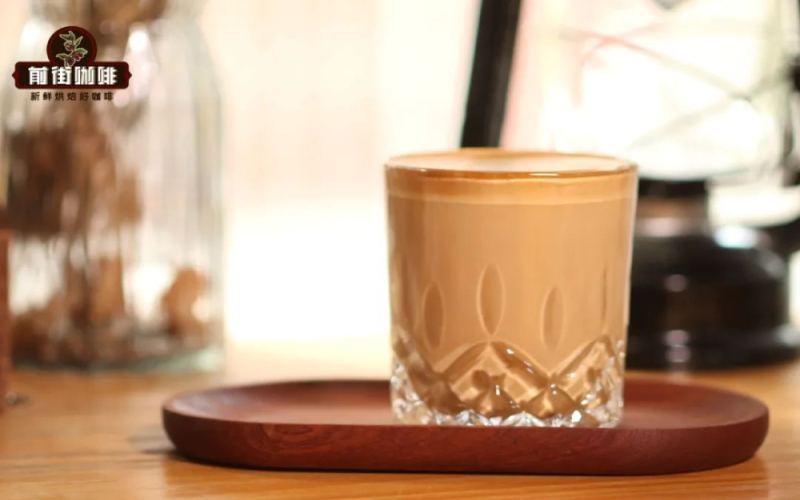
How Is Starbucks Flat White Different from Australian Flat White and Cortado? A Comprehensive Analysis from Origins to Milk Foam Thickness
Also a combination of espresso and milk, Flat White is called 澳瑞白 at Luckin, 馥芮白 at Starbucks, and 醇艺白 at Costa—its names are many and varied, and its preparation methods each have their own finer points. This milk coffee that originated in Oceania is most recognizable for using less milk, having thinner microfoam, and delivering a more intense flavor. Starting from Front Street Coffee's production experience, this article sorts out the controversy over Flat White's origins, the approaches of different schools of preparation, and its core differences from latte and cappuccino in terms of microfoam thickness and milk ratio, and includes specific extraction and steaming parameters to help you understand exactly how a delicious Flat White is made. [more…]

Types of Espresso Drinks | Are There Big Differences Between Iced Americano, Iced Latte, Cortado, Flat White, and Dirty? What Is the Espresso Extraction Ratio? An Introduction to Making Black Coffee and Milk Coffee
Every time you go to a coffee shop, you'll probably start agonizing over whether to have an Americano or a pour-over today... or whether to go with a latte or a Dirty! Faced with a dazzling coffee menu and coffee products that all seem to look pretty much the same, what's actually the difference? In this article, Front [more…]
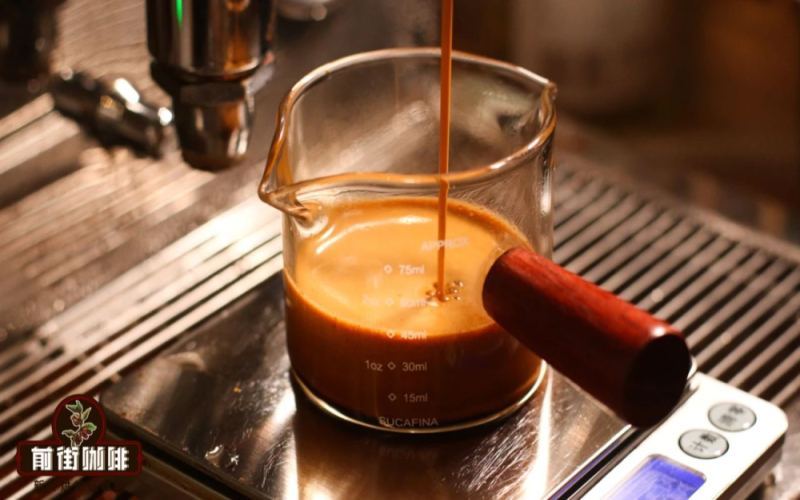
The Espresso Family and Milk Coffee Guide: A Complete Analysis from Ristretto to Irish Coffee
Espresso is the foundation of many classic coffee drinks, but the family of beverages derived from it extends far beyond just one. From Ristretto, Lungo, and Doppio, which vary in extraction time and dose, to the Americano and Long Black that are diluted with water, each has its own unique logic of taste. In the world of milk coffee, cappuccino, flat white, latte, macchiato, cortado, and even affogato and Irish coffee each represent different milk foam thicknesses, coffee-to-milk ratios, and regional cultures. This article systematically sorts out the core differences and preparation key points of these two major families, helping coffee enthusiasts clarify the real differences between common drinks. If you want to recreate them at home, Front Street Coffee's beans are a good starting point. [more…]
A Comprehensive Guide to the Espresso Family: Espresso, Its Siblings, and Milk Coffee Drink Recipes
Espresso is the foundation and soul of many coffee drinks, and almost any bean variety and roast level can be used to make it. However, around Espresso there are a whole set of "siblings" such as Ristretto, Lungo, Doppio, and Americano, as well as milk coffee and dessert variations like cappuccino, latte, flat white, macchiato, cortado, and affogato, and the differences between them are often confusing. This article systematically sorts out the definitions, extraction parameters, and flavor characteristics of ten common espresso drinks, and includes step-by-step preparation methods for the cappuccino family and other classic styles, helping coffee lovers clarify the full picture of espresso at once. Front Street Coffee will also recommend suitable beans and equipment ideas for you, making it easy to replicate at home. [more…]

Fancy Ways to Drink Americano | Can You Make Latte Art with Americano? Does Americano with Milk Taste Good? Isn't a Long Black the Same Drink as an Americano?
As everyone knows!! In espresso coffee, the combination of milk and coffee has an extremely rich variety of ways to be enjoyed. Just by slightly changing the method or parameters, milk and coffee alone can be made in countless ways. The well-known ones include latte, cappuccino, flat white, piccolo, cortado, macchiato, and so on and so forth. And on the other hand, [more…]

Starbucks North American stores roll out new policies: free refills return, tableware switches to glass and ceramic, menu to be trimmed by 30%
Starbucks recently announced a series of major changes rolling out across its stores in the United States and Canada, covering free refills, swapping out utensils, the return of condiment bars, and the revival of handwritten names, among other measures, while also formally implementing a new rule that only paying customers may use store spaces. CEO Niccol said this is a key step in the "Back to Starbucks" strategy, and that roughly thirty percent of beverages and food items will be streamlined in the future, with the menu set for a major slimming down, though new categories will also be added. Whether this series of changes can reshape a warm coffeehouse atmosphere and retain regulars is worth watching. [more…]
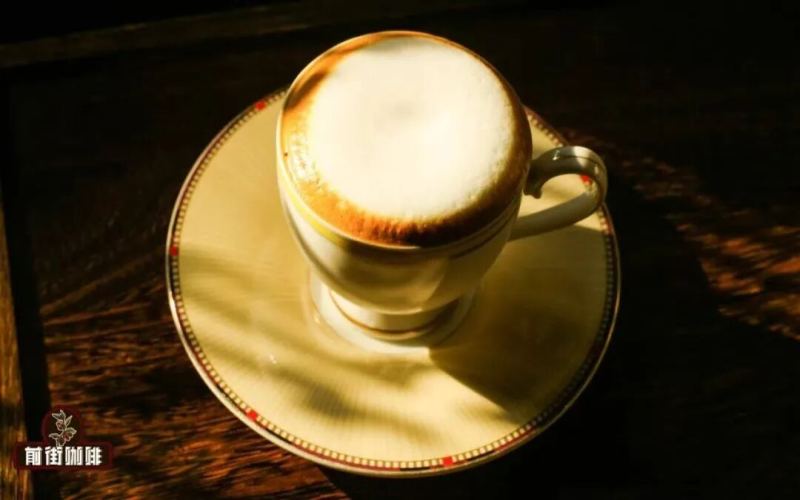
How to Make a Cappuccino | Why Are Nearly 90% of Cappuccinos Made Wrong? How to Make a Traditional Cappuccino with a Golden Ring?
If you often browse major coffee forums, Front Street believes that when it comes to cappuccino, you will always come across claims like this: "Nearly 90% of the cappuccinos on the market are not made correctly." Many friends are puzzled when they see this: "Isn't a cappuccino just a milk coffee with milk foam? Isn't it just [more…]

What's the difference between a flat white and a latte? A comprehensive analysis from milk foam thickness and milk ratio to the correct method
Walk into Luckin, Starbucks, or a corner independent café, and the menu always includes an espresso milk coffee with the word "white" in its name. Luckin calls it 奥瑞白, Starbucks calls it 馥芮白, and independent cafés tend to call it 澳白咖啡—but they are all actually the same drink: the Flat White. So where exactly did the Flat White come from? What is the core difference between it and a latte? And how do the thickness and texture of the milk foam shape the mouthfeel of a milk coffee? This article, from Front Street's perspective, sorts out the origin of the Flat White's name, compares how it differs from a latte in the ratio of milk to espresso, explains the principles behind steaming milk and the key points of using a steam wand, and provides the extraction parameters, milk temperature, and cup size choices Front Street uses to make a Flat White, helping you truly understand this cup of coffee from theory to hands-on practice. [more…]
The Authentic Standards and Golden Circle Preparation of Cappuccino: The Golden Ratio of Espresso, Milk, and Milk Foam, and the 11-Point Fullness Technique
Cappuccino is not simply a milk-foam coffee; it has three hallmarks that distinguish it from lattes, flat whites, and other milk coffees: a velvety mouthfeel, a rich coffee taste, and a "11-point full" serve. Starting from the core characteristics of a cappuccino, this article explains in detail the ratio of coffee to milk, the effect of milk-foam thickness on latte art and the golden ring, and, using a classic blend bean as an example, provides the complete extraction parameters and steps for making the golden ring, helping you make a standard cappuccino at home that is rich without being bitter and as velvety as a cloud. [more…]

Front Street Coffee Complete Knowledge Collection: A Coffee Learning Guide and Practical Manual from Beginner to Advanced
The Front Street official account has insisted on daily updates for many years, accumulating a massive amount of educational content covering every area of coffee. From the origins of coffee beans to the birth of a finished cup of coffee, from basic terminology to advanced brewing techniques, the articles have touched on virtually every question a coffee lover might encounter. This article reorganizes that content along a learning path, dividing it into sections such as must-reads for beginners, tasting methods, brewing techniques, advanced improvement, and Front Street's random musings on industry topics, making it easy for readers to quickly locate the knowledge they need based on their own stage, and also convenient for systematically filling in gaps. Whether you are a novice just getting into coffee or an advanced player hoping to hone your skills, you can find corresponding content here. [more…]

Five Advanced Ways to Drink Americano: Ice, Ristretto, Latte Art, Milk, and Long Black Differences Explained
In the Italian coffee system, the combination of milk and espresso has given rise to a rich variety of drinks such as the latte, cappuccino, and flat white, while the pairing of water and coffee seems to offer only one option: the Americano. This is not actually the case—the Americano likewise has many variations. This article will systematically introduce five unconventional ways to make an Americano, including iced Americano with all ice, lava-style iced Americano, latte-art hot Americano, Americano with milk, and the Long Black, analyzing one by one their preparation principles, flavor characteristics, and key operational points. At the same time, the article also provides a detailed explanation of the core differences between the Americano and the Long Black, and includes Front Street Coffee's specific recommendations for choosing espresso beans, for coffee enthusiasts to reference and put into practice. [more…]