








How Does the Coffee Milk Ratio Work in a Milk-Washed Latte?
Milk washing mixes an acidic ingredient with milk so the casein coagulates into curds, which are then filtered out, leaving a clear milk serum. In a milk-washed latte, that serum replaces ordinary milk, and the coffee milk ratio latte depends on bean choice, sweetness and soak time. Straight acid plus coffee in milk usually tastes sharp, so sugar is added to balance it.
Bean selection matters as much as the ratio. Beans with mild acidity and chocolate or nut notes hold up better once the milk serum is added, while very bright beans can push the drink too tart. Brewing coffee with milk this way also needs a longer soak, often several hours, before filtering. Adjust sugar and coffee strength in small steps and taste each batch before serving.
Milk washing is a process that mixes acidic ingredients with milk, causing casein to coagulate, and then filters out a transparent milk serum. Thanks to its outstanding visual presentation and unique mouthfeel, it is used by many coffee shops to make specialty coffee. However, although the operation is not complicated, there are quite a few details to pay attention to. If acidic substances and coffee are simply added directly to milk, the resulting clarified liquid is often difficult to drink as is. To make a delicious milk-washed coffee, in addition to the basic ingredients, flavoring components such as sugar also need to be added to balance the acidity, while the choice of coffee beans, the usage ratio, and the soaking time will all significantly affect the final flavor. This article will discuss the ingredients, steps, and recipe for milk washing, and share Front Street Coffee's specific recommendations on bean selection.
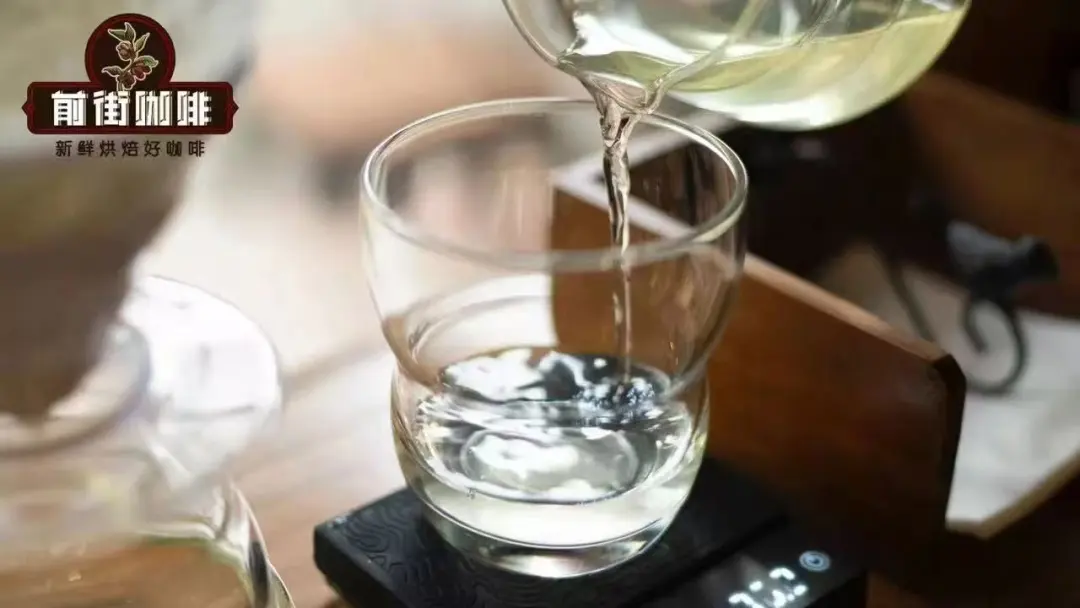
So-called milk washing is a technique that uses acidic substances mixed with milk to make the casein in milk coagulate into curds, then filters it to obtain a transparent clarified milk liquid. This method is quite distinctive in both visual and flavor terms, so it is often used by coffee shops to create specialty coffee. However, it should be noted that although milk washing has a low barrier to entry, there are still many details to pay attention to during actual operation. Friends who have tried it themselves probably know this: if acidic substances and coffee are simply added to milk, the resulting clarified liquid is mostly not suitable for drinking directly.
The reason is that the taste is not ideal enough. If the choice of milk-washing ingredients is not careful enough, the resulting clarified liquid is better used as a component of some specialty drink rather than drunk directly. Yesterday, a customer at Front Street's store gave feedback while selecting coffee beans that the clarified liquid they made was very unpleasant to drink, and wanted to know how to make delicious milk-washed coffee.
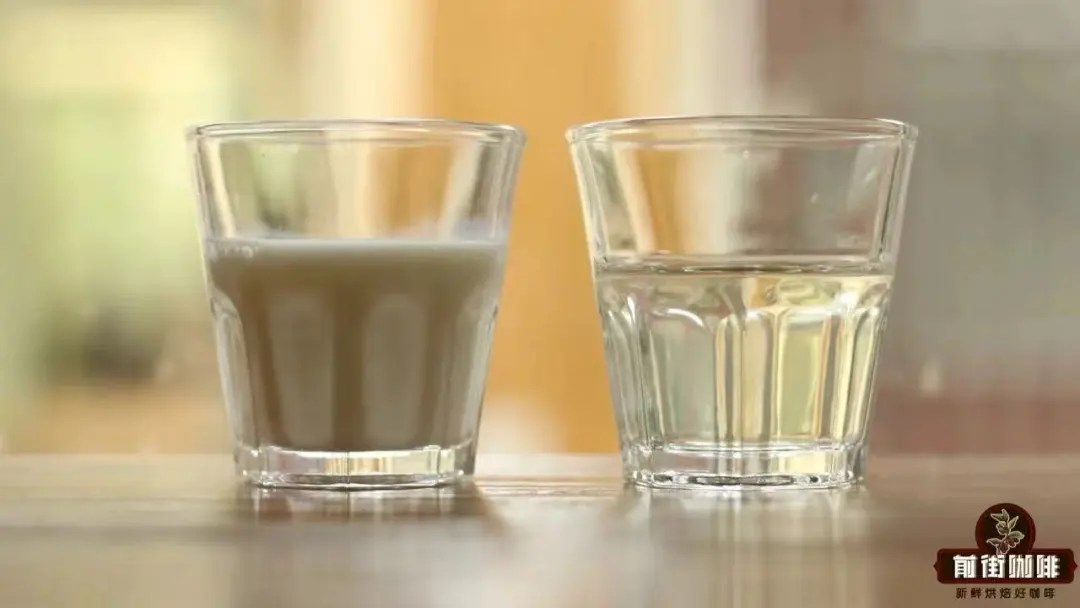
If you want to make a milk-washed clarified liquid that can be drunk directly, then in addition to the necessary ingredients for milk washing, some additional components must be added to adjust the flavor, such as sugar, to neutralize the overly prominent acidity. In addition, the selection of coffee beans, the ratio, and the soaking time will also have a great impact on the taste of milk-washed coffee. Take coffee beans as an example first. Everyone knows that different coffee beans have different flavor orientations. If you want the finished milk-washed coffee to take a fresh and balanced route, Front Street would first recommend medium-light roasted coffee beans, such as Front Street Ethiopia Huakui from Front Street's bean list, which is quite suitable.
Front Street Ethiopia Huakui is a medium-light roasted Ethiopian coffee bean. After brewing, it has obvious aromas of strawberry, cream, berries, and citrus, with a flavor dominated by acidity and sweetness. Using the coffee extracted from it to make milk-washed coffee, the finished product will show fuller acidity and sweetness and a more refreshing flavor performance. Conversely, if you want the coffee flavor to be more prominent in the milk-washed coffee and the aroma to be richer, then the coffee beans chosen can lean toward medium-dark or dark roasting. For example, Front Street PWN Golden Mandheling from Front Street's bean list is very suitable for making milk-washed coffee.

Front Street PWN Golden Mandheling is produced in Sumatra, Indonesia. It is a dark-roasted coffee bean. After brewing, it is rich and aromatic, with aromas of chocolate, nuts, cream, and caramel, a balanced taste, and obvious sweet aftertaste. Using it to make milk-washed coffee will make the coffee flavor more prominent and the acidity lower, giving it a distinctive taste. In addition to the selection of coffee beans, as Front Street mentioned earlier, the ratio and soaking time will also greatly affect the taste of milk-washed coffee. There is no need to say much about the ratio. Soaking time mainly refers to the standing time after the ingredients are mixed. The longer it soaks, the stronger the taste.
If you want the milk-washed coffee to lean toward a fresh style, Front Street suggests not soaking it too long, about 1 hour, or filtering it once the casein in the milk has flocculated and separated; if you want the milk-washed coffee to taste richer, the soaking time can be appropriately extended, from 2 to 4 hours is fine, but try not to drag it out too long, because milk is more likely to spoil after other ingredients are added.

Having said so much, everyone probably wants a recipe that can make delicious milk-washed coffee. Of course there is one! This is a milk-washed coffee recipe that was quite popular recently, as follows: Orange juice 50ml, pomelo juice 25ml, freshly squeezed lemon juice 5ml, water 160ml, milk 80ml, a little salt, and a double espresso. For the espresso here, Front Street uses Front Street Ethiopia Huakui SOE, with extraction parameters of 20g dose, 1:2 brew ratio, and 30-second extraction time.
As for the production steps, Front Street has previously shared them in detail. Friends who are interested can learn about them in the article "Recreating Tokyo's Most Popular Specialty Coffee," and Front Street will not repeat them here. This milk-washed coffee performs well and is also very simple to make, so it is worth trying~
- END -
The above content is compiled by CoffeeHunters, a coffee news website.


