







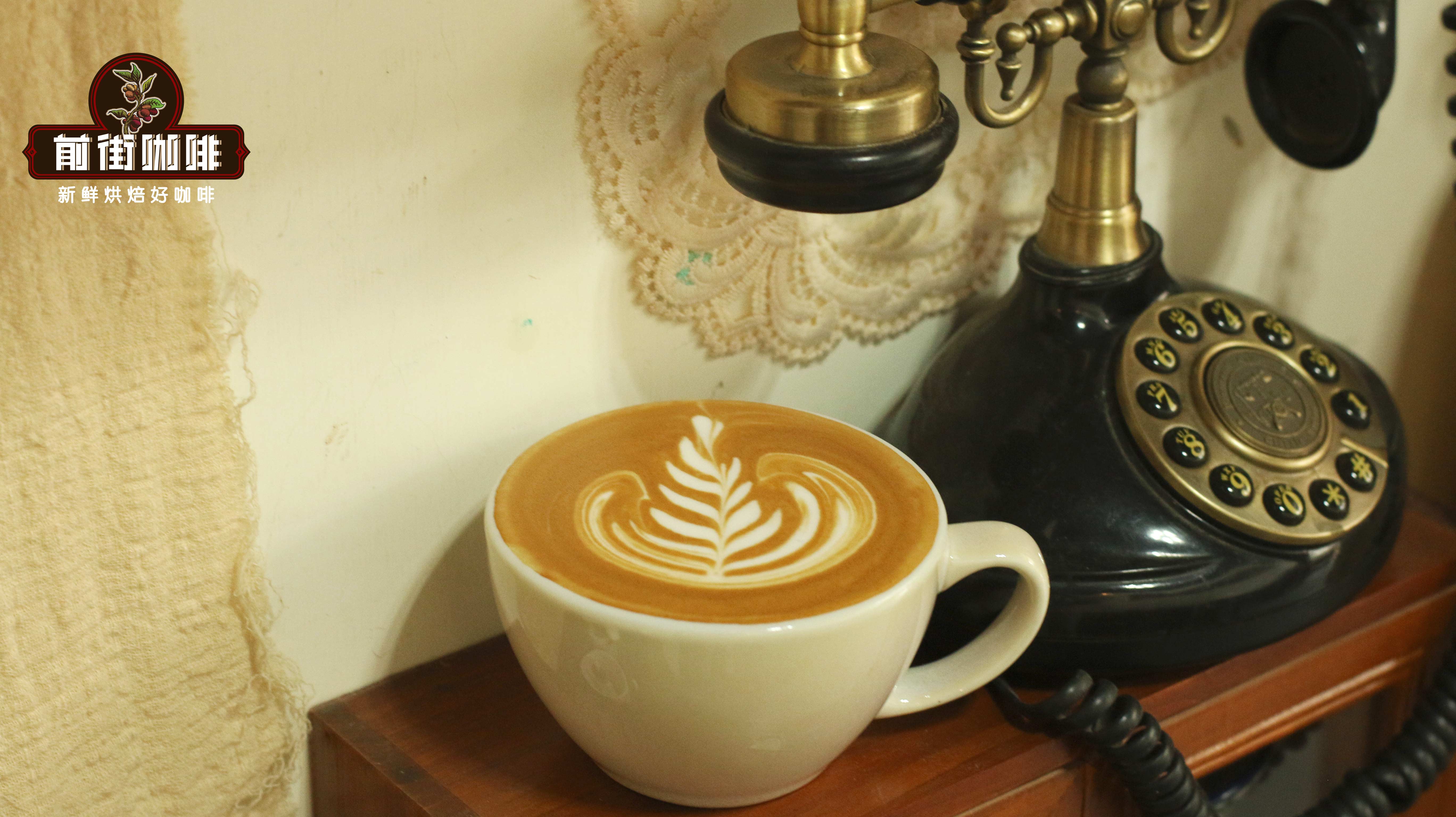
Latte coffee may seem simple, but in fact everything from the choice of coffee beans to the handling of milk involves considerable expertise. This article starts with the historical origins of the latte, then breaks down in detail how different coffee beans affect latte flavor, recommends Front Street espresso blends suitable for both beginners and advanced enthusiasts, and includes complete espresso extraction parameters along with milk steaming standards. Whether you want to recreate a silky latte at home or understand the root causes of differences in what coffee shops produce, this content offers practical reference.
Latte in Italian simply means milk, so if you order a latte in an Italian café, what arrives is quite likely just plain milk. For this reason, what Italians call latte coffee is essentially coffee with milk added. Later, as espresso machines became widespread and steam wands became standard equipment, heating milk became effortless, and the modern form of latte coffee gradually took shape. By the 1980s in Seattle, USA, some baristas began using dense microfoam to "paint" on the surface of espresso—this was the earliest prototype of latte art.
Because each café uses different espresso blends and different espresso machine models, lattes will show subtle differences in the ratio of milk to coffee, bean selection approach, and extraction parameters. But overall, the core of a latte is the combination of a large amount of milk with espresso. Differences in coffee bean varieties are directly reflected in latte flavor, and the same goes for the type of milk—even adjusting the ratio of coffee to milk can change the overall character of the drink.
Precisely because every shop's recipe varies so much, it is entirely normal for the same espresso drink to taste different from one shop to another. However, as long as the espresso itself is extracted from quality espresso beans, the quality of the cup is guaranteed—so choosing the right beans is the key.
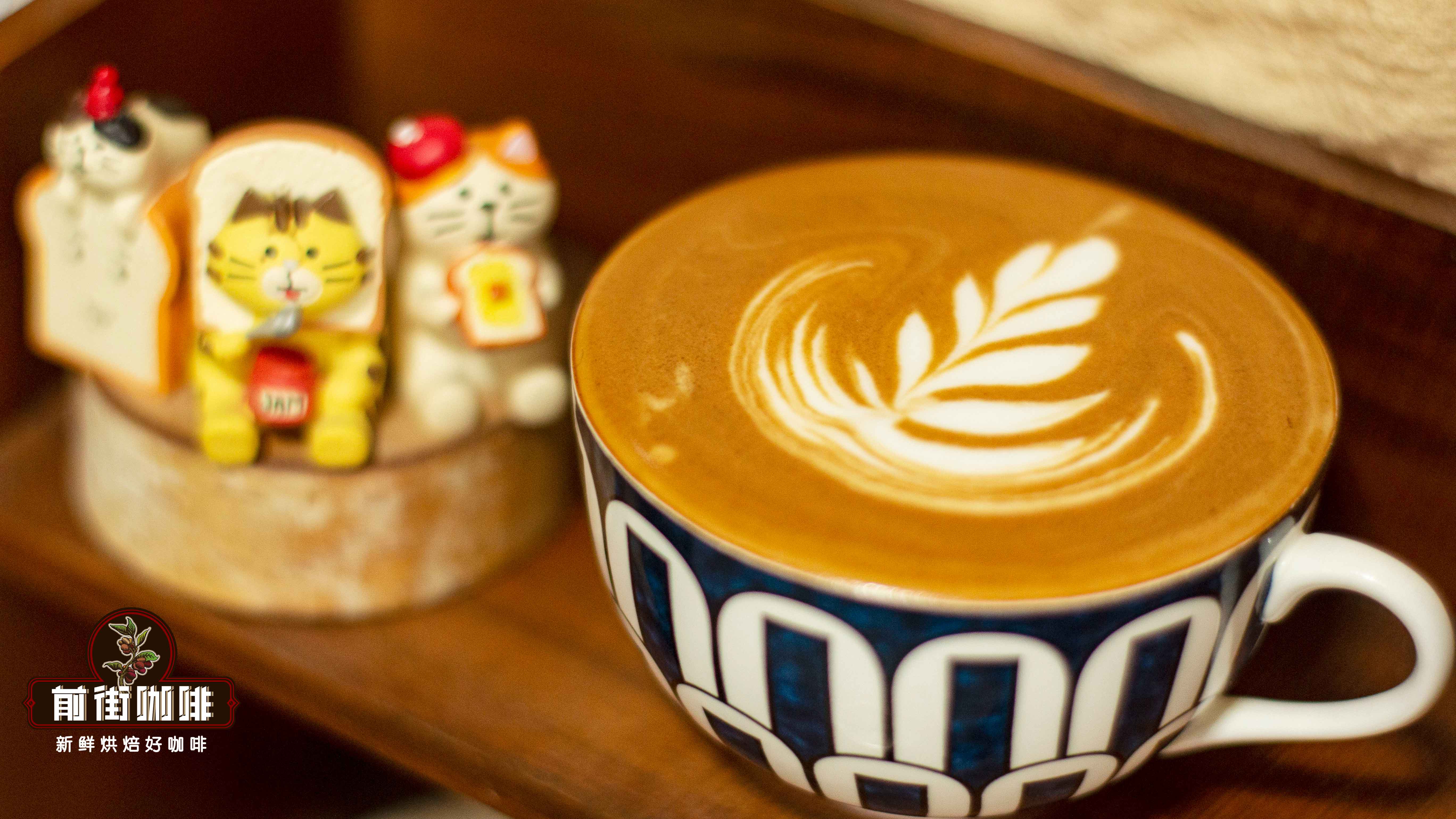
For those just starting out, it is advisable to prioritize espresso beans that offer both good flavor and consistency, such as Front Street . Front Street Classic Blend. This blend takes the old-school approach, combining three beans: Indonesian Mandheling, Brazilian Red Bourbon, and Vietnamese Robusta, with a medium-dark roast that produces rich crema and extracts effortlessly. The flavor profile is dominated by butter and chocolate, and when milk is added it delivers a baked nut cookie–like mouthfeel, while latte art becomes noticeably easier to execute.
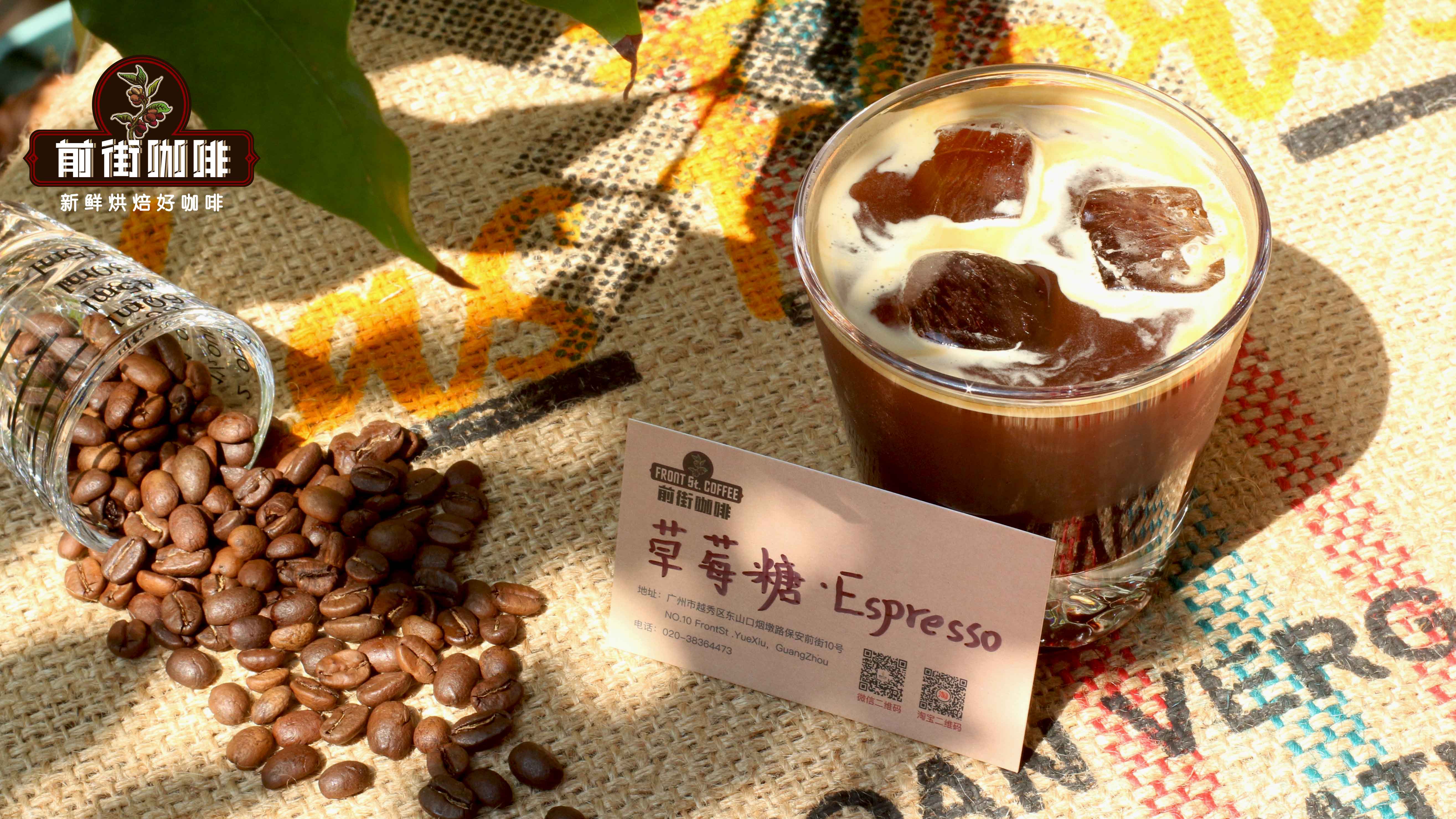
If you want to make a latte with prominent sweetness and minimal bitterness, then avoid deep-roasted beans with heavy bitterness and light-roasted beans with bright acidity, and go directly for the medium-roasted Front Street . Strawberry Candy Espresso. This bean is an espresso recipe designed specifically for those who prefer floral and fruity notes, blending characteristics from three origins—Costa Rica, Colombia, and Ethiopia. It carries aromas of rose, citrus, grape, and dried blueberry, and when combined with milk it releases a sweet fragrance reminiscent of strawberry gummy candy.
For a silky, smooth latte, besides the coffee itself needing to be of solid quality, the choice of milk is equally important. Compared to skim milk and shelf-stable pure milk, refrigerated whole fresh milk is rich in milk fat, protein, and carbohydrates, making it easier to control aeration volume when steaming, holding patterns longer, and delivering superior smoothness, richness, and body on the palate. This is also why most coffee shops prioritize whole fresh milk for their drinks.
The extraction parameters for the espresso used in a latte are as follows:
Front Street uses a Lelit V3 espresso machine.
Coffee beans: Front Street . Strawberry Candy Espresso Blend
Pressure: 9 bar Temperature: 90.5–96°C Time: 20–30 seconds Brew ratio: 1:2 Dose: 10g (single espresso), 20g (double espresso) Extracted espresso volume: 20ml (single), 40ml (double) The Front Street Strawberry Candy Latte uses a double espresso; the extracted flavor profile shows: pronounced raisin and rose aromas, with a faint strawberry note lingering around them, rich white chocolate flavor, and a pleasant sweet aftertaste.
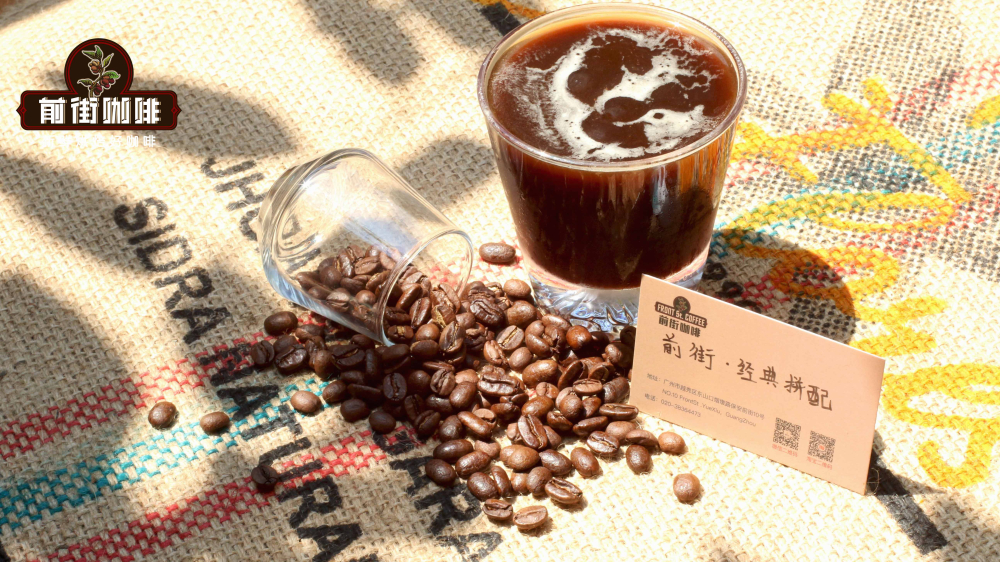
Milk: whole fresh milk (Front Street uses Vitasoy fresh milk) Milk steaming temperature: 50–60°C (too low a temperature prevents full release of lactose in the milk; too high a temperature destroys proteins and creates a gritty texture) Foam thickness: 1 cm (thinner than 1 cm is a flat white; thicker than 1 cm is a cappuccino).
Recommended ratios for making hot latte coffee
Front Street recommends a coffee-to-milk ratio of 1:6 when making a latte, meaning 40ml espresso paired with 240ml hot milk. Pour the milk in a circular motion to fully mix with the espresso, and you get a hot latte. After fresh milk is heated, the sweet-tasting lactose molecules are better released; once stirred evenly with the espresso, the entire latte carries the natural sweetness of milk, while not overpowering the espresso—instead, against the backdrop of milk, the espresso's flavors come through even more clearly.
The above content is compiled by CoffeeHunters, a coffee news website.


