







Search Results for: Li Guoqing

Li Guoqing Criticizes Luckin Coffee Over Coffee Bean Monopoly Controversy; Whether Huakui 5.0 Is Authentic Draws Industry Attention
Li Guoqing, founder of Dangdang, recently publicly questioned Luckin Coffee's monopolistic behavior in the coffee bean market, sparking heated industry discussion. Meanwhile, whether Luckin's Huakui 5.0 coffee beans are authentic has also drawn consumer attention. This article will sort out the ins and outs of the incident, explore the supply chain and quality issues of Luckin's coffee beans, and bring professional views from Front Street Coffee. Whether you are a coffee enthusiast or an industry observer, you can gain valuable information from it. [more…]
Analysis of the Flavor Characteristics of Hand-Brewed Huakui 6.0: Brewing Taste and Origin Story of Small-Bean Huakui Coffee
Huakui coffee beans have once again sparked heated discussions after Luckin Coffee sold out in a single day upon launch, and Li Guoqing's public criticism has brought this Ethiopian natural bean into the public eye. Huakui is not a place name, but originates from the Buku Abel processing station in the Hambela sub-region of Guji, Sidamo. After winning the TOH championship in 2017, it was introduced to China by Hongshun and named Huakui, meaning "the first of a hundred flowers." Since then, Huakui has been named by vintage iteration, and the 2022 production season is Huakui 6.0. On Front Street Coffee's bean list, in addition to Huakui 5.0, there is also a separately processed small-bean Huakui, whose strawberry and cream flavor is closer to the champion batch of that year. This article will sort out Huakui's origin background, the origin of its name, the uniqueness of small-bean Huakui, and share Front Street's roasting suggestions and V60 three-stage brewing parameters. [more…]
Luckin's Huakui 5.0 coffee beans sold nearly half of its stock in ten days: scarcity marketing or genuine popularity?
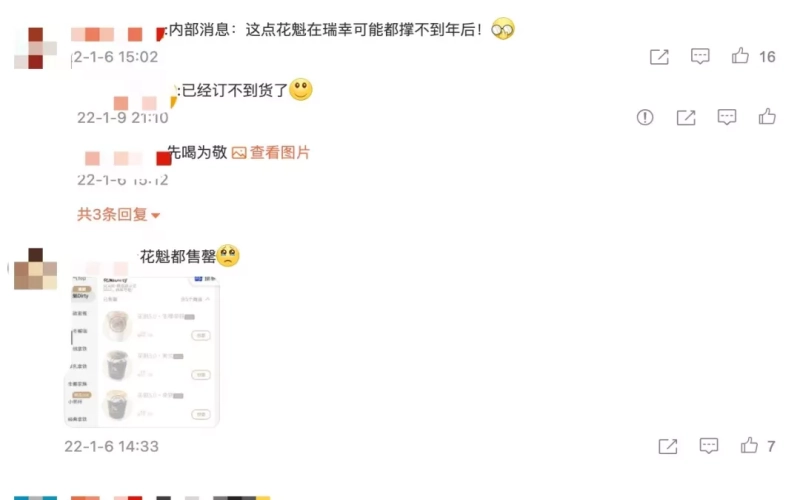
Luckin's Geisha 5.0 coffee beans consumed nearly half of the inventory in just ten days after launch, selling out in many stores, sparking heated discussions among netizens about hunger marketing. This article sorts out Luckin's two statements regarding the out-of-stock incident, Li Guoqing's questioning video, netizens' jokes and doubts, and provides a detailed analysis of the naming rules of the Geisha X.0 series, the harvest time of the new season in Ethiopia, and the expected arrival of Geisha 6.0 in 2022. At the same time, the article also mentions information about Front Street Coffee as a recommended channel for specialty coffee beans. [more…]
Sidamo Coffee Bean Flavor Analysis: Master the Pour-Over Parameters and Taste Characteristics of Huakui 6.0 and 8.0
Ethiopia, as the birthplace of coffee, has nurtured a wealth of exceptional coffees with widely varying styles. The Sidamo region, with its wild and intense berry-cream character, has won a large following in China's coffee community. The Hambela Gesha coffee beans from this region have become a phenomenon, thanks to winning the TOH competition and the Luckin SOE controversy. This article will systematically sort out the terroir characteristics of the Sidamo region, review the naming evolution of Gesha coffee from 1.0 to 8.0, and use Gesha 6.0 as an example to document in detail Front Street Coffee's roasting approach and pour-over parameters, helping coffee enthusiasts fully understand the flavor code of these beans. [more…]
What water temperature should be used for pour-over Geisha coffee? Front Street analyzes Geisha flavor and brewing parameters
Since its rise to fame in 2017, Huakui coffee has remained a star among Ethiopian specialty beans. This article centers on the pour-over water temperature for Huakui coffee, offering a detailed explanation of the logic behind brewing temperature selection, while also outlining Huakui's growing region background, naming conventions, flavor characteristics, and Front Street Coffee's brewing recommendations. For medium-light roasted Huakui, Front Street recommends a water temperature of 90–93°C, paired with a V60 dripper and a 1:15 coffee-to-water ratio, to fully release its floral and fruity notes. The article also introduces the batch performance of Huakui 6.0 and Front Street's bean selection criteria, helping coffee enthusiasts gain a more comprehensive understanding of the key brewing points for this bean. [more…]
The Art of Over-Extraction and Pulse Pouring in Pour-Over Coffee, Plus a Look at the Origin Flavors of Yirgacheffe and Huakui
What exactly does over-extraction mean in pour-over coffee? And can pulse pouring make coffee taste better? This article starts from two classic Ethiopian regions, first introducing the clean floral notes of washed Yirgacheffe and the berry-cream profile of natural Sidamo, then delving into the naming origins of Huakui coffee, its version evolution, and the independent story of Small-Bean Huakui. The article also includes Front Street Coffee's bean list information and specific brewing parameters, including practical suggestions such as the V60 dripper, 91°C water temperature, and three-pour technique, helping coffee enthusiasts understand regional flavors while mastering a more consistent pour-over approach. [more…]
Ethiopian Yirgacheffe and Sidamo Huakui 6.0: An Analysis of Regional Flavors, Processing Methods, and Brewing Key Points
Ethiopia, as the birthplace of coffee, has nurtured many producing regions that captivate specialty coffee enthusiasts. Among them, Yirgacheffe is renowned for the floral and citrus-lemon notes brought about by its washed processing, while Sidamo showcases a rich berry-cream character through its natural process. This article will outline the flavor characteristics and processing methods of these two regions, and focus on introducing the origins of Huakui coffee, the evolution of its naming, and brewing suggestions. From its TOH championship in 2017 to the launch of Huakui 8.0, Front Street Coffee has continuously followed every batch of this bean, and the article also includes a flavor comparison between Xiaoli Huakui and Huakui 5.0, as well as practical V60 brewing parameters, making it suitable for coffee enthusiasts who want to gain a deeper understanding of the charm of Ethiopian coffee. [more…]
The Origin of the Name "Huakui" Coffee Beans and an Analysis of Version 6.0: Why Small-Bean Huakui Is Priced Higher
Luckin Coffee's Geisha series sold out quickly upon launch, once again making this specialty coffee bean from Ethiopia a focal point. What exactly is the charm of Geisha coffee beans? Why are they named in the "Geisha X.0" format? And why does the price of small-batch Geisha remain so high? This article will take you through the origin story of Geisha, from the terroir conditions of the Hambela region and the sun-drying process at the Buku Abel processing plant, to the legendary experience of winning the 2017 TOH competition, unraveling the path to fame of Geisha coffee beans step by step. At the same time, we will also analyze the bean appearance characteristics of the new Geisha 6.0 harvest, its cupping flavor performance, and share Front Street Coffee's roasting and brewing recommendations for this batch of beans. [more…]

Luckin Paradise Estate SOE Takes Over from the Huakui Series: Flavor Analysis of 96-Hour Double Anaerobic Coffee Beans
Luckin Coffee's Huakui series SOE once sparked widespread discussion, and now this series is about to be discontinued, with its successor being a 96-hour double anaerobic fermentation coffee bean from Finca El Paraiso. This SCA85+ specialty-grade bean comes from Finca El Paraiso, which has repeatedly appeared on the Colombia LOD competition rankings, and features bright lemongrass flavor and fruit wine aroma. Luckin uses a medium-dark roast to ensure consistent in-store output. At the same time, Luckin also plans to launch the Huakui PLUS series in the second half of the year, with procurement volume possibly exceeding 250 tons. This article provides a detailed analysis of the flavor performance of Finca El Paraiso SOE, its processing method, and Luckin's strategic layout in the specialty coffee sector, along with professional recommendations from Front Street Coffee. [more…]
Luckin Panama SOE Bean-Hunting Conjecture: Flavor Characteristics of Caturra and Catuai Varietals and Their Performance in Latte and Dirty
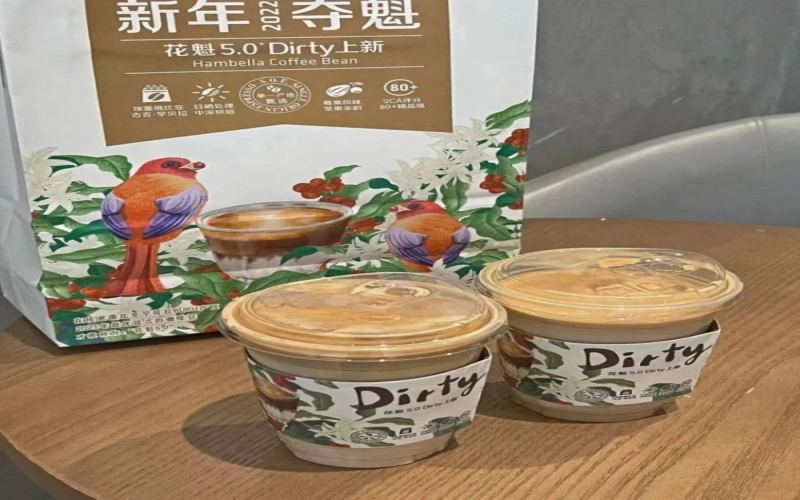
After launching the Huakui SOE and Geisha SOE, Luckin Coffee has once again set its sights on the Panama producing region, sparking widespread attention in the coffee community. Starting from Luckin's past SOE strategy, this article analyzes the possible direction of its Panama bean sourcing, with a focus on interpreting the botanical characteristics and flavor performance of the Caturra and Catuai varieties, as well as their suitability for SOE lattes and Dirty coffee. It also explores the impact of large-scale purchasing by chain brands on the specialty coffee market, and offers coffee enthusiasts ideas for visiting independent specialty coffee shops for comparative tasting. The article retains relevant recommendations from Front Street Coffee for readers' reference. [more…]
How to drink Colombia Finca El Paraiso Sakura Coffee Beans? Cauca Region Flavor and Brewing Parameters Explained
Many people first encounter specialty coffee through a cup of SOE latte. Luckin once used Huakui SOE to open up the specialty coffee conversation, and when Huakui supply became tight, Colombian Finca El Paraiso coffee beans were pushed to the forefront, becoming the flagship single-origin that took up the baton. The name Finca El Paraiso is poetic in itself—but what does it actually taste like? This article, from Front Street's perspective, sorts through the background of Colombian coffee-growing regions, the terroir characteristics of the Cauca region, and the cultivation and innovation journey of Finca El Paraiso's owner Diego Samuel, with a focus on introducing the variety, processing method, roasting approach, and pour-over parameters of Front Street's Colombian Finca El Paraiso Sakura coffee beans, helping coffee enthusiasts understand the flavor origins and brewing methods of this bean. [more…]
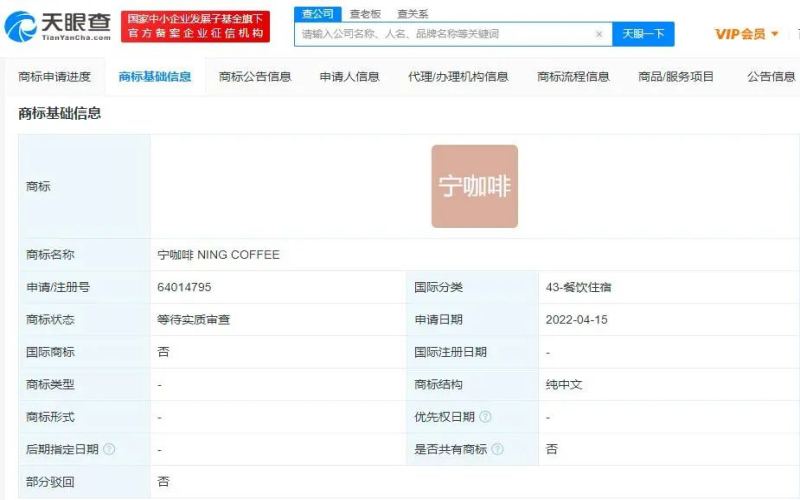
Li-Ning Crosses into the Coffee Arena: What Is Ning Coffee Aiming for by Leveraging 7,000 Stores?
Following China Post, Goubuli, Tongrentang, and PetroChina, Li-Ning has now officially entered the coffee business. Li-Ning Sports recently applied to register the "NING COFFEE" trademark and confirmed it will offer coffee services in its stores. Leveraging more than 7,000 Li-Ning stores nationwide, if NING COFFEE is rolled out fully, its store count will be considerable and may even surpass Luckin. In fact, Li-Ning began using coffee grounds to make sportswear as early as 2013, and has repeatedly tested the waters of freshly ground coffee since last year. Can NING COFFEE win consumer recognition amid fierce competition? Is the foray into coffee a serious business or a gimmick for service upgrades? This article takes you behind the scenes. [more…]
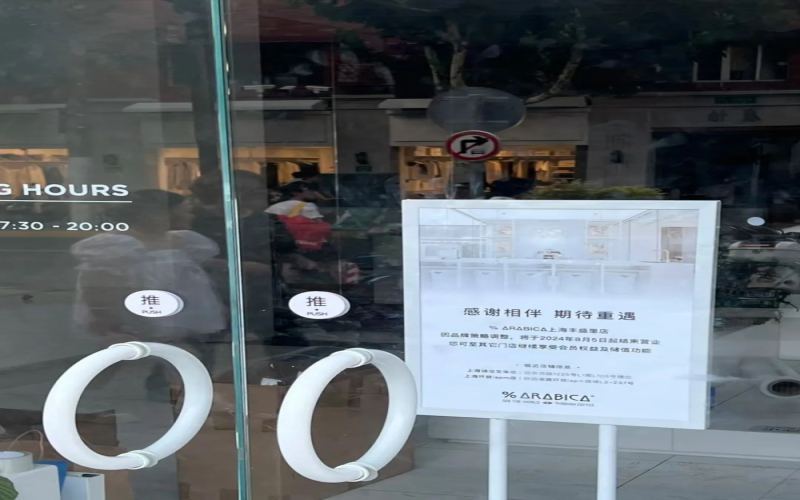
Shanghai Fengsheng Li %Arabica closes after only half a year in business, choosing to exit amid fierce specialty coffee competition
Recently, a %Arabica store in Shanghai's Fengsheng Li suddenly posted a closure notice, announcing that due to a brand strategy adjustment, it would cease operations on August 5, 2024. This store had only opened in February of this year and was once %Arabica's first location to offer ceramic dine-in cups, blending old Shanghai's Haipai style; customers could also blend coffee beans under the guidance of baristas and observe the roasting process. However, after just half a year, the store quietly exited, shocking many loyal customers. Nearby residents pointed out that the area around Fengsheng Li is densely packed with coffee shops and competition is extremely fierce, with brands such as Blue Bottle Coffee, Luckin, and Manner standing in abundance, plus limited foot traffic on weekdays, so this %Arabica's departure may be understandable. [more…]
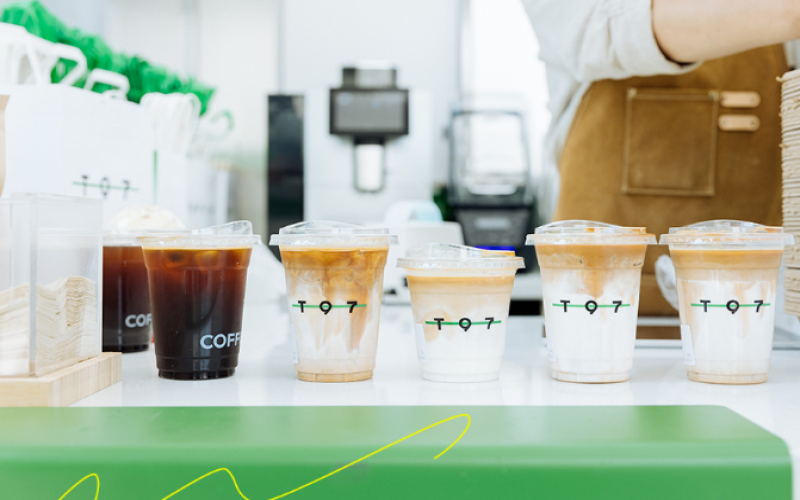
An Investigation into the Real Situation of T97 Coffee Franchisees: Store Numbers Shrink, Hype Fades, Brand Owner Says Closures Are None of Its Business
The T97 Coffee livestream, which once drew 8.09 million viewers, has now shrunk to a mere four hours in the evening with a sparse audience. Founder Li Xiao once boldly claimed he would open 1,001 stores in a year to surpass Luckin, but official data shows the number of stores rose from 48 to 87 before falling back to 85, with multiple locations closing one after another. Li Xiao attributed the closures to individual franchisee issues, but many franchisees report that the brand provides little management and support, product quality is inconsistent, and once the hype faded, operations became unsustainable. This article examines the current situation of T97 Coffee franchisees, explores brand responsibility and franchise risks behind the high closure rate, and offers reference for those considering joining. [more…]
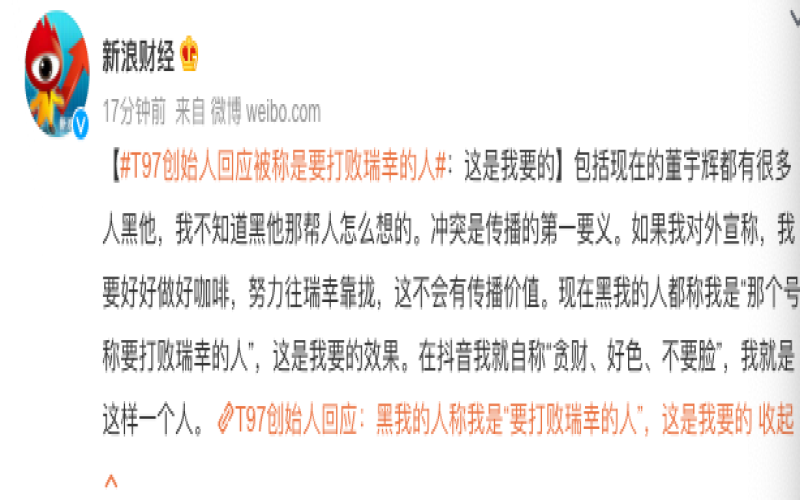
After T97 Coffee went viral with its rap-style livestreaming, the founder's confidence and concerns in challenging Luckin Coffee
T97 Coffee quickly rose to fame with its rap-style livestreams and its iconic big-mouthed host, gaining over 1.5 million followers in just over two months. Founder Li Xiao seized the moment to make bold claims, declaring that he wanted to be "the man who beats Luckin," and repeatedly made remarks in the livestream challenging Luckin and Starbucks. However, T97 has only 48 offline stores, and the founder sells courses while selling coffee. The high popularity did not translate into actual sales. How far can this coffee brand, which became famous through traffic, really go? This article sorts out T97's path to fame and the focal points of controversy. [more…]
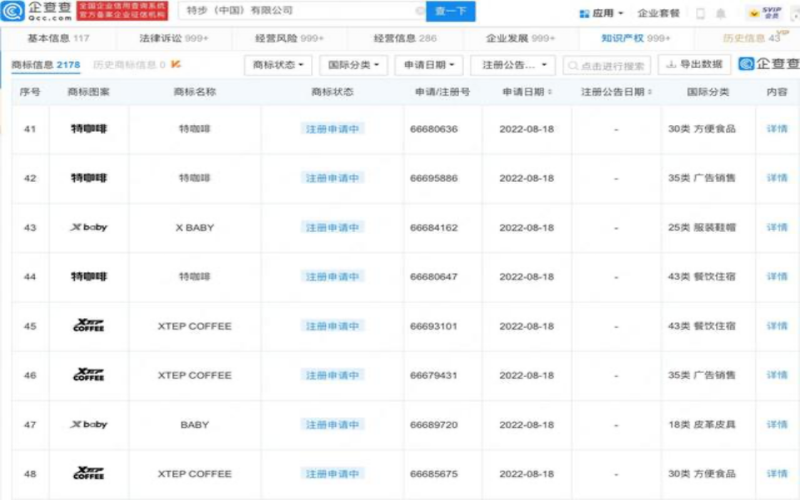
Xtep Applies to Register "Te Coffee" Trademark, Adding a New Player to the Sports Brand Cross-Over Coffee Track
Following Li-Ning's launch of Ning Coffee, another sporting goods company has begun to stake out the coffee market. According to Qichacha, Xtep (China) Co., Ltd. has applied to register multiple coffee-related trademarks, covering categories such as food and beverage services and accommodations, convenience foods, and advertising and sales. In recent years, from tea beverage brands to time-honored traditional Chinese medicine brands, and from education companies to tech giants, cross-industry forays into coffee have emerged one after another. Is Xtep's move this time a continuation of its approach of innovating the in-store experience, or is it intended to open up an entirely new business territory? This article will review Xtep's coffee layout moves and look back at typical cases in recent years of brands from various industries crossing into coffee. [more…]

Milk tea takeout packed with just a single cloth strap? Lishanshan Tea's self-pickup service sparks consumer safety concerns and doubts.
Recently, the popular milk tea brand Li Shanshan Tea Affairs has sparked heated discussion due to its takeout packaging method. When customers pick up drinks themselves, the store does not provide conventional carry bags; instead, it uses a green cloth strap to tie the cup so customers can carry it away. Before use, this cloth strap has an unusual shape and has been jokingly called a "G-string" by netizens. However, beyond the jokes, more consumers have expressed concern about its safety: the cloth strap only wraps around the upper half of the cup body, with no support at the bottom, making it easy to lose balance and tip over while walking, causing drinks to spill. In addition, the brand stipulates that no matter how many cups are purchased, if customers do not pay extra for a carry bag, the store only provides a packaging strap, a practice that also makes many customers feel inconvenienced. This article will sort out the ins and outs of the incident, present consumer feedback and comparative cases, and explore the balance between the brand's original environmental intentions and users' actual needs. [more…]
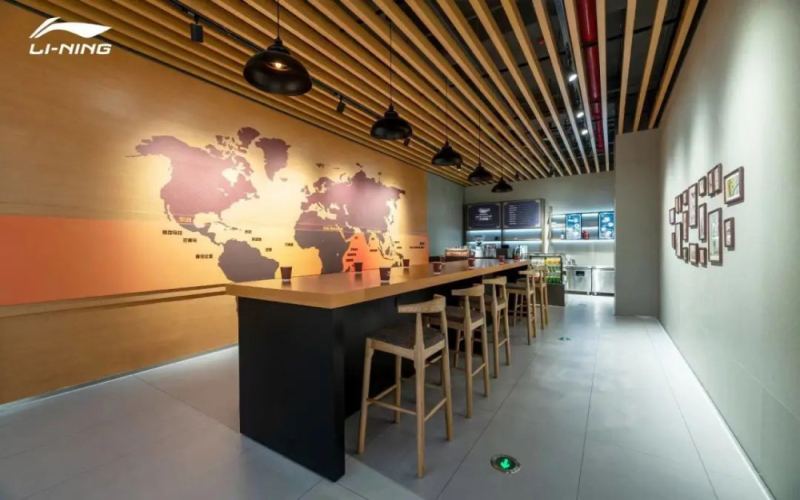
Behind the coffee crossover craze: Why are big brands rushing in, and how far can following the trend go?
In recent years, major brands across all industries have been venturing into the coffee sector—from the post office, Li-Ning, and Xtep to Naobaijin and Huawei, cross-industry coffee sales have become a trend. These brands don't truly intend to dig deep into the coffee track; rather, they are eyeing the youthful traffic and fashionable attributes that coffee naturally carries, using it to get closer to consumers. However, once the hype fades, can cross-industry players lacking a coffee gene continue to attract customers? The fierce competition in the coffee market and the mismatch of consumption scenarios make such attempts full of uncertainty. This article sorts out typical cases of cross-industry coffee, analyzes the marketing logic behind them, and explores the challenges and hidden concerns this model faces. [more…]
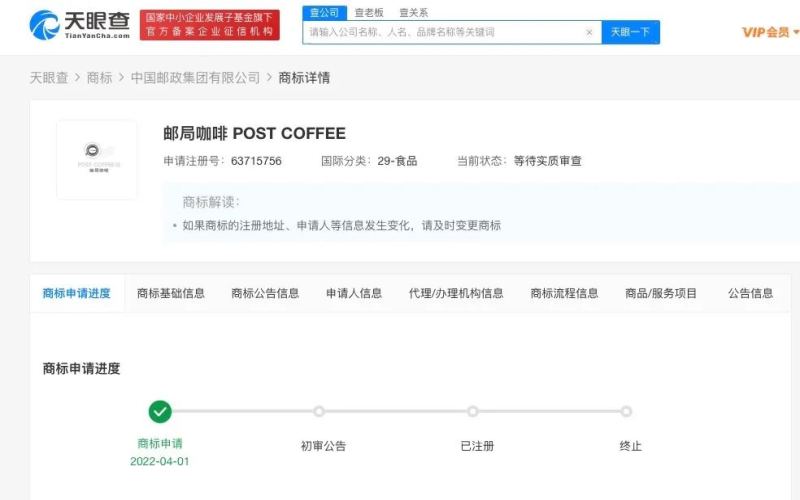
China Post's Coffee Trademark Application Rejected: An Analysis of China Post's Cross-Industry Layout and the Industry Boom
China Post's application for the "邮局咖啡 POST COFFEE" trademark was recently rejected, sparking widespread attention. Since the first store opened in Xiamen in February 2022, Post Coffee has expanded to four cities—Xiamen, Nanjing, Quanzhou, and Beijing—with six stores, focusing on a blend of postal nostalgia and cultural creativity. The co-founder had planned to open a hundred stores by the end of the year, but the trademark registration setback has led to widespread discussion online. Meanwhile, giants from various industries such as Li-Ning, Xtep, Tongrentang, and East Buy have entered the coffee sector. What are the prospects for cross-industry coffee ventures? This article reviews Post Coffee's expansion journey, product features, and trademark controversy, and takes stock of cross-industry dynamics in the industry. [more…]

Rap-style MC broadcasts propel T97 Coffee to fame: Its quirky livestream room goes viral, but can it live up to the bold claim of surpassing Luckin?
Coffee brand T97 has recently shot to fame with a wildly unconventional Douyin livestream: instead of the usual sales patter, it features a host and voiceover trading rap-style lines, along with the signature "chong chong chong" (charge, charge, charge) move that viewers call "Big Mouth." Founder Li Xiao has publicly said it will "definitely surpass Luckin in the future," yet T97 currently has only 43 offline stores, a sharp contrast with Luckin's thousands of locations. From lackluster viewership in its first broadcast in May this year to a peak of 2.6683 million viewers in September after switching to a rap-style selling approach, T97 is using oddly addictive content to drive traffic. This article will sort through key information including T97's brand positioning, its path to online virality, the pace of its offline expansion, and the doubling of franchise inquiries, while also examining whether this chant-style way of selling coffee can keep working and offering readers who follow coffee industry trends a useful perspective. [more…]