







Search Results for: Li-Ning
Li-Ning Crosses into the Coffee Arena: What Is Ning Coffee Aiming for by Leveraging 7,000 Stores?
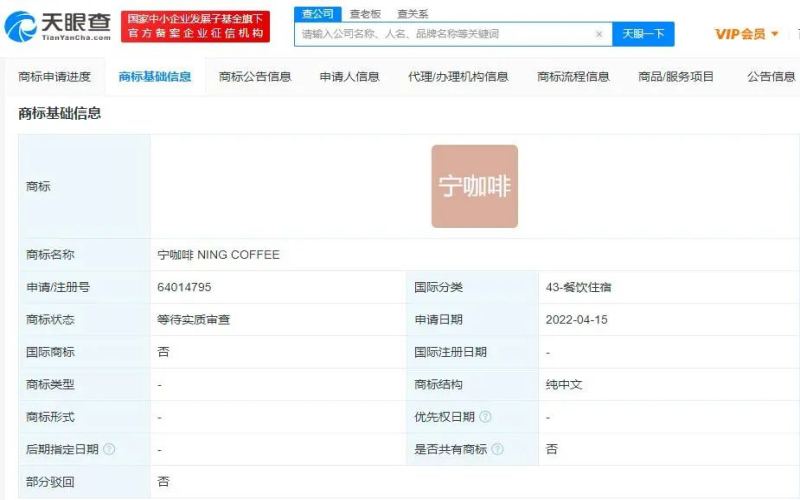
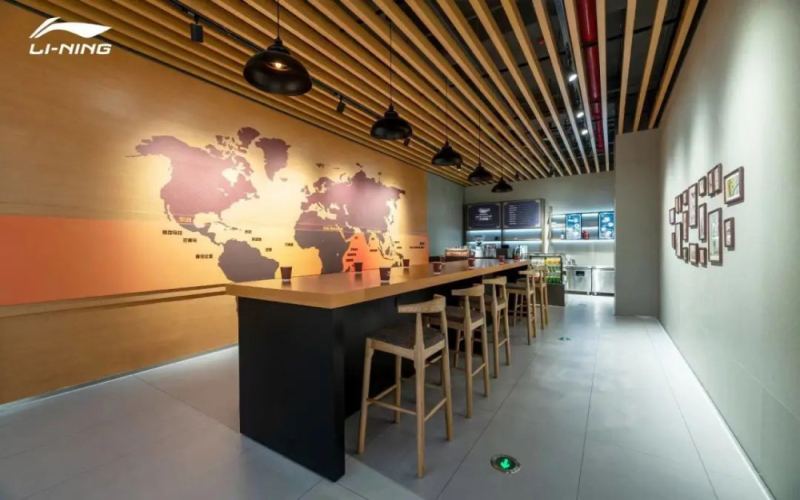
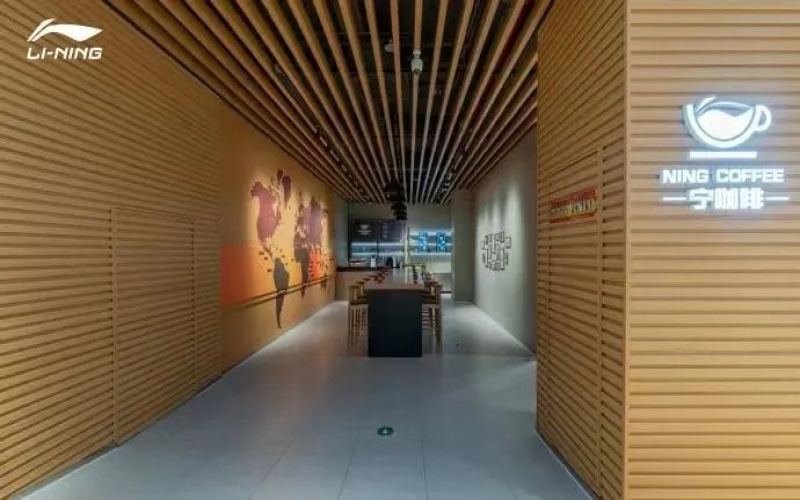
Following China Post, Goubuli, Tongrentang, and PetroChina, Li-Ning has now officially entered the coffee business. Li-Ning Sports recently applied to register the "NING COFFEE" trademark and confirmed it will offer coffee services in its stores. Leveraging more than 7,000 Li-Ning stores nationwide, if NING COFFEE is rolled out fully, its store count will be considerable and may even surpass Luckin. In fact, Li-Ning began using coffee grounds to make sportswear as early as 2013, and has repeatedly tested the waters of freshly ground coffee since last year. Can NING COFFEE win consumer recognition amid fierce competition? Is the foray into coffee a serious business or a gimmick for service upgrades? This article takes you behind the scenes. [more…]
Xtep Applies to Register "Te Coffee" Trademark, Adding a New Player to the Sports Brand Cross-Over Coffee Track
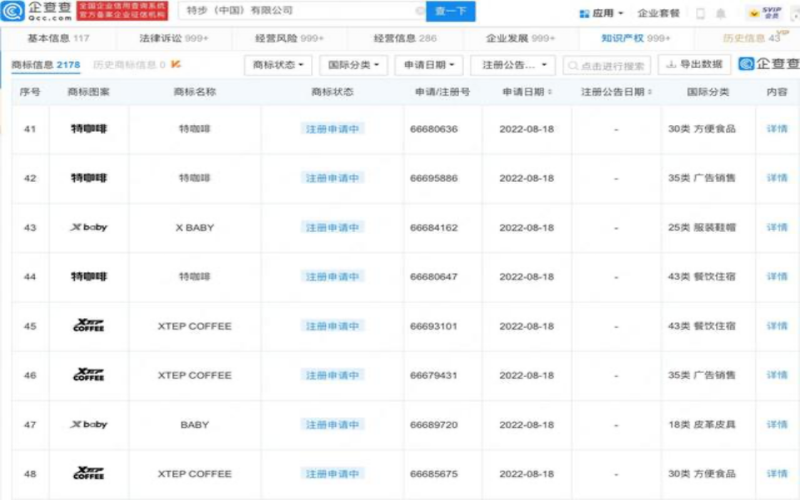
Following Li-Ning's launch of Ning Coffee, another sporting goods company has begun to stake out the coffee market. According to Qichacha, Xtep (China) Co., Ltd. has applied to register multiple coffee-related trademarks, covering categories such as food and beverage services and accommodations, convenience foods, and advertising and sales. In recent years, from tea beverage brands to time-honored traditional Chinese medicine brands, and from education companies to tech giants, cross-industry forays into coffee have emerged one after another. Is Xtep's move this time a continuation of its approach of innovating the in-store experience, or is it intended to open up an entirely new business territory? This article will review Xtep's coffee layout moves and look back at typical cases in recent years of brands from various industries crossing into coffee. [more…]
Behind the coffee crossover craze: Why are big brands rushing in, and how far can following the trend go?
In recent years, major brands across all industries have been venturing into the coffee sector—from the post office, Li-Ning, and Xtep to Naobaijin and Huawei, cross-industry coffee sales have become a trend. These brands don't truly intend to dig deep into the coffee track; rather, they are eyeing the youthful traffic and fashionable attributes that coffee naturally carries, using it to get closer to consumers. However, once the hype fades, can cross-industry players lacking a coffee gene continue to attract customers? The fierce competition in the coffee market and the mismatch of consumption scenarios make such attempts full of uncertainty. This article sorts out typical cases of cross-industry coffee, analyzes the marketing logic behind them, and explores the challenges and hidden concerns this model faces. [more…]
Xtep's cross-industry coffee debut store lands in Chengdu—why is the signboard not "Te Coffee" but COSINE KASHU?
Another case of a sports brand entering the coffee arena. Following Li-Ning's launch of Ning Coffee, Xtep, which has over 6,251 offline stores, has also filed trademark applications for "T Coffee" and "XTEP COFFEE." Recently, Xtep's first coffee shop opened within its flagship store in the Chunxi Road commercial district of Chengdu. Surprisingly, the store sign does not display "T Coffee" but instead shows "COSINE COFFEE." It turns out this is a collaborative store created by Xtep and COSINE, a trendy beverage brand founded in Shanghai in 2021. Rather than opting for a self-operated model, Xtep chose collaboration to reduce the risks of cross-industry expansion and test the waters. Whether this store is an attempt by Xtep to develop a side business or merely a supporting facility to enhance the in-store consumer experience, the company has not yet given a clear response. [more…]
China Post's Coffee Trademark Application Rejected: An Analysis of China Post's Cross-Industry Layout and the Industry Boom
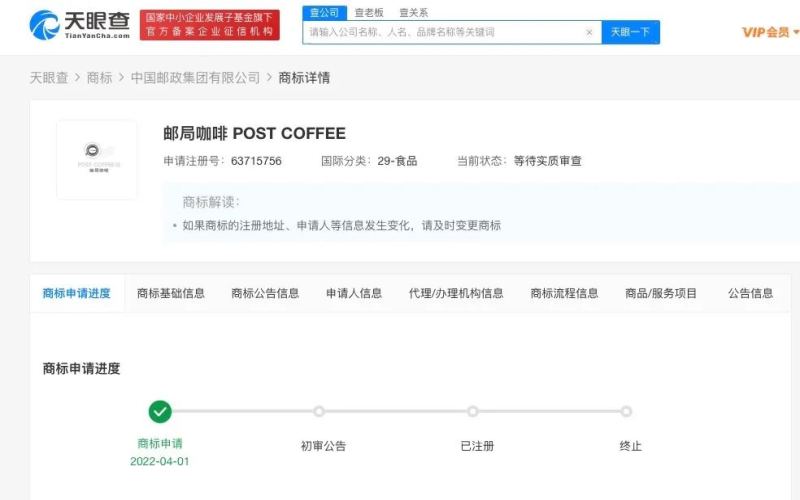
China Post's application for the "邮局咖啡 POST COFFEE" trademark was recently rejected, sparking widespread attention. Since the first store opened in Xiamen in February 2022, Post Coffee has expanded to four cities—Xiamen, Nanjing, Quanzhou, and Beijing—with six stores, focusing on a blend of postal nostalgia and cultural creativity. The co-founder had planned to open a hundred stores by the end of the year, but the trademark registration setback has led to widespread discussion online. Meanwhile, giants from various industries such as Li-Ning, Xtep, Tongrentang, and East Buy have entered the coffee sector. What are the prospects for cross-industry coffee ventures? This article reviews Post Coffee's expansion journey, product features, and trademark controversy, and takes stock of cross-industry dynamics in the industry. [more…]

Major brands are rushing into the coffee arena. Is this a new market opportunity or just a fleeting internet-famous fad?
In recent years, the coffee market has continued to expand, yet competitive pressure within the industry has also intensified. As the number of coffee shops surges, well-known companies such as Sinopec, Huawei, China Post, and Li-Ning have all made cross-industry forays into the coffee business, and the Weizhi Group behind Gold Roast cereal has also increased its investment. Some see this as a reflection of consumption upgrading, while others worry that a stampede of big brands into cross-industry ventures will ultimately end in a mess. Is cross-industry coffee a rational choice that follows market logic, or merely short-term marketing sustained by novelty alone? This article analyzes market data, brand advantages, and industry barriers to explore whether cross-industry coffee can shake off the label of "short-lived internet celebrity." [more…]
Health supplement giant Nao白金 enters the coffee track: can its first Shanghai store successfully break into the circle?
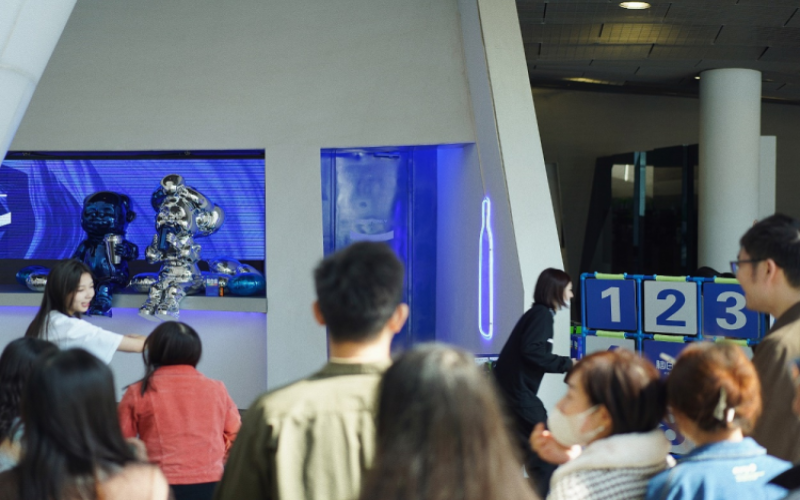
Having been active on television screens for over twenty years, the health supplement brand Naobaijin has officially extended its reach into the coffee sector. Its first coffee shop opened on November 7 in Songjiang District, Shanghai, under the youthful sub-brand "Naobaijin+Café." The store not only continues the brand's signature blue visual identity and classic IP image, but also offers coffee, tea drinks, smoothies, and other beverage categories at affordable prices. In recent years, giants across various industries have ventured into the coffee business, from China Post to Li-Ning, Huawei, and NIO—coffee has become a popular choice for cross-industry expansion. Is Naobaijin's entry a path to rejuvenate its brand, or can it carve out a share in the fiercely competitive coffee market? This article will outline the features of Naobaijin's coffee shop and the industry trends in cross-industry coffee ventures. [more…]
Huawei Crosses into the Coffee Sector, Files Trademark for "Yibiao Coffee": Why Is the Tech Giant Eyeing Coffee's Media Value?
The coffee industry has become a popular field for various giants to compete in laying out their presence in recent years, with catering and non-catering enterprises entering the fray across sectors. According to Qichacha data, China has more than 320,000 coffee-related enterprises, with 15,000 new registrations annually. After Li-Ning, tech giant Huawei has also been reported to have applied to register the trademark "One Cup of Coffee Absorbs Cosmic Energy," classified under catering and accommodation, and is currently awaiting substantive examination. Unlike directly seizing market share, Huawei seems to place greater emphasis on coffee's connective function as a global medium, hoping to use it to attract younger groups. Ren Zhengfei once interpreted Huawei's spirit of openness with "a cup of coffee absorbs cosmic energy," and this trademark application continues that philosophy. Whether Huawei's advantages in the digital field can help it create new miracles in the coffee track is worth watching. [more…]
China's Coffee Consumer Base Surpasses 300 Million, Rapid Industry Growth Attracts Cross-Industry Capital Investment
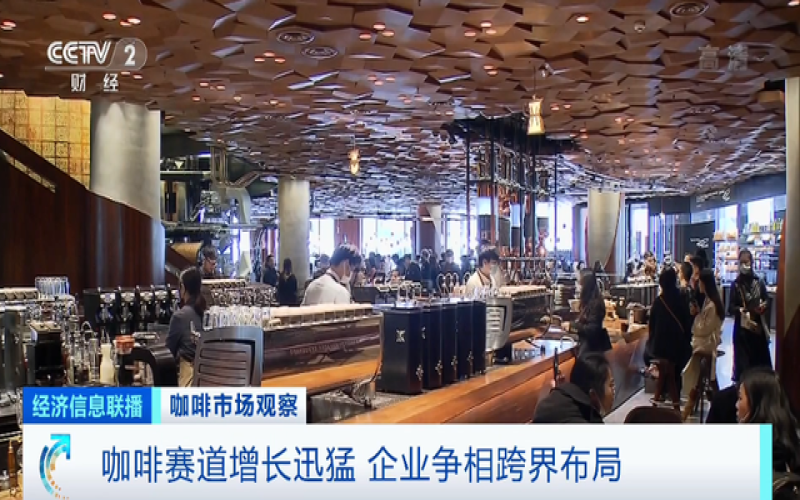
China's coffee consumer base has expanded to approximately 300 million people, and the coffee sector continues to heat up, becoming a hot area of capital attention. At present, the number of coffee-related enterprises nationwide has reached 166,000, with more than 22,000 newly registered enterprises in the first nine months of 2022 alone, a growth rate of 36.4%. Surveys show that more than 90% of consumers have increased their favorability toward coffee products incorporating Chinese-style flavors. From instant and freshly ground to ready-to-drink, the three major categories each have their own advantages, among which freshly ground coffee has the greatest growth potential, with its market size expected to reach 190 billion yuan in 2024. Giants from various industries such as Li-Ning, China Post, and Huawei have entered the market across sectors, and the coffee industry is ushering in change, with young consumers gradually becoming the main force. [more…]
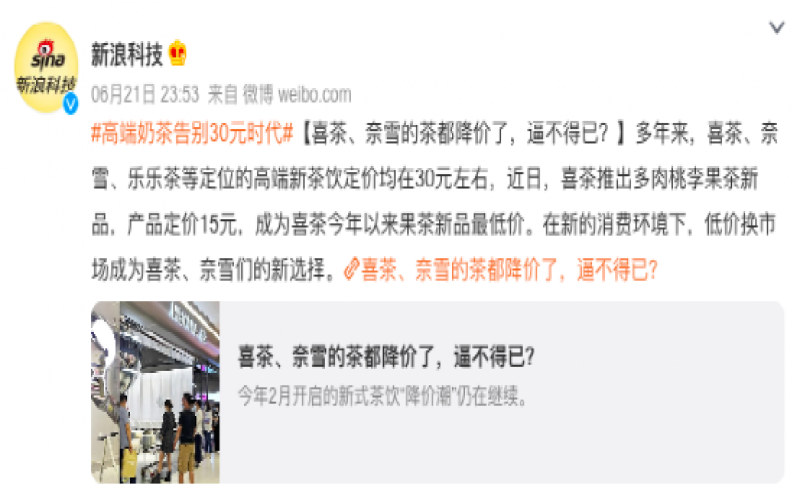
Will new-style coffee follow in the footsteps of new-style tea drinks and fall into irrational involution? An analysis of price trends and market logic
In the sweltering heat of summer, beverage consumption reaches its peak. On street corners and in alleys, young people are holding either tea drinks or coffee. But upon closer observation, one will find that new-style tea drinks and coffee are embarking on entirely different development trajectories: brands like Heytea and Nayuki are cutting prices, while Luckin Coffee and Starbucks are raising them. The coffee sector's popularity is soaring, with giants such as Huawei, Li-Ning, and China Post making cross-industry forays, intensifying competition to a fever pitch. At the same time, new-style coffee is increasingly resembling milk tea, with ingredients like cheese, matcha, and brown sugar crystal boba appearing frequently. This prompts the question: will new-style coffee repeat the mistakes of irrational involution in the new-style tea drink sector? This article will analyze from perspectives such as price changes, market positioning, and product innovation, and bring professional observations from Front Street Coffee. [more…]
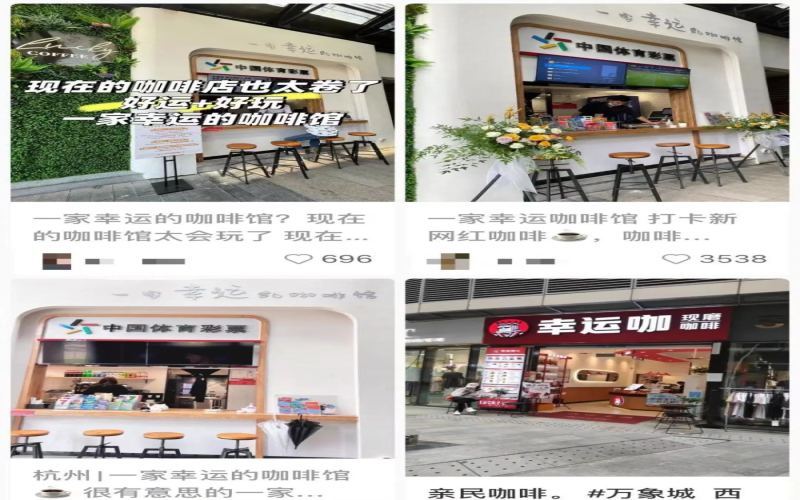
New Cross-Industry Play in the Coffee Arena: Lottery Partnerships, Brands Entering the Fray, and Ever-Intensifying Competition
Competition in the coffee market is becoming increasingly fierce, and it is already difficult to spark consumers' interest with just a latte or an Americano. From post office coffee to lottery joint stores, from sports brands to tech companies, players from all sides are entering the market, trying to attract young people's attention through cross-industry integration. A small shop in Hangzhou called "A Lucky Cafe" became popular on Xiaohongshu thanks to its combination of coffee and lottery tickets, sparking discussions among netizens about this kind of joint-operation model. In fact, as early as 2019, stores combining welfare lottery and coffee had already appeared in Shanghai. This model can not only bring consumers a fresh experience, but also help brands reduce rent and labor costs. This article will take you through the current state of cross-industry joint operations in the coffee industry and the logic behind them. [more…]
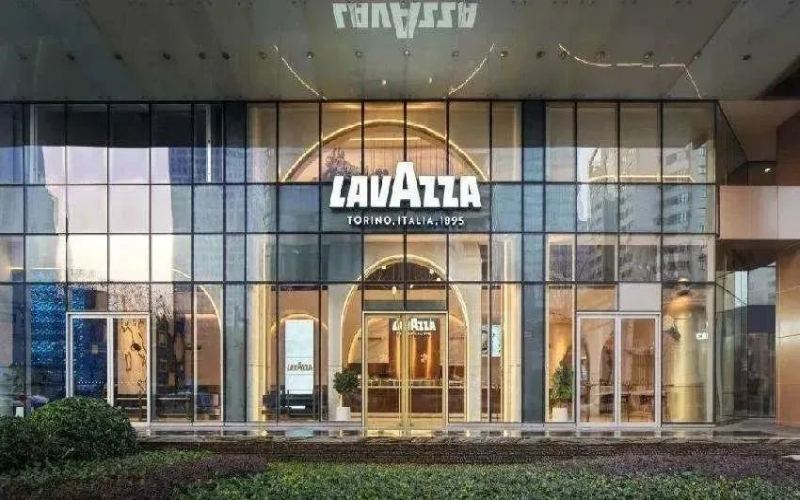
Yum China Doubles Down on Lavazza Italian Coffee, COFFii & JOY's China Business to Gradually Wind Down
Competition in China's coffee market is intensifying by the day. On one side, cross-industry giants such as Huawei, Li-Ning, and China Post are scrambling to enter the fray; on the other, some brands are quietly bowing out. Yum China has been making frequent moves lately: on one hand, it is going all in on the Italian coffee brand Lavazza, planning to open a thousand stores by 2025; on the other, it has announced that it will gradually cease operations of its COFFii & JOY brand in the Chinese market. What market logic does this advance-and-retreat reveal? Can Lavazza, armed with its authentic Italian DNA, break new ground outside the most fiercely contested price segment? This article walks you through the full picture of the events and the considerations behind them. [more…]
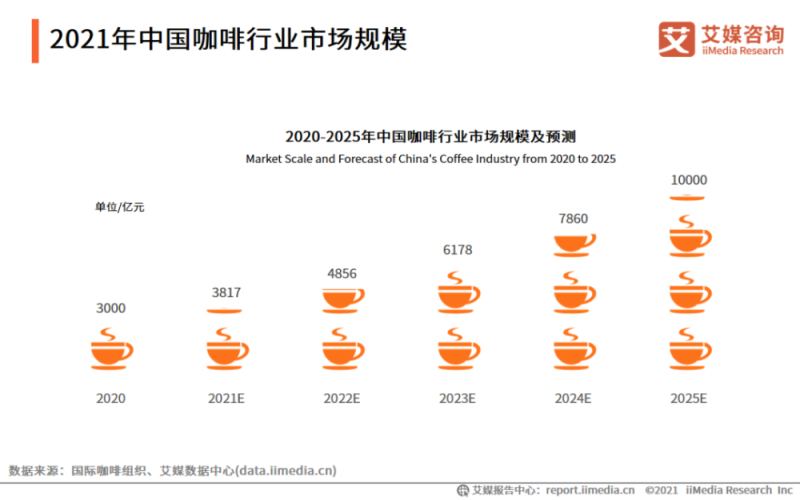
The coffee race heats up: Luckin surpasses Starbucks in store count as local chains and crossover players compete on the same stage
The domestic coffee consumer base in China has expanded to approximately 300 million, and the market size continues to grow, with projections suggesting it could reach one trillion yuan by 2025. Luckin Coffee has made a strong recovery after its turmoil, with its store count once surpassing Starbucks; Starbucks insists on company-owned operations and plans to continue expanding; new brands such as Manner and NOWWA are accelerating financing and store openings, while international brands like Tims and %Arabica have also entered the market successively. Capital and cross-industry giants are frequently making moves, making China's coffee market, which still has a low chainization rate, full of imaginative potential. Front Street Coffee also continues to monitor specialty coffee trends and industry changes. [more…]
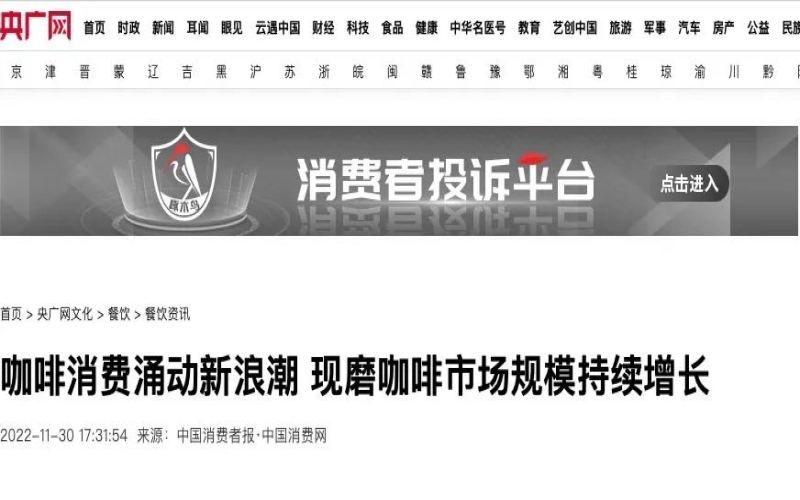
The freshly ground coffee sector continues to heat up: a full analysis of market size, consumption scenarios, and industry landscape
In recent years, domestic coffee consumption has continued to surge, and freshly ground coffee, as the category with the greatest growth potential, is attracting more and more consumers' attention. From instant coffee dominance to the rise of freshly ground coffee, the structure of China's coffee market is undergoing profound changes. Chain brands are accelerating expansion, cross-industry players are entering the market one after another, and the rise of health-conscious consumption concepts has also injected new momentum into freshly ground coffee. At the same time, the two-way drive from both the supply side and the demand side is pushing the entire industry onto a fast track. This article will comprehensively sort out the development status and future trends of the freshly ground coffee industry from multiple dimensions such as market size, consumption scenarios, and brand competition, helping you understand the full picture of this hot track in one article. [more…]

MANNER issues a public apology over food safety issues at its Shanghai store; the store involved has been closed for rectification and a self-inspection has been launched.
As Shanghai gradually resumes production and daily life, being able to get a cup of takeout coffee right at one's doorstep has become a small blessing for many. However, MANNER Coffee's store on Wujiang Road in Shanghai was found in a surprise inspection by market regulators to have problems including substandard environmental hygiene and non-compliant food storage, and was placed under investigation on May 23, quickly sparking heated discussion online. On May 24, MANNER's official Weibo account issued an apology statement, admitting that during the supply-guarantee delivery period there were oversights such as non-standard use of raw milk and failure to promptly clean the backing paper of food-safety seals, and stating that the store involved had immediately suspended operations for rectification. But this apology was questioned by some consumers and industry experts as evading the key issues and failing to directly address core hazards such as floor grime potentially contaminating food. As the pioneer of the domestic boutique coffee shop model, MANNER is facing a dual test of quality and food safety on a coffee track now crowded with cross-industry giants. [more…]