







What does this Colombian coffee soe taste like in the cup?
Colombia's Finca El Paraiso took the flagship single-origin slot after Huakui supply ran short, and many drinkers first met specialty coffee through a coffee soe latte built on beans like these. The farm sits in the Cauca region, and owner Diego Samuel's varieties and processing give the cup a flavor that departs from typical Colombian profiles.
Colombia has grown coffee since the 16th century, and the traditional MAM regions of Medellin, Armenia and Manizales are known for full-bodied cups. Finca El Paraiso instead leans on specific varieties and processing, so pour-over parameters and roast approach matter when brewing it at home.
Many people first encounter specialty coffee through a cup of SOE latte. Luckin Coffee once used Huakui SOE to open up the specialty coffee conversation, and when Huakui supply ran tight, Colombia's Finca El Paraiso coffee beans were pushed to the forefront, becoming the flagship single-origin that took up the baton. The name El Paraiso carries a poetic ring on its own—but what does it actually taste like? In this article, from Front Street's perspective, we'll walk through the regional background of Colombian coffee, the terroir characteristics of the Cauca region, and the cultivation and innovation journey of El Paraiso's owner Diego Samuel. We'll also focus on the variety, processing method, roasting approach, and pour-over parameters of Front Street Colombia Finca El Paraiso Sakura coffee beans, helping coffee lovers understand the flavor origins and brewing methods of this bean.
Many friends' first impression of specialty coffee came from a cup of Luckin's SOE latte. Back then, Luckin used Huakui SOE to trigger a public challenge from Li Guoqing, which also linked the brand to specialty coffee. Huakui's supply was ultimately limited, and as it was about to run out, Luckin pushed Colombia's Finca El Paraiso coffee beans onto the stage to fill the gap Huakui left behind, making it the next flagship specialty coffee bean.
Finca El Paraiso
The moment this name appears, many people immediately find it full of poetry. So what exactly does Finca El Paraiso coffee beans taste like? Let Front Street talk about Colombia Finca El Paraiso .
The unique flavor of Finca El Paraiso coffee beans has completely refreshed many coffee connoisseurs' preconceptions about Colombian coffee beans. Colombia is one of the world's most important coffee-producing countries. Coffee, along with gold, emeralds, and flowers, is known as one of Colombia's "four treasures," and the country's coffee-growing history dates back to the 16th century. Moreover, Colombians have accumulated deep expertise in cultivating this "green gold"—coffee beans are not only abundant in yield but also quite solid in quality.
Traditional Colombian coffee has a rich, full-bodied taste, with the Medellin, Armenia, and Manizales regions being the most renowned—what people commonly call the "MAM" regions. Today, with the specialty coffee ethos in full swing, enthusiasts prefer to seek out single-origin beans with diverse varieties and distinct terroirs. Unlike Brazil's soft-bean style, Colombian coffee benefits from high altitude, steep terrain, and fertile black soil, giving it bright fruit acidity and a subtle aroma.
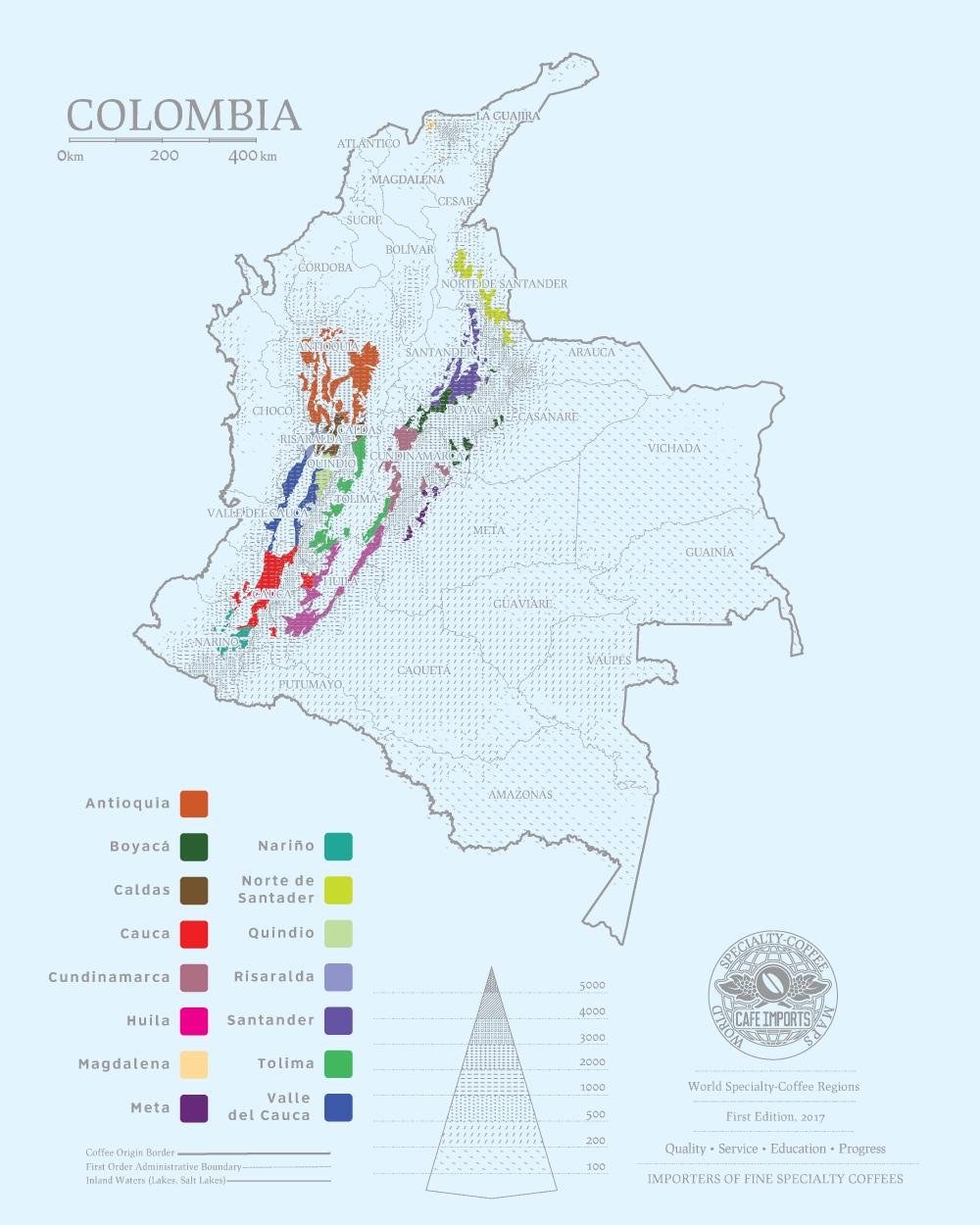
Some of Colombia's specialty coffee regions are gaining increasing attention. Those familiar with the country's specialty beans probably have some understanding of the regional distribution: specialty regions are mainly concentrated on the western side of the country, running north to south along the Andes, including Santander, Antioquia, Cauca, Tolima, Huila, and Narino, in that order.
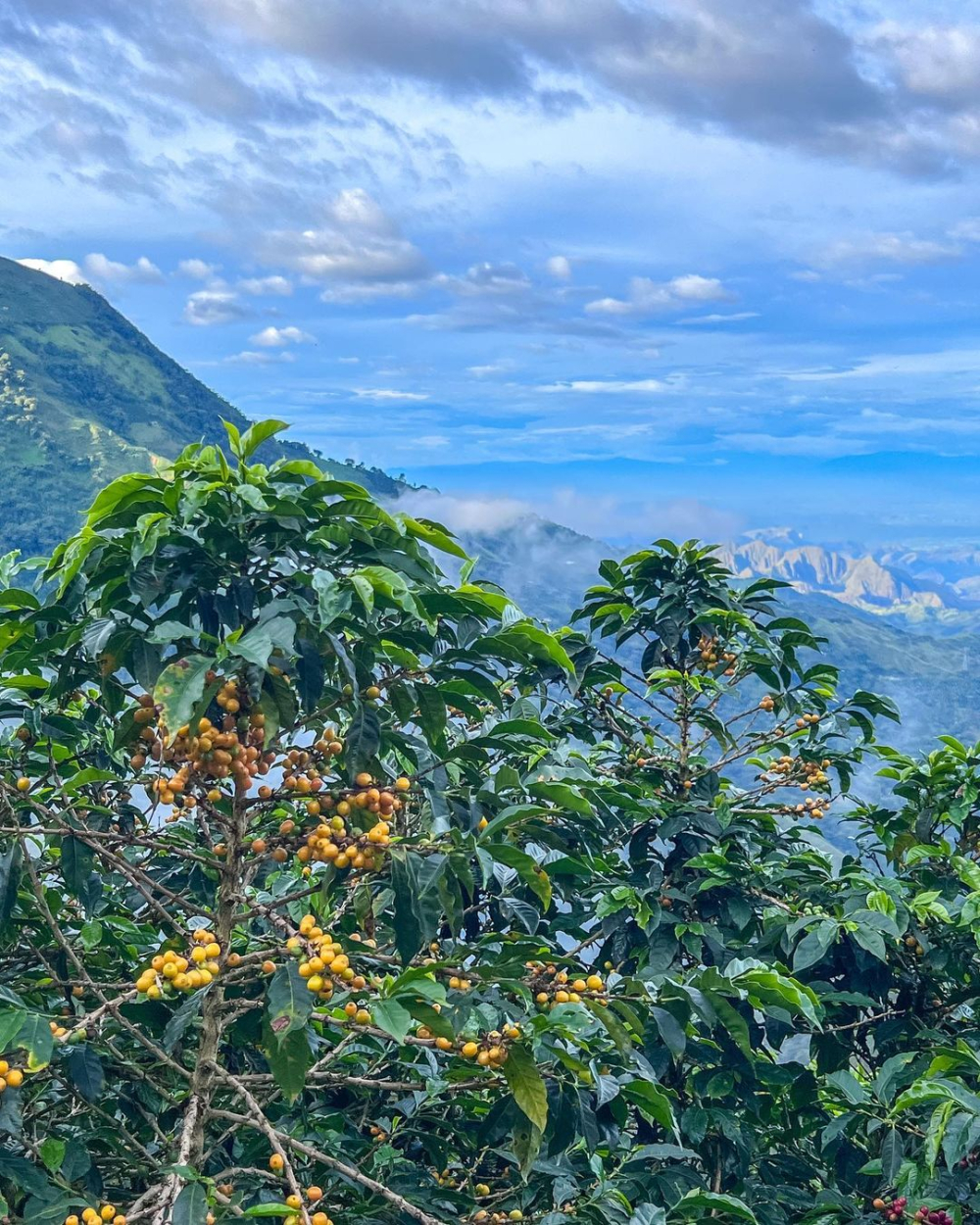
The Colombian Finca El Paraiso coffee beans Luckin selected this time come from the Cauca region. Cauca is a Colombian denomination-of-origin certified coffee region, with an average altitude exceeding 1,700 meters, reaching up to 2,100 meters at its highest. The biggest difference from other regions is that Cauca has a greater temperature difference between day and night. The low nighttime temperatures combined with higher altitude slow down the ripening of coffee cherries, giving them more time to absorb soil nutrients—which also gives Cauca coffee an advantage in the balance of acidity and sweetness.
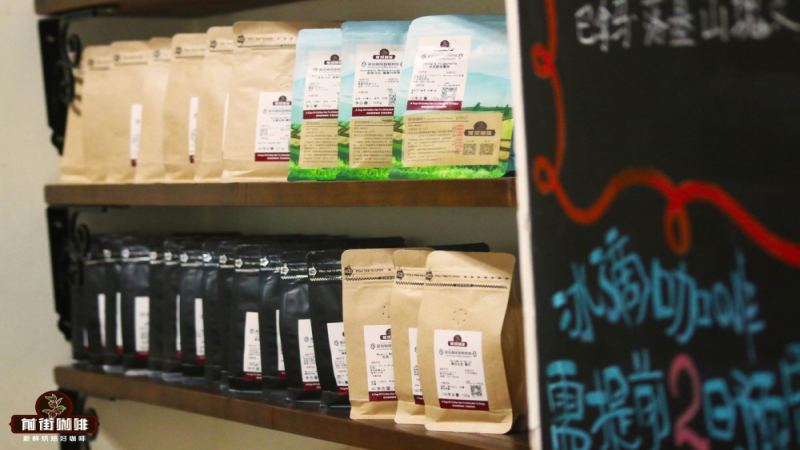
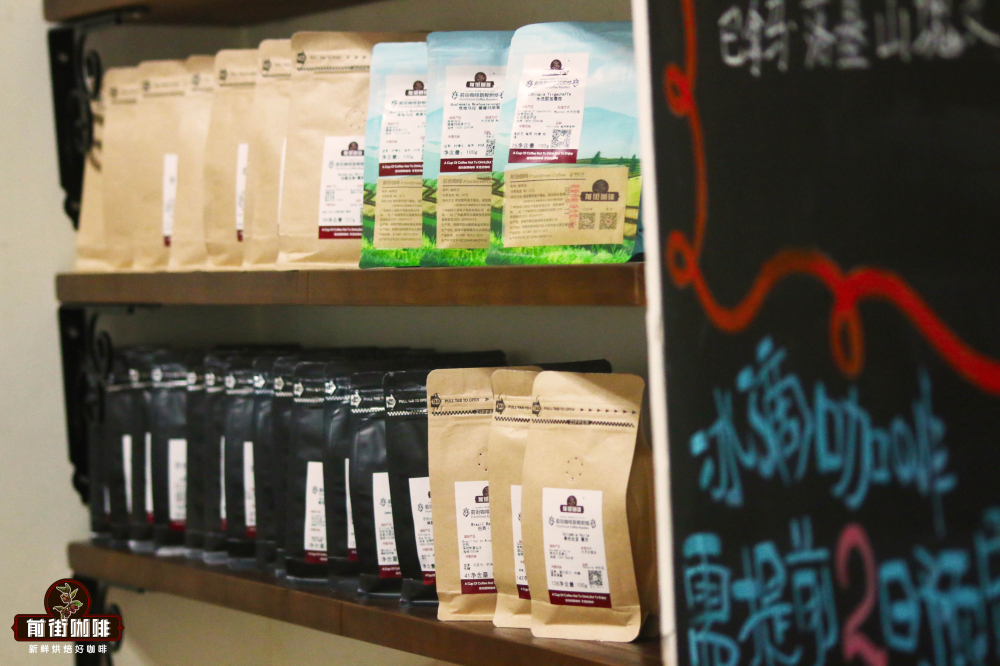
FrontStreet Coffee offers a rich variety of coffee beans, among which beans from the Colombian region each have their own distinctive flavors. Colombia Finca El Paraiso has always attracted much attention, and it naturally features on FrontStreet Coffee's bean list as well.
Finca El Paraiso's owner Diego Samuel studied coffee-related knowledge during university. From 2008, he took over this estate, where you can feel the Pacific sea breeze, and managed it with dedication. Initially, Finca El Paraiso was just a small family estate of only 2.5 hectares. By 2015, Finca El Paraiso won first place in a local coffee cupping competition, which greatly ignited his passion for coffee cultivation and innovation.
With this perseverance, Diego Samuel led Finca El Paraiso to numerous awards, and the estate's fame grew. At the same time, he never stopped innovating, all in pursuit of improving and stabilizing coffee quality. Currently, Finca El Paraiso cultivates Bourbon, Laurina, Geisha, Castillo, and other varieties, with plans to experiment with even more.
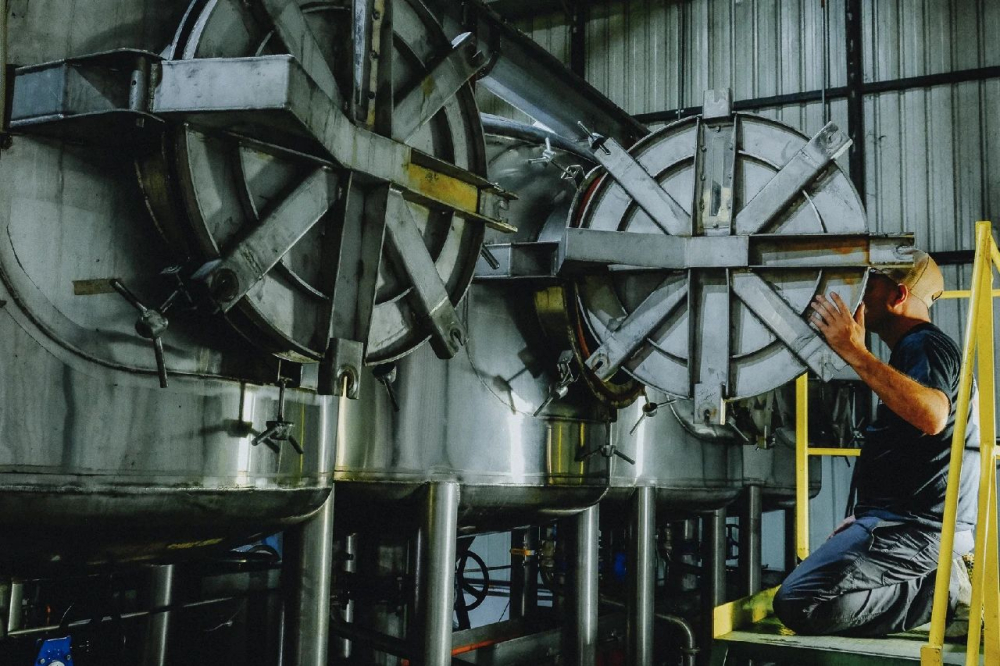
One coffee bean Front Street sourced from Diego Samuel is Finca El Paraiso's Sakura. This Front Street Colombia Finca El Paraiso Sakura belongs to the Castillo variety and uses a double anaerobic washed processing method. Anaerobic fermentation has been a very popular post-harvest green bean processing method in recent years: coffee cherries are placed in sealed containers, or put in washing tanks with water to ferment. Different microorganisms drive the fermentation process, creating special flavors, and after fermentation is complete, the cherries are sun-dried.
The double anaerobic washed method works like this: first, whole coffee cherries undergo one round of anaerobic fermentation, then the skin and pulp are removed, and a second round of anaerobic fermentation takes place with the sticky mucilage layer still on. After fermentation, the beans are washed to thoroughly clean off the mucilage layer, and finally sun-dried.
Coffee beans processed this way have a fuller flavor and body, with a distinctive fruity sweetness, wine-like notes, or fermented character.
Front Street Colombia Finca El Paraiso Sakura Coffee Beans
Region: Cauca, Colombia
Estate: Finca El Paraiso
Altitude: 2,050 meters
Variety: Castillo
Processing method: Double anaerobic washed
FrontStreet Coffee's roaster uses a medium roast when roasting these Front Street Colombia Sakura coffee beans, highlighting the acidity and sweetness while giving them a fuller body.
FrontStreet Coffee's barista uses the following parameters when brewing these Front Street Sakura beans:
Dripper: Hario V60
Water temperature: 90°C
Dose: 15 grams
Coffee-to-water ratio: 1:15
Grind size: 80% passing through a Chinese standard No. 20 sieve
First pour 30 grams of hot water for a 30-second bloom, then slowly pour in a thin stream from the center in circular motions until reaching 125 grams. When the water level in the dripper drops to the point where the coffee bed is about to be exposed, continue pouring in circles until reaching 225 grams. Total extraction time is about 2 minutes.
Friends who have tasted this Sakura may wonder: why is it called Sakura? The reason is that when Finca El Paraiso's owner was naming this bean, he smelled a faint aroma that reminded him of cherry blossoms.
However, after Front Street's roasting, the aroma of these Front Street Colombia Sakura coffee beans takes on a different character. In cupping, there are notes of basil and rosemary, with some even describing it as mugwort, and the finish carries a hint of strawberry jam.
Some friends are drawn to Sakura coffee beans for that distinctive spice note, but don't have a grinder at home. Front Street also offers a grinding service for these friends. However, Front Street would like to remind you: although Front Street ships coffee beans roasted within 5 days, once ground, the carbon dioxide in the coffee is released more rapidly, and flavor compounds dissipate along with it. Therefore, we recommend that friends who have a grinder at home buy whole beans and grind fresh right before brewing for the best flavor.
For more coffee bean information, please follow Coffee Workshop (WeChat official account: cafe_style)
For professional coffee knowledge exchange, please add WeChat ID: kaixinguoguo0925
The above content is compiled by CoffeeHunters, a coffee news website.


