







How does Sidamo coffee soe shape the Huakui flavor profile?
Huakui is a Sidamo coffee from the Humbera area of Ethiopia that drew wide attention after winning the TOH competition and after the Luckin coffee soe controversy. The bean is known for a wild, intense berry-and-cream profile, and Front Street documents its roast approach and pour-over parameters to make that flavor repeatable at home.
Naming has evolved from Huakui 1.0 through 8.0 as lots and processing changed. Huakui 6.0 is used here as the working example: a medium-light roast, a moderate grind and a steady pour keep the berry sweetness intact while the bright coffee meaning of Sidamo acidity stays clear rather than sharp.
Ethiopia, as the birthplace of coffee, has nurtured many high-quality coffees with vastly different styles. The Sidamo region, with its wild and intense berry-cream profile, has gained a large following in the domestic coffee scene. The Humbera-origin Huakui coffee beans from this region have become a phenomenon thanks to winning the TOH competition and the Luckin SOE controversy. This article will systematically outline the terroir characteristics of the Sidamo region, review the naming evolution of Huakui coffee from 1.0 to 8.0, and use Huakui 6.0 as an example to document Front Street Coffee's roasting approach and pour-over parameters in detail, helping coffee enthusiasts fully understand the flavor code of this bean.
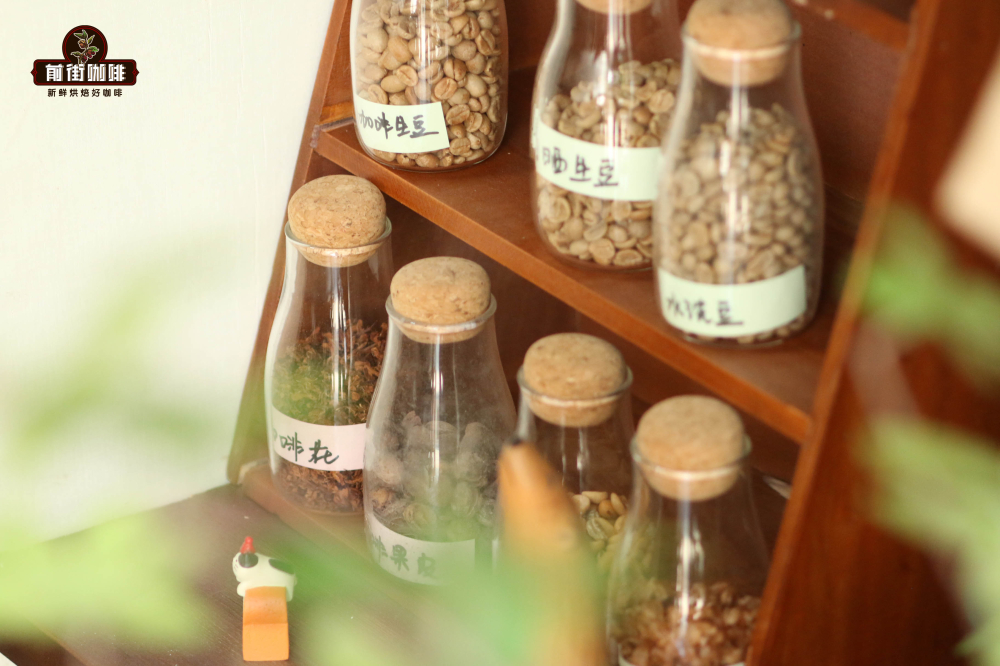
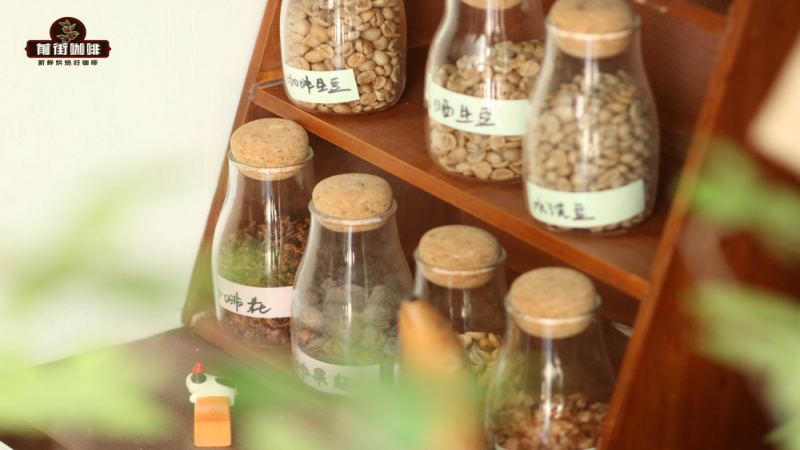
Coffee has a broad audience worldwide. Some people love the thick, full-bodied mouthfeel of Jamaican Blue Mountain, while others prefer the bright, soaring acidity of African beans. Many customers who walk into Front Street Coffee stores often face a pleasant dilemma: confronted with shelves packed full of coffee beans from different regions, processed by different methods, and belonging to different varieties, they don't know where to start. Even narrowing it down to African origins still leaves them dazzled.
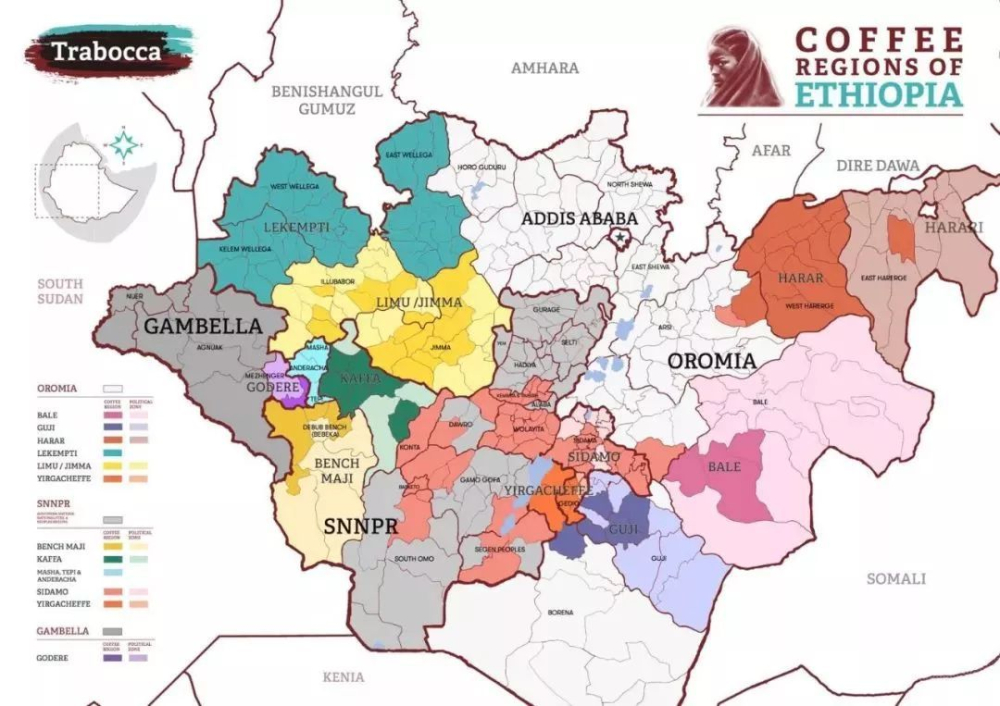
Ethiopia is both the birthplace of coffee and a global gene bank of coffee varieties. This vast land holds a large number of outstanding coffees. The country has many coffee-producing regions, among which Harrar, Yirgacheffe, and Sidamo are the most internationally renowned. In the domestic market, many coffee lovers' first introduction is often washed Yirgacheffe or natural Sidamo.
Washed Yirgacheffe gives a fresh, natural impression, while natural Sidamo takes a completely different path—its bold and intense interweaving of berry and cream flavors has likewise attracted a large and loyal following.
Like Yirgacheffe, the name Sidamo has long been established in the international coffee world. In various coffee competitions, the name of the Sidamo region frequently appears at the top of award lists. In recent years' green bean competitions such as COE and TOH, the Sidamo region has appeared on the lists even more frequently.
It is worth noting that before Yirgacheffe became independently famous for its fresh floral aroma, it originally belonged to the Sidamo region. The Guji region also only gradually became a star producing region in green bean competitions after it was separated from Sidamo in 2010. Front Street Coffee has a bean on its shelves that won the washed group championship in the 2020 TOH competition in the Ethiopia division. It comes from the Uraga sub-region, which originally belonged to Guji, and its flavor presents a fresh and unique honey pomelo green tea-like quality, earning the favor of many customers.
The Sidamo region is vast and has many sub-regions under its jurisdiction. Just as those who have tasted Geisha from Panama's Hacienda La Esmeralda can sense significant flavor differences between different plots, the differences among Sidamo's various sub-regions should not be underestimated either. Among the many sub-regions, Uraga and Bensa each have their own strengths.
The Humbera region is especially noteworthy. With the help of a collaboration and promotion between an internet celebrity and Luckin Coffee, Huakui coffee beans became known to consumers nationwide overnight and quickly became a hot commodity. Many customers who come to Front Street Coffee stores say as their first sentence upon entering that they want a bag of Huakui coffee beans.
Of course, many customers also ask Front Street Coffee's baristas about Huakui coffee beans, and some hope to systematically understand the background of this bean. Below, Front Street Coffee will introduce the ins and outs of Huakui coffee beans in detail.
In 2017, Ethiopian green bean company DW sent a natural coffee bean produced by the Buku Abel processing station in Humbera to that year's TOH competition. With an extremely rich berry-cream flavor, this bean won over the international jury on site and took first place in the natural group of the Ethiopia division of the TOH competition.
Beijing Yisheng Green Bean Company introduced the same winning batch of coffee beans into the domestic market and, after tasting it, named it "Huakui," meaning chief of a hundred flowers, fully showing the high hopes placed on this bean—hoping it could become another world-renowned specialty coffee representative after Geisha.
In the same year, in the China division of the World Brewers Cup, competitor Li Jianfei used the same winning batch of Huakui coffee beans to win runner-up. At that time, Geisha coffee was sweeping competition stages with its unique flavor, and many competitors chose Panama Geisha to compete. Against the backdrop of Geisha almost monopolizing competition beans, Li Jianfei used Ethiopian Huakui to leave many Geisha users behind, and Huakui coffee beans thus became famous in the industry.
However, Huakui coffee beans truly entered the public eye earlier this year when Li Guoqing publicly commented on Luckin's launch of the Huakui SOE series. For a time, more people rushed to Front Street Coffee to ask about the past and present of Huakui coffee beans and for an introduction to Huakui coffee's taste.
By 2022, customers were still asking whether there was Huakui 4.0, which shows that some consumers were still unclear about the naming rules for Huakui coffee beans. Since Huakui was born in 2017, Beijing Yisheng Green Bean Company has continuously operated this IP and has now iterated to the sixth-generation product.
Specifically, 2017 was the first generation of Huakui; in 2018, Huakui 2.0 was released; 2019 was Huakui 3.0; 2020 was Huakui 4.0; in 2021 it was updated to Huakui 5.0; and 2022 was naturally Huakui 6.0. It can be seen that the Huakui series uses the "Huakui X.0" naming system to distinguish batches from different years. Over the years, Front Street Coffee has consistently put the latest Huakui coffee beans on the shelves in time for each new harvest season.
Generally speaking, only natural coffee beans produced and processed by Buku Abel are eligible to be called "Huakui." Huakui's growing area is at an altitude of over 2,000 meters, and the coffee trees are surrounded by tropical crops such as sugarcane and bananas, providing just the right shade for the coffee trees. Such a growing environment gives Huakui coffee its sweet-and-sour, smooth characteristics, while the natural processing method further strengthens this bean's sweet aroma.
However, coffee is ultimately an agricultural product and is affected each year by uncertain factors such as climate and rainfall. Therefore, it is completely normal for coffee beans from different years to vary in flavor. When Front Street Coffee received green beans of Huakui 6.0 from the new harvest season, it found that they contained quite a few flat beans, shell beans, and broken beans—underdeveloped beans.
Before loading the roaster, Front Street Coffee's roasters first removed 20% to 30% defective beans. Even so, after roasting, quite a few misshapen beans could still be picked out from the roasted beans, noticeably more than in previous years.
After cupping, this Huakui 6.0 presented flavors of berries, honey, and passion fruit, with a very prominent sweetness.
However, because this batch of Huakui 6.0 had a relatively high defect rate, Front Street instead found another newly processed Huakui coffee bean from the new harvest season through the Buku processing station in Humbera. This bean also comes from the Humbera region and was processed natural by the Buku processing station. The beans are plump and look quite close to Huakui from previous years. Cupping results showed that this new-season Huakui has citrus acidity, honey sweetness, and a slight white floral note, with a very strong juicy quality.
Unconsciously, Huakui has already passed its eighth year since debut. The latest 2024 harvest batch continues the naming convention of many years and is launched under the name "Huakui 8.0." Tasting the new Huakui has become a top priority for longtime fans. In order to both present the refined floral and fruity character of the Sidamo region and retain the caramelized aroma coffee should have, Front Street's roaster chose a medium-light roast to showcase this bean.
Flavor: floral, jackfruit, preserved fruit, apricot, juicy
Front Street upholds the concept of "freshly roasted good coffee." The coffee beans it ships are all roasted within 5 days, striving to maximize the release of coffee's rich flavors. By the time they arrive, the beans have already gone through a 4- to 7-day resting period and are exactly at their flavor peak.
Dripper: Hario V60
Water temperature: 90°C
Dose: 15 g
Coffee-to-water ratio: 1:15
Grind size: 80% passing through China standard No. 20 sieve
Front Street recommends a 30-second bloom during brewing. After roasting, coffee beans are filled with gas inside, and blooming helps release carbon dioxide so that a more complete flavor can be extracted.
Specific steps: first pour 30 g of hot water and bloom for 30 seconds, then from the center point pour in a thin stream in slow circles up to 125 g. When the water level in the dripper drops to the point where the coffee bed is about to be exposed, continue pouring in circles up to 225 g. Keep the total extraction time to 2 minutes.
For more coffee bean information, please follow Coffee Workshop (WeChat public account cafe_style)
For professional coffee knowledge exchange, please add WeChat ID kaixinguoguo0925
The above content is compiled by CoffeeHunters, a coffee news website.


