







Search Results for: Japanese drip pouring method
The Complete Kono-Style Drip Method Tutorial: How Japanese-Style Pour-Over Overcomes the Challenge of Extracting Fresh Beans
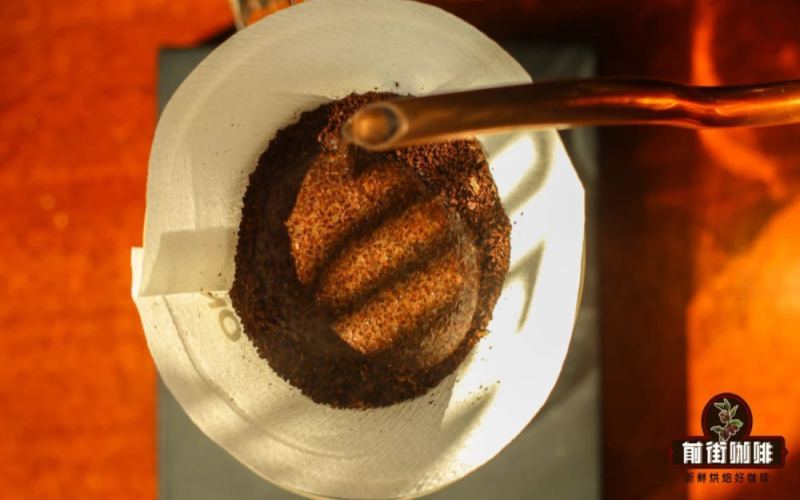
Freshly roasted coffee beans contain a large amount of carbon dioxide, and brewing them directly often leads to uneven extraction and imbalanced flavor. To address this, the Japanese developed a series of solutions, among which the Kono-style drip method is considered a classic. It uses water droplets instead of a water stream to pre-wet the coffee grounds, waits for sufficient degassing before switching to a stronger flow for extraction, and finally adjusts the concentration through bypass. In this article, Front Street Coffee will use PWN Golden Mandheling as an example to break down in detail the parameter settings and operating steps of this brewing method, helping you brew a rich, balanced, and delicious cup even with fresh beans. [more…]
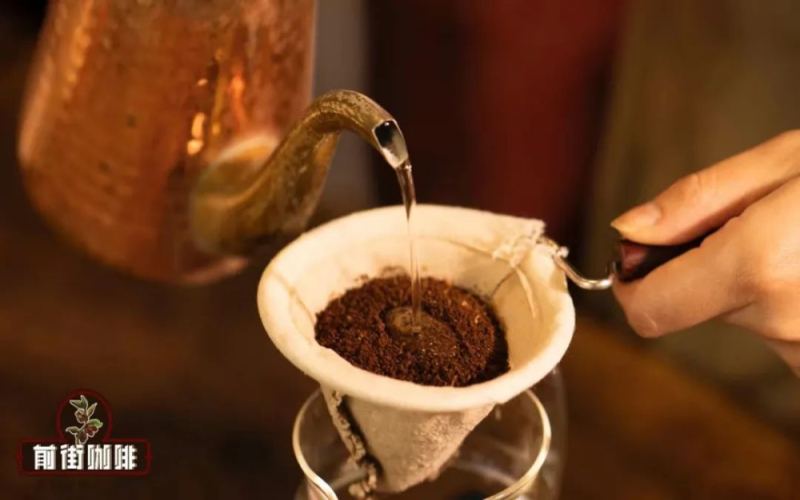
Comparison of the Three Major Japanese Dark Roast Brewing Methods: Principles and Operational Characteristics of Kono Drip, Matsuya-Style, and Volcano Brewing
Deep-roasted coffee beans are known for their rich, mellow bitterness, and the Japanese brewing tradition includes three classic methods designed specifically for such beans: the Kono drip method, the Matsuya-style brewing, and the volcano pour. Though they take different paths, their core goal is the same—to fully unlock the steady, grounded flavors of dark-roasted beans. The Kono method uses drip-style blooming to extend degassing time, the Matsuya style pursues stable extraction through ultra-high pouring and an extra-long bloom, while the volcano pour creates an erupting effect with segmented small-circle pours. All three generally use a higher coffee-to-water ratio, and some require bypass dilution. This article breaks down each method's origins, operating logic, and flavor profile one by one, and explains why these approaches are better suited to dark-roasted beans. [more…]
How to Make Cold Brew, Ice Drip, and Japanese Iced Coffee? A Detailed Guide from Extraction Principles to Front Street Kenya Beans in Practice
The iced coffee family has many members—cold drip, Japanese-style iced coffee, and cold brew coffee each have their own tricks. Where exactly do their methods and flavors differ? Using Front Street Kenya Little Tomato coffee beans as a practical case study, this article systematically sorts out the extraction logic of four types of iced coffee: the essential difference between hot brewing with rapid cooling and low-temperature slow extraction, the techniques for adjusting the coffee-to-water ratio and grind size in Japanese-style pour-over iced coffee, the steeping time and fermentation changes of cold brew coffee, and the key points of drip flow rate and overnight mellowing in cold drip coffee. It also includes Front Street's pour-over parameters, complete brewing steps, and flavor descriptions for each type of iced coffee, helping you find the cup of refreshing coffee that suits your taste. [more…]
Japanese-Style Hand-Drip Method Operation Guide: How the Kono Drip Method Brews a Rich, Full-Bodied Coffee Flavor
The drip method, a highly distinctive extraction technique in Japanese-style pour-over, was developed in 1973 by the Kono family, founders of the Kono brand, with the aim of giving coffee a richer, fuller body. This technique involves slowly saturating the coffee grounds with an extremely fine stream of water; only after the coffee bed has absorbed its fill of water and finished degassing does the coffee liquid begin to drip out in significant quantities. Starting from the operational details, this article explains the water-control techniques and judgment criteria for the drip method, and, combined with the brewing performance of Front Street Coffee's Golden Mandheling, guides you through the spice, caramel, dark chocolate, and popcorn-like rich flavors this technique brings out, as well as the lingering Pu'er tea finish after swallowing. [more…]
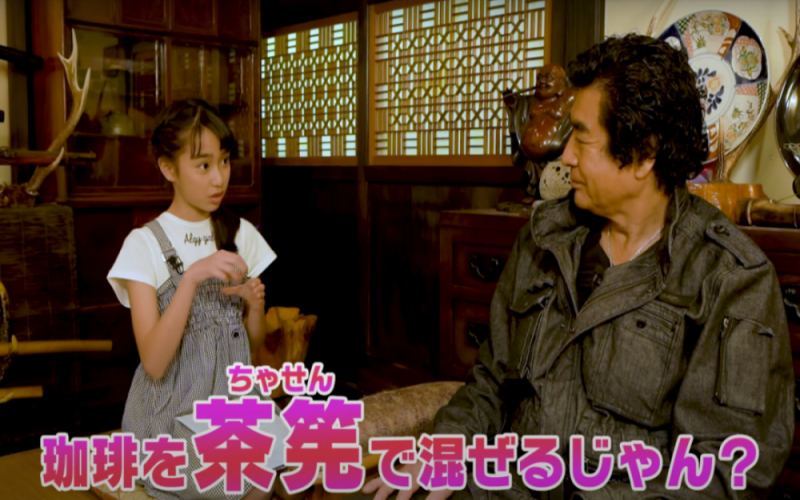
Hiroshi Fujioka-style Chasen Pour-Over Coffee: An Alternative Extraction of Japanese Dark Roast Beans and the Fusion of Matcha Techniques
This time Front Street is going to share a rather unusual brewing method—it breaks out of the framework of conventional pour-over and grafts the matcha whisking technique from Japanese tea ceremony onto coffee extraction. The person who created this "Way of Coffee" is none other than Hiroshi Fujioka, star of the original Kamen Rider. He favors Peruvian beans, Japanese-style dark roast, and coarse grinding, pouring water in a steady drip throughout, then using a chasen to whisk the coffee liquid into a dense foam. Front Street couldn't resist trying it out personally, recreating it once with a medium-dark roasted Blue Mountain bean. What kind of aroma and mouthfeel can this method actually bring? And why must it be drunk against the clock? The following will reveal all. [more…]

A Complete Guide to Iced Coffee Types and Characteristics: Detailed Brewing Methods for Japanese-Style Iced Pour-Over, Drip Bags, and Cold Brew
On a scorching summer day, a glass of iced coffee is nothing short of a lifesaver. This article systematically breaks down the types and characteristics of coffee beans suitable for making iced coffee, including three Front Street Coffee recommendations—Ethiopia Natural Red Cherry, Panama Elida Natural Typica, and Colombia Diviso Strawberry Claw—and explains in detail three brewing methods that work equally well at home or in the office: Japanese iced pour-over, drip-bag iced coffee, and cold brew, covering key parameters such as coffee-to-water ratio, water temperature, grind size, and pouring technique to help you easily make a refreshing, full-bodied summer drink. [more…]
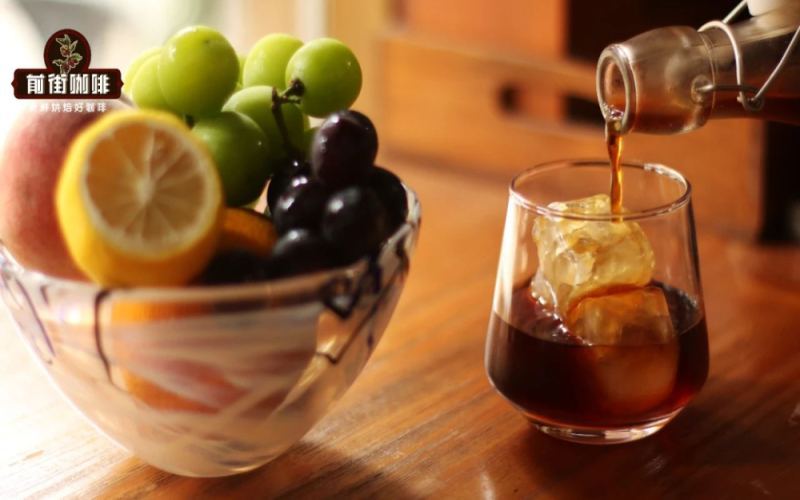
Cold Brew Coffee vs. Japanese Iced Pour-Over: A Full Analysis of Extraction Principles, Brewing Parameters, and Flavor Differences
On a scorching summer day, a refreshing glass of iced coffee always brings a unique kind of satisfaction. Cold drip coffee and cold brew coffee, as representatives of low-temperature extraction, are highly favored for their crisp taste and full-bodied flavor; while Japanese-style iced pour-over, made by adding ice to hot coffee, is known for its speed and simplicity. Starting from the practices at Front Street Coffee, this article systematically reviews the historical origins, brewing process, and equipment choices of cold drip coffee, compares the extraction logic and parameter adjustments of adding ice to hot coffee, and shares the flavor performance of medium-light roasted beans in iced coffee, helping coffee enthusiasts find the cup that suits them best in midsummer. [more…]
Cold brew coffee made easily at home: a full breakdown of coffee-to-water ratio, steeping time, and flavor characteristics, plus recipes for ice drip and Japanese-style iced coffee
In the heat of summer, a glass of iced coffee always brings refreshing coolness. Besides the common iced Americano and cold drip coffee, cold brew coffee can actually be easily made at home. This article will detail the steps for making cold brew coffee, the key points of coffee-to-water ratio and steeping time, and explain why cold brew presents a rounder mouthfeel and prominent floral and fruity notes. The article will also recommend Front Street Coffee's Huakui coffee beans suitable for cold brew, and briefly introduce the methods for cold drip coffee and Japanese-style iced coffee, so you can enjoy the pleasure of specialty coffee even in the scorching heat. [more…]

Types of Black Coffee | What is Japanese-style Coffee? What Are the Japanese Coffee Brewing Methods? What Are the Differences Between Japanese-style and Italian-style Coffee?
Coffee is a beloved beverage all over the world and the most popular drink globally. When it comes to dedication to coffee, Japan undoubtedly stands out, because Japan's coffee culture has a very long history, and Japanese coffee craftsmen are also highly dedicated. As another mainstream representative, [more…]
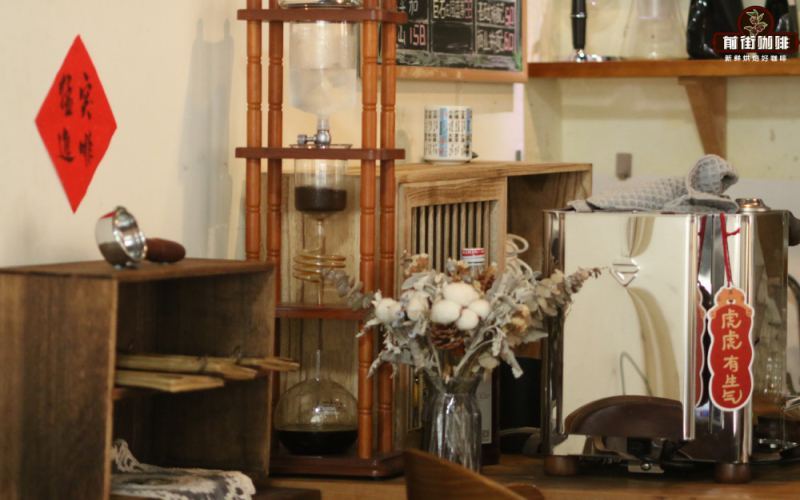
The Dutch Origins and Japanese Refinement of Cold Brew Coffee: A Full Analysis from Historical Roots to Brewing Parameters
Did ice drip coffee really not originate in the Netherlands? Many friends who come to Front Street Coffee are drawn in by the sight of ice water slowly dripping through an ice drip brewer, and become curious about exactly what kind of coffee this is. Ice drip coffee requires a long, slow extraction of 6 to 8 hours, so its output is limited and it is often in short supply. This article will begin with the historical origins of ice drip coffee, clarify the relationship between Dutch coffee, ice drip coffee, and cold brew coffee, then introduce in detail the structure and use of the ice drip brewer, and share specific brewing parameters using Costa Rica Mozart coffee as an example. Finally, Front Street will also recommend coffee beans suitable for making ice drip coffee according to four directions—tropical fruit fermented type, light and clean type, sweet and delicious type, and flavor blend type—to help everyone make a cup of rich yet not bitter ice drip coffee at home. [more…]
How to Choose Beginner Pour-Over Coffee Beans? Four Japanese Brewing Techniques and Recommended Everyday Beans from Africa, Asia, and the Americas
Many coffee enthusiasts who come to Front Street to buy beans ask: how can you hand-brew a coffee to bring out its best flavor? Front Street has always felt that brewing by hand is an enjoyment in itself, and coffee you brew yourself tastes all the more satisfying psychologically. This article first sorts out the four most mainstream Japanese hand-brewing techniques—Matsuya style, Kono style, volcano pour, and the zigzag pouring method—explaining their key operational points and taste characteristics; then, by the three major producing regions of Africa, Asia, and the Americas, recommends several high-value Front Street everyday beans suitable for beginners to practice with, along with specific brewing parameters and techniques, in the hope of helping every coffee lover. [more…]
Why Does Japanese Hand-Drip Coffee Favor a Large Dose? Analyzing the Extraction Logic of High Concentration and Low Extraction
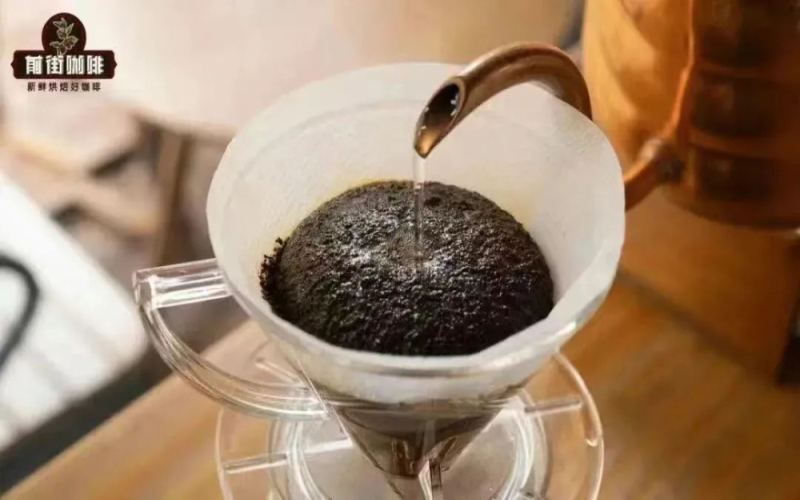
Japanese-style pour-over often uses a large dose of 20g or more—what extraction logic lies behind this? Starting from the characteristics of the dark-roasted beans favored by the Japanese, this article explains why they dislike bitterness, why they choose a coarse grind, and how a large dose slows the flow and increases concentration by thickening the coffee bed, ultimately forming a "high concentration, low extraction" style. The article also compares the differences between the Japanese-style coffee-to-liquid ratio and the conventional coffee-to-water ratio, and points out how a long extraction time, combined with a large dose, brings out caramel aroma and a highly sweet, lingering finish. If you are interested in the unique methods of Japanese brewing, or want to understand the concept of high concentration, low extraction discussed by Front Street Coffee, this article will give you clear answers. [more…]

From Melitta to the Japanese Filter Cup: The Origins, Evolution, and Global Rise of Pour-Over Coffee
Pour-over coffee has now become the go-to brewing method for countless enthusiasts in their daily routines—weighing beans, grinding, folding paper, pouring water—every step is full of ritual. But have you ever wondered where this drip-filter brewing method actually came from? And who invented the first dripper and filter paper? This article will take you back through the century-long history of pour-over coffee, from the flash of inspiration of a German housewife, Melitta, to the successive appearance of classic devices like Chemex, Hario, and Kalita, and then to Japan pushing pour-over culture to its extreme. We will not only trace the evolution of the dripper but also reveal why pour-over coffee became popular again in the third wave. Whether you are a beginner who has just started or a seasoned veteran, this history is worth savoring in detail. [more…]
How Much Coffee for a Single Serving of Pour-Over? The Golden Cup Extraction Principle and Techniques for Japanese-Style Drip Pouring and Stirring-Bloom Method
When brewing a pour-over coffee at home, how much coffee powder should you use? Starting from the SCA Golden Cup extraction standard, this article sorts out the practical logic of a 1:15 coffee-to-water ratio, explains the reasoning behind 15 grams of coffee powder and 225 grams of brewed coffee for a single serving, and analyzes the effects of water temperature, grind size, and pouring technique on flavor. Taking staged extraction as the main thread, the article details the rhythm control and operational details of blooming and degassing, three-stage pouring, and also compares the applicable scenarios, pros, and cons of the stirring bloom method, the Japanese drip pouring method, the single-pour method, and the volcano surge method, providing coffee enthusiasts with a clear, reusable brewing reference. [more…]

Drip Bag Coffee Brewing | How Should Golden Mandheling Drip Bag Coffee Be Drunk? Can Boiling Water Be Used to Brew Drip Bag Black Coffee at Home? How Much Water Should Be Poured?
For more specialty coffee knowledge, please follow: Front Street Coffee (Frontsteet Coffee). If asked which coffee on the Front Street bean list has the highest body, we would definitely answer: Golden Mandheling coffee. This is a high-quality dark-roasted coffee bean from Sumatra, Indonesia, and it not only has [more…]
The Origins and Evolution of Drip Bag Coffee: From a Japanese Patent to the Convenient Pour-Over Choice in the Chinese Market
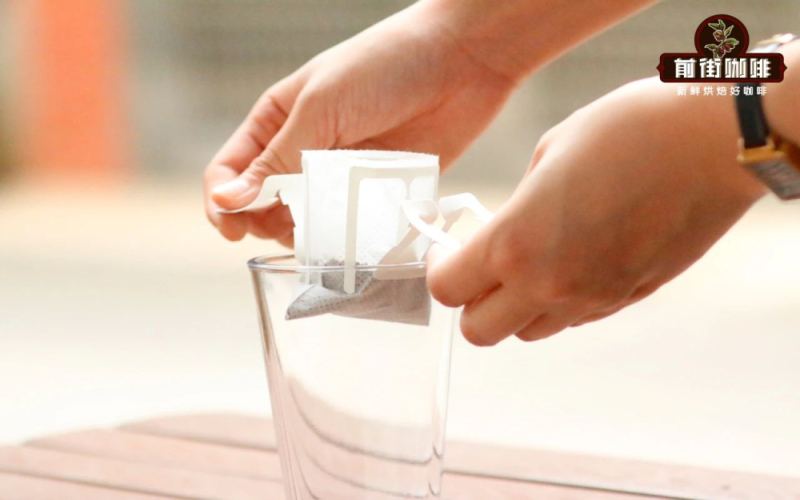
Drip bag coffee, with its combination of convenience and quality, has become the top choice for many people to enjoy black coffee in their daily lives. Where exactly did this filter-bag coffee packet originate? How did it evolve from an uncommercialized patent into a beverage that swept across East Asia? This article traces the invention history of drip bag coffee, analyzes the shifts in consumer demand behind its market growth, and explains the key brewing points in detail, helping readers easily master the method for making a good cup of coffee. It also introduces Front Street Coffee's high-value drip bag products and the flavor characteristics of Golden Mandheling. [more…]
The Classic Japanese Hand-Drip Volcano Method: The Principles Behind High Sweetness in Dark Roast Coffee and Complete Step-by-Step Instructions
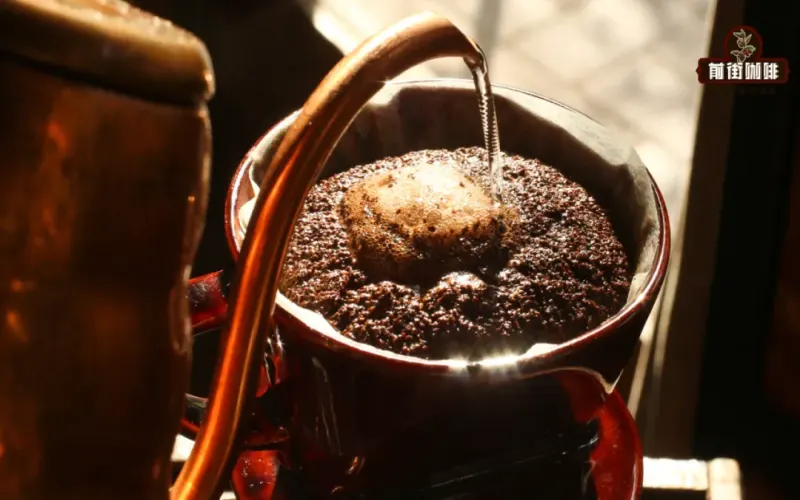
The volcanic pour is a highly distinctive brewing method within the Japanese hand-brewing system, named for the way the coffee bed rises and bubbles like a volcanic eruption during extraction. It is designed specifically for dark-roasted coffee, relying on a small stream of water, multiple intermittent pours of small volumes, and a high-concentration, low-extraction approach to ultimately present a cup of coffee with pronounced sweetness and a rich, smooth body. Starting from Front Street's experience shared on multiple occasions, this article provides an in-depth analysis of the underlying logic of the volcanic pour: why it can create a volcanic eruption-like spectacle, why only dark-roasted beans are up to the task, and how high concentration with low extraction avoids bitterness and improves extraction efficiency. The article also provides complete brewing parameters and a practical demonstration using Front Street's Golden Mandheling, guiding you step by step through this brewing experience that is both visual and gustatory.【图片1】【图片2】【图片3】【图片4】【图片5】【图片6】【图片7】【图片8】【图片9】【图片10】【图片11】 [more…]
What exactly is the difference between cold brew and ice drip? A summer guide to choosing single-origin coffee beans for cold brewing
Summer is here, and iced coffee has become a favorite for many. But can you tell the difference between cold brew, ice drip, Japanese-style iced pour-over, and cold steeped coffee? Although they are all called "iced coffee," their brewing principles and flavor profiles are quite different. This article uses Front Street Kenya Small Tomato coffee beans as an example to compare the similarities and differences of several iced coffees, from extraction methods and parameter settings to the final flavor. At the same time, FrontStreet Coffee also shares specific recipes for cold brew and ice drip to help you find the perfect refreshing cup for you. [more…]
Types of Iced Coffee | What's the difference in flavor extraction principles between cold brew, ice drip, iced Americano, and Japanese iced pour-over? What are the specific coffee-to-water ratios, grind sizes, and methods for iced coffee?
For more specialty coffee knowledge, please follow our WeChat official account: Front Street Coffee (FrontStreet Coffee). The four common types of iced coffee we often see are iced Americano, iced pour-over, cold brew, and iced drip coffee. Some friends may not be very familiar with these four types of iced coffee, so Front Street will try to start from a few [more…]
Beginner Pour-Over Coffee Bean Recommendations and Analysis of Four Major Japanese Techniques: From Yirgacheffe to Mandheling
To brew pour-over coffee at home that rivals a café, choosing the right beans is only half the battle—brewing technique matters just as much. In this guide, compiled by Front Street Coffee, we'll first introduce you to Japan's four most iconic pour-over methods—the Matsuya style, the Kono style, the volcano pour, and the zigzag pouring method—breaking down the key steps and flavor outcomes of each. Then, organized by the three major growing regions of Africa, Asia, and the Americas, we'll recommend high-value single-origin coffee beans for pour-over beginners, including Front Street washed Yirgacheffe, Front Street Lintong Mandheling, Front Street PWN Golden Mandheling, and Front Street Guatemala Huehuetenango, along with specific brewing parameters and technique tips to help you find the cup that best suits your taste. [more…]