







How does cold brew differ from ice drip in coffee brewing?
Iced coffee covers several methods that look alike but behave differently. Ice drip, Japanese-style iced coffee, and ice extraction start with hot water and then chill the result. Cold brew is different: the whole extraction happens at low temperature, with grounds steeped in cold water for hours and then filtered. That is why cold brew tastes smoother and less acidic than hot-brewed iced coffee.
Bean choice shapes the outcome. A bright Kenya coffee such as the Little Tomato lot from Thika, grown at 1,550 to 1,750 meters, with SL28 and SL34 varieties and K72 washed processing, keeps its berry and citrus notes in cold extraction. For pour-over, a 1:15 ratio with 15 grams of coffee at 92°C gives a useful reference point before adapting to cold methods.
Summer is here, and iced coffee has become a favorite for many people. But can you tell the difference between cold brew, ice drip, Japanese-style iced pour-over, and cold-brewed coffee? Although they are all called "iced coffee," their brewing principles and flavor profiles are quite different. This article uses Front Street Kenya Little Tomato coffee beans as an example to compare the similarities and differences of several iced coffees one by one, from extraction methods and parameter settings to final flavor. At the same time, Front Street Coffee also shares specific recipes for cold brew and ice drip to help you find the cup of coolness that suits you best.
For more specialty coffee knowledge, please follow: Front Street Coffee (Frontsteet Coffee) When it comes to black coffee brewing methods, Front Street Coffee's most commonly used daily methods, pour-over and cold brew, should be the ones everyone is most familiar with. Common types of iced coffee include ice drip, Japanese-style iced coffee, cold brew coffee, and ice extraction coffee. They look quite similar on the outside, so what exactly are the differences between cold brew and other iced coffees? When making ice drip coffee, which kind of coffee bean performs better? Simply put, iced coffee is first extracted with hot water and then cooled, and served as a cold drink. Usually, the brewed hot coffee is mixed directly with ice and drunk after the temperature has completely dropped. Cold brew is different: the entire extraction process is completed at low temperature, soaking the coffee grounds fully in cold water to obtain flavor compounds, and finally filtering to get the coffee liquid.
Next, we will use Front Street Kenya Little Tomato coffee beans as an example to analyze the similarities and differences between different iced coffees from multiple angles.
Front Street Kenya Little Tomato coffee beans Region: Thika, Kenya Processing station: Asali Honey Processing Station Altitude: 1550m–1750m Grade: AA TOP Variety: SL28, SL34 Processing method: K72 washed processing method Front Street pour-over parameters Dripper: Hario V60 #01 Dose: 15 grams Water temperature: 92°C Coffee-to-water ratio: 1:15 Grind size: 80% passing through China standard No. 20 sieve
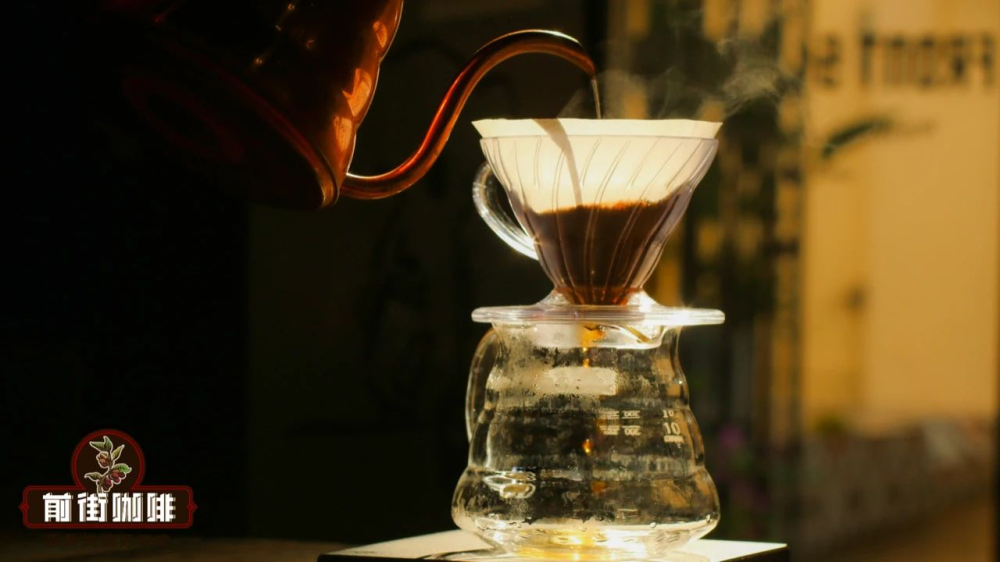
First bloom with 30 grams of water for 30 seconds, then pour in a circular motion with a small stream. When the water amount reaches 125 grams, make one split. When the water level drops to the point where the coffee bed is about to be exposed, continue pouring until 225 grams and then stop. When the water level drops again to the point where the coffee bed is about to be exposed, remove the dripper. Total extraction time (starting from the bloom) is 2 minutes 00 seconds. Flavor description: The wet aroma has ripe tomato and floral notes. On the palate, it shows cherry tomato and smoked plum notes, with bright acidity, a clean and rich mouthfeel, prominent sweetness in the middle, and a juicy sensation. The finish is berry aroma and yellow sugar sweetness, with green tea aroma.
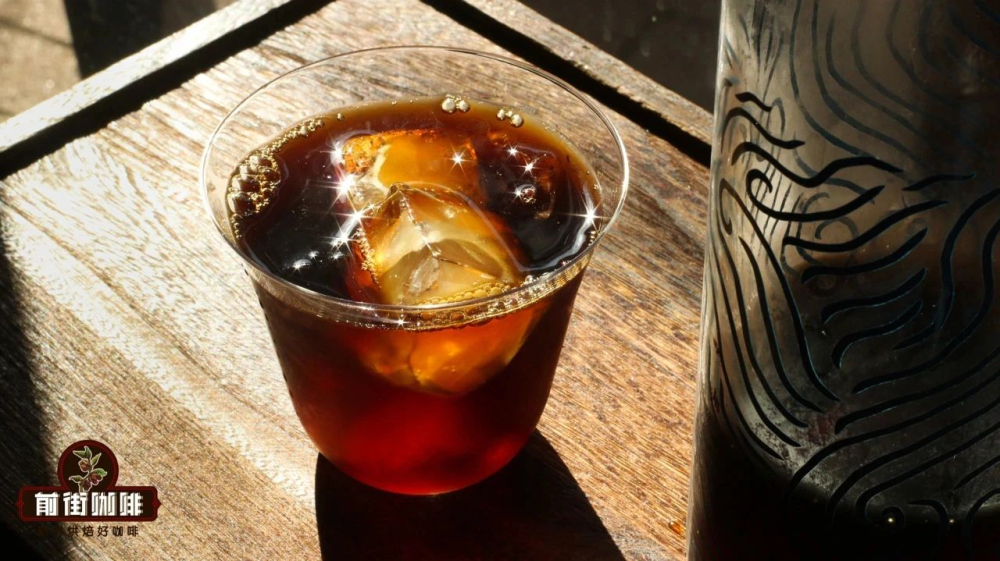
Black coffee brewed with hot water is best finished before it cools completely. According to Front Street Coffee, once most hot-brewed black coffees cool completely, their sourness and astringency become very prominent, and they may even become hard to drink. For Japanese-style iced pour-over coffee, however, it is recommended to finish it before the ice cubes melt completely, because once the ice has melted, the coffee's taste will be diluted and become weaker.
The brewing method for Japanese-style iced pour-over coffee is roughly the same as hot pour-over: both use high-temperature water poured onto coffee grounds to extract coffee liquid. The difference lies in the coffee-to-water ratio and grind size: Japanese-style iced pour-over coffee has a coffee-to-water ratio of 1:10, with an extraction time of about 2 minutes. It mainly extracts the floral and fruity acidity of the front and middle stages, while fewer compounds are extracted in the later stage, resulting in a lower extraction yield than regular hot pour-over. Therefore, the grind size needs to be adjusted finer than usual to make up for the insufficient extraction yield. Although the two coffees mentioned above have different serving temperatures, ultimately both use high-temperature water poured onto coffee grounds to extract coffee liquid. Below, Front Street will introduce two other methods that use low-temperature water to extract coffee liquid, namely cold brew coffee and ice drip coffee.
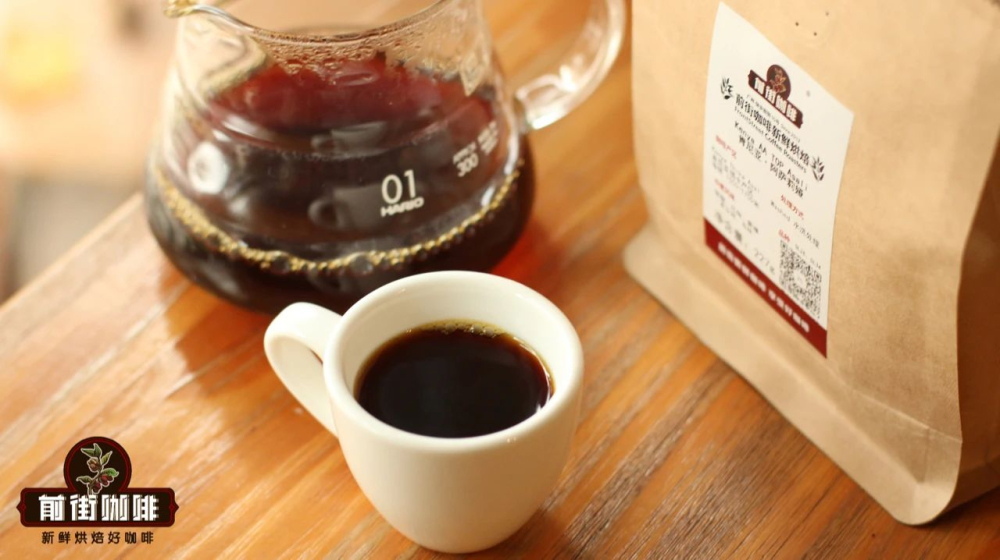
Cold Brew Coffee The concept of Cold Brew Coffee is similar to cold-brewed tea. A large amount of coffee grounds is soaked directly in water and placed in the refrigerator for a long period of low-temperature immersion extraction, which takes about 8 to 12 hours, so it is also called ice-brewed coffee. This cold brew method can amplify the various flavors and aromas of coffee, reduce acidity, and make the flavor cleaner and purer. Cold brew coffee is characterized by tasting better the colder it is; even adding ice directly does not make the flavor weaker. In the United States, adding an equal proportion of coconut water is more popular and brings a different experience.
How does Front Street Coffee make cold brew coffee? Front Street's cold brew recipe uses 50 grams of coffee grounds and restores the coffee-to-liquid ratio to 1:10, so add 400 milliliters of cold water and 200 grams of hard ice (a total ice-water mixture of 600 grams; the coffee grounds absorb twice their own weight in water). After stirring evenly, seal and place in the refrigerator for 24 hours. Then take it out, filter out the coffee grounds with filter paper, seal the coffee liquid in a clean sealed bottle, and place it in the refrigerator for 32 hours. After extraction is complete, it can be kept refrigerated for 5 days. During preservation, the coffee liquid continues to ferment in the bottle, and this fermentation process gives the coffee different layers of mellow changes in taste. It is generally recommended to drink the completed cold brew coffee after placing it in the refrigerator for 1 to 3 days, because during the 24–36 hours of overnight resting, as time passes, the coffee liquid becomes fully mellowed and the flavor is better.
Cold brew flavor: It smells of light fermentation. On the palate, there is the sweet-and-sour taste of cherry tomato, plum, pineapple, and damson. The finish has the sweetness of honey and brown sugar, and the overall feel is relatively refreshing. Ice Drip Coffee As is well known, ice water extracts much fewer bitter compounds. With completely cold-water dripping, the coffee is 100% saturated and moistened. By extending the extraction time and reducing the flow rate, the coffee grounds are fully saturated, extracting more small-molecule compounds such as floral notes and fruity acidity, while larger-molecule flavor compounds such as smoky and baked notes are difficult to extract. In terms of mouthfeel, it is smoother, with richer aroma and more outstanding sweetness.
So how does Front Street Coffee make ice drip coffee? The coffee powder chamber holds 60g of coffee grounds and extracts 600ml of coffee liquid, with a coffee-to-liquid ratio also as high as 1:10. For grind size, choose a slightly finer setting than pour-over coffee. Judging by a No. 20 sieve, the passing rate will be about 85%. Use a 1:1 ratio of ice-water mixture, and control the throttle valve at a flow rate of 7 drops/10 seconds. The entire extraction process lasts about 6–8 hours. After extraction is complete, it is bottled and chilled for 12 hours before drinking. After extraction, ice drip coffee needs to be placed in the refrigerator for overnight fermentation to make the coffee liquid more mellow and smooth. However, Front Street Coffee recommends drinking it within 3–4 days, because as time passes, by the third day, especially after the fourth day, the flavor weakens and the taste becomes very light.
Ice drip flavor: rich juiciness, with obvious cherry tomato acidity and aroma on the palate, some grapefruit peel flavor in the middle, and a finish with some berry aroma and caramel sweetness.
Front Street Coffee chose this Kenya coffee bean to make ice drip coffee and cold brew coffee mainly because the weather is relatively hot and everyone looks for slightly acidic and refreshing drinks to cut through richness, and the flavor of this Kenya bean happens to meet that need very well. However, since many people's tastes differ and everyone likes different flavors, if you do not know what coffee beans to choose, you can follow Front Street Coffee's WeChat account and come consult us. In the scorching summer, what could be more refreshing than a cup of icy, refreshing coffee? Better to act than just be tempted—make your own cup of iced coffee right away.
The above content is compiled by CoffeeHunters, a coffee news website.


