







Iced Americano or Hot Americano: Which Is Better for Weight Loss?
Cold brew is simple: grind the beans, add room-temperature water, refrigerate for at least 8 hours, then filter out the grounds. The two variables that matter most are ratio and time. Many guides suggest 12 to 18 times the weight of the grounds in water, but Front Street Coffee's testing points to a 1:11 coffee-to-water ratio for the most balanced concentration and clear flavor layers.
Cold brew tastes smoother and shows more prominent floral and fruity notes than hot-brewed coffee, partly because no heat is applied during extraction. If you are weighing iced americano or hot americano for weight loss or caffeine, remember that americano coffee caffeine content depends on the espresso shots used, not the temperature. Cold drip and Japanese-style iced coffee are two further options worth trying.
On a hot summer day, a glass of iced coffee always brings refreshing coolness. Besides the common iced Americano and cold drip coffee, cold brew coffee can actually be made easily at home. This article will explain in detail the steps for making cold brew coffee, the key points of coffee-to-water ratio and steeping time, and analyze why cold brew delivers a smoother mouthfeel and prominent floral and fruity notes. It will also recommend Front Street Coffee's Huakui coffee beans, which are suitable for cold brew, and briefly introduce how to make cold drip coffee and Japanese-style iced coffee, so you can enjoy the pleasure of specialty coffee even in the scorching heat.
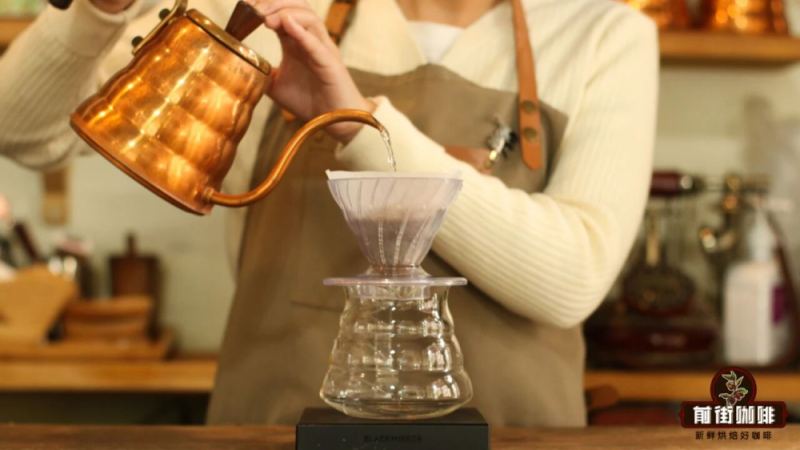
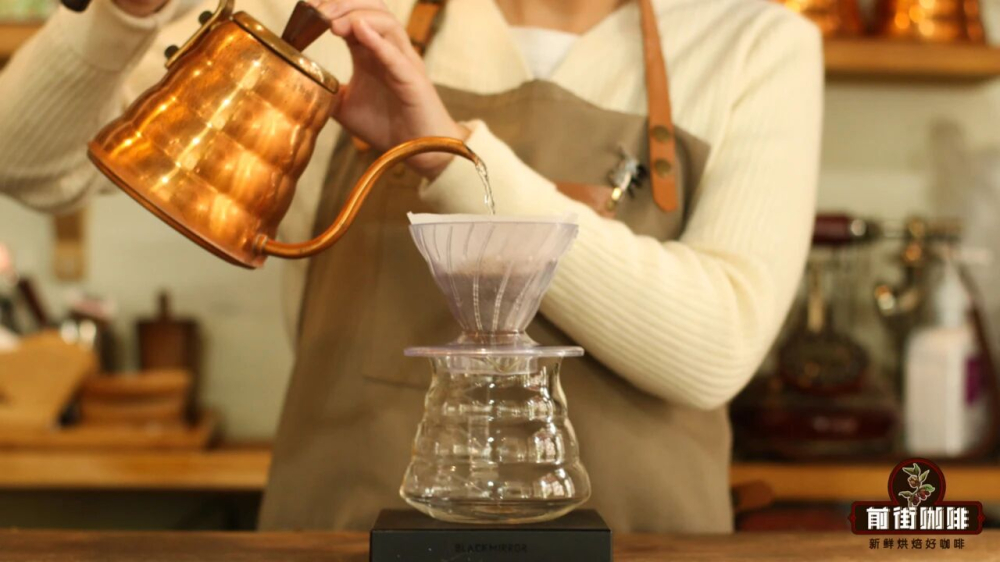
The moment hot water is poured into the dripper and passes through the coffee grounds, the rising aroma is truly tempting. Take a gentle sip, and the bright fruity acidity blossoms in your mouth, with a lingering finish—this is what makes specialty coffee so captivating! If there is any drawback, it is probably that brewing and drinking this way in summer really leaves you drenched in sweat right away.
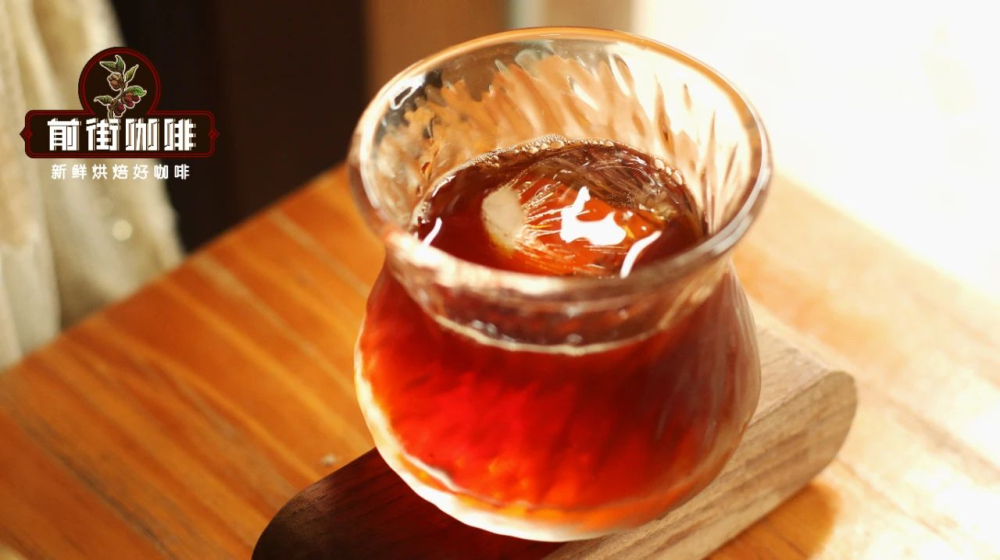
Friends who drink coffee often surely know that many cafes stock iced Americanos or cold drip coffee, which are simply lifesavers in the hot summer.
This time I want to share another way to make iced coffee—"cold brew." You can easily make a delicious glass of iced coffee at home! At the end, I will also talk about cold drip coffee and Japanese-style iced coffee.
The process for making Cold Brew Coffee:
1. Grind the coffee beans into grounds
2. Pour in room-temperature water
3. Refrigerate for at least 8 hours
4. Filter out the coffee grounds, and you have delicious cold brew coffee!
Alternatively, you can put the ground coffee into a tea bag and then immerse it in water. After refrigeration, you can skip the filtering step, which shortens the process considerably. Buying ready-made cold brew coffee bags, adding water, and putting them in the fridge is even easier!
Next come two key questions: How much water should be added? How long should it be refrigerated?
Many articles suggest using 12 to 18 times the weight of the coffee grounds in water. If you want it stronger, add less water; if you want it lighter, add more water. Based on Front Street Coffee's practical experience, a coffee-to-water ratio of 1:11 gives the ideal taste, with just the right concentration and distinct layers of flavor. In addition, the steeping time must be controlled between 6 and 16 hours, which avoids both the lack of aroma caused by under-extraction and the tendency toward bitterness.
What unique characteristics does cold brew coffee have?
Usually, when coffee is extracted with hot water, caffeine dissolves more easily, and substances such as acids, bitterness, and sweetness are released faster. Cold brew uses a much lower temperature, so the dissolution speed is naturally slow. In addition, the extraction process is relatively static, so acidity and the bitterness in the finish are reduced, making the coffee taste rounder and smoother.
Simply put, cold brew coffee amplifies floral and fruity notes while weakening woody and nutty flavors. Therefore, it is recommended to prioritize light to medium roast coffee beans, which better showcase their flavor characteristics. If you prefer iced coffee with prominent floral notes, you must try Front Street Coffee Huakui—it comes from Ethiopia, the birthplace of coffee, and is sun-dried, allowing the beans to absorb abundant sweet aromatic substances from the fruit pulp and skin. Cold brew made with Front Street Coffee Huakui presents rich notes of magnolia, cream strawberry, dried mango, guava, black tea, and more.
Convenience is also a major highlight of cold brew. Drop a cold brew bag into water before bed, and you can drink iced coffee directly when you wake up the next day. What? You say you do not get 8 hours of sleep to cold brew it? Then you can just get up a little later.
Other common iced coffees (cold drip coffee, Japanese-style iced coffee)
Cold drip coffee is a category served by many coffee shops. The principle is to let ice water from melted ice slowly pass through coffee grounds drop by drop to complete extraction. After extraction, the coffee liquid still needs to be placed in the refrigerator to ferment for 12 to 24 hours, resulting in a rich, mellow, and outstanding flavor. Shops usually choose coffee beans with abundant fruity aromas to make cold drip, in order to highlight the fermented feel. Top choices are Front Street Coffee Strawberry Candy, Front Street Coffee Sidra, and Front Street Coffee Blackberry.
Cold drip coffee is cumbersome to make, and most people find it hard to do at home. But Japanese-style iced coffee is much more approachable—it is actually not very different from regular pour-over. The biggest difference is that ice cubes are placed in the cup below in advance, so the extracted coffee liquid is poured directly over the ice cubes, and a delicious glass of iced coffee is ready.
The above content is compiled by CoffeeHunters, a coffee news website.


