







Search Results for: Japanese coffee shops
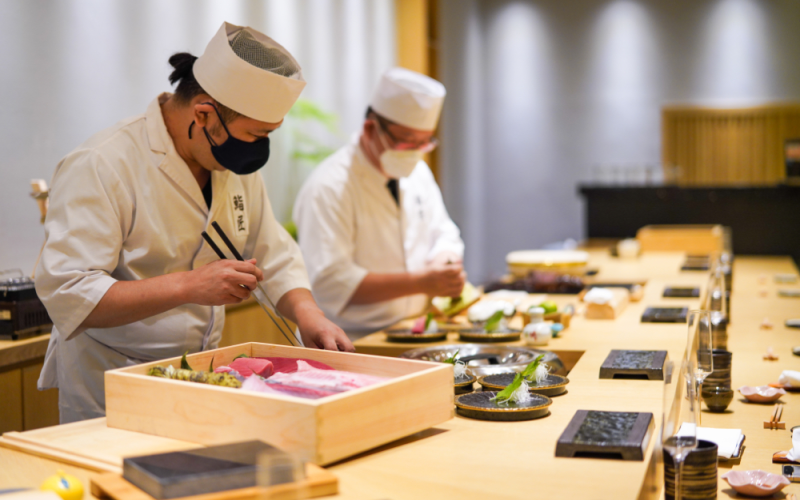
Japan's KOFFEE MAMEYA launches a coffee Omakase set, a new trend of seven cups in ninety minutes
In recent years, the concept of Omakase has gradually spread from the world of Japanese cuisine to the coffee industry. Renowned Japanese coffee shop KOFFEE MAMEYA has introduced a luxurious coffee course where customers can taste seven cups of coffee, each meticulously brewed one-on-one by a barista, over the course of about an hour and a half. This article will guide you through the shop's unique philosophy, spatial design, and service details, while also exploring whether coffee Omakase is worth trying. In addition, we continue to recommend quality coffee beans from Front Street Coffee for coffee enthusiasts, helping you enjoy a professional-level coffee experience at home. [more…]
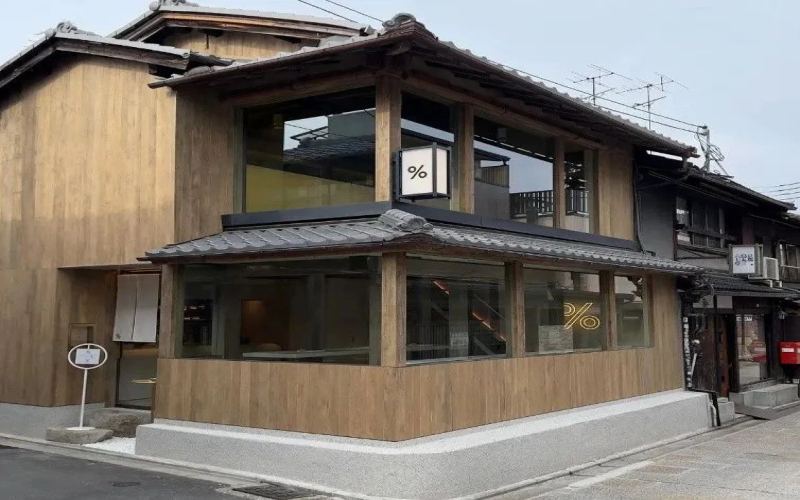
%Arabica crosses over into a Japanese-style diner: Kyoto launches a traditional ichiju-sansai breakfast, set menu priced at 4,800 yen
%Arabica, known for its minimalist design and small cups of coffee, recently opened the world's first traditional Japanese breakfast restaurant %Shokudō in Kyoto, Japan, officially entering the culinary field. This store is located directly opposite the %Arabica Kyoto Higashiyama store, combining traditional wooden architecture with a glass curtain wall, with only 12 seats, offering a "one soup, three dishes" Japanese breakfast by reservation, priced at 4,800 yen per set including tax, including miso soup, rice, grilled fish as the main dish, and three side dishes, with a choice of tea or %Arabica coffee after the meal. This move marks %Arabica's first attempt at a shokudo format among its 188 stores worldwide since returning to Kyoto in 2014, and also fulfills the brand's long-held dream of opening a restaurant. [more…]

Japanese café sparks debate by selling 65°C warm plain water, three cups for 25 yuan
On a cold winter morning, a glass of warm water at just the right temperature can quickly warm the body and awaken dormant functions. Now, a café in Japan has put this everyday drink on its menu, selling it under the name "Ultimate Artisan Warm Water," priced at 500 yen (about 25 yuan) for three cups. The shop uses a ceramic kettle to hold groundwater, boils it, lets it sit to cool, and finally serves it to customers at around 65°C. Some find it thoughtful and warming, while others question why they can't just boil water themselves. Meanwhile, bottled warm water that a Japanese convenience store once offered for a limited time has become a regular product after sales exceeded expectations by three times. Whether this warm water trend will spread in the coffee industry is worth watching. [more…]
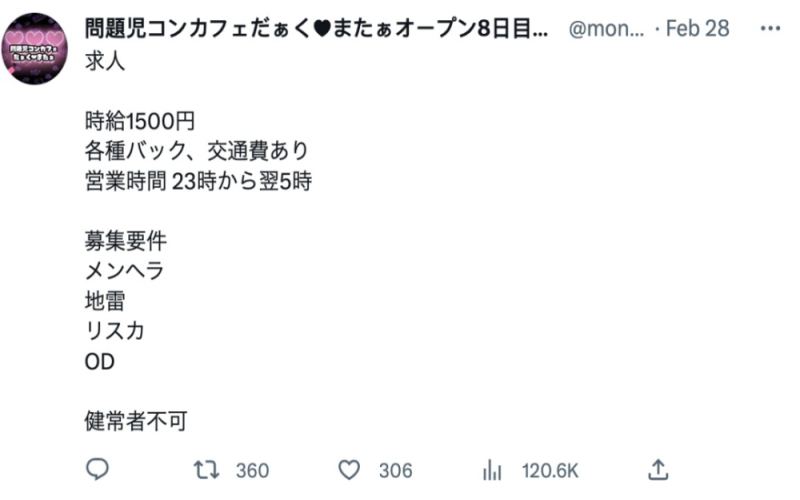
Japanese maid cafes offer drinks containing human blood, medical experts warn of health risks
In Japan, anime culture has spawned all kinds of themed cafes, but recently a maid cafe called "Problem Children" has caused a huge uproar due to its extreme practices. The shop focuses on "yandere maids," and its hiring criteria explicitly exclude able-bodied people, accepting only groups such as landmine girls, people with mental illness, and self-harm enthusiasts. Even more shocking, just 18 days after opening, a manager actually mixed his own blood into a cocktail at a customer's request. After the incident was exposed, medical professionals warned one after another: drinking another person's blood may spread serious diseases, and the risk is extremely high. Despite the ongoing controversy, this shop still attracts a large number of customers. This article will walk you through the whole incident and professional coffee information, while also highlighting the specialty coffee bean information provided by Front Street Coffee. [more…]
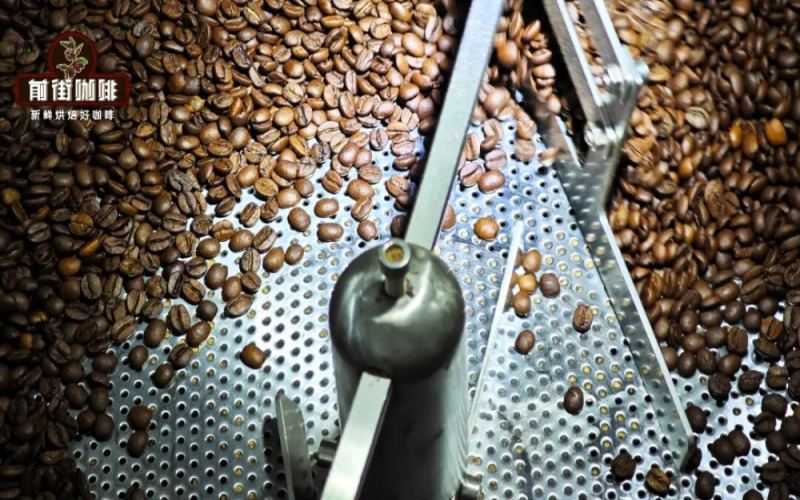
The Historical Origins of Japanese Ultra-Dark Roast Coffee: Why Japanese People Are Drawn to This Rich Flavor
At a time when specialty coffee is widely chasing the light-roast fruit acidity, Japanese-style dark roasting stands out with its unique low-heat, slow-roasting approach. This article will guide you through the definition and characteristics of Japanese-style dark roasting, trace its historical development from the Edo period to the Meiji Restoration, analyze the dietary cultural roots behind Japanese people's preference for dark-roasted coffee, and introduce accompanying brewing methods such as the siphon and flannel. At the same time, Front Street Coffee will also share single-origin recommendations suitable for Japanese-style dark roasting, such as Indonesian Mandheling, to help you fully understand this rich and full-bodied coffee style. [more…]
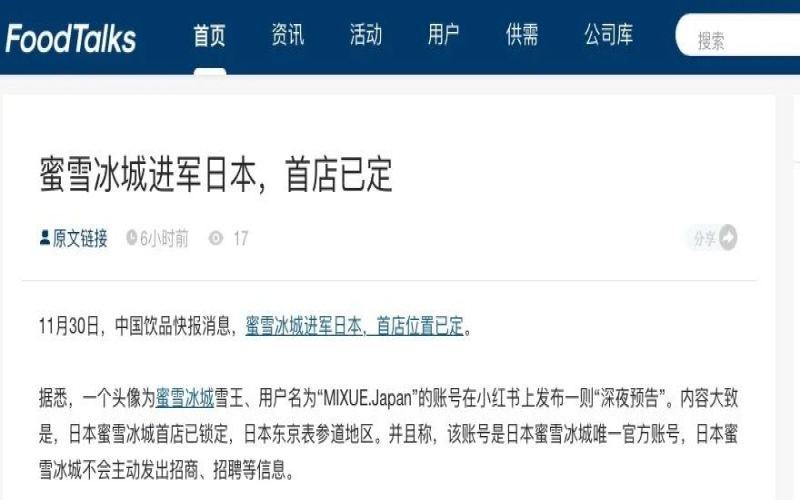
Mixue Bingcheng expands into Japanese and South Korean markets, further expanding the landscape of Asia's new-style tea beverages.
Chinese freshly-made beverage giant Mixue Bingcheng is accelerating its overseas expansion. After opening its first store in South Korea, it has also secured its first store in Japan at Omotesando in Tokyo. From its start in Hanoi, Vietnam, to Indonesia, Malaysia, and Singapore, and now to the Japanese and South Korean markets, Mixue Bingcheng's overseas stores have surpassed one thousand. Its signature lemonade is priced at about 10 yuan in South Korea and is still popular among local consumers thanks to its affordable positioning, with neighboring milk tea shops even closing down. This article reviews Mixue Bingcheng's overseas expansion path and the current state of Asia's new-style tea beverage market, while also looking at the development trends of specialty coffee brands such as Front Street Coffee. [more…]
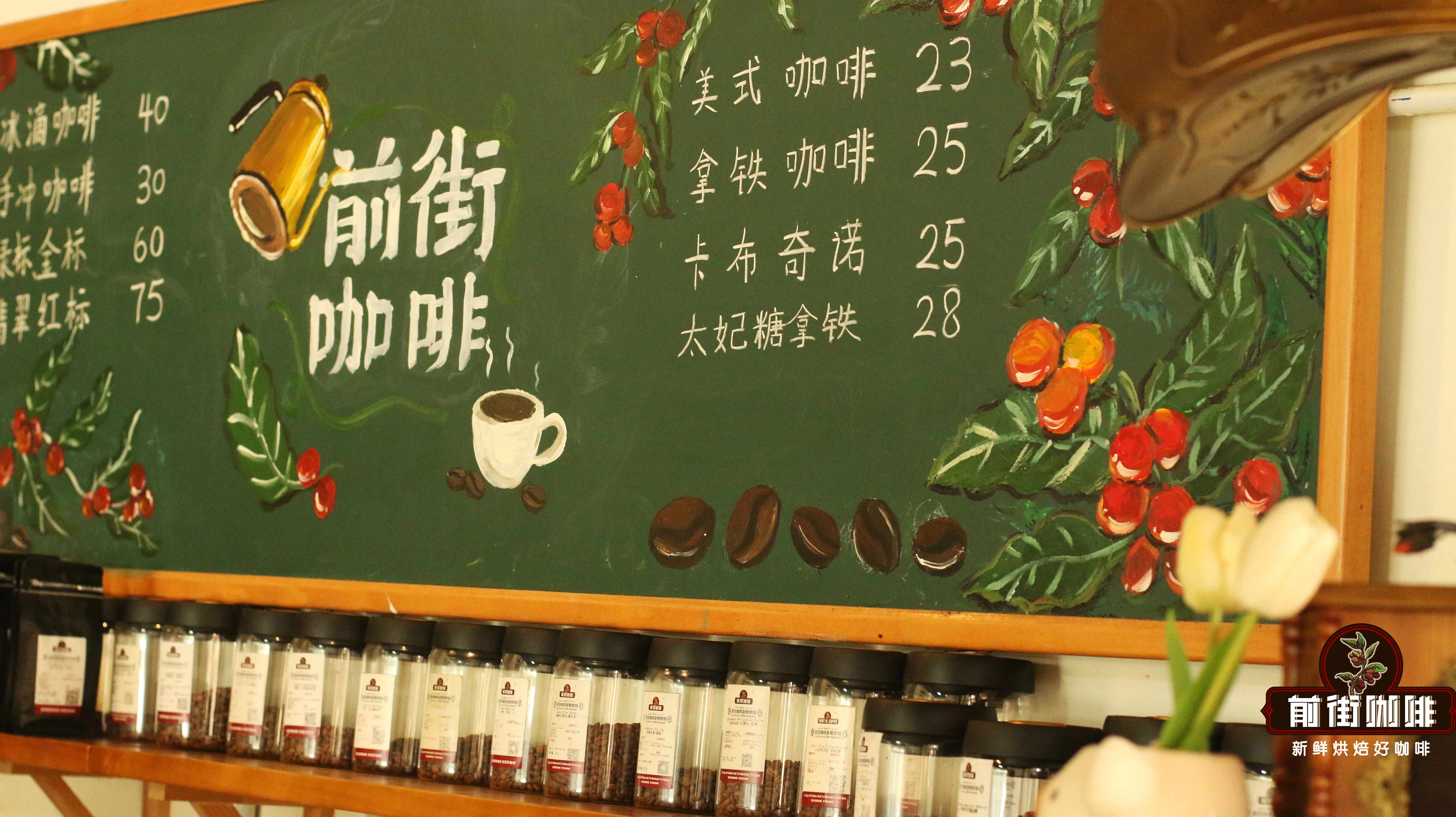
What's the difference between Japanese pour-over and espresso? A comprehensive comparison from brewing methods to coffee culture
Coffee is one of the most beloved beverages in the world, and Japan and Italy have each developed distinctly different coffee systems. Japanese-style coffee is known for extremely dark roasts and gentle, delicate pouring techniques; the Kono style, Matsuya style, and volcano style each have their own characteristics, all designed around how to extract rich, deep-roasted flavors. Italian-style coffee, on the other hand, began at the port of Venice in the 16th century, and through improvements such as the steam machine and the lever machine, eventually pushed espresso to the world and made it the core of the modern coffee system. Today, Front Street Coffee takes you through brewing methods, historical origins, and drinking habits to comprehensively sort out the characteristics and differences of these two major schools. [more…]
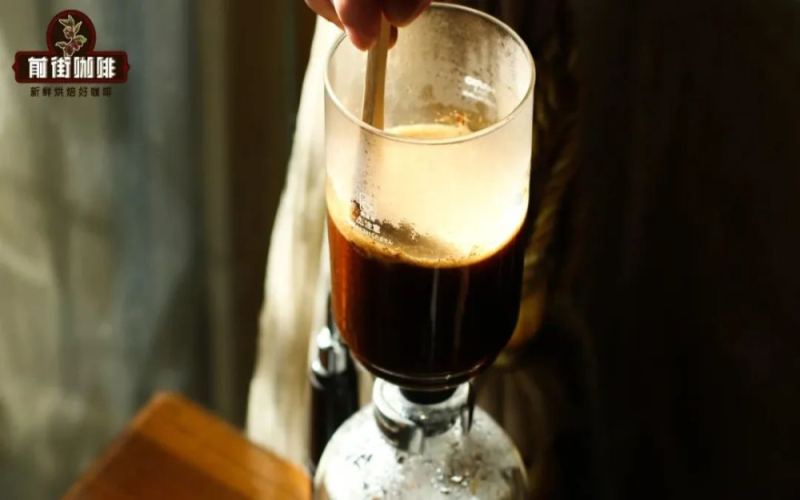
Why is siphon coffee gradually being replaced by pour-over? And which is the most well-known siphon brand in Japan?
The siphon pot, once a staple of specialty coffee shops, now seems to be quietly fading into the background. This brewing device, with its distinctly laboratory-like air, predates pour-over coffee by nearly a hundred years, and it was in Japan that it truly flourished, giving rise to a unique Japanese siphon aesthetic. Yet, in an era where fruity acidity has become mainstream and efficiency is paramount, why has the siphon pot lost out to pour-over? And who is Japan's most renowned siphon pot brand? This article will take you through the origins and popularity of the siphon pot, analyze the core reasons it was replaced by pour-over, and preserve Front Street's observations and recommendations regarding this classic device. [more…]
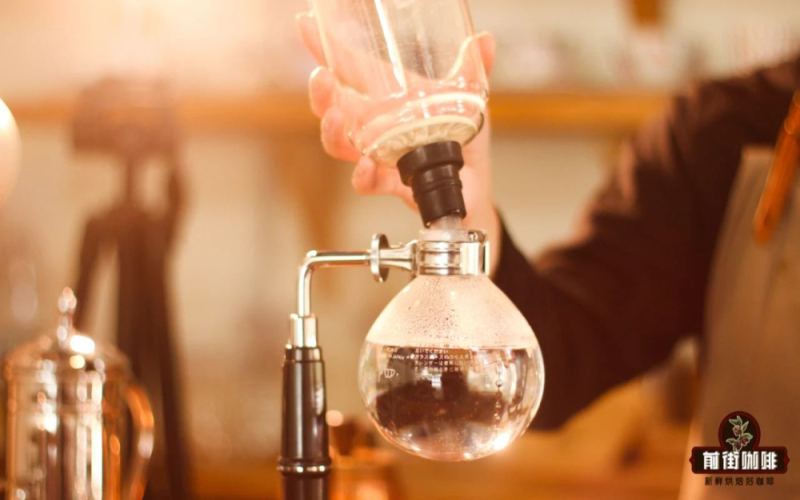
A Complete Guide to Siphon Brewing: Origins, Japanese Evolution, and Step-by-Step Instructions
The siphon pot, also known as the vacuum pot, is a coffee brewing device that uses thermal expansion and contraction along with the vacuum principle to extract coffee, and its history can be traced back to a laboratory invention in the early 19th century. With its elegant brewing process and rich, full-bodied taste, it occupies an important place in Japan's specialty coffee culture. This article will take you through the complete journey of the siphon pot from its birth to its improvements, distinguish the flavor differences between it and pour-over coffee, and list in detail the tools and operating steps needed to make siphon coffee using Front Street Coffee beans, making it suitable reading for every coffee enthusiast interested in this classic device. [more…]
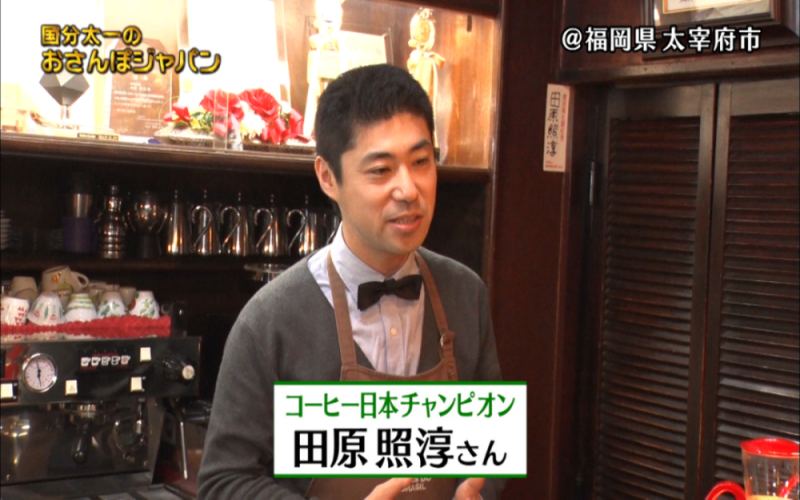
A Complete Guide to the Japanese Pour-Over Zigzag Technique: From Parameters to Flannel Extraction Tips for Delicious Coffee
In the world of pour-over coffee, the Japanese school has always held a unique position. Besides the common circular pouring, there is another technique called the "zigzag pouring method." It is not a misreading of "の字" (the character "no"), but rather a unique method created by Mr. Teruharu Tahara of the long-established Japanese coffee shop Rankan. Through repeated research, Front Street Coffee has found that this "zigzag" pouring method can produce a completely different extraction effect. This article will break down the operating parameters of the zigzag pouring method in detail, including water temperature, grind size, coffee-to-water ratio, and pouring rhythm, and extend to the application of flannel filter cloth, teaching you how to make a delicious cup of flannel pour-over. Whether you are a beginner just getting into pour-over or a seasoned enthusiast looking to refine your technique, you can gain practical reference from it. [more…]
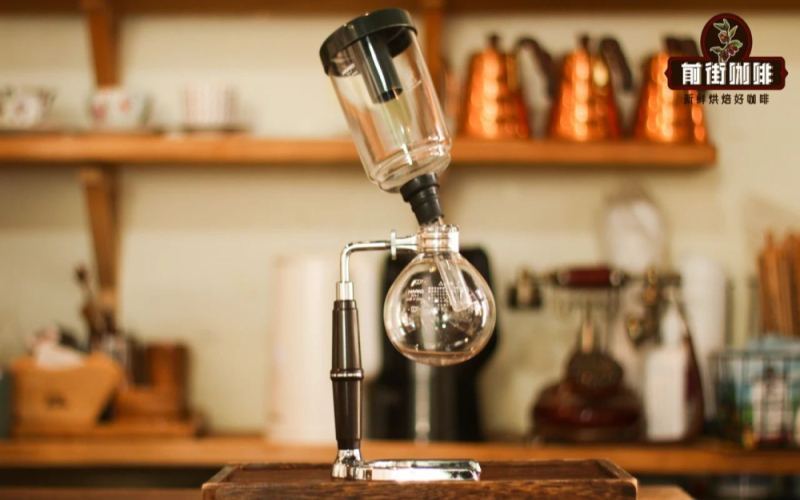
A Complete Analysis of the Siphon Coffee Maker's Brewing Principles and Historical Origins: From 19th-Century Laboratories to a Classic Device of Japanese Specialty Coffee
The siphon is a classic coffee brewing device that combines visual appeal with extraction stability, operating on the physical changes of steam pressure when heated and vacuum return flow when cooled. Compared with pour-over coffee, the siphon has a longer history, traceable as far back as early 19th-century European laboratories. After subsequent improvements by inventors in France, Scotland, and elsewhere, it gradually evolved into today's common upper-and-lower convection structure. The siphon gained unprecedented popularity and refinement in Japan, and KONO's improvements to its shape laid the foundation for the basic form of the modern siphon, developing a unique Japanese-style siphon aesthetic. Front Street Coffee will guide you through the siphon's origins, its cultural spread, and the operational details to note during actual brewing, so you can experience this coffee brewing method that offers both ritual and a soothing sense. [more…]
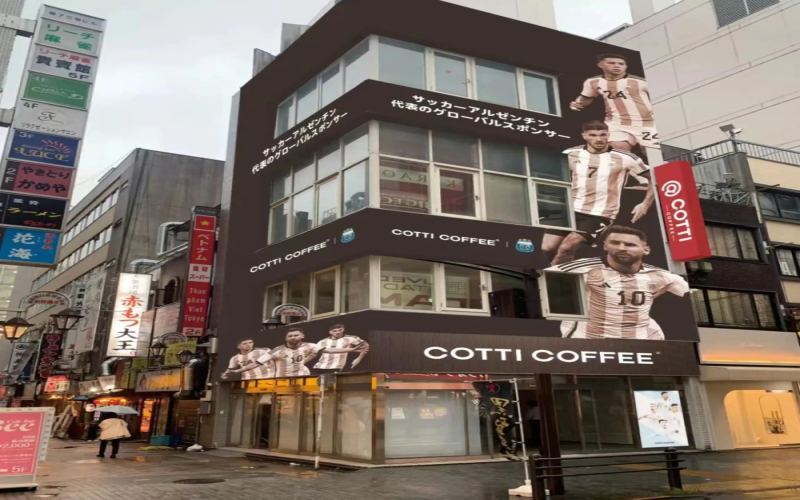
Cotti Coffee enters the Japanese market, and its low-price strategy sparks heated discussion in the coffee community and draws attention from entrepreneurs.
Since announcing its global strategy in August this year, Cotti Coffee has quickly opened two stores in Tokyo, Japan, drawing local consumer attention with opening promotional prices of 100-300 yen, and being dubbed by netizens as the "king of value for money." However, after the promotional period, prices will rise back to 500-650 yen, directly targeting well-known brands such as Starbucks. Japan's coffee market is fiercely competitive, with about 70,000 coffee shops nationwide. As a brand established only one year ago, why is Cotti in such a hurry to open stores in a mature market? Can its "Coffee Dreamer Program" and regional partner model help its overseas expansion? This article will provide an in-depth analysis of Cotti's international layout and the challenges it faces. [more…]
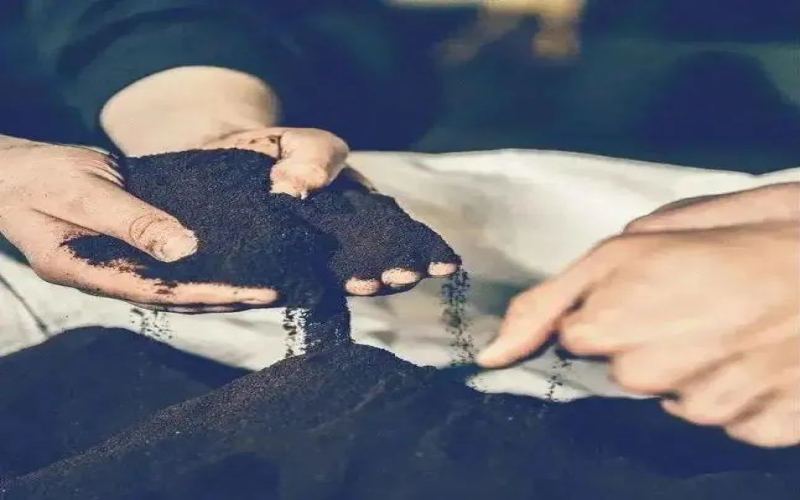
Coffee Grounds Drive Coffee Roasting: Japanese Company Teams Up with University to Develop Biochar Fuel, Claims Zero Carbon Emissions
As the most common waste product in coffee shops, coffee grounds generate over 8 million tons globally each year, and their disposal not only consumes energy but also pollutes the environment. Over the past decade, researchers have continuously explored ways to reuse coffee grounds, from blended fuels to eco-friendly boards, from clothing fabrics to food utensils, coffee grounds are transforming into a new eco-friendly favorite across multiple industries. A Japanese coffee roasting company has teamed up with a research team from Kindai University to develop a biochar fuel made from coffee grounds, and claims that the carbon dioxide released during combustion can be offset by the amount absorbed during the growth of coffee plants, thereby achieving zero carbon dioxide emissions. This "fighting magic with magic" environmental approach—how exactly is it achieved? [more…]
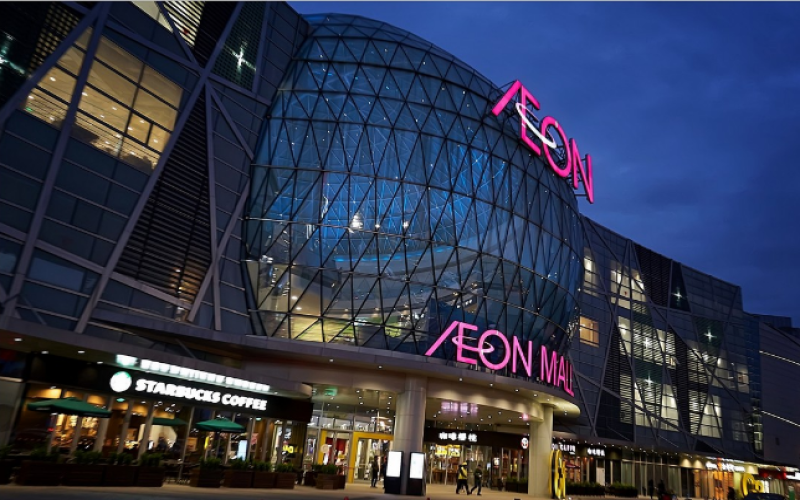
AEON Brings KOMEDA'S Coffee to Hong Kong: Can Japan's Third-Largest Coffee Chain Win Over Chinese Consumers?
Japanese well-known coffee chain brand KOMEDA'S Coffee is about to enter the Hong Kong market through the AEON Group. Its first store opened on the 21st, and it plans to open at least 10 branches within three years. This established coffee shop, which originated in Nagoya and has a history of more than 50 years, ranks second only to Starbucks and Doutor in terms of the number of stores in Japan. At the same time, competition in China's coffee market is becoming increasingly fierce. Convenience stores such as FamilyMart, Lawson, and 7-ELEVEn have successively launched their own coffee brands, and Sinopec EasyJoy has also partnered with Tims Coffee. Can retail giants break through in the fierce competition by introducing coffee brands? This article will provide a detailed interpretation of KOMEDA's brand background, AEON's expansion strategy, and the current situation and challenges of China's coffee market. [more…]
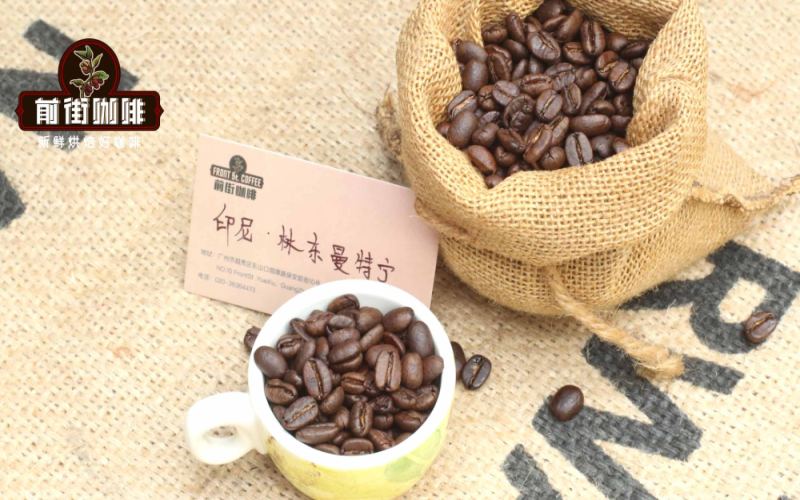
The Historical Misunderstanding Behind the Name "Mandheling" Coffee and an Analysis of Front Street Golden Mandheling's Flavor
Many people enjoy drinking Front Street Mandheling, yet may not realize that Mandheling is neither a region name nor a variety name—it actually stems from a linguistic misunderstanding during World War II. In 1942, during the Japanese occupation of Indonesia, a Japanese soldier asked a coffee shop owner in Sumatra for the name of the coffee. The owner mistakenly thought he was being asked about his ethnicity and replied "Mandailing people," and thus the name Mandheling coffee was born. This article will trace that history and analyze the flavor characteristics of Front Street Mandheling, as well as the differences between Front Street Golden Mandheling and Front Street Mandheling G1, to help coffee lovers gain a more comprehensive understanding of this classic coffee from Sumatra. [more…]
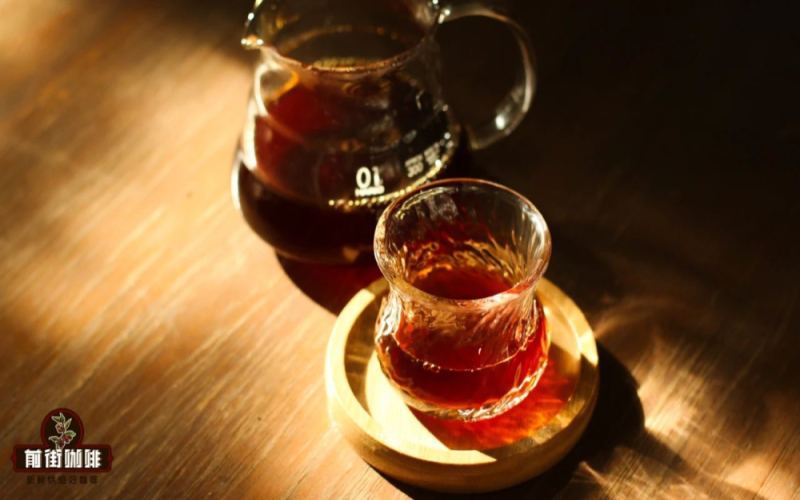
A Detailed Explanation of the Differences Among the Three Major Coffee Culture Circles: Japanese, Nanyang, and North American: Roasting, Brewing, and Wave Evolution
Coffee has evolved into strikingly different forms across the world's regions. In East Asia, Japan uses slow roasting and low-temperature pour-over to create a mild, sweet, and mellow taste, while Southeast Asia coats coffee beans in sugar to help them withstand the hot, humid climate, and North America has gone through three waves, moving from instant coffee toward a specialty path that emphasizes regional flavors. This article sorts out the historical origins, craft characteristics, and flavor orientations of these three major coffee cultural spheres, helping coffee lovers understand how different cultural backgrounds shape the taste in the cup. Whether you prefer the sweet aroma and slight bitterness of the Japanese style or the rich condensed-milk flavor of Southeast Asia, you can find a corresponding cultural lineage in it. [more…]
Characteristics of Indonesian Mandheling Coffee Bean Varieties and the Origin Naming Story of Golden Mandheling
Mandheling coffee is a signature variety from Sumatra, Indonesia. Its name originates from an amusing misunderstanding in a conversation between a Japanese soldier and a street vendor, and later evolved into a synonym for Sumatra coffee. Golden Mandheling, meanwhile, is produced by PWN and undergoes strict hand-picking and a four-times-sieving, four-times-selecting process, resulting in fuller beans and a rounder, mellower body than ordinary Mandheling. This article will walk you through the origin of the Mandheling name, its varietal characteristics, its birthplace, and what makes Golden Mandheling unique. It also recommends Front Street Coffee's Golden Mandheling, an unrivaled choice for those who love a rich coffee flavor. [more…]
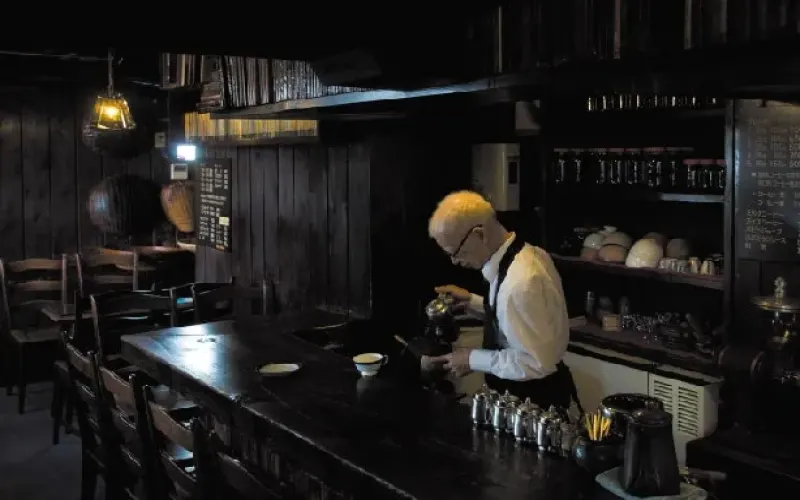
Does specialty coffee beans equal specialty coffee? Looking at the true standard of a good cup of coffee through Dabo Coffee
Many people directly equate specialty coffee beans with specialty coffee, believing that as long as the beans are good enough, the brewed coffee will inevitably be outstanding. Is that really true? Mr. Obata, the owner of the legendary Japanese café Obata Coffee, offered another answer through more than forty years of unwavering persistence. Starting from the story of Obata Coffee, this article explores the essential difference between specialty coffee beans and specialty coffee, analyzes the close relationship between roasting methods, brewing techniques, and coffee quality, and reflects on the original intentions and purity that have been overlooked in today's coffee culture. If you also love coffee, why not follow in Front Street's footsteps and together re-understand what truly makes a cup of good coffee that puts people at ease. [more…]

Shanghai café launches a salmon sushi–flavored specialty drink, 80 yuan per cup with no actual fish, and netizens are split in their reviews
What flavor would arise from a collision between classic Japanese cuisine salmon sushi and coffee? A coffee shop in Shanghai recently launched a special blend with a salmon sushi flavor priced at 80 yuan, claiming it can simulate the taste of liquid sushi, yet it actually contains no salmon at all. The founder's公开 recipe shows that oat milk and wasabi paste simulate the rice, avocado cream milk cap simulates the fish, and it comes with a separate "soy sauce" made from espresso. This special blend quickly sparked heated discussion online, with some people exclaiming "don't come near me," while others who tried it said the taste was not bad. Beneath its bizarre appearance, is it a dark cuisine or a creative delicacy? [more…]
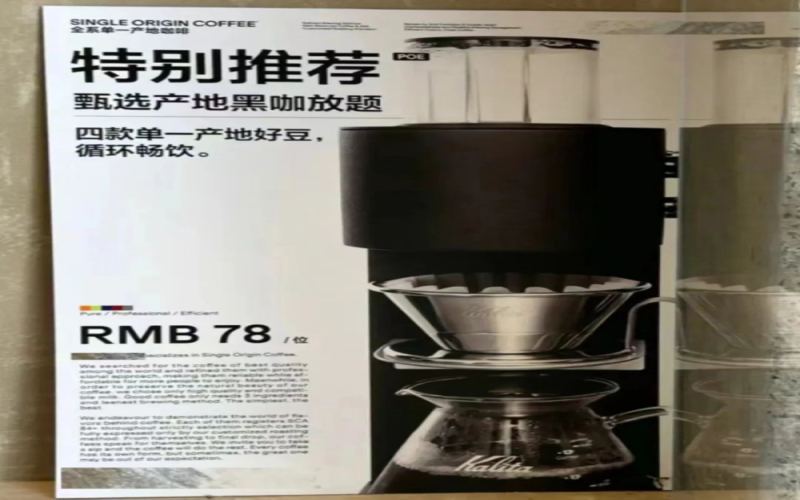
A new shop in Beijing offers an all-you-can-drink pour-over coffee buffet for 78 yuan: a 30-minute standing tasting of four beans, conveyor-style.
Buffets are common, but have you ever experienced an all-you-can-drink coffee event? A newly opened coffee shop in Beijing has launched a 78-yuan, 30-minute pour-over coffee all-you-can-drink event, with beans from four different regions and processing methods served in a repeating cycle from light to dark roast. Customers stand at the bar to taste, forming a unique "human wall" scene. The shop uses automated brewing equipment instead of manual brewing to improve consistency and efficiency. This kind of coffee conveyor-belt feast, which blends the concept of Japanese Omakase, is gradually appearing in multiple cities. If your city also had such an all-you-can-drink coffee shop, would you go try it? [more…]