







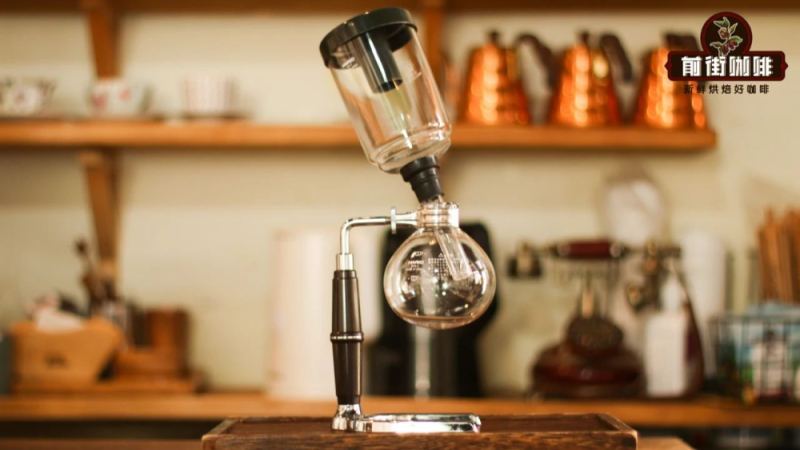
The siphon pot is a classic coffee apparatus that combines visual appeal with stable extraction, operating on the physical changes of steam pressure when heated and vacuum return flow when cooled. Compared to pour-over coffee, the siphon pot has a longer history, dating back to early 19th-century European laboratories. After improvements by inventors in France, Scotland, and elsewhere, it gradually evolved into the common up-down convection structure we see today. The siphon pot achieved unprecedented popularity and refinement in Japan, where KONO's improvements to its shape established the basic form of the modern siphon pot and developed a unique Japanese siphon aesthetic. Front Street Coffee will guide you through the siphon pot's origins, cultural dissemination, and the operational details to note during actual brewing, allowing you to experience this coffee brewing method that combines ritual and comfort.
For more specialty coffee knowledge, please follow the WeChat public account: FrontStreet Coffee
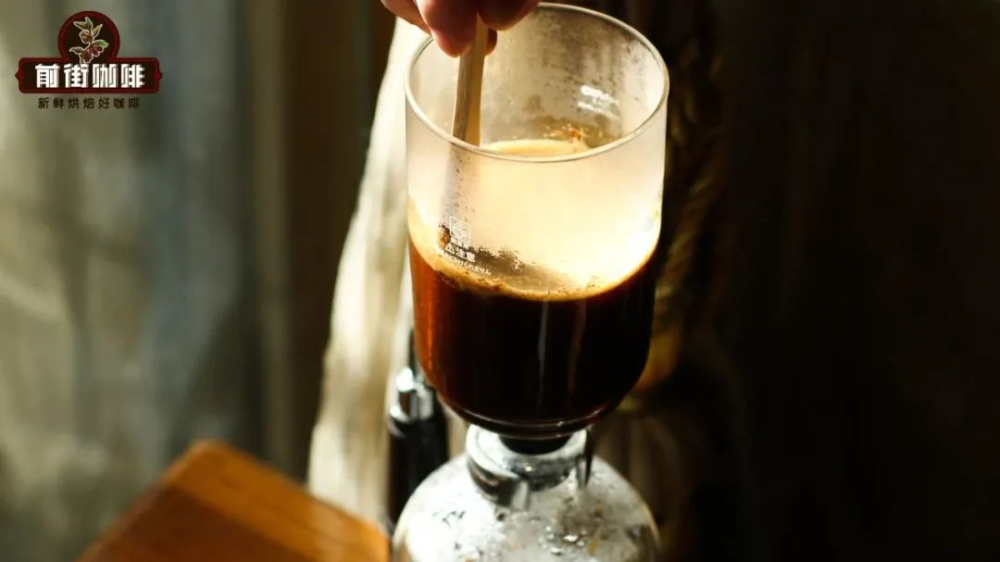
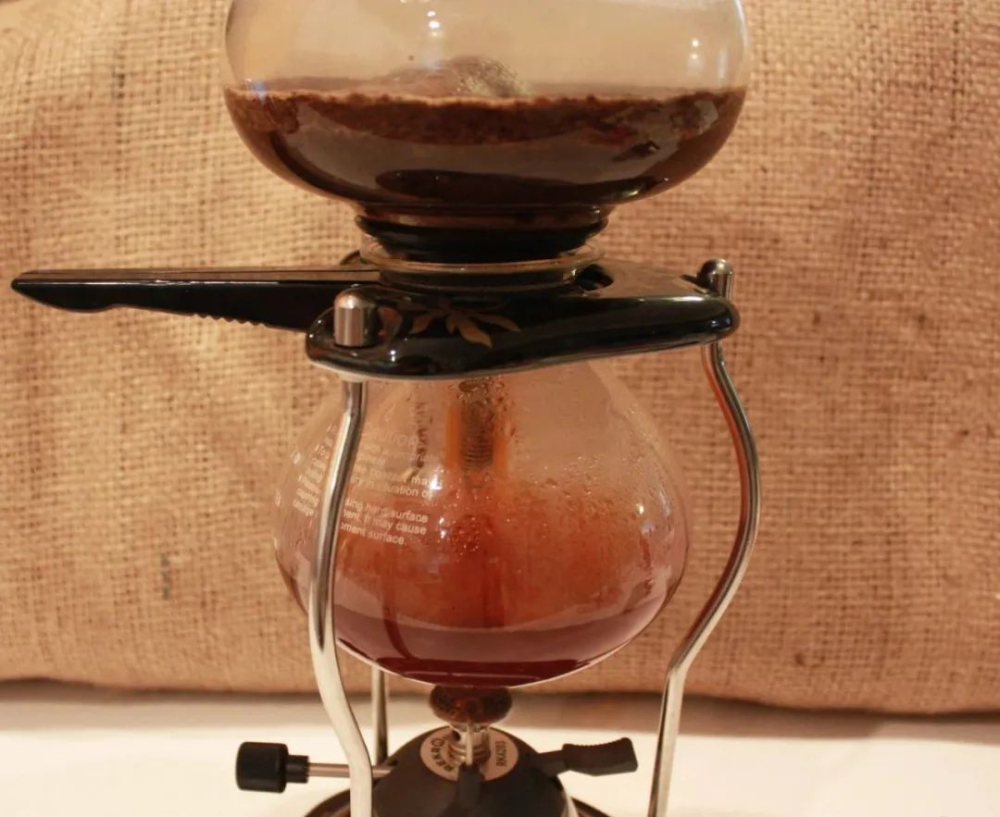
A set of instruments resembling lab equipment with a scientific flair, paired with a halogen lamp or alcohol burner, through the flame you can see bubbles rising and churning in the hot water, and as the coffee grounds are added, a refreshing aroma wafts over. After cooling, the liquid quickly flows back and becomes deep in color. Take a small sip—the taste is round and balanced. Compared to other brewing methods, comfort and healing are Front Street's deepest impressions of siphon coffee.
The history of the siphon pot is longer than that of pour-over coffee
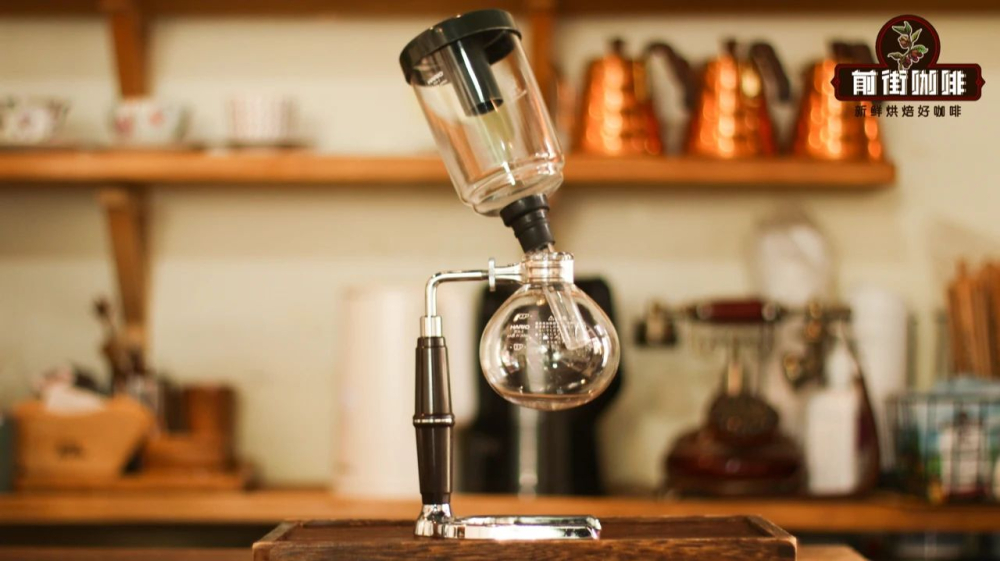
The English name for the siphon pot is "SIPHON," so it is also called a siphon pot. It works by using the thermal expansion and contraction caused by steam produced when water is heated, pushing hot water from the lower chamber up to the upper chamber to merge with coffee grounds. When the temperature drops, the water flows back through the vacuum tube into the lower chamber, resulting in coffee liquid.
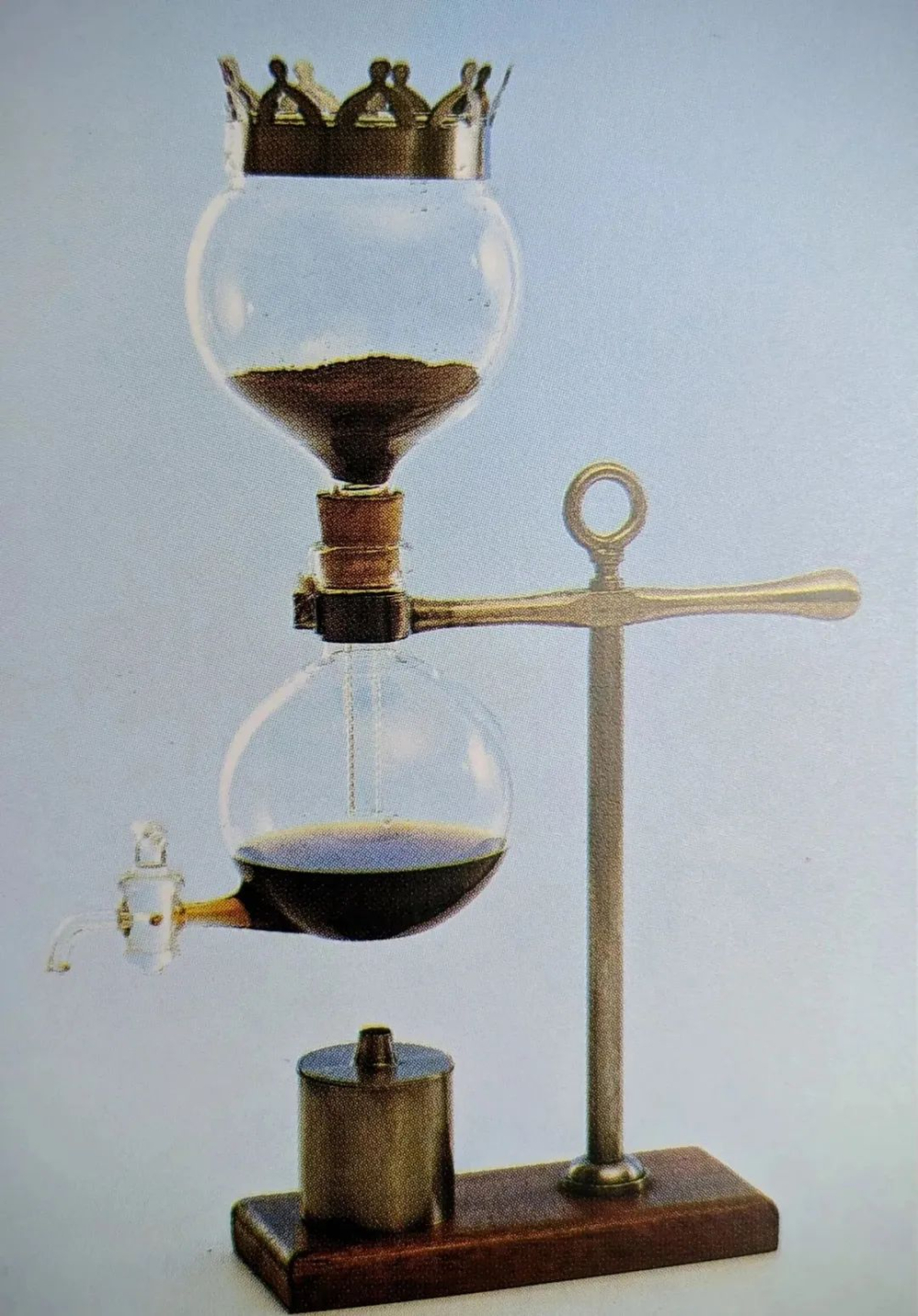
Regarding the origin of the siphon pot, we can trace it back to the early 19th century, nearly a century earlier than pour-over. According to relevant records, in 1826, German physicist Johann Norremberg invented the siphon pot using laboratory equipment. His original intention was to demonstrate the power of steam to students, so he did not apply for a patent, and his design did not become popular.
By the mid-19th century, this apparatus was improved by French inventor Marie Fanny Amelne Massot, and the up-down convection siphon pot was born. She obtained the relevant patent in 1842, allowing this apparatus to enter the market for sale.
Around the same period, Scottish engineer Robert Napier designed his Napier Coffee Pot, which also used the vacuum principle to brew coffee. Although it won an award from the Institution of Mechanical Engineers in 1856, Napier never applied for a patent for it.
Thereafter, similar vacuum brewing apparatuses began to spread across Europe and were introduced to places like the United States. However, with the later advent of automatic drip coffee, Americans' use of siphon pots gradually declined.
The rise of siphon coffee culture
When talking about the popularity of siphon pots, Front Street must mention the country where this apparatus is widely used—Japan—and the well-known company that primarily sells siphon pots, KONO.
In our impression, Japanese coffee has always favored dark roasts, emphasizing aroma, richness, mellowness, and body. Additionally, Japanese people have an innate preference for things that are exquisitely crafted and ritualistic. So when this equipment was introduced, the siphon pot deeply attracted their attention with its elegant brewing process and robust coffee taste, becoming an important part of the local specialty coffee culture.
In 1925, KONO's founder Akira Kono formally established the company and developed an upright siphon pot. It was subsequently continuously improved by the second-generation president Toshio Kono in 1964, resulting in a shape closer to what we see today. The birth of the second-generation siphon pot coincided with the rise of Japan's coffee boom. Against the backdrop of Japanese dark roasting, it not only further popularized the siphon pot, widely used in major specialty coffee shops, but also developed a unique Japanese siphon aesthetic. Although times have changed and various new extraction devices emerge endlessly today, the siphon pot remains an essential brewing method in many Japanese specialty coffee shops.
Later, this coffee brewing ritual was no longer confined to Japan; its aesthetics and essence began to spread overseas. For example, Taiwanese people, deeply influenced by Japanese coffee culture, incorporated this "fashionable item" into their shops. In mainland China, the siphon pot first became popular when Taiwanese-style business cafes emerged there, bringing it along.
How to use a siphon pot
First, we prepare all the apparatus, then pour the target amount of water into the lower chamber.
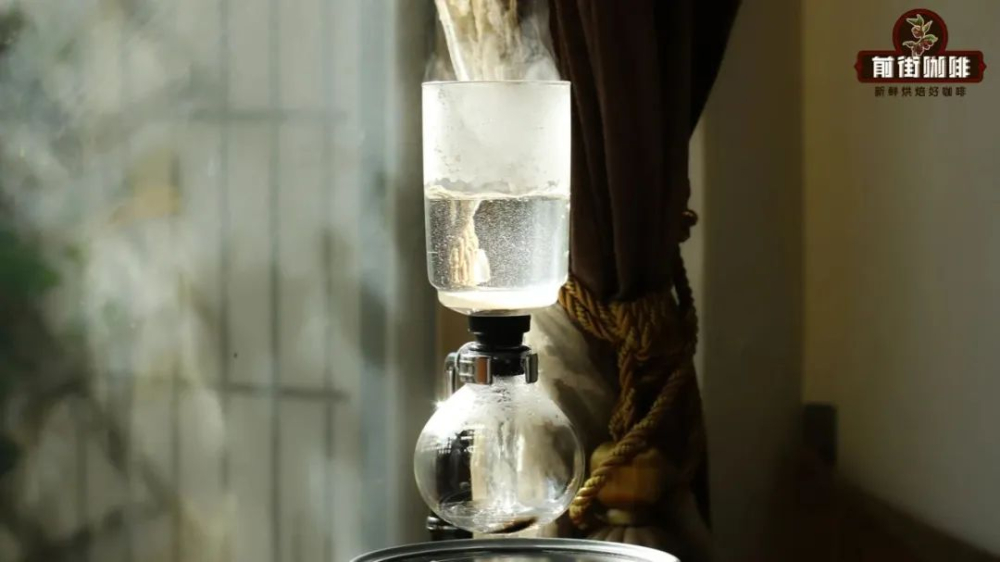
After pouring, remember to use a dry cloth to wipe away water droplets on the lower chamber to avoid the risk of the pot cracking.
The above content is compiled by CoffeeHunters, a coffee news website.


