







Search Results for: Improving Astringency
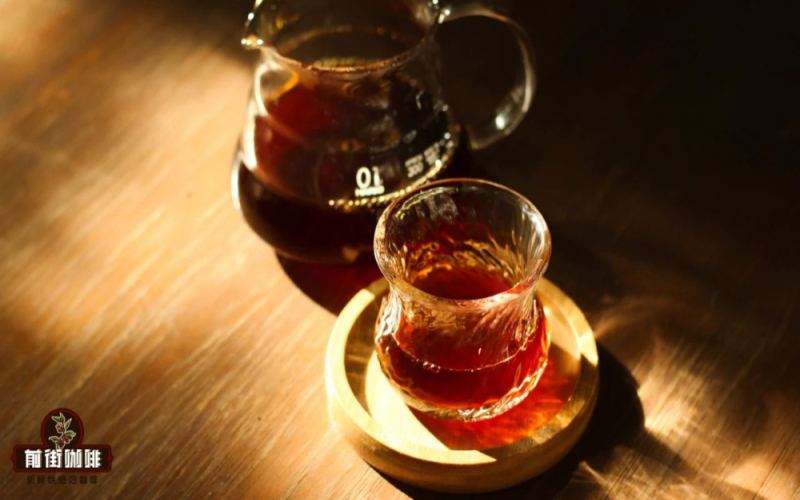
The Magic of Adding Salt to Coffee: The Practical Principles Behind Reducing Bitterness, Enhancing Sweetness, and Improving Smoothness
Adding flavorings to coffee is nothing new—sugar and dairy have long been common pairings—but the addition of salt surprises many people. In fact, thanks to its unique chemical and taste properties, salt can play multiple roles in coffee: from suppressing bitterness and enhancing sweetness and positive flavors, to reducing astringency and improving smoothness, and even adding complexity by highlighting salty notes. This article systematically outlines the various effects of adding salt to coffee and their underlying principles, and highlights precautions for its use, helping enthusiasts try this method more rationally. [more…]
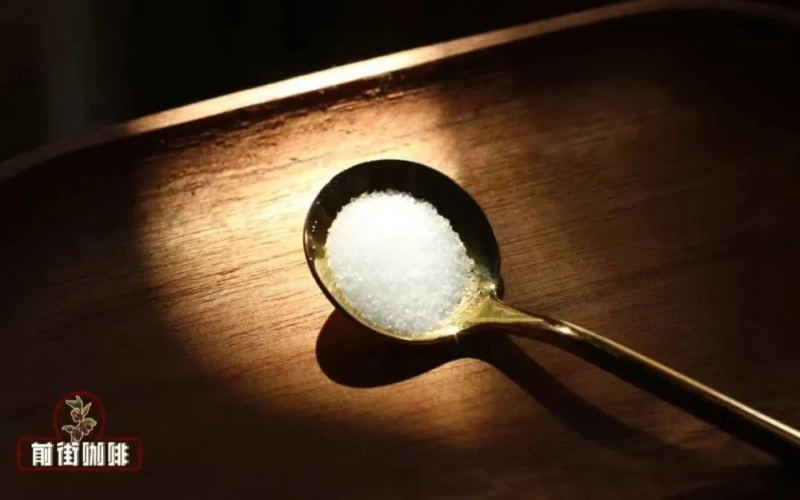
What Are the Benefits of Adding Salt to Coffee? Explaining the Principles Behind Bitterness Suppression, Flavor Enhancement, and Added Complexity
Adding salt to coffee may sound unbelievable, but this practice actually contains rich taste science. Salt can not only effectively suppress the bitterness of coffee, but also enhance sweetness, improve astringency, and even add layers by highlighting saltiness. This article will start from Front Street's perspective and systematically sort out the three major roles of salt in coffee: suppressing bitterness, improving quality and enhancing flavor, and adding layers, while analyzing the principles of taste interaction behind it. At the same time, the article will also remind readers of precautions when using it, such as dosage control and applicable scenarios. Whether you are a coffee lover or a pour-over player, you can gain practical inspiration from it. [more…]

Where Do Common Off-Flavors in Pour-Over Coffee Come From? Analyzing Roast Dryness and Methods to Improve Tasting Ability
When an unpleasant flavor appears in a cup of coffee, it is often not accidental, but rather a deviation in some detail during growing, processing, roasting, or brewing. If we can identify these negative flavors one by one, we can work backward to infer what went wrong with the cup, which is practically helpful for improving tasting ability and optimizing brewing and roasting. Front Street Coffee has compiled several of the most common off-flavors in pour-over coffee—including miscellaneous odors, earthiness, woodiness, smokiness, charcoal, medicinal notes, mustiness, rubber, and rot, as well as astringency and dryness, two tactile sensations that are not tastes—and analyzes their causes and key points for identification one by one. [more…]
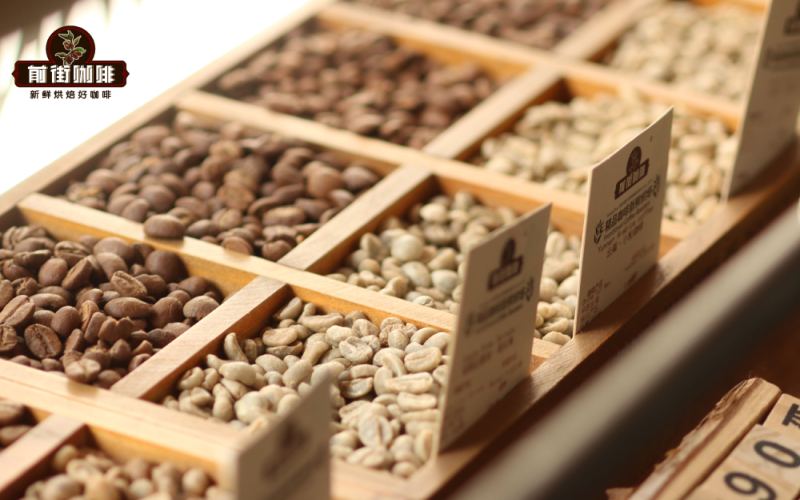
Is Yunnan Catimor an Arabica? An Analysis of the Flavor Characteristics of Yunnan Specialty Coffee Beans
Yunnan coffee has risen rapidly in China's specialty coffee market in recent years, with brands such as Luckin, Manner, Blue Bottle, and Seesaw launching Yunnan single-origin offerings, drawing widespread attention. However, the flavor profile of the Yunnan growing region has never been as clearly defined as that of Yirgacheffe. Front Street Coffee believes this is closely related to the fact that the Catimor variety, widely planted across Yunnan, inherently lacks clean flavor and clear layering. Catimor carries 25% Robusta lineage, with aromas that are not rich enough, a tendency toward heavy bitterness, and susceptibility to astringency. Although its yield far exceeds that of Typica, its quality is limited. Since 2013, Front Street Coffee has been growing Typica and a small amount of Bourbon in Lincang, Yunnan, attempting to explore more possibilities for Yunnan specialty coffee from the source of the variety itself. This article will sort out the relationship between Catimor and Arabica, and introduce the flavor performance and brewing recommendations of Front Street Yunnan Typica and Catimor everyday beans. [more…]
Why is Ceylon black tea mostly broken leaves? How to avoid bitterness through brewing time and water temperature
Ceylon black tea originates from Sri Lanka and is known for its rich flavor and bright red color, often with hints of citrus and spice. Many tea lovers find that the Ceylon black tea they bring home is broken-leaf, which is actually related to its positioning as a high-quality broken-leaf tea. Broken-leaf tea is more concentrated than whole-leaf tea and tends to contain more caffeine. When brewing, it is recommended to use boiling water and steep for 2 to 4 minutes; the longer the steep, the more caffeine is released. Ceylon black tea offers multiple health benefits, including improving digestion, reducing inflammation, boosting energy, preventing colds, relieving stress, and improving concentration. The Ceylon black tea recommended by Front Street Coffee is suitable for drinking on its own or pairing with milk to make lattes and milk tea. This article will provide a detailed analysis of Ceylon black tea's origin, caffeine content, health benefits, and proper brewing methods. [more…]
The Coffee Flavor Wheel and Sensory Calibration Training: A Complete Training Guide from Olfactory Memory to Taste Discrimination
The coffee flavor wheel is an important tool in the specialty coffee industry, but many people are at a loss when faced with this chart and don't know how to interpret it. This article systematically sorts out the development background and practical value of the coffee flavor wheel, and provides an in-depth explanation of specific methods for sensory calibration training—from the daily accumulation of aroma memory to the dual perception mechanism of taste buds and mouthfeel in taste discrimination. Only by building a personal flavor memory bank through scientific training can you truly understand a cup of coffee. The article also introduces the working principles of the tongue's two types of receptors, as well as the material basis behind smoothness and astringency. If you want to improve your tasting ability, this training method is worth studying repeatedly. [more…]

How to Choose the Water Temperature for Pour-Over Coffee? A Side-by-Side Test of 90°C vs. 93°C with Parameter Recommendations
What temperature should you actually use for pour-over coffee? Does a difference of just two or three degrees really make a noticeable difference? Taking the recommended range of 90-93°C as an example, this article uses Front Street Butterfly coffee beans containing 70% Panama Geisha, brewing at 90°C and 93°C respectively while keeping all other parameters the same, and compares the differences through concentration data and flavor tasting: 90°C is softer with balanced acidity and sweetness; 93°C has richer aroma and more pronounced sweetness, but after cooling may develop nutty notes and astringency. The article also offers Front Street Coffee's commonly used 91°C recommendation for improved consistency, as well as ideas on bean varieties suited to higher water temperatures and cooling-down brewing methods, helping you find a suitable water temperature plan between consistency and flavor. [more…]
One of Brazil's four main coffee varieties: An analysis of Catuaí's hybrid origins, flavor shortcomings, and cultivation characteristics
Catuai is an important cultivar in the Brazilian coffee industry, bred from a cross between Mundo Novo and Caturra, and together with Caturra, Mundo Novo, and Bourbon, it is known as one of Brazil's four mainstays. It inherits Caturra's short stature while also possessing strong resistance to wind and rain, as well as the advantages of bearing solid fruit that does not easily drop, compensating for the fragility of Arabica cherries. However, Catuai's flavor performance is relatively flat, with low acidity and astringency, prominent sweetness, and an overall balance that lacks complexity and body, and the tree's harvest lifespan is only about ten years. Catuai comes in red and yellow varieties, and statistically, red cherries win awards more often. Front Street Coffee believes that although Catuai does not deliver stunning performance, it is an important part of understanding Brazil's coffee variety system. [more…]

From Dose to Yield: The Core Principles of Espresso Extraction and a Practical Dialing-In Guide
Espresso, with its golden crema and intense flavor, is attracting more and more coffee enthusiasts, but to consistently reproduce an ideal cup at home requires not just an espresso machine, but a thorough understanding of extraction logic. Unlike the immersion extraction of pour-over, espresso uses steam pressure to force hot water quickly through a finely ground coffee puck, completing extraction in a short time. Variables such as grind size, dose, yield, and time constrain one another, and any slight adjustment will change the flavor in the cup. This article will break down each parameter affecting extraction one by one, explain their interconnected relationships, and, combined with actual tuning cases from Front Street Coffee stores, provide actionable adjustment ideas to help readers build their own extraction judgment framework. [more…]
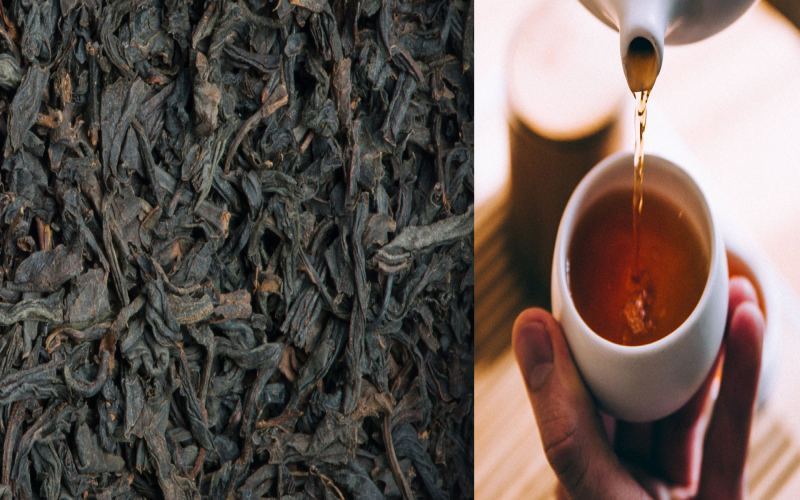
What Is the Difference Between Black Tea and Purple Tea? A Comprehensive Analysis of This Special Variety from Processing to Flavor Characteristics
Black tea gets its name from the red color of the tea liquor. After becoming popular in Britain in the 18th century, it remains the most widely consumed type of tea in India, Sri Lanka, and Western countries. Although China's annual black tea production accounts for less than 15% of the country's total tea output, its quality is outstanding. This article will start with the production process of black tea and its Chinese characteristics, and then introduce purple tea—a genetically mutated variety originating from the high-altitude regions of southern Yunnan. Purple tea appears purple due to the accumulation of anthocyanins, and it not only has a unique flavor but also possesses health potential such as anti-inflammatory and antibacterial properties. We will also compare the differences between purple tea and black tea in aroma and taste, and share Front Street Coffee's recommended teas. [more…]
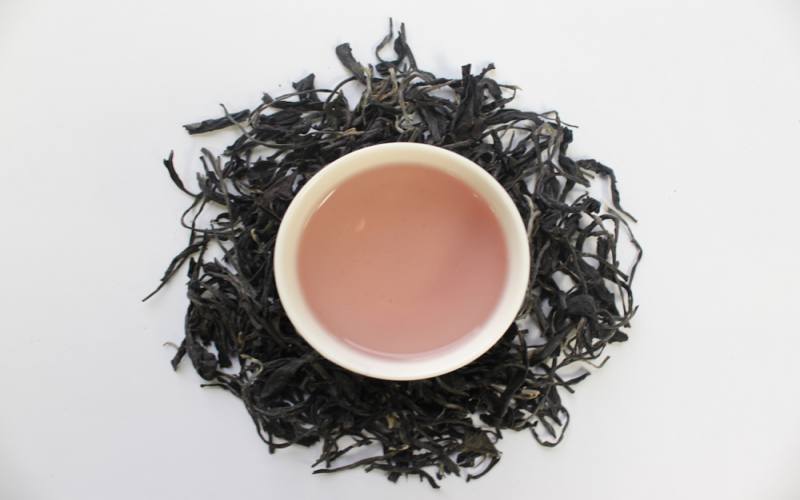
What Type of Tea Is Kenyan Purple Tea? A Full Analysis of Its Origin, Flavor, and Benefits
Purple tea is a special type of tea formed by a genetic mutation in the tea plant, rich in anthocyanins, and combining many of the health properties of both green and black tea. It was first discovered as a small number of wild mutations in China, and was later cultivated on a large scale in Kenya through a public-private partnership, with the main production areas located in the high-altitude regions of the Nandi Hills. Purple tea has an anthocyanin content of 1.5%, higher than blueberries, and its polyphenol and catechin levels also surpass those of most black and green teas; it also contains a unique GHG polyphenol. Its caffeine content is relatively low, its flavor is sweet and forest-like, and after brewing, the liquor is pale with a slight purple tint. Front Street recommends paying attention to this tea, which combines both health value and a story of its production area. [more…]
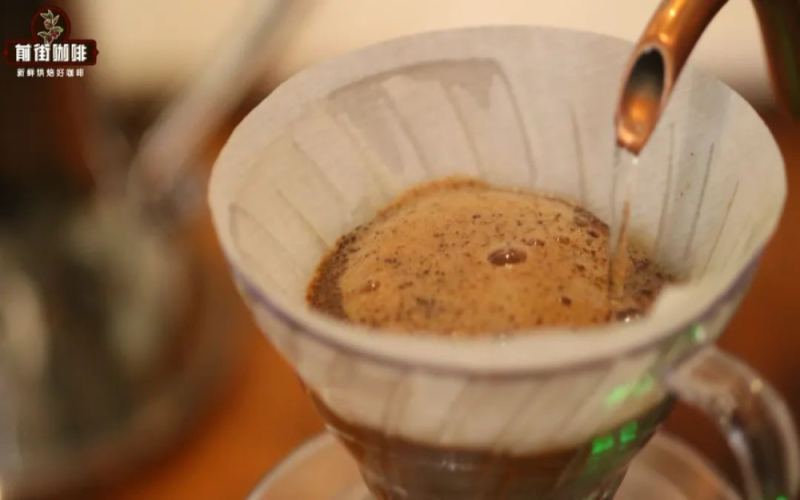
Pour-Over Coffee Fast Circular Water-Slinging Pouring Method: A Full Analysis of Its Advantages, Hidden Risks, and Suitable Bean Types
In the pouring techniques of hand-brewed coffee, the fast circular swirl pour is a controversial yet frequently seen aggressive method in competitions. It uses centrifugal force to fling the water outward, accelerating the tumbling of the coffee bed, thereby improving extraction efficiency and even helping to form a coffee wall that locks in flavor. However, this technique demands extremely high control from the operator; a slight mistake can lead to uneven extraction of the coffee bed and imbalanced flavor. Front Street Coffee will objectively analyze the pros and cons of the swirl pour in this article, and, in conjunction with coffee bean quality, roast level, and the differences between competition beans and everyday beans, explain why beginners are not advised to blindly imitate it. The article will also point out that the pouring technique is only one part of the brewing parameters and must be coordinated with grind size, water temperature, and other factors to be effective. [more…]
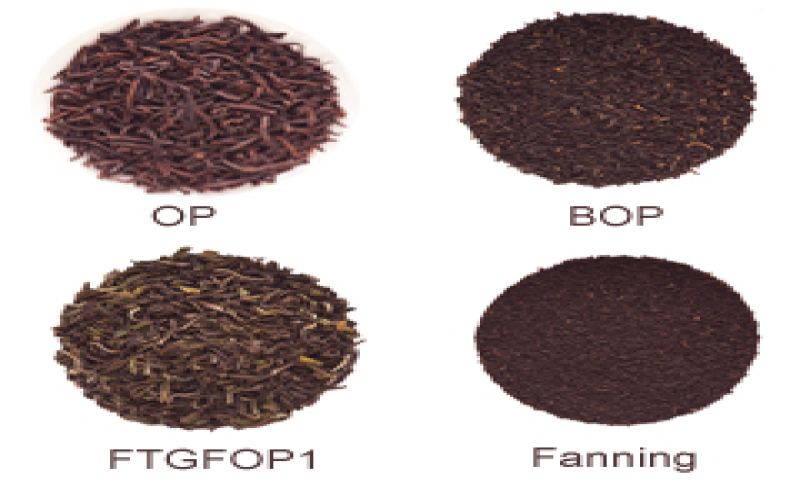
Loose Leaf OP Black Tea vs. Tea Bag Broken Leaf Tea: An Analysis of Grade Hierarchy and Flavor Differences
After tea leaves are processed, they are graded based on physical characteristics such as size and color, but grading does not directly equate to brewing quality. Indian black tea has the most rigorous grading system, in which Orange Pekoe (OP) is a basic term derived from the Chinese word for "white down" and has nothing to do with orange flavor. Black tea is divided into four categories: whole leaf, broken leaf, fannings, and dust. Whole-leaf grades range from OP to SFTGFOP1, with quality improving grade by grade; the broken-leaf grade BOP retains more whole-leaf quality and is often used for blending; finer tea powder is mostly used for tea bags and ready-to-drink beverages. Although loose-leaf tea and tea bags come from the same source, there are significant differences between orthodox processing and CTC processing, with the former having a more complex flavor. Front Street Coffee has always advocated choosing loose-leaf tea in order to enjoy the visual appeal and pure taste of whole tea leaves. [more…]
Ethiopian Guji Uraga Heirloom Coffee Beans: Processing Methods and Brewing Flavor Analysis of a TOH Washed Champion
Many friends of Front Street Coffee beans like Front Street TOH coffee beans, but many are not clear about what TOH means. Starting from the TOH competition, this article provides a detailed introduction to the 2020 TOH washed category champion—this bean from Uraga in the Guji region of Ethiopia—covering its regional background, the washed process at the Sela Gajaba processing station, the curve design by Front Street roasters, and a brewing recipe that highlights jasmine, pomelo, and green tea flavors. Whether you want to understand what TOH actually is or master the key brewing points for this champion bean, you can find the answers below. [more…]
Ethiopia Guji Uraga TOH Washed Champion Bean Flavor Analysis and Complete Brewing Parameters Guide
This coffee bean from Uraga in Ethiopia's Guji region took first place with 89.8 points in the washed group at the 2020 Taste of Harvest (TOH) competition in East Africa. Front Street Coffee has specially put together for coffee lovers an overview of this champion bean's growing region background, processing method, roasting approach, and brewing plan. Uraga town sits at an altitude of 2,300 meters and has fertile black soil along with a rich genetic potential for fruit flavors. After meticulous washing at the Sela Gajaba processing station, it displays the traditional Ethiopian floral aroma, citrus, and tea-like notes, while cleanliness is greatly improved. To preserve its clear mouthfeel, Front Street Coffee's roaster focused on amplifying the white floral and fruit notes, and developed targeted pour-over parameters to highlight the core flavors of jasmine, pomelo, honey, and green tea. [more…]
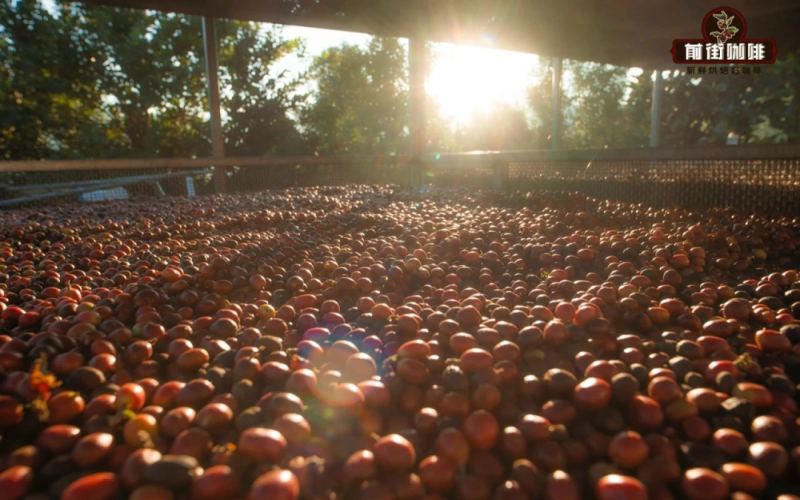
Exploring the Origins of Yunnan Small-Bean Coffee Varieties: Flavor Differences Between Typica and Catimor, and an Analysis of Producing Regions and Brands
The history of coffee cultivation in Yunnan can be traced back to the first coffee tree brought by French missionaries, which was genetically identified as the Typica variety of the Arabica family. However, today the most widely planted variety in Yunnan is Catimor—what is the story behind this? From the perspective of Front Street Coffee, this article reviews the rise and fall of the two varieties, Typica and Catimor, in Yunnan, and explains in detail their respective flavor characteristics and current cultivation status. Since 2013, Front Street Coffee has planted a small amount of Typica in Lincang, Yunnan, using a natural process to present plum, berry, brown sugar, and a black tea-like sweet finish; while the washed Catimor at 1,200 meters in Baoshan exhibits plum, melon and fruit aromas, and nutty notes. Regardless of the variety, scientific cultivation and proper processing are the keys to improving the quality of Yunnan coffee. [more…]

Seven Elements of Hand-Brewed Coffee | Is the correct English for hand-brewed coffee "Hand Drip" or "Pour Over coffee"? What are the brewing methods for hand-brewed coffee?
What is the English for pour-over coffee? If translated literally, it could be rendered as "Hand coffee," but that term is definitely incorrect. Next, expressions like "Hand punch" are also common mistranslations. The correct term should be "Pour over coffee." Now, pour-over [more…]
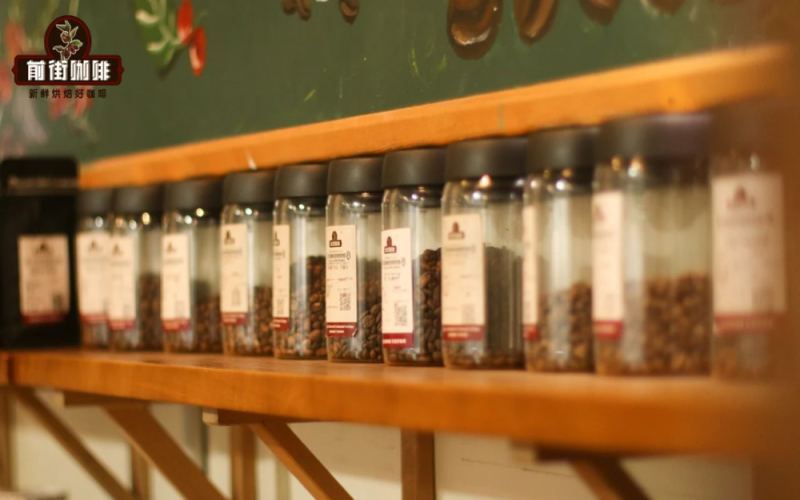
Flavor Analysis of Honduran Specialty Coffee Beans: Litchi Orchid Rum Barrel Fermentation Process and Caturra Variety Characteristics
Honduras, as an important coffee-producing country in Central America, has secured a place in the global specialty coffee market thanks to its unique mountain climate and continuously improving processing techniques. In this issue, Front Street Coffee focuses on the Lychee Orchid coffee beans from the Masaguara Mocha Estate. These beans are processed using a refined washed method combined with low-temperature fermentation in brandy barrels, presenting soft lychee sweetness, honey notes, and the complex aroma of brandy and oak barrels. The article will systematically introduce the distribution of coffee-producing regions in Honduras, variety characteristics, and the principles of barrel fermentation, and through a comparison of two roasting curves by Front Street roasters, deeply analyze the specific effects of different development times on coffee flavor performance, providing coffee enthusiasts with practical brewing and tasting references. [more…]
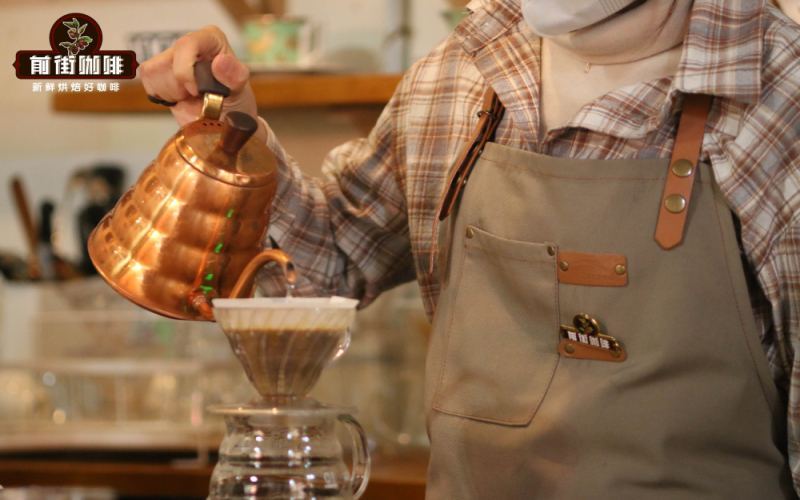
The Complete Guide to the Bloom in Pour-Over Coffee: Water Amount, Timing, and Degassing Tips for Light Roasts
Blooming is a seemingly simple yet subtly nuanced key step in pour-over coffee. From the perspective of Front Street, this article delves into the core purposes of blooming—releasing carbon dioxide and stabilizing extraction—and analyzes the connection between the English term "bloom" and the swelling state of the coffee bed. The article compares in detail the pros and cons of different water amounts (1x to 3x), recommending 1.5-2x water as the better choice, while explaining that bloom time should be flexibly controlled between 20-40 seconds based on degassing effectiveness. In addition, it shares practical tips for judging the end of blooming by observing changes in the dome, as well as the specific effects of different bloom durations on coffee flavor, helping coffee enthusiasts master this step precisely. [more…]

Why Doesn't Cold Brew Coffee Taste Sour? A Reference Guide to Cold Brew Coffee Pricing and Coffee Bean Selection
Cold brew coffee, with its unique low-temperature slow extraction process, presents a flavor profile completely different from hot-brewed coffee: smooth mouthfeel, pronounced sweet aftertaste, and relatively lower acidity and astringency. So why does cold brew coffee not taste sour? What price range do cold brew coffees sell for on the market, and how much should you spend on coffee beans to get it right? Drawing on the practical experience of Front Street Coffee, this article systematically explains the origins of cold brew coffee, the extraction principles, key production points, and the types of coffee beans suitable for making cold brew, helping coffee lovers gain a comprehensive understanding of this slow-crafted beverage. [more…]