







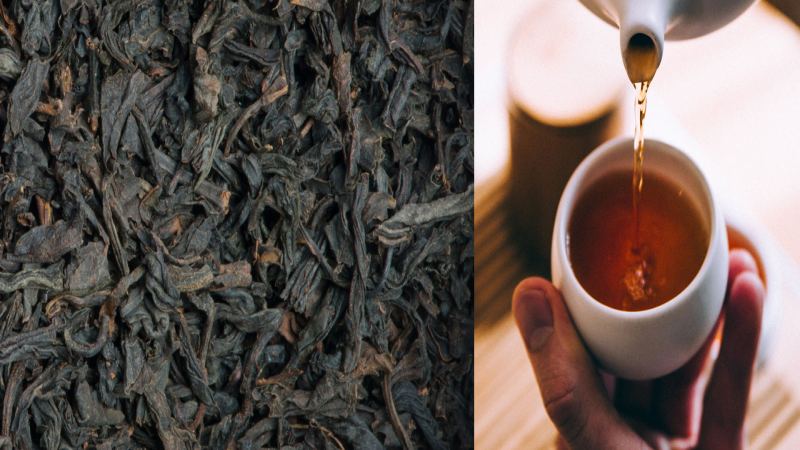
Coffee of India: How Do Black Tea and Purple Tea Differ in Processing?
Black tea is named for the red color of its brewed liquor and became popular in England in the 18th century. It remains the most consumed tea in India, Sri Lanka, and Western countries. Purple tea is a genetic mutant from the high-altitude regions of southern Yunnan, colored by anthocyanin accumulation, with a distinct flavor and potential anti-inflammatory properties.
Black tea leaves are withered, losing up to 60 percent moisture, then rolled to break cell structure and trigger oxidation, followed by drying, sorting, and sifting. Chinese black tea withers longer and oxidizes more slowly, giving a smoother, sweeter cup with less astringency, and the tea is usually brewed in several short infusions.
Black tea gets its name from the red color of the brewed liquor. After becoming popular in England in the 18th century, it remains the most widely consumed type of tea in India, Sri Lanka, and Western countries to this day. Although China's annual black tea output accounts for less than 15% of the country's total tea production, its quality is outstanding. This article will start with the production process and characteristics of black tea, then introduce purple tea—a genetic mutant variety originating from the high-altitude regions of southern Yunnan. Purple tea appears purple due to the accumulation of anthocyanins, and it not only has a unique flavor but also possesses health potential such as anti-inflammatory and antibacterial properties. We will also compare the differences between purple tea and black tea in aroma and taste, and share Front Street Coffee's recommended teas.
Black tea is named for the red color of its brewed liquor. In the 18th century, this tea quickly became popular in England, and to this day, in India, Sri Lanka, and all Western countries, black tea remains the most consumed type of tea. In China, the annual output of black tea is less than 15% of the country's total tea production, but its quality is quite outstanding. This article will provide an in-depth analysis of the production process and characteristics of black tea, followed by an introduction to purple tea—an exciting red genetic variant.
What is the production process of black tea?
Generally, the leaves or buds selected for making black tea are slightly more mature. These leaves first undergo withering, losing up to 60% of their moisture, and are then rolled and curled, disrupting the cell structure and releasing enzymes that trigger oxidation. Next, the tea undergoes oxidation, drying, sorting, and sifting.
Characteristics of Chinese black tea
Chinese black tea is unique in many ways. First, the withering time is longer, which helps to highlight the tea's aroma. Second, the oxidation process is longer and slower, which can concentrate the tea's flavor while reducing astringency. Finally, the sweet bud leaves used as the tea base are rich in amino acids and polyphenols, making the finished product smoother and sweeter than black teas from other regions, with weaker dryness and astringency.
We recommend using multiple short infusions to let the tea leaves gradually unfurl, savoring it with patience and focus, rather than steeping it all at once and drinking it in large gulps. Overall, black tea is known for its strong "fully oxidized" flavor, intense diffuse aroma (upright qi), mild sweetness, and "awakening" sensation. We recommend brewing it directly in a bowl or a side-handled pot, with water close to boiling. Front Street Coffee's most popular black teas include Winter Plum, Water Lily, and Flying.
Next, let's talk about the sister of black tea—purple tea. What exactly is it?
Purple tea comes from the same tea plant as other teas—Camellia sinensis. The purple color originates from a genetic mutation, first discovered in a small number of tea trees in southern Yunnan, China. These trees grow at high altitudes and are exposed to ultraviolet light for long periods, prompting the trees to produce large amounts of anthocyanins—antioxidant-like flavonoids—as a defense mechanism.
Anthocyanins not only give the leaves a purple color, but recent research has also found them to have health benefits. These bioactive compounds have powerful anti-inflammatory and antibacterial activities, and show promise in inhibiting human cancer cells, improving vision, reducing dementia, and preventing liver disease.
I have never drunk purple tea. What does it taste like?
Purple tea has a pleasant sweetness and a forest-like aroma. Due to its lower tannin content, it is not as astringent as green tea and black tea. Front Street Coffee's purple tea—Spirit Gate, lively, richly floral, and full-bodied—is one of our most popular teas.
The above content is compiled by CoffeeHunters, a coffee news website.


