







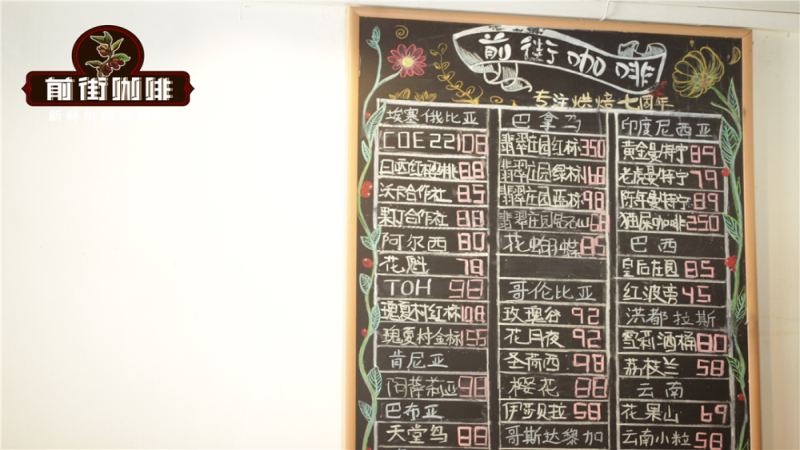
Why does the Guji Uraga TOH washed champion bean count as fine coffee?
This Guji Uraga lot won the washed category of the 2020 East Africa Taste of Harvest Competition with a score of 89.8. Grown near Uraga town at 2,300 meters on nutrient-rich black soil, it was washed at the Sela Gajaba station, roughly 12 kilometers from town, and shows classic Ethiopian jasmine, citrus, and tea notes with notably higher cleanliness than typical naturals.
TOH is run by the African Fine Coffees Association and covers 12 coffee-producing countries, working much like Brazil's Cup of Excellence. Guji was once part of Sidamo and became its own region for its Yirgacheffe-like terroir. The roaster aimed at white floral and fruit notes, and pour-over brings out jasmine, pomelo, honey, and green tea. Buy green coffee beans fresh and roast light to keep that clarity.
This coffee bean from Uraga in Ethiopia's Guji region took first place in the washed category of the 2020 East Africa Taste of Harvest Competition (TOH) with a score of 89.8. Front Street Coffee has specially compiled for coffee lovers the regional background, processing method, roasting approach, and brewing plan for this champion bean. Uraga town sits at an elevation of 2,300 meters, with fertile black soil and a rich genetic heritage of fruit flavors. After meticulous washing at the Sela Gajaba processing station, it presents the traditional Ethiopian floral, citrus, and tea notes, while cleanliness is greatly enhanced. To preserve its clear mouthfeel, Front Street's roaster focused on amplifying the white floral and fruit notes, and developed targeted pour-over parameters to highlight the core flavors of jasmine, pomelo, honey, and green tea.
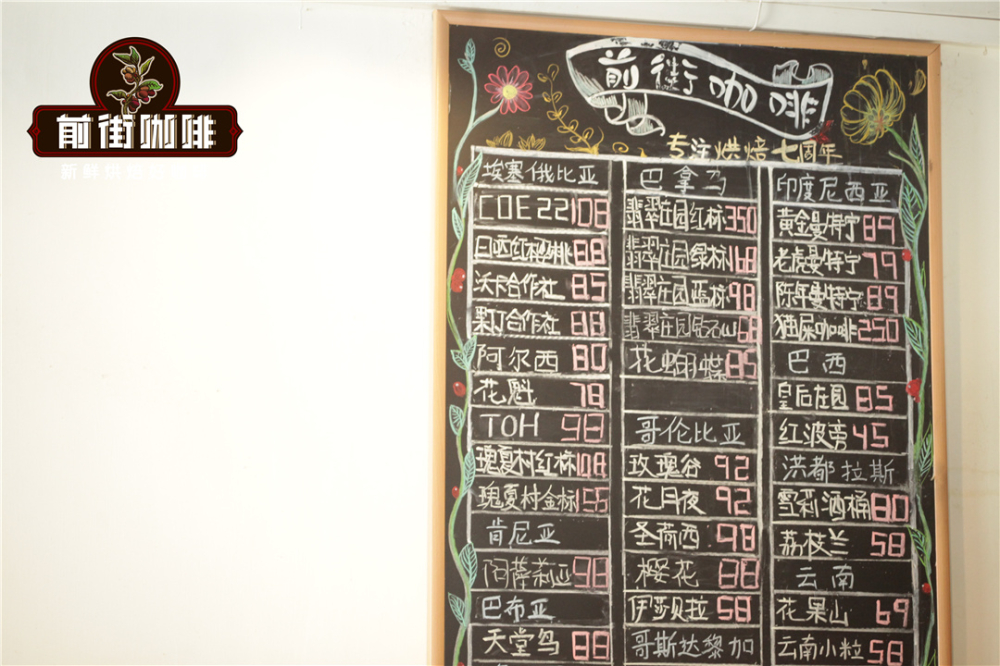
Front Street's TOH coffee beans have always had many loyal fans, but many customers are also unclear about what TOH actually refers to. For this reason, Front Street is here to talk about the origins of this bean.
What is TOH?
TOH stands for "East Africa Taste of Harvest Competition," hosted by the African Fine Coffees Association (AFCA), covering 12 coffee-producing countries in Africa. In nature, it is similar to the Cup of Excellence (COE) green bean cupping competition led by Brazil. This year, Uraga stood out with a score of 89.8, taking the 2020 TOH washed category championship.
Champion Bean Uraga
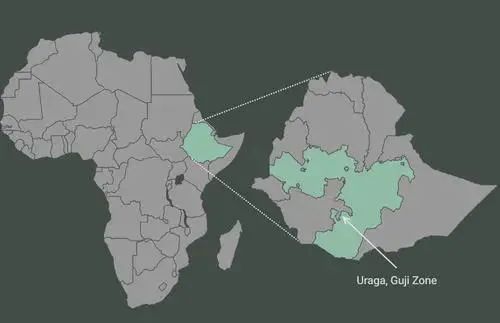
This coffee bean comes from Ethiopia's well-known Guji region, specifically from its sub-region Uraga. Guji originally belonged to the Sidamo region, but later became an independent region because it possesses a unique terroir similar to Yirgacheffe. Many star coffees have also emerged here, such as the familiar Huakui series, which comes from Guji's sub-region Hambela.
Uraga is a sub-region under Guji, with an elevation reaching 2,300 meters. Although Uraga town administratively belongs to Guji, its geographical location is closer to the high mountain zone of Yirgacheffe at 2,200 meters. The soil in this area is nutrient-rich black soil (Vertisol), and the high-altitude conditions give Uraga rich fruit flavors.
Processing Station and Processing Method
This champion bean was washed at the Sela Gajaba washing station. The station is about 12 kilometers from Uraga town and is one of the finest processing stations in Uraga. The processing at the station is almost entirely conducted indoors, thereby minimizing the possibility of contamination of the coffee beans.
Freshly picked coffee cherries first undergo two rounds of sorting, retaining only fully red and flawless cherries, followed by depulping and demucilaging. The green coffee beans with residual pulp and mucilage are immersed in water and fermented for about 18 to 36 hours; after fermentation is complete, the parchment beans are moved to a flowing water channel for washing to remove pulp and mucilage; after washing, they are dried in the sun or with a dryer until the moisture content drops to about 12%. Finally, the parchment is removed from the green beans.

Coffee processed in this way retains the traditional Ethiopian floral, citrus, and tea notes, while significantly improving cleanliness.
FrontStreet Coffee Roasting Analysis
FrontStreet Coffee's roaster believes that as a washed champion bean, its clean baseline must be preserved, with emphasis on highlighting white floral and fruit flavors. By fine-tuning the duration of the dehydration phase and the time of first crack, the following roasting curve was ultimately determined.
Front Street's roaster used a Yangjia 800N (300 grams batch size): charged at 180°C, heat power 130, airflow opened to 3; turning point at 1'36", when the temperature reached 140°C the airflow was adjusted to 4 while heat power remained unchanged; at 151°C the bean surface turned yellow, the grassy smell completely dissipated, entering the dehydration phase, and heat power was reduced to 110.
At 8'37", ugly wrinkles and dark streaks appeared on the bean surface, and the toast aroma clearly turned into coffee aroma, which can be regarded as the prelude to first crack. At this point, one must carefully distinguish the sound of the first crack. First crack began at 9'39", airflow was not opened to 5, and after first crack developed for 1'00", the beans were dropped at 193.2°C.
FrontStreet Coffee Brewing Parameters Sharing
The flavors Front Street obtained through cupping were jasmine, lemon, berry, pomelo, honey, and green tea.
This time, FrontStreet Coffee's barista decided to highlight this coffee's jasmine aroma, pomelo, honey, and green tea main notes. The brewing parameters used are as follows:
Also using 15 grams of coffee powder as an example, after brewing tests, Front Street found that this coffee tends to develop a tea-like astringency when steeped too long, so the final grind size chosen was coarser than normal pour-over, with a 70% pass rate through a No. 20 standard sieve.
The coffee-to-water ratio used is 1:16; a larger coffee-to-water ratio better highlights the floral and fruit aromas. The water temperature is set at 91°C. This temperature is very suitable for brewing Ethiopian coffee beans and easily brings out citrus and other fruit notes.
Brewing Method
This time, Front Street's three-stage brewing method is still used. First, preheat the coffee pot and dripper, add 15g of coffee powder, and gently level it. Pour in 30 grams of water and bloom for 30 seconds. It is not recommended to bloom for too long, otherwise astringency is likely to occur.
In the second stage, pour 120 grams of water in concentric circles from the center outward. The pouring is completed at about 1 minute. When the coffee bed is almost visible, pour the final stage, using the same method to pour 90 grams of water. After all the water has flowed into the server, remove the dripper to end extraction. The total brewing time is 2 minutes and 5 seconds.
Brewing flavor description: The wet aroma carries faint jasmine and citrus notes. In the front section, a citrus-like juicy quality can be felt, while the middle and back sections present notes like honey pomelo tea, and the aftertaste is a sweet lingering finish like oolong tea.
The above content is compiled by CoffeeHunters, a coffee news website.


