







What is the study of coffee called, and what makes purple tea different?
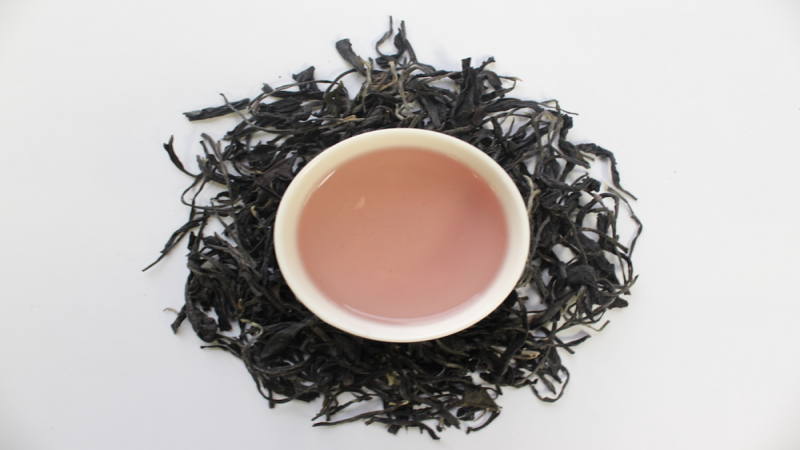
Purple tea is a tea variety created by a genetic mutation in the tea plant, rich in anthocyanins and combining the health traits of green and black tea. Wild mutants first appeared in China, and Kenya scaled up cultivation through a public-private partnership, mainly in the high-altitude Nandi Hills. Its brewed liquor is pale with a slight purple tint.
Purple tea holds an anthocyanin content of 1.5%, above the 1% found in blueberries, and its polyphenol and catechin levels exceed most black and green teas. It also contains a distinct GHG polyphenol. Grown between 4,500 and 7,500 feet near the equator, the plants need no pesticides. Flavor is sweet and forest-like, with caffeine relatively low.
Purple tea is a special tea type formed by a genetic mutation in the tea plant, rich in anthocyanins, and combining many health properties of both green and black tea. It was first discovered as a few wild mutations in China, and later scaled up for cultivation in Kenya through a public-private partnership, with its main production areas located in the high-altitude regions of the Nandi Hills. Purple tea has an anthocyanin content of 1.5%, higher than blueberries, and its polyphenol and catechin levels also surpass most black and green teas, and it also contains a unique GHG polyphenol. Its caffeine content is relatively low, and its flavor is sweet and forest-like, with the brewed liquor being pale and slightly purple. Front Street recommends paying attention to this tea, which combines health value with a production region story.
What is purple tea?
When it comes to tea, people usually think of categories like black tea, green tea, and oolong tea. But have you heard of purple tea?
Purple tea combines the health benefits of green tea and black tea, and also brings additional unique health value, while opening up extra income channels for growers.
So what exactly is purple tea?
Like other teas, purple tea also comes from the tea plant, the same type of plant used to make black tea and green tea. Its purple appearance comes from a unique genetic mutation, which enables the tea plant to produce anthocyanins, and anthocyanins are the powerful antioxidant compounds found in blueberries. In fact, purple tea has an anthocyanin content of 1.5%, while blueberries have 1%.
Where does purple tea come from?
A small number of wild mutant plants were first found in China. Later, Kenya isolated this mutation and achieved large-scale production through a public-private partnership model. Purple tea is mostly grown at altitudes between 4,500 and 7,500 feet, mainly in Kenya's Nandi Hills region. The high-altitude environment near the equator brings stronger ultraviolet exposure, prompting the plants to produce large amounts of antioxidants to protect their leaves from damage. Because of the higher altitude, pesticides are not needed in the cultivation of purple tea.
What health benefits does purple tea have?
Anthocyanins have multiple medicinal values and are especially considered beneficial for cardiovascular disease. These antioxidants are known to have effects such as fighting cancer, improving vision, and promoting cholesterol and blood sugar metabolism. At the same time, purple tea has a lower caffeine content than black tea. Purple tea also contains more of another antioxidant—polyphenols—than black tea or most green teas (purple tea has 16.5%, while black tea and green tea have 10.1% and 9.1%, respectively). Like green tea, purple tea is also rich in another antioxidant—catechins, especially EGCG, the powerful antioxidant compound found in green tea. These neuroprotective antioxidants can cross the blood-brain barrier and, in a study on mice, significantly increased the brain's antioxidant capacity. Purple tea also has a secret weapon that no other tea or food has: a special polyphenol called GHG. Preliminary research shows that it can reduce fat mass and thickness while increasing lean body mass. Researchers believe this is the result of GHG acting on lipase, which breaks down fat and makes it easier for the body to digest. Drinking purple tea feels good, and farmers will thank you for it too. Kenya is rich in tea production, and tea is the country's number one cash crop. But the price of the black tea Kenya mainly produces is trending downward. Either grit your teeth and watch income shrink, or find another way out... find a new niche that lets Kenya become the market leader. They seized this opportunity, and then... succeeded. Twenty-five years after the first hybrid varieties appeared, Kenyan farmers began expanding production of export products. Best of all, even though this tea has amazing health benefits, its price is only a few dollars more expensive than most teas. In fact, you might think purple tea would be much more expensive, given its unique effects. Needless to say, by buying purple tea, you are supporting the farmers who waited 25 years to bring this tea to market. What does purple tea taste like? Purple tea has a pleasant sweetness and forest aroma. We brewed it with water slightly below boiling for about 3 minutes, and could hardly perceive any astringency. Purple tea itself is darker in color, but the brewed liquor is lighter and slightly purple. Some say it combines the flavors of black tea and green tea. We found it tasted very much like green tea, without astringency or the bitterness of tannins, but also without the grassy or vegetal green flavor. Thanks to nature's generosity, for people who want to improve their health and keep up with tea trends, this may be a good choice.
The above content is compiled by CoffeeHunters, a coffee news website.


