







Search Results for: anthocyanins
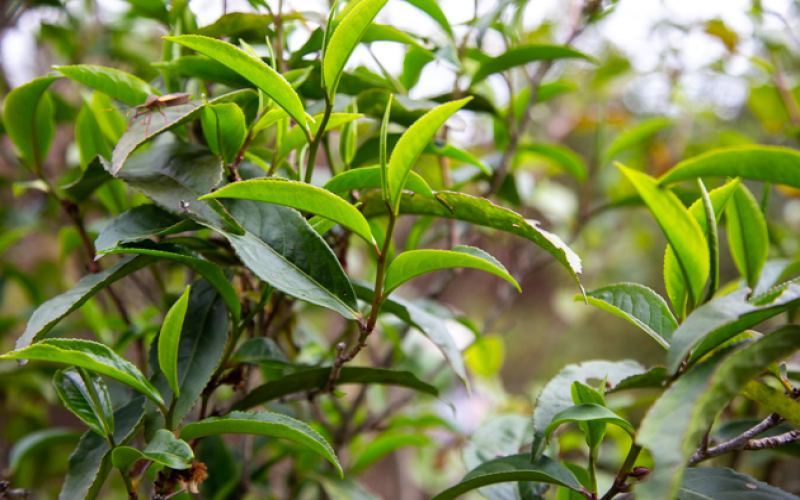
Where does high-mountain purple black tea come from? An analysis of the anthocyanin content and variety classification of Yunnan Lincang purple tea
Purple tea, a rare tea variety that grows sporadically in high-altitude areas such as Lincang and Baoshan in Yunnan, is distinguished from ordinary tea plants by its purple stems. The anthocyanins it contains give the finished tea a deep color, while its aroma carries a refreshing perilla-like note along with floral fragrance. Locally, purple tea is mostly made into raw Pu'er tea, but through customized processing, it can also be made into black tea and white tea. The high-mountain purple black tea recommended by Front Street this time uses purple tea material from an altitude of about 2,100 meters, grown without fertilizer or pesticides, and after 24 hours of thorough withering, it presents an unprecedentedly rich aroma. This article will guide you through the growing environment of purple tea, its varietal characteristics, anthocyanin content, and suggestions for drinking and storage. [more…]
Taiwan Purple Bud Tea Tree New Line TTES No. 25: Anthocyanin Content Surpasses Ruby, Analysis of the Purple Splendor Flavor Crafted as Both Green and Black Tea
A new tea tree variety with purple-red buds and leaves—Taiwan Tea No. 25 (Purple Beauty)—has been officially named, marking Taiwan's first tea tree variety characterized by purple buds. Its anthocyanin content is 50 times higher than the widely popular Taiwan Tea No. 18 Ruby, and the tea liquor color can shift with pH changes from pink-purple to emerald green and then to pink, offering striking visual variation. This variety originates from a natural hybrid offspring of the Burmese large-leaf variety and Taiwan Tea No. 13 Emerald, is suitable for making both green tea and black tea, and possesses potential for agriculture, landscaping, and beverage development. Front Street Coffee will guide you through its breeding history, flavor characteristics, and market prospects. [more…]
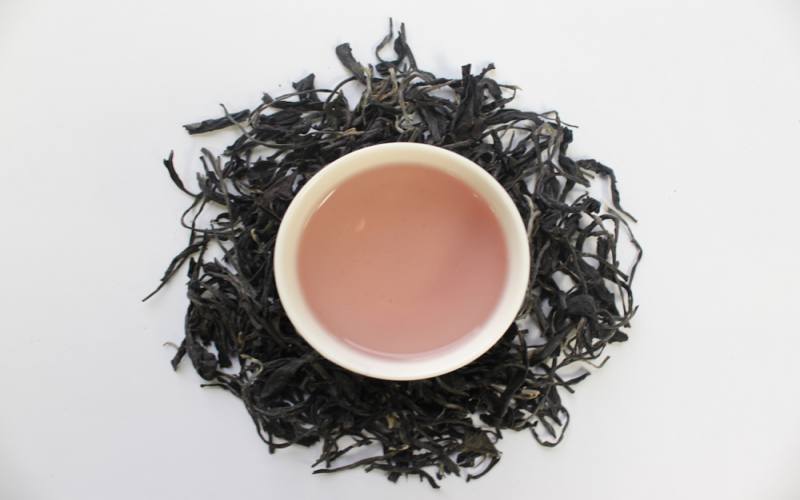
What Type of Tea Is Kenyan Purple Tea? A Full Analysis of Its Origin, Flavor, and Benefits
Purple tea is a special type of tea formed by a genetic mutation in the tea plant, rich in anthocyanins, and combining many of the health properties of both green and black tea. It was first discovered as a small number of wild mutations in China, and was later cultivated on a large scale in Kenya through a public-private partnership, with the main production areas located in the high-altitude regions of the Nandi Hills. Purple tea has an anthocyanin content of 1.5%, higher than blueberries, and its polyphenol and catechin levels also surpass those of most black and green teas; it also contains a unique GHG polyphenol. Its caffeine content is relatively low, its flavor is sweet and forest-like, and after brewing, the liquor is pale with a slight purple tint. Front Street recommends paying attention to this tea, which combines both health value and a story of its production area. [more…]
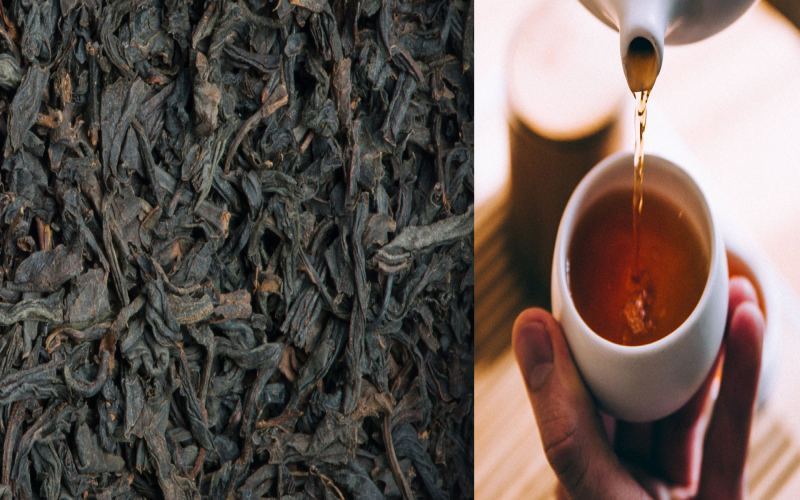
What Is the Difference Between Black Tea and Purple Tea? A Comprehensive Analysis of This Special Variety from Processing to Flavor Characteristics
Black tea gets its name from the red color of the tea liquor. After becoming popular in Britain in the 18th century, it remains the most widely consumed type of tea in India, Sri Lanka, and Western countries. Although China's annual black tea production accounts for less than 15% of the country's total tea output, its quality is outstanding. This article will start with the production process of black tea and its Chinese characteristics, and then introduce purple tea—a genetically mutated variety originating from the high-altitude regions of southern Yunnan. Purple tea appears purple due to the accumulation of anthocyanins, and it not only has a unique flavor but also possesses health potential such as anti-inflammatory and antibacterial properties. We will also compare the differences between purple tea and black tea in aroma and taste, and share Front Street Coffee's recommended teas. [more…]
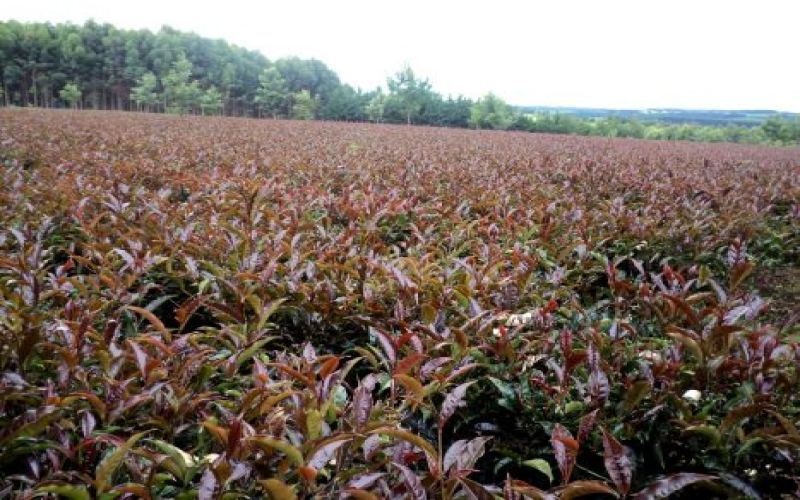
What is Kenyan purple tea? Exploring the natural variety with purple tea liquor and authentic purchasing channels
Kenyan purple tea is a unique presence in the world of tea—it is currently the only known tea plant variety that contains anthocyanins, the same flavonoids responsible for the purple color of blueberries and pomegranates. Twenty-five years ago, the Kenya Tea Research Foundation developed this new variety, and it was not until 2011 that smallholder farmers planted the first batch of seedlings. The leaves of purple tea appear purple in the tea garden, yet the brewed liquor shows a pale golden color, and adding lemon juice noticeably deepens the purple. Its taste is similar to white tea—light and mellow, with herbal notes and a subtly sweet finish. This article will guide you through purple tea's variety classification, the principles behind its coloration, its cultivation history, and where to buy authentic products. [more…]
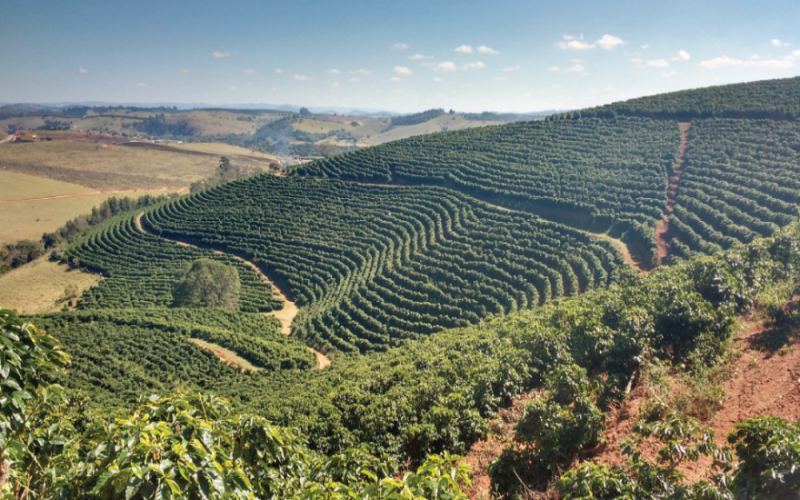
Why Is Red Bourbon the Main Variety of Brazilian Coffee? An Analysis of the Genetic Secret Behind Yellow Bourbon Fruit Not Turning Red
Brazil, as a major coffee-producing country in the world, has a rather fascinating history of variety evolution. From the early cultivation of Typica to the introduction of Bourbon, and then to the divergence of Red Bourbon and Yellow Bourbon, multiple factors are involved, including yield, disease resistance, and genetics. This article sorts out the trajectory of coffee variety replacement in Brazil, focusing on answering why Yellow Bourbon does not turn red after ripening but instead maintains its yellow appearance, and analyzing the dominant and recessive inheritance mechanisms of its anthocyanins and luteolin. At the same time, it introduces the flavor characteristics and brewing performance of Front Street Coffee's entry-level selected Brazil Red Bourbon and Front Street Coffee's Queen Estate Yellow Bourbon, helping coffee enthusiasts understand the differences these two Bourbon varieties present in the cup. [more…]
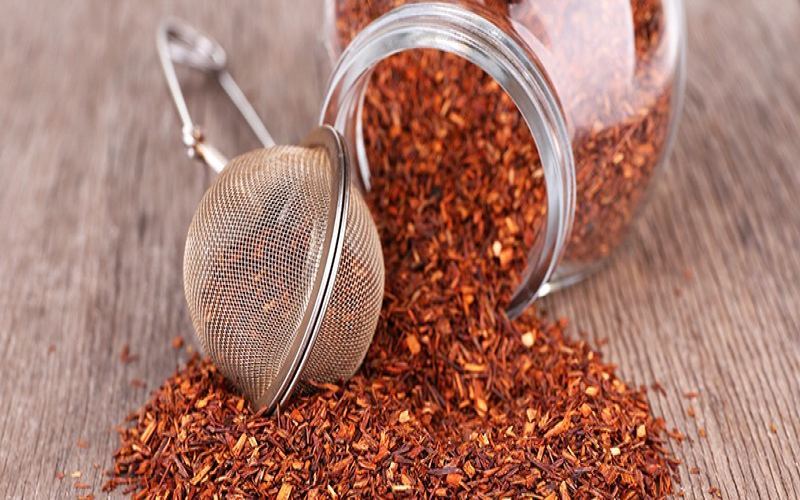
Which country ranks first in tea production in Africa? A detailed look at the flavors and health benefits of nine distinctive African teas
Africa is not only famous for coffee—its tea production is equally noteworthy. Kenya ranks as the world's third-largest tea producer and the leading tea-producing country in Africa. From anthocyanin-rich Kenyan purple tea to South Africa's unique rooibos and honeybush teas, and from North African mint tea to Ethiopian spiced tea, diverse tea traditions have emerged across the continent. This article profiles nine teas produced in Africa, covering their origins, production methods, flavor characteristics, and health benefits, helping coffee lovers expand their understanding of African beverages. Front Street Coffee will also recommend African teas worth trying. [more…]
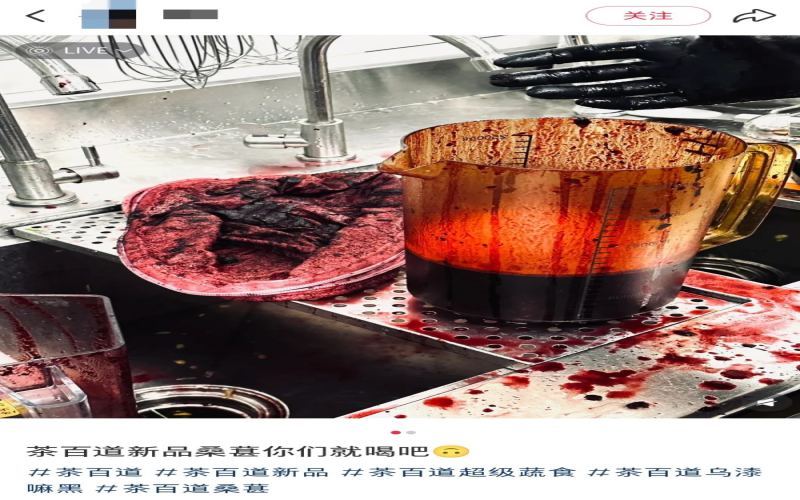
A video of mulberry juicing in the back kitchen of ChaPanda has sparked heated discussion, with employees complaining that the fresh fruit preparation process is like a horror movie scene.
The daily work life of milk tea shop employees has always been a hot topic on social media, but recently a post by a ChaPanda employee unexpectedly went viral because the kitchen scenes were too "creepy." Dark red mulberry juice covered the counter, blender, and filter bags, and combined with the scene of black gloves squeezing the juice, many netizens said it looked like a horror movie. It is understood that these scenes come from ChaPanda's daily operation of freshly squeezing mulberry juice when preparing ingredients for products such as "Wu Qi Ma Hei" and "Triple Berry Goodnight Cup." Because mulberries are high in anthocyanins and have a deep color, the juicing process is not only time-consuming and labor-intensive, but also very likely to stain clothes and the work area. Employees have complained one after another on social media, and even turned these scenes into jokes such as the "ChaPanda Mulberry Man-Eating Incident" to share, triggering a lot of resonance. [more…]
Tracing the Origins of Brazil's Yellow Bourbon Coffee Variety: A Comprehensive Interpretation from Genetic Mutation to Flavor Expression
Yellow Bourbon is a unique presence on Brazil's coffee map—it was not artificially cultivated, but originated from a natural genetic mutation. From the introduction of the Bourbon variety to Brazil in the 19th century, to the first discovery of yellow fruit in Pederneiras in 1930, and then to the variety collection and promotion by the Campinas Agronomic Institute, Yellow Bourbon has gone through a tumultuous journey. It was once popular for its high yield and quality, but also retreated to limited production areas at higher altitudes due to declining disease resistance. Today, highlands such as Mogiana in São Paulo state have become the main stage for Yellow Bourbon, where the temperature difference between day and night gives the fruit richer aromatic layers. This article will systematically review the discovery history, genetic mechanism, cultivation status, and flavor characteristics of Yellow Bourbon, and bring a specific brewing and tasting guide for Front Street Coffee's Queen Estate Yellow Bourbon. [more…]
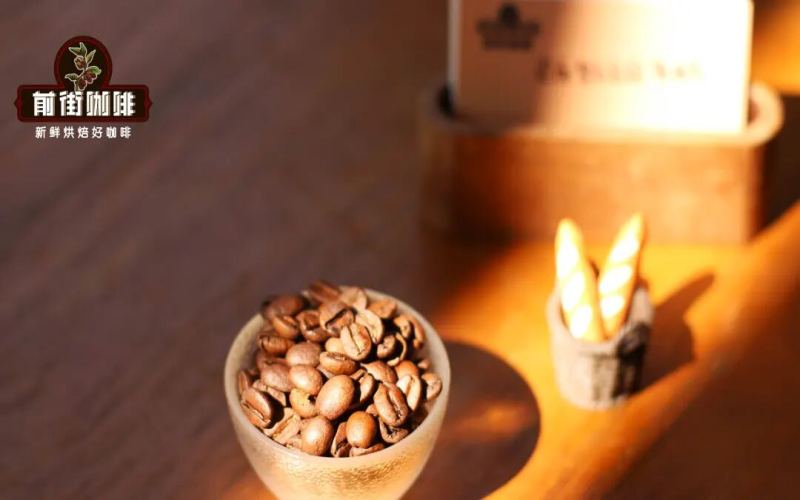
Brazilian Bourbon Coffee Beans | Where Does Brazilian Yellow Bourbon Come From? Variety Characteristics and Flavor Profile of Yellow Bourbon
The coffee cherries of most varieties turn red when ripe, but the Yellow Bourbon variety is known for its ripe cherries that are yellow, and Yellow Bourbon is regarded as a precious variety in Brazil. In recent years, this variety has been highly praised by coffee buyers and roasters, partly because of its unique and high-quality flavor. [more…]

North China Pharmaceutical Crosses into the Tea Beverage Sector: Herbal Formulas Plus Free Health Checkups, Franchise Model Hides a Distribution Trick
What kind of sparks fly when a well-known domestic pharmaceutical company starts selling milk tea? In mid-August this year, North China Pharmaceutical's tea beverage brand opened its first store in Shijiazhuang, marketed with "healthy water," "Five Elements secret formula," and "pure natural, zero additives," with basic drinks priced at only 7 yuan. Even more surprising, during the soft opening, customers could enjoy a comprehensive smart health checkup, with a robot testing 70 indicators across ten major systems and recommending corresponding drinks based on the results. First-day revenue was nearly 8,000 yuan, and business has remained so booming since then that takeout has been shut down. The brand has already begun preparing franchise materials and plans to officially open franchising next year, while franchise stores will also take on the distribution function for Huawei Health functional foods. So how exactly does this move work? Let's take a closer look. [more…]
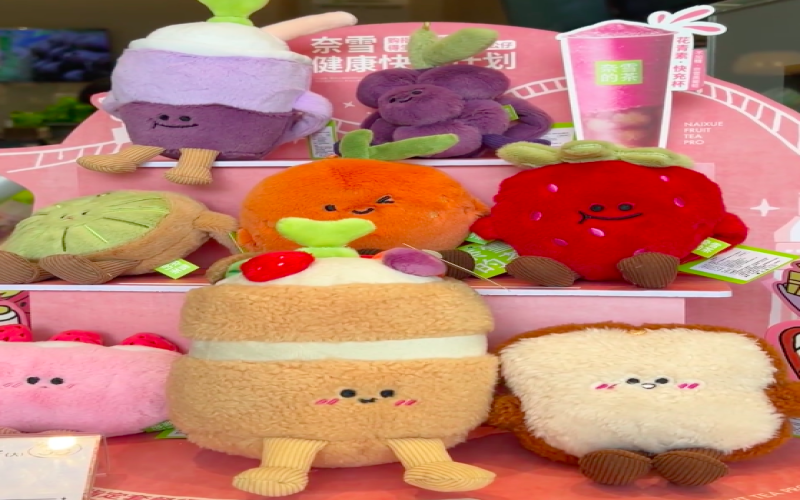
Nayuki's ninth-anniversary limited-edition figurine falls apart on contact with water, with hot-melt adhesive assembly becoming the focus of quality concerns.
Nayuki launched limited-edition plush dolls for its ninth-anniversary birthday season, attracting a large number of fans to snap them up. However, after a consumer put a newly bought grape plush into the washing machine to clean it, the doll fell apart completely, turning from a whole bunch into scattered individual "grapes." This was not an isolated case; several other users also reported that parts fell off the plush after washing and drying. The reason is that these dolls are bonded with hot-melt adhesive rather than sewn, and the label clearly states they must not be washed in water. In addition, some consumers received "hidden edition" dolls with missing or incorrect facial expressions, sparking widespread dissatisfaction with the quality control of the merchandise. [more…]