







What is pour over coffee in English? A literal translation might be "Hand coffee," but that's definitely wrong. "Hand punch" is also a common misreading. The correct term is "Pour over coffee." So what are the basics of pour over coffee, and how can you brew a delicious cup at home? In this article, Front Street Coffee (FrontStreet Coffee) will explain everything for you one by one.
What is pour over coffee?
Pour over coffee refers to brewing coffee under one atmosphere of pressure, using a dripper and filter paper filled with appropriately ground coffee, where the brewer pours water at the proper temperature and volume onto the coffee grounds in a steady stream to extract the coffee. Since grind size, water temperature, pouring method, and brewing time all affect flavor extraction, this is a brewing method that demands considerable skill and coffee expertise.

The Basics of Pour Over Coffee — The Seven Elements of Pour Over Coffee
First, what do you need to prepare besides equipment for pour over coffee? To answer this, Front Street Coffee (FrontStreet Coffee) combined past pour over coffee experience andThe Basics of Pour Over Coffeesummarized the following seven elements of pour over coffee to help coffee lovers understand pour over coffee more intuitively.
1. Fresh coffee beans

Front Street Coffee (FrontStreet Coffee) believes that the optimal flavor period for coffee beans is 30 days. After 30 days, the aroma molecules in the beans decrease as carbon dioxide is released, so beans past their optimal flavor period may taste bland and flat when brewed. This is why Front Street always emphasizes "use freshly roasted coffee beans" before discussing any brewing knowledge.
2. Pour over coffee grind size standard
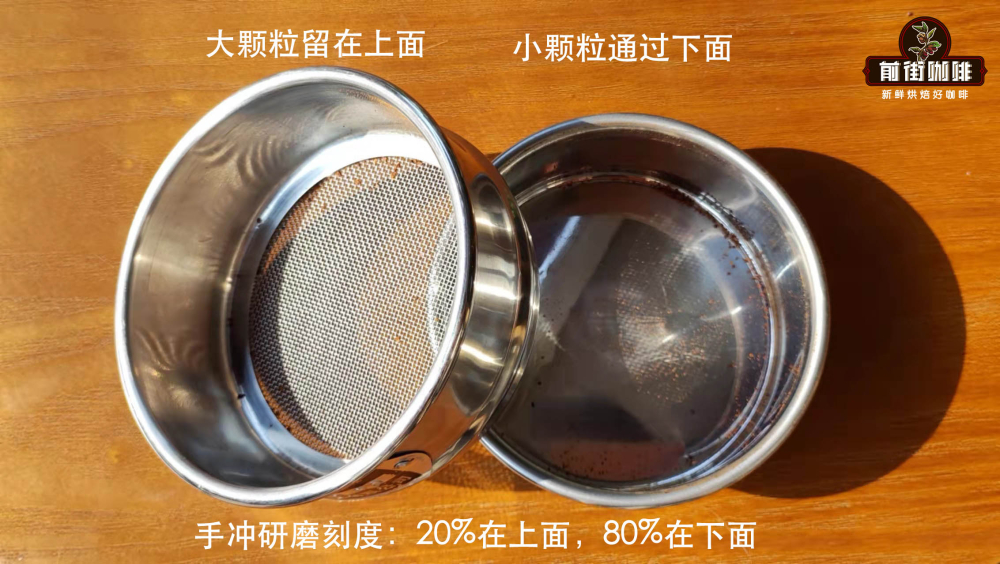
At the same time, to ensure that each bean has the most suitable grind for brewing, Front Street recommends purchasing a No. 20 cup test calibration sieve with an aperture of 0.85mm. We take 10g of coffee beans, adjust to a rough grind setting and grind into coffee powder, then pour into the sieve for sifting. Weigh the sifted coffee powder (you must sift until no more coffee powder can pass through to be considered complete). A pass-through rate of 80% (8g out of 10g) is the most suitable grind for medium-light roasted coffee beans, and a pass-through rate of 70%-75% (7-7.5g out of 10g) is the most suitable grind for medium-dark roast. If the pass-through rate exceeds the suitable range, adjust the grind coarser; if it falls short, adjust the grind finer.
3. Brewing water temperature
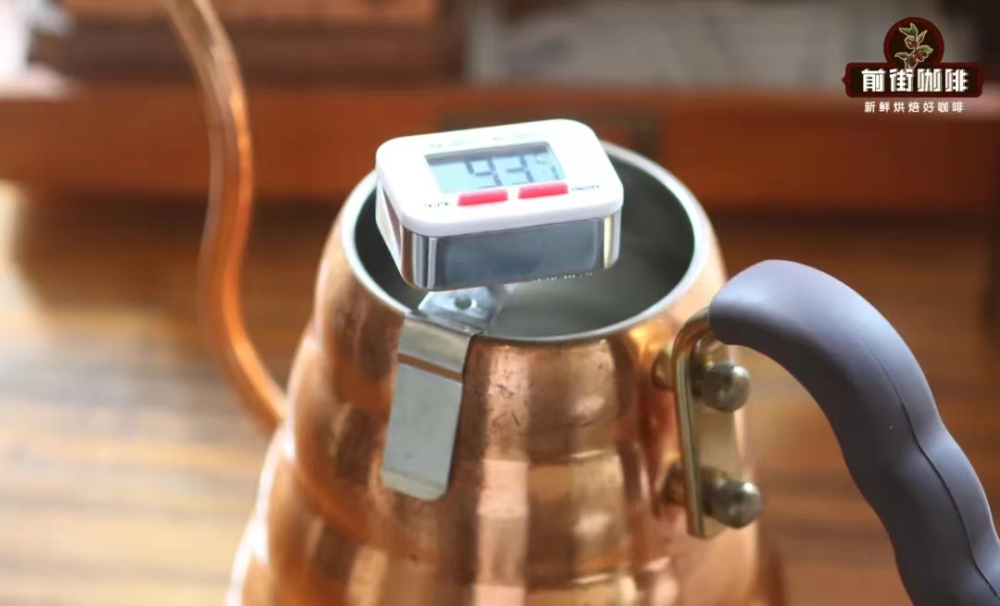
Front Street Coffee (FrontStreet Coffee) also chooses different water temperatures when brewing pour over coffee with coffee beans of different roast levels. During roasting, the substances contained in coffee beans are lost as the roast level deepens, so dark roasted coffee beans use lower temperatures to avoid extracting excessive off-flavors. For medium-light roasted beans, Front Street Coffee (FrontStreet Coffee) recommends a water temperature of 90-93°C, and for medium-dark roasted beans, 86-88°C is recommended.
4. Water quality

The mineral composition in water — calcium, magnesium, sodium, potassium and other mineral ions — affects coffee's thermodynamic extraction capacity, thereby altering the coffee's flavor. Front Street Coffee (FrontStreet Coffee) does not recommend using tap water directly heated for brewing, as tap water contains many impurities and the extracted coffee may easily produce unpleasant experiences.
5. Dripper selection
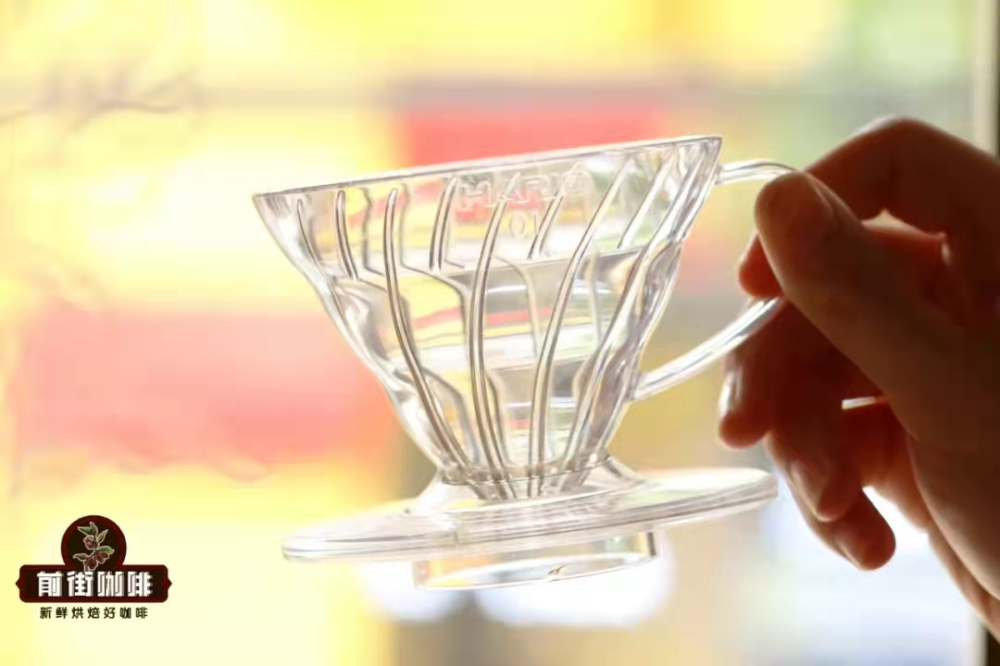
Front Street recommends beginners choose the V60 01 dripper. The V60 cone-shaped dripper has a relatively large opening, and combined with its unique spiral curve ribs, air is more easily expelled, improving extraction quality. The body may not be full enough, but the brightness and distinct aroma brought out by its high concentration are its standout features.
6. Coffee-to-water ratio
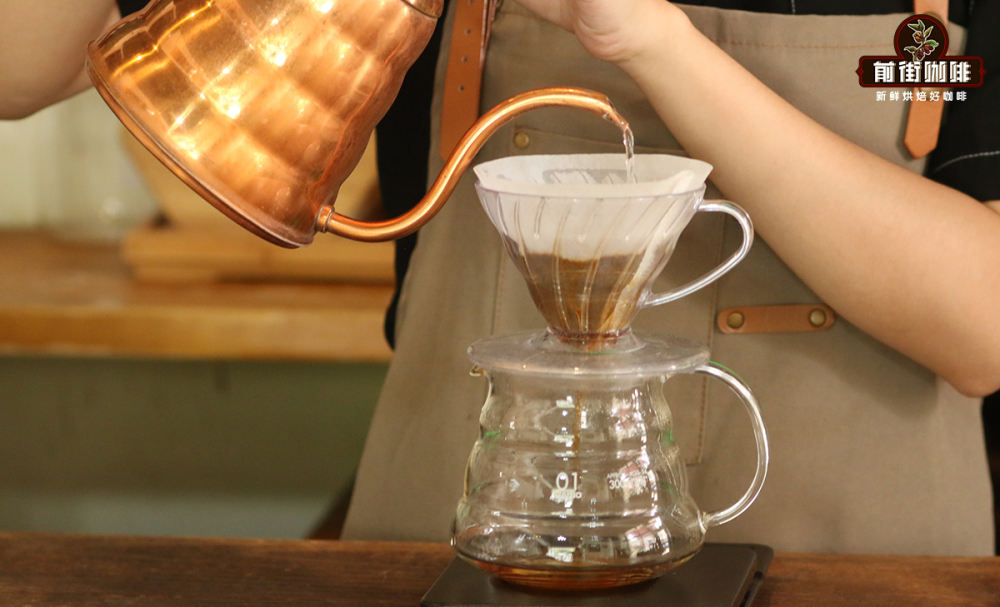
This is the pour over coffee water-to-coffee ratio extraction parameter taste differences that Front Street Coffee (FrontStreet Coffee) derived based on the SCA Golden Cup extraction theory:
【Bold taste】1:10~1:11, i.e., 1:12.5~1:13.5 on the Golden Cup standard
【Moderate taste】1:12~1:13 (i.e., 1:14.5~1:15.5 on the Golden Cup standard)
【Light and refreshing】1:14~1:16 (i.e., 1:16.5~1:18.5 on the Golden Cup standard)
A coffee-to-water ratio of 1:14.5~1:15.5 makes it easiest to reach the golden range of 18%~22% extraction yield and 1.15%~1.35% concentration.
This is also why Front Street Coffee (FrontStreet Coffee) always recommends brewing at 1:15. Therefore, the information that Front Street Coffee (FrontStreet Coffee) summarizes from the above SCA extraction ratio parameters is:
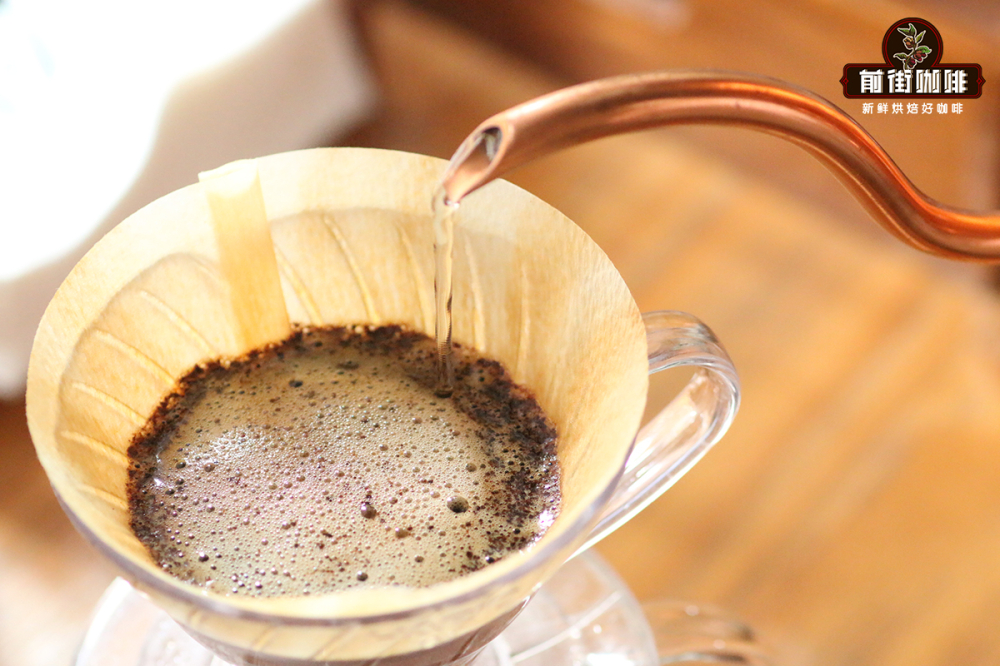
(1) The larger the coffee-to-water ratio, the lighter the coffee taste; the smaller the coffee-to-water ratio, the stronger the coffee taste.
(2) Increasing water volume to raise the coffee-to-water ratio affects more flavor substances but results in a lighter taste; decreasing water volume to lower the coffee-to-water ratio affects fewer flavor substances but results in a richer taste.
(3) Increasing coffee dose to lower the coffee-to-water ratio reduces extraction of large-molecule substances in the final stage while making the taste stronger; decreasing coffee dose to raise the coffee-to-water ratio, before reaching the extreme, extracts more complete flavor substances while reducing taste intensity.
7. Brewing time

During coffee extraction, the early stage has strong aroma and flavor with high concentration, and the further the extraction goes, the lighter the flavor and aroma become. The amount of water poured also affects the coffee extraction time. Front Street Coffee (FrontStreet Coffee) generally uses 15g of coffee, varying by bean; at a 1:15 water-to-coffee ratio, the brewing time will be within 2 minutes to 2 minutes 30 seconds, making it unlikely to cause over-extraction or under-extraction.
The Basics of Pour Over Coffee —Pour over coffee grind size standard
Secondly, the grind size of coffee beans for pour over coffee also greatly affects extraction. That is to say, even if the coffee-to-water ratio is well controlled, if the pour over coffee grind is too coarse or too fine, it will affect flavor extraction. For example, the finer the grind, the more easily it accumulates on the filter paper, creating greater extraction resistance, so the flow rate is slower and extraction time is longer. The extraction yield of coffee substances is higher, and the brewed coffee is more intense;
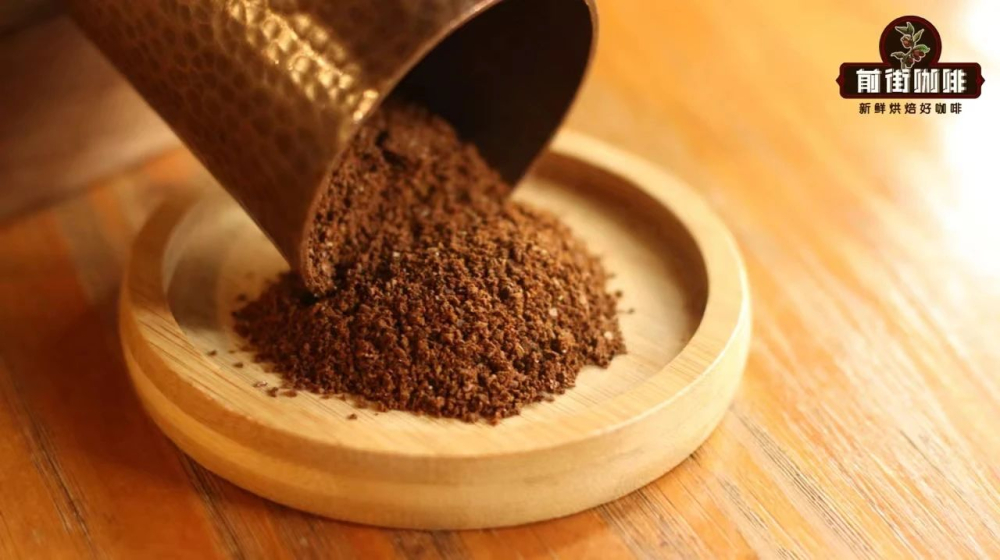
Similarly, the coarser the grind, the larger the gaps in the coffee bed, the less coffee comes into contact with hot water, the weaker the extraction resistance, the faster the coffee drips, and the lower the extraction yield, so the coffee flavor is lighter. So merely changing the grind size can produce enormous differences in coffee taste — this is why coffee grinding is so important.
The Basics of Pour Over Coffee — Pour over coffee brewing technique
Next comes the final step of pour over coffee — the brewing technique! There are many different pour over coffee brewing techniques seen in coffee shops today, commonly including the three-stage pour, one-pour method, drip method, and more. Here, Front Street Coffee (FrontStreet Coffee) recommends beginners use the three-stage pouring method, because this technique is suitable for light, medium-light, and medium roasted coffee beans.Pour over coffee three-stage pourThe staged extraction approach can clearly define the front, middle, and back flavors of the coffee, and can better ensure the coffee's flavor presentation.
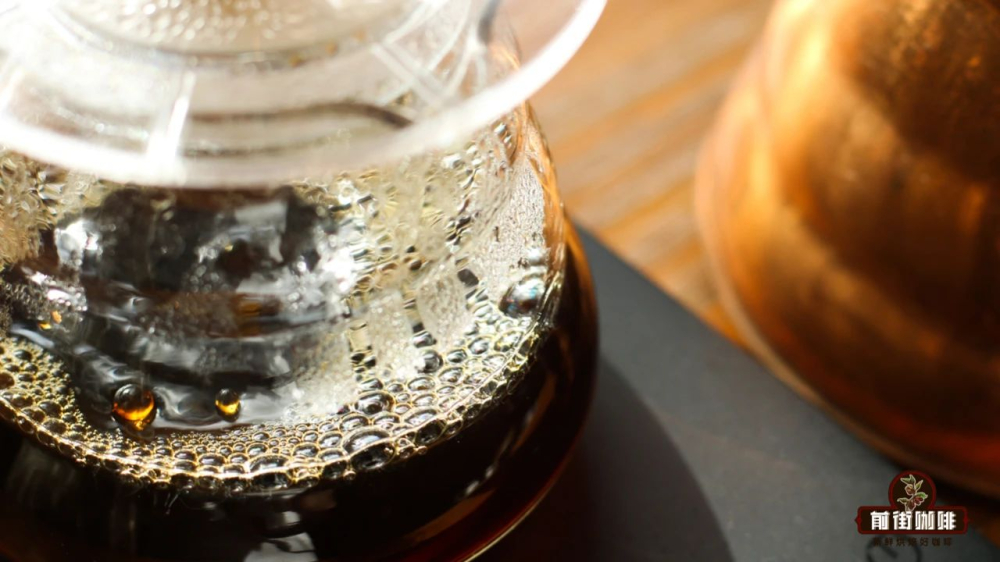
As Front Street Coffee (FrontStreet Coffee) mentioned above, the brewer must pour water at the proper temperature and volume onto the coffee grounds in a steady stream to extract the coffee liquid, in order to brew a delicious cup of coffee. After all, pour over coffee can also be called an art. For example, cooking a dish requires not only fresh ingredients but also attention to heat control and the chef's skill — pour over coffee is naturally no exception. So next, Front Street Coffee (FrontStreet Coffee) will teach everyone how to dopour over coffee three-stage pour.
Pour over coffee three-stage brewing technique:
First pour: Bloom (helps release gas)
Many coffee lovers don't know the purpose of blooming in pour over coffee. Actually, blooming is needed because coffee beans undergo a series of chemical reactions and physical changes during the roasting process from green beans to roasted beans. After reaching a certain roast level, a large amount of gas (mostly carbon dioxide) accumulates inside the coffee beans.
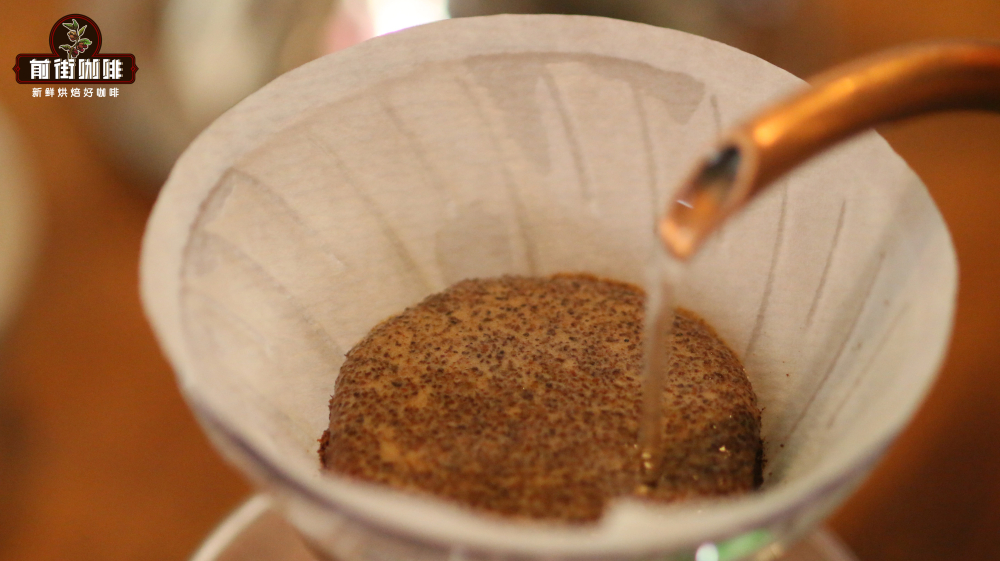
Generally speaking, the fresher the beans and the closer to the roast date, the more bubbles appear during blooming. Dark roasted beans also release more gas during blooming than light roasted beans. Front Street Coffee (FrontStreet Coffee)'s coffee beans are all freshly roasted, so we generally recommend customers rest the beans for three days first, letting the coffee beans release carbon dioxide first, which avoids instability and under-extraction during brewing.
After the bloom releases gas, the coffee particles can absorb water evenly, allowing for even extraction later. A good bloom allows the coffee grounds to quickly, fully, and evenly release gas while also allowing the coffee grounds to fully and quickly contact water, helping the coffee grounds be evenly extracted. These are precisely thepurposes of pour over coffee bloomingand its significance.
Pour over coffee bloomingPay attention to the following four points:
1.Before pouring water for the bloom, first level the coffee grounds.
2.Pour water gently during the bloom.
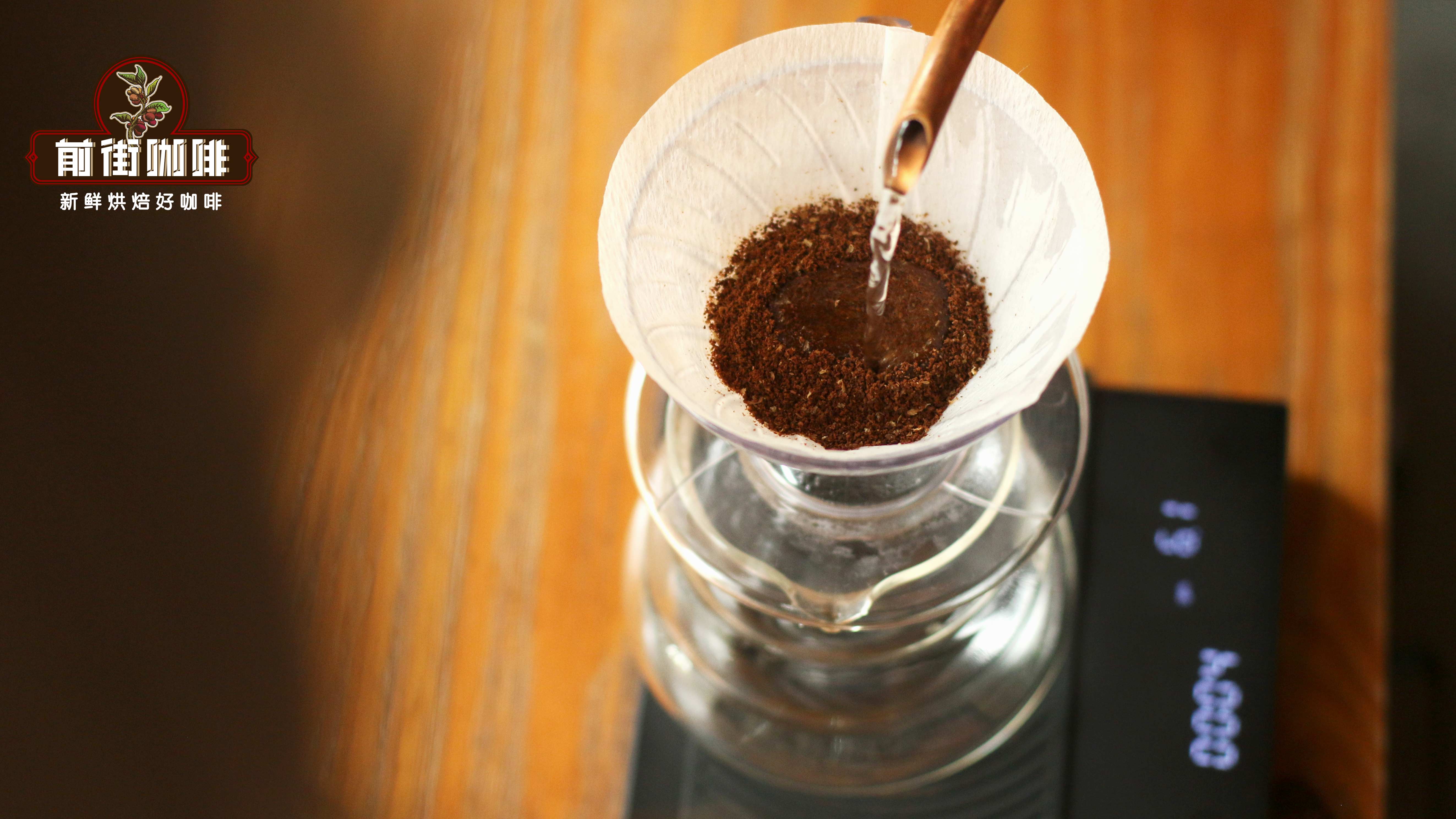
3.During the bloom, the extracted liquid dripping down should be as little as possible; when too much extracted liquid appears in the server, reduce the water volume or check the grind size. (If too much water is used for the bloom, a large amount of coffee liquid drips down, and the falling water doesn't stay but directly carries out substances from the outer layer of the coffee grounds — off-flavors and astringency from the outer layer begin to dissolve out. The resulting coffee is both weak and has over-extracted off-flavors. If the bloom water is insufficient with no dripping at all, the coffee grounds haven't absorbed enough water, some coffee has insufficient gas release, causing under-extraction.) Based on this, Front Street Coffee (FrontStreet Coffee) through multiple bloom experiments found that pouring water at twice the coffee grounds' weight during the bloom is more appropriate.
4.The bloom time is about 30 seconds. When the expansion of the coffee grounds' surface ends and you see the coffee surface begin to shrink, this means the bloom is complete and you can begin pouring. (In terms of timing, if the bloom time is too long, the coffee easily develops bitterness and astringency; if too short, the soaking is insufficient, and the coffee may be under-extracted or its flavors may not fully present.)

Generally speaking, the bloom end time varies for each bean, but Front Street Coffee (FrontStreet Coffee) found this is not conducive for beginners, since beginners value standardization and ease of use. Therefore, while ensuring the coffee beans are still in a freshly roasted state, Front Street Coffee (FrontStreet Coffee) recommends a bloom time of 30 seconds. Of course, experienced brewers can adjust the time themselves.
Second pour
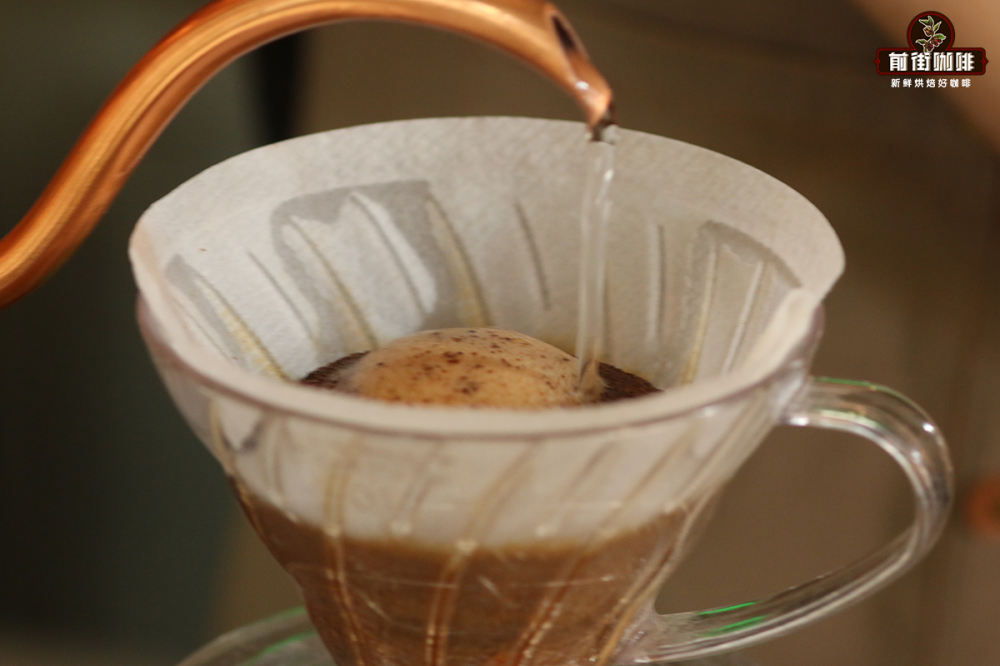
The second pour starts from the center, injecting a small stream into the bottom of the coffee bed. To concentrate the penetrating force of the stream, the circular movement range should be small — about the size of a one-dollar coin — then spiral outward. From the second pour onward, pay attention to the water volume, trying not to exceed the height of the coffee bed. That is, when the stream circles close to the filter paper, you can stop pouring.
Third pour

As the originally thicker coffee bed near the filter paper edge becomes heavier from absorbing water, it slides down and thins as the water level drops. When the water level drops to halfway, you can proceed with the third pour.
From the third pour onward, observe the rate of water level drop. Again start pouring from the center in circles, with water volume not exceeding the coffee bed height. At this point you'll also observe that foam has covered the entire surface. The third pour should increase the tumbling of coffee particles, making all settled particles tumble and thereby dissolving soluble substances.
The tumbling particles will begin to settle once pouring stops. At this point, the flow rate caused by the dropping water level creates friction among coffee particles. So once pouring stops, coffee particles sink, causing clogging — pay special attention to the pouring rhythm. If there are too many pauses, it's equivalent to letting coffee particles soak in water continuously, which will cause astringency and off-flavors in the final stage of extraction. If there are too many pauses, it's equivalent to letting coffee particles soak in water continuously, which will cause astringency and off-flavors in the final stage of extraction.
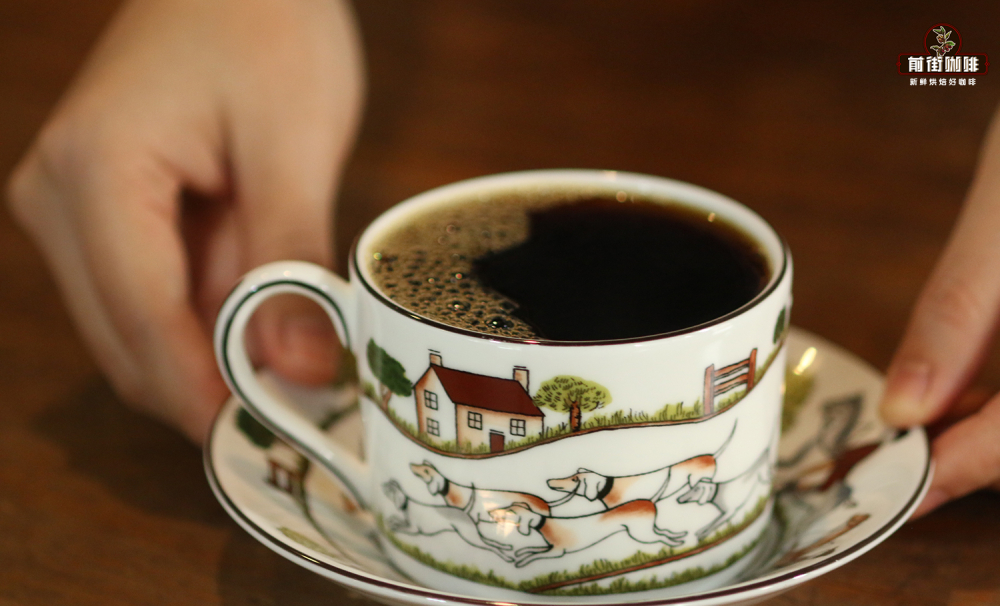
After the above steps, you'll have a cup of aromatic pour over coffee!
The above is Front Street Coffee (FrontStreet Coffee)'s compiled content on how to make pour over coffee. We hope it helps coffee lovers who have their equipment ready and want to showcase their skills making pour over coffee at home.
For more specialty coffee beans, please add the private WeChat Front Street Coffee (FrontStreet Coffee), WeChat ID: kaixinguoguo0925
The above content is compiled by CoffeeHunters, a coffee news website.


