








How Does Salt Change Bitterness and Sweetness in Coffee?
Salt added to coffee suppresses bitterness and lifts sweetness, and the mechanism is a food-science effect called taste interaction. When two taste substances enter the mouth together, they influence each other and change what is perceived. The saltiness from salt balances the bitter compounds in the cup, which is exactly why people started adding it in the first place.
Beyond bitterness, salt also reduces astringency, improves smoothness, and can add complexity by bringing a faint saltiness forward. It strengthens the intensity of other tastes while muting off-flavors, the same role it plays in everyday cooking. Used sparingly, a small pinch is enough; the goal is balance, not a salty drink, so measure carefully before adding more.
Adding flavorings to coffee is nothing new—sugar and dairy have long been common pairings—but the addition of salt surprises many people. In fact, thanks to its unique chemical and taste properties, salt can play multiple roles in coffee: from suppressing bitterness and enhancing sweetness and positive flavors, to reducing astringency, improving smoothness, and even adding complexity by highlighting saltiness. This article will systematically review the effects of adding salt to coffee and their underlying principles, and offer precautions for use, helping enthusiasts approach this method more rationally.

From past to present, the practice of adding various seasonings to coffee has always existed. This is done not only to mask bitterness, but also to achieve a more distinctive front-to-back tasting experience. As a result, sugar, dairy, and various other ingredients have mostly become rare "partners" for coffee.
However, among the many additives, there is one material whose purpose leaves many people puzzled, because its own characteristics seem hard to "coexist harmoniously" with coffee. But in reality, its effects are far greater than most people think. This material is "salt."
That's right—the operation described in the Front Street headline as "improving quality and boosting flavor" for coffee is exactly adding salt to coffee! Salt is one of the most common seasonings in daily life. As the foremost of all flavors, it not only brings saltiness, but also strengthens the intensity of other tastes and suppresses off-flavors. It even possesses many other functions due to its unique chemical properties, which is why it has become an important household staple in the kitchen. These "functions" of salt in daily life can likewise be applied to coffee. It is said that Front Street has previously shared the wonderful uses of salt in coffee. So today, Front Street will organize exactly what effects adding salt to coffee can produce!
1. Suppressing Bitterness Suppressing bitterness was the original reason people added salt to coffee. In food science, there is an effect called taste interaction . It refers to how, when two taste substances—whether the same or different—enter the mouth, they influence each other, thereby changing the taste we perceive. When salt is added to coffee, this effect occurs! The saltiness brought by salt can effectively balance the bitterness of coffee.
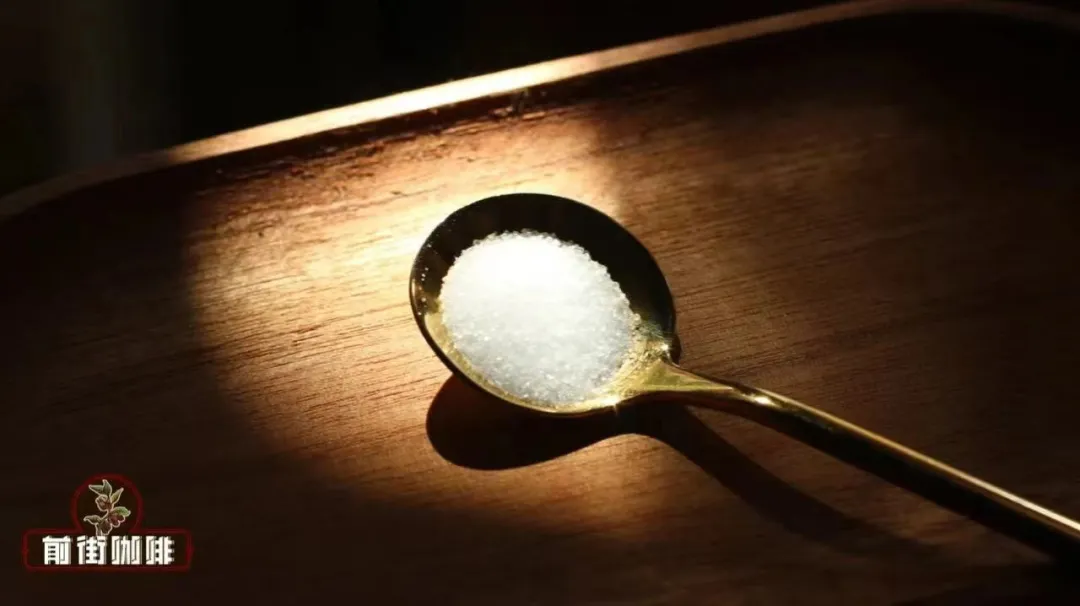
Our perception of bitterness involves a certain delay. After bitter substances enter the mouth, the taste buds release calcium ions, transmitting the "bitter" signal to the brain, which then activates bitter taste receptors—only then do we perceive bitterness. And bitter taste receptors are relatively direct in responding to the saltiness in salt. Therefore, adding salt effectively blocks the tongue's perception of bitterness, thereby weakening the bitterness expressed by coffee. 2. Improving Quality and Boosting Flavor Improving quality and boosting flavor, broken down, means: increasing appetite and enhancing taste. As Front Street mentioned, influenced by taste interaction, adding salt reduces the bitterness we taste in coffee. When our perception of bitterness weakens, the sweetness in coffee becomes more prominent. At the same time, negative ions can alter the activity of receptors and amplify the signals we perceive. So, when salt is better incorporated into coffee, we can more easily perceive the sweetness hidden within it.
Additionally, after bitterness is reduced, other flavors simultaneously gain better expressiveness due to decreased bitter perception, and we can more easily capture the positive flavors in coffee. So it's not hard to understand why salt is nicknamed a "flavor enhancer." To review once more! Many times, the puckered, astringent sensation we carefully notice when swallowing coffee is a convergence felt in the mouth and tongue, as if being "grabbed"—we usually call this sensation astringency (astringent taste) Coffee develops astringency because it contains excessive tannic acid or other substances in the coffee, which may be caused by extraction issues or by the coffee itself. Tannic acid and similar substances bind with salivary proteins, giving us an "unsmooth," rough sensation when swallowing coffee.

Adding salt can alleviate this situation and reduce the astringency brought by coffee; at the same time, dissolved salt slightly changes the surface tension of coffee. Combined with the above effects on astringency, coffee with added salt will have a smoother mouthfeel, thus achieving improvement. 3. Adding Complexity Unlike the first two, which modify coffee while controlling a taste so it doesn't stand out, this third point requires making saltiness stand out, thereby achieving the goal of adding complexity to coffee. Salted mocha, salted latte, and similar products are hit items born from the addition of salt. By adding a certain amount of salt to coffee, the saltiness is highlighted, then blends with and enhances other flavors, giving the coffee a richer sense of complexity. For example, in a previous experiment by Front Street, 0.1g of salt was added to an already aromatic latte, and the latte, through its clash with salt, produced a cheesy, savory, salty flavor. Very nice!
The above are the amazing effects salt brings to coffee. Interested friends can try it at home. However, there are two points to note when adding salt!!! The first is that the amount of salt must not be excessive! The saltiness must never become overly prominent in the coffee; otherwise, the saltiness will overpower everything, replacing bitterness as the dominant flavor affecting the coffee's performance.

Another point to note is that salt is not a cure-all, and does not apply to all coffees. Most of the time, we use salt because that cup of coffee isn't that good and inevitably has negative aspects—such as astringency or bitterness—so salt is needed for improvement. But when a pour-over coffee itself performs excellently ( rich aroma, balanced taste, full-bodied flavor) , Front Street does not recommend forcing salt into it to further improve the coffee, because this may instead give the coffee an incongruous taste.
The above content is compiled by CoffeeHunters, a coffee news website.


